Introduction:
In the realm of modern interior design, open-concept living and kitchen spaces have become more than just a trend; they’re a lifestyle. As an interior designer committed to crafting environments that foster connection and functionality, I’m excited to guide you through the art of seamlessly integrating living and kitchen areas. Join me on this journey as we explore the benefits, design considerations, and creative strategies that transform these spaces into hubs of warmth, activity, and effortless style.
Section 1: The Appeal of Open-Concept Living
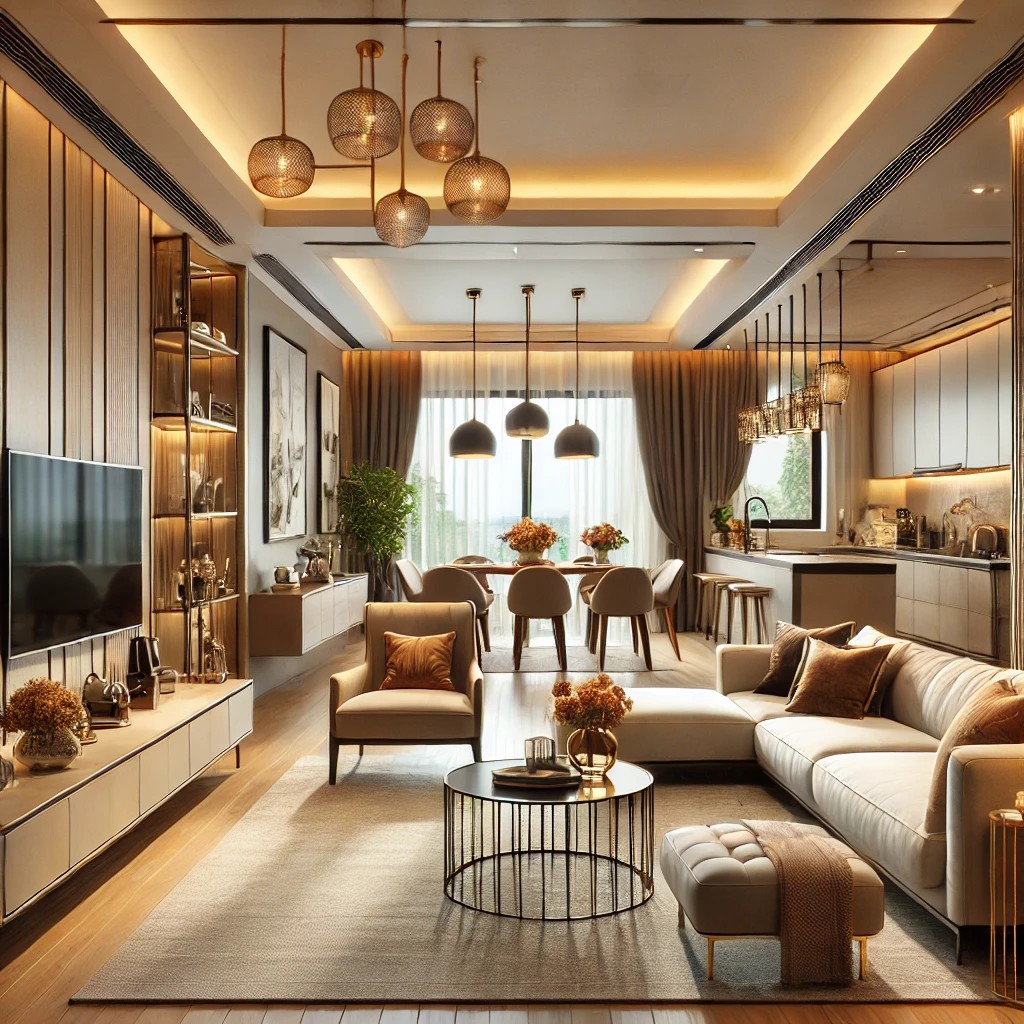
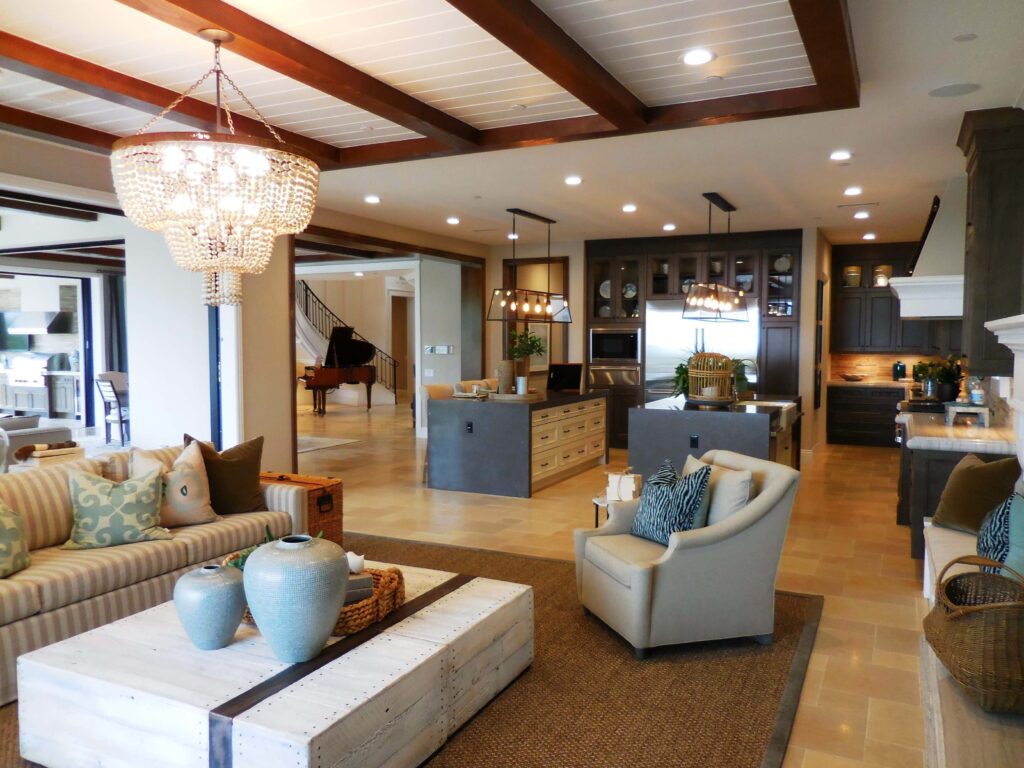
Open-concept living has captured the hearts of homeowners for its ability to create a sense of spaciousness, encourage social interaction, and allow for natural light to flow freely. In this section, we’ll explore the psychological and practical reasons behind the appeal of open layouts, setting the stage for a design that goes beyond aesthetics.
Section 2: Functional Zoning and Layout Considerations
Creating a cohesive yet functional open space requires thoughtful planning. We’ll discuss strategies for zoning different areas within the open layout, defining living and kitchen spaces without sacrificing the feeling of openness. Learn how to balance the need for intimacy in each zone while maintaining a fluid connection between them.
Section 3: Kitchen as the Heart of the Home
In an open-concept design, the kitchen takes center stage as the heart of the home. Explore design ideas for kitchen islands that serve as multifunctional hubs, seamlessly connecting cooking, dining, and socializing. I’ll share insights into choosing materials, finishes, and appliances that contribute to the overall aesthetic while promoting functionality.
Section 4: Cohesive Design Elements
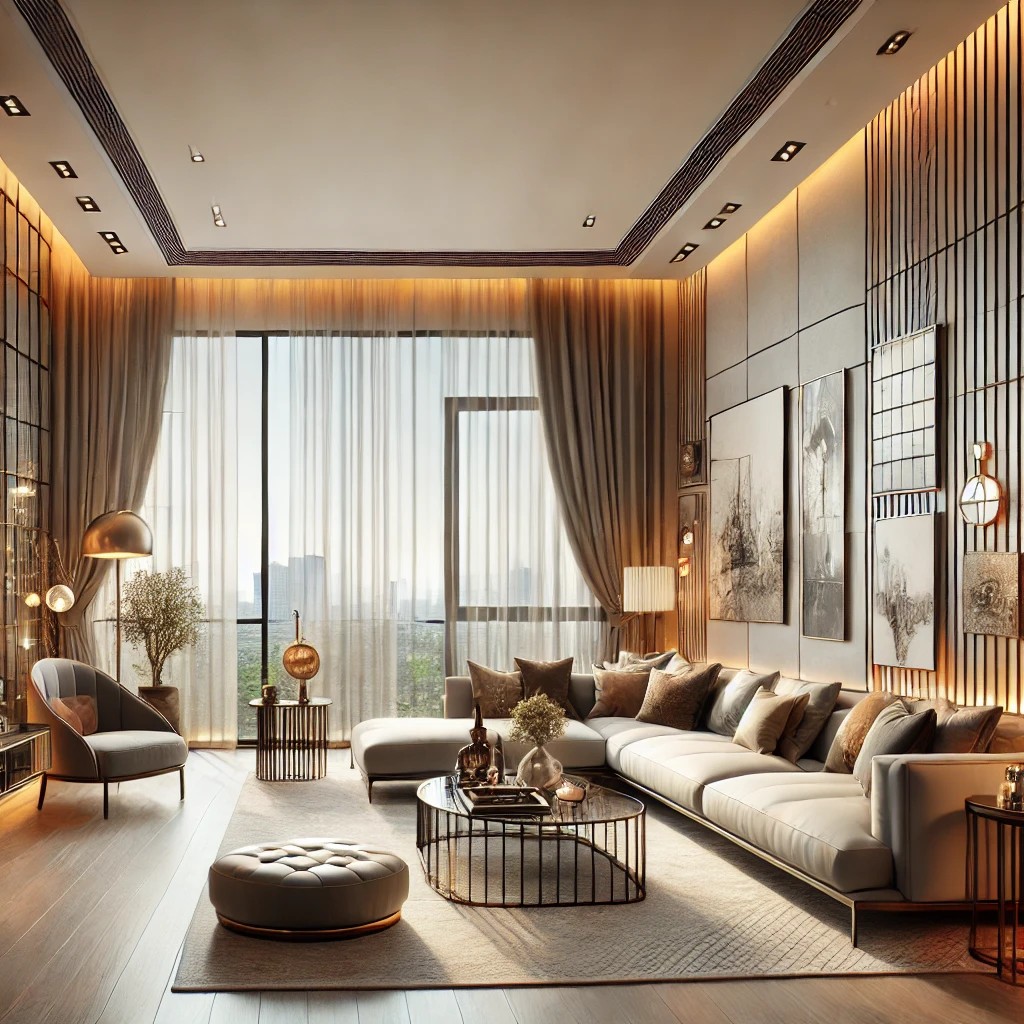
Achieving a cohesive design across open spaces involves careful selection of colors, materials, and finishes. Discover how to create visual continuity between the living and kitchen areas through a harmonious color palette, complementary materials, and shared design elements. Explore the use of statement pieces that tie the two spaces together without sacrificing their unique identities.
Section 5: Flexible Furniture and Multifunctional Design
Flexibility is key in open-concept living, especially when it comes to furniture and design elements. I’ll guide you through the selection of flexible furniture pieces that serve multiple purposes, allowing your space to adapt to various activities and gatherings. Explore the concept of multifunctional design, from sliding doors to convertible furniture, enhancing the versatility of your home.
Section 6: Maximizing Natural Light and Views
Open-concept spaces offer the opportunity to maximize natural light and showcase breathtaking views. Learn how to strategically position windows and glass doors to invite sunlight into your home. Discover the importance of creating focal points that draw the eye towards stunning vistas, connecting the interior with the surrounding environment.
Conclusion:
As we conclude our exploration of open-concept living and kitchen spaces, I hope you feel inspired to embark on a design journey that transcends traditional boundaries. By seamlessly integrating these areas, you create not just a home but a dynamic living experience. Embrace the fluidity of modern living, where the kitchen is a stage for culinary creativity and the living space is a canvas for shared moments and connection. Welcome to a world where open-concept design transforms your home into a harmonious, multifunctional haven.