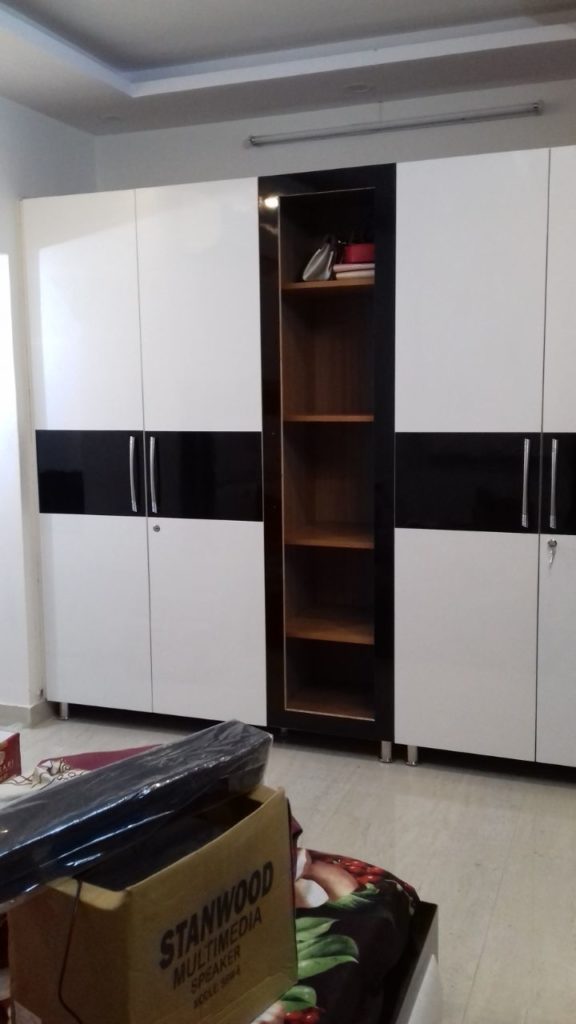
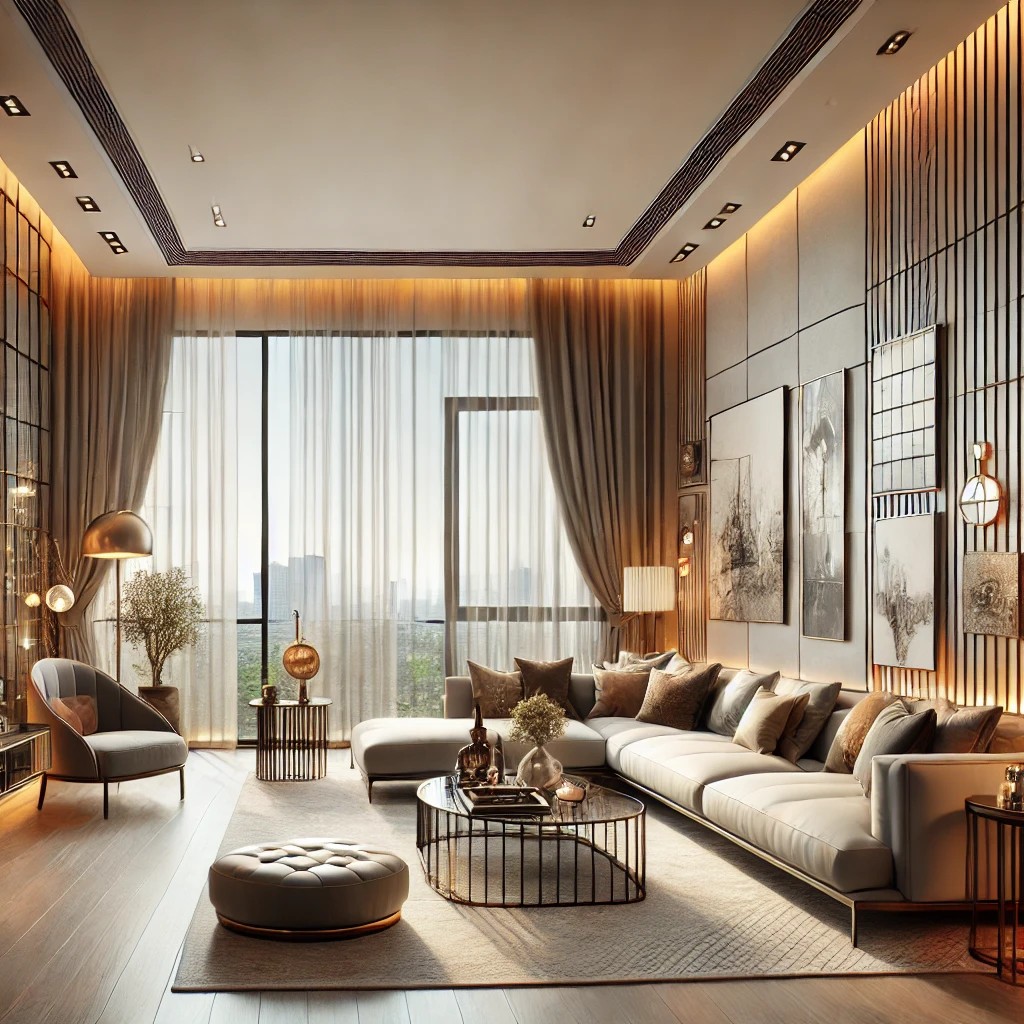
When heavy rains and high humidity set in, your wardrobe’s design and placement play a critical role in keeping it durable, clean, and mold-free. For homes in Delhi NCR, Noida, and Gurgaon, where monsoon dampness is common, smart planning ensures your wardrobe stays in top condition year after year.
Pros & Cons of Wardrobe Placement During Monsoons
| Placement / Design Choice | Pros | Cons |
|---|---|---|
| Against Internal Walls | Lower moisture exposure, safer from seepage | May limit natural light flow if placed near windows |
| Against External Walls | Maximizes room layout flexibility | High risk of damp patches, mold, and warping during rains |
| Elevated Wardrobe Base (Loft or Legs) | Prevents water damage in case of seepage | Slightly reduces usable vertical space |
| Ventilated Designs (with air gaps or vents) | Reduces odor, keeps clothes fresh | May need additional dust control measures |
| Integrated LED Lighting | Keeps interiors bright and moisture visible | Adds to electricity use and cost |
Quick Tips to Monsoon-Proof Your Wardrobe
- Opt for marine ply, aluminum frames, or PVC laminates for moisture resistance.
- Place wardrobes away from damp-prone external walls, if possible.
- Add silica gel sachets or moisture absorbers inside shelves.
- Ensure proper room ventilation to cut down condensation.
- Regularly wipe and air out clothes during humid weeks.
Expert Note
For compact apartments in Noida, modular wardrobes with raised bases are a safe bet. In luxury Gurgaon homes, built-in wardrobes with ventilation panels ensure long-term freshness. For all of Delhi NCR, interior experts recommend keeping wardrobes slightly off external walls to avoid seepage damage.
For more ideas, check Interior Design Solutions in Delhi NCR or consult an Interior Design Expert in Delhi NCR for tailored wardrobe placement strategies.