Minimalist interior design / modern interior design focuses on clarity, function, and timeless aesthetics. Both styles prioritize simplicity and purpose, creating interiors that feel calm, organized, and visually balanced rather than decorative or excessive.


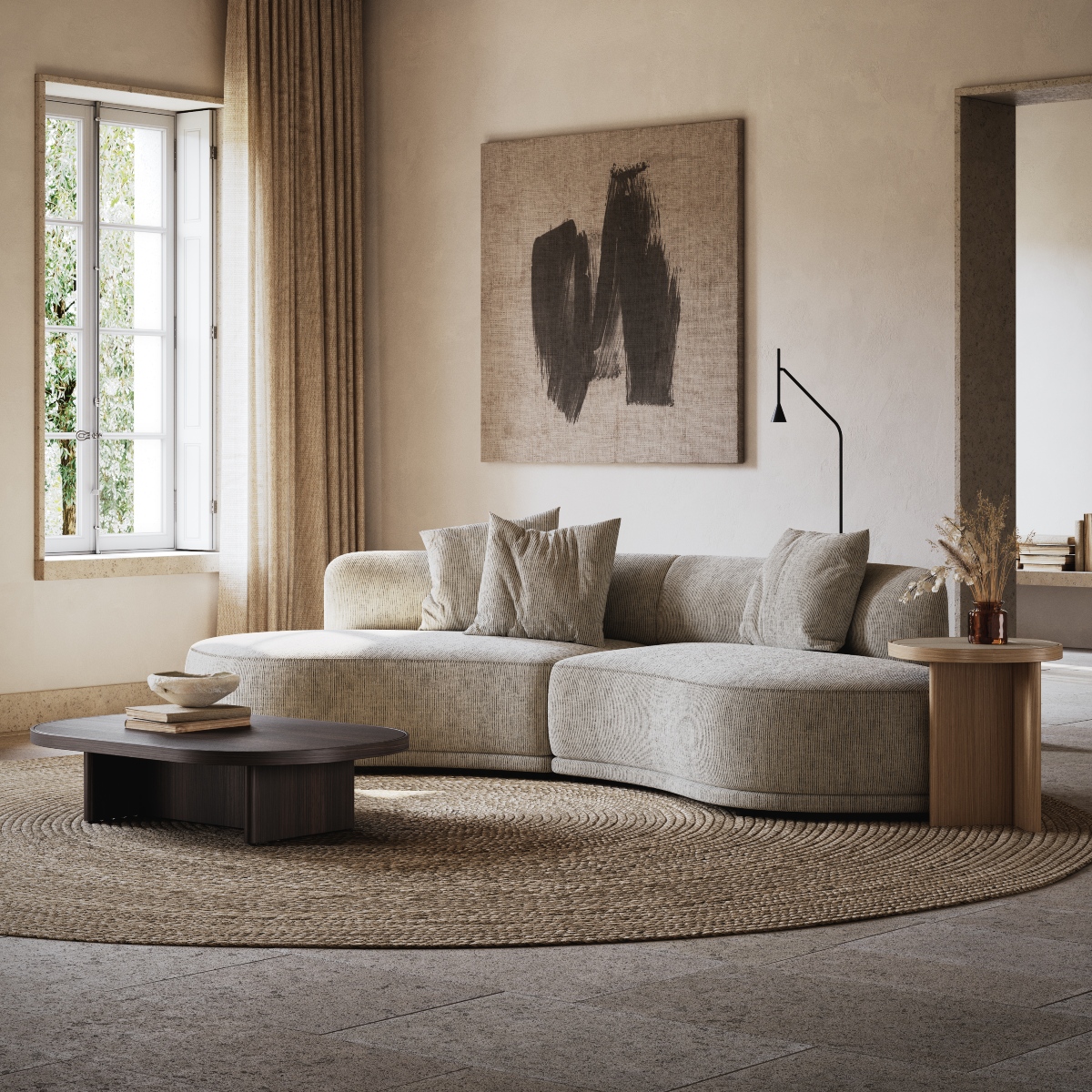
What Is Minimalist Interior Design
Minimalist interior design is based on the principle of “less but better.” It removes unnecessary elements and focuses only on what adds value to the space.
Key characteristics:
- Clean lines and uncluttered layouts
- Limited color palettes
- Functional furniture with simple forms
- Emphasis on space, light, and proportion
Minimalist interiors feel calm, intentional, and visually light.
What Defines Modern Interior Design
Modern interior design originates from modernist architecture and emphasizes function, structure, and material honesty.
Core features:
- Straight lines and geometric forms
- Open-plan layouts
- Neutral colors with subtle contrast
- Use of modern materials like glass, metal, and wood
Modern interiors are structured, efficient, and timeless.
Minimalist vs Modern Interior Design
While closely related, there are subtle differences.
Minimalist interior design:
- Focuses on extreme simplicity
- Uses fewer decorative elements
- Prioritizes negative space
Modern interior design:
- Allows slightly more visual detail
- Uses contrast and textures more freely
- Balances aesthetics with comfort
Many homes today blend both approaches seamlessly.
Color Palette and Materials
Both styles rely on restrained palettes and quality materials.
Common choices:
- Whites, greys, beige, and soft neutrals
- Natural wood for warmth
- Matte finishes over glossy surfaces
- Textured materials used subtly
These elements prevent spaces from feeling cold or sterile.
Furniture and Layout
Furniture selection supports both function and visual clarity.
Typical features:
- Low-profile, clean-lined furniture
- Built-in storage to reduce clutter
- Multifunctional pieces for flexibility
- Thoughtful spacing between elements
Layouts are open, practical, and easy to navigate.
Lighting in Minimalist and Modern Interiors
Lighting enhances form and mood rather than decoration.
Key lighting elements:
- Large windows for natural light
- Recessed or concealed lighting
- Simple, sculptural light fixtures
- Warm lighting temperatures for comfort
Good lighting keeps minimal spaces inviting.
Summary
Minimalist interior design strips spaces down to their essentials, while modern interior design balances simplicity with subtle sophistication. Together, they create interiors that are clean, functional, and timeless. This blended approach suits contemporary lifestyles by offering calm, flexibility, and long-lasting visual appeal without unnecessary complexity.