


Minimalist home decor is about creating clarity without sacrificing warmth. It removes excess visual noise while keeping spaces livable and inviting. A minimalist home feels open, organized, and emotionally calm.
Across apartments and homes in Gurgaon, Noida, and Delhi NCR, minimalist interiors are used to make rooms feel larger, brighter, and more peaceful.
This guide explains practical principles that define successful minimalist decor.
What Defines Minimalist Decor?
Minimalism is intentional editing.
Design philosophies influenced by Bauhaus emphasize that beauty comes from function and simplicity.
Core foundations:
- Purposeful objects
- Neutral palette
- Clean silhouettes
- Hidden storage
- Negative space
- Controlled accents
Minimalism is structured calm.
Use a Soft Neutral Palette


Neutral colours expand perception and quiet the room.
Best tones:
- Warm white
- Beige
- Pale grey
- Soft earth tones
- Light wood
Colour should feel cohesive.
Choose Furniture with Clean Lines
Heavy shapes crowd minimalist spaces.
Look for:
- Slim silhouettes
- Raised legs
- Open bases
- Low profiles
- Simple geometry
Visual air increases spaciousness.
Hide Clutter with Closed Storage

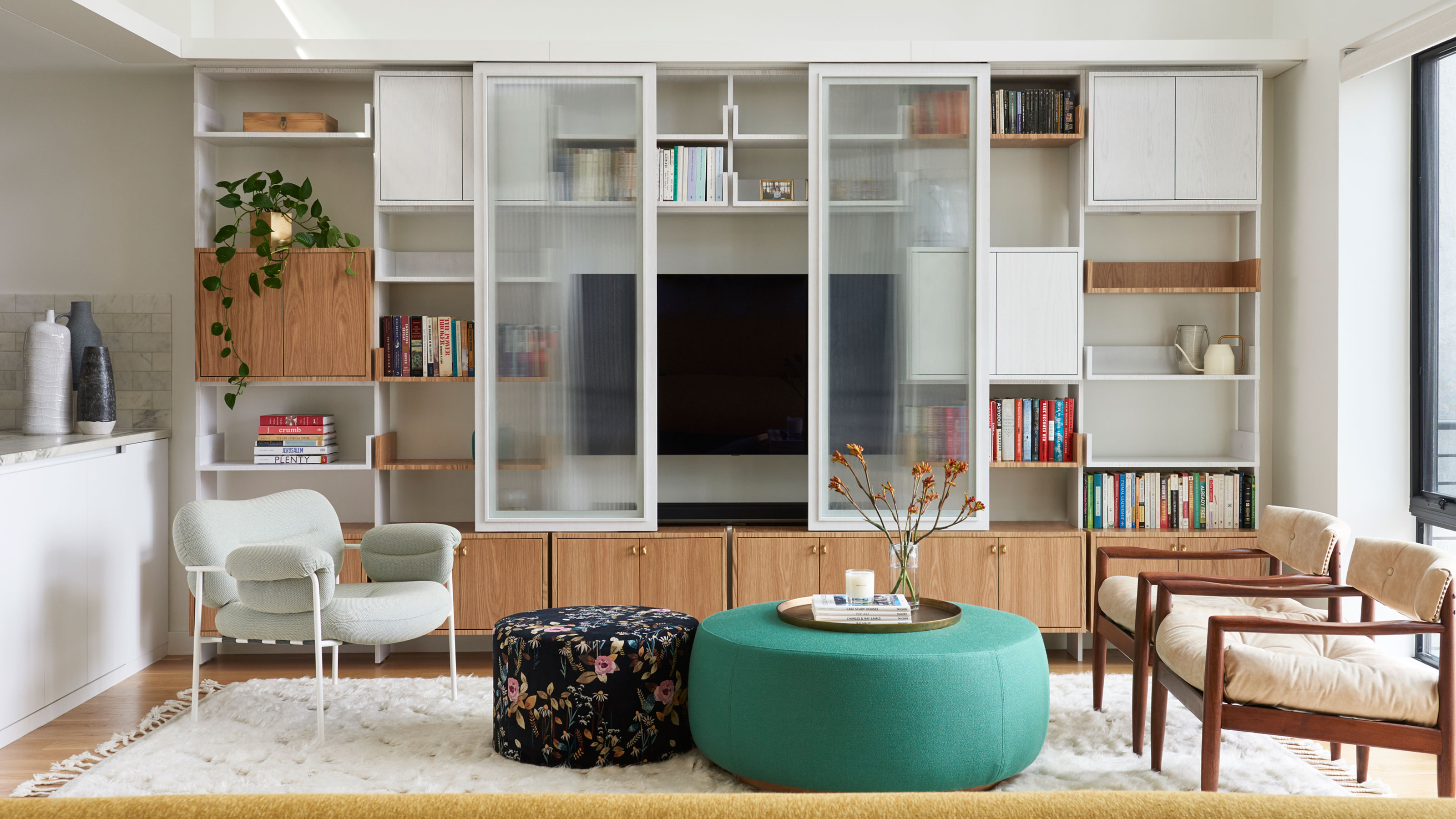
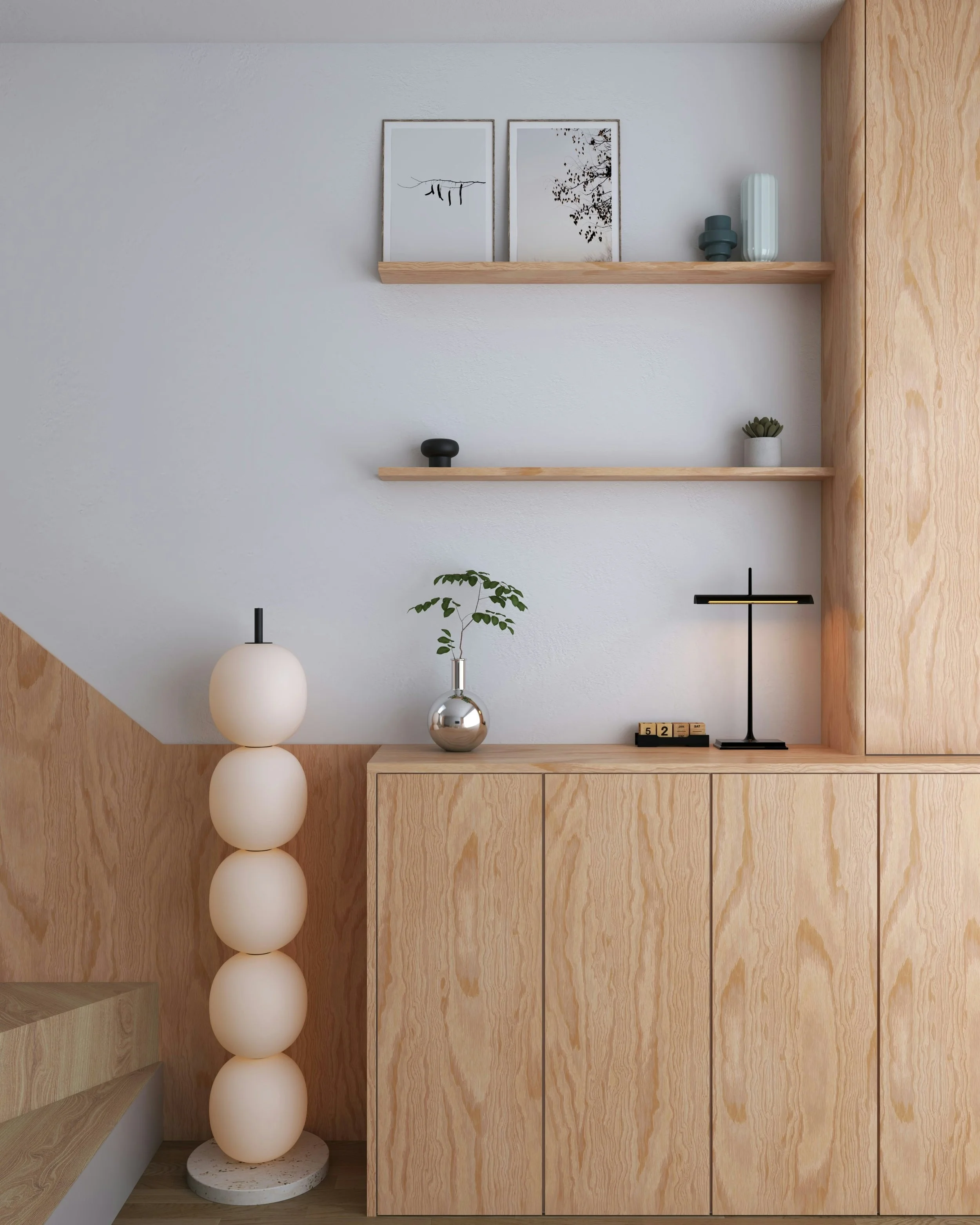
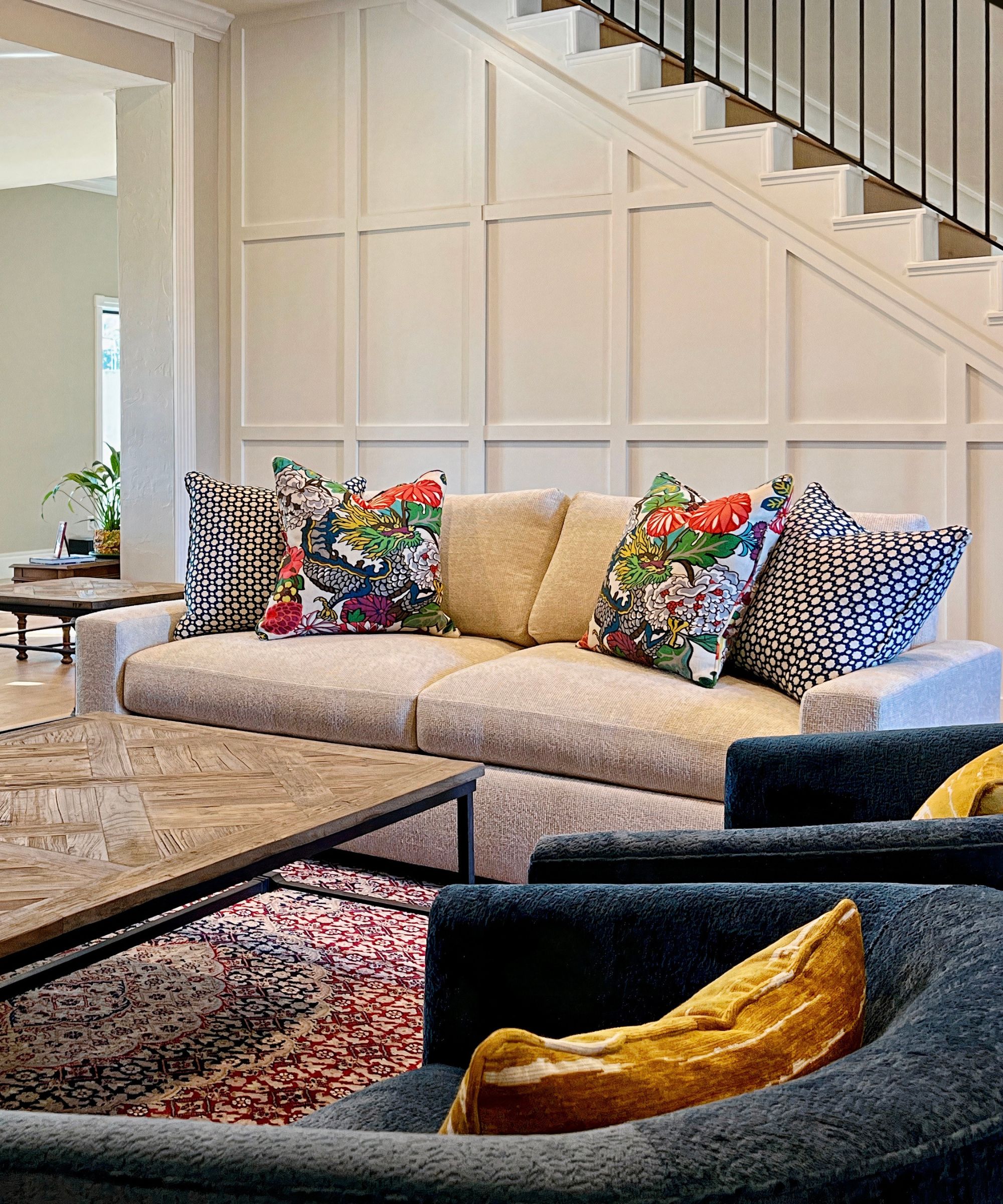
Minimalism depends on organization.
Use:
- Built-in cabinets
- Storage ottomans
- Closed shelving
- Hidden drawers
- Under-bed storage
Surfaces should stay clear.
Decorate Sparingly but Meaningfully
Minimal decor should feel personal.
Add:
- One large artwork
- One plant
- One sculptural object
- Neutral textiles
- Meaningful keepsake
Quality replaces quantity.
Maximize Natural Light
Light defines minimalist interiors.
Strategies:
- Sheer curtains
- Mirrors opposite windows
- Light wall finishes
- Open sightlines
- Gloss accents
Brightness expands rooms.
Keep Surfaces Mostly Empty
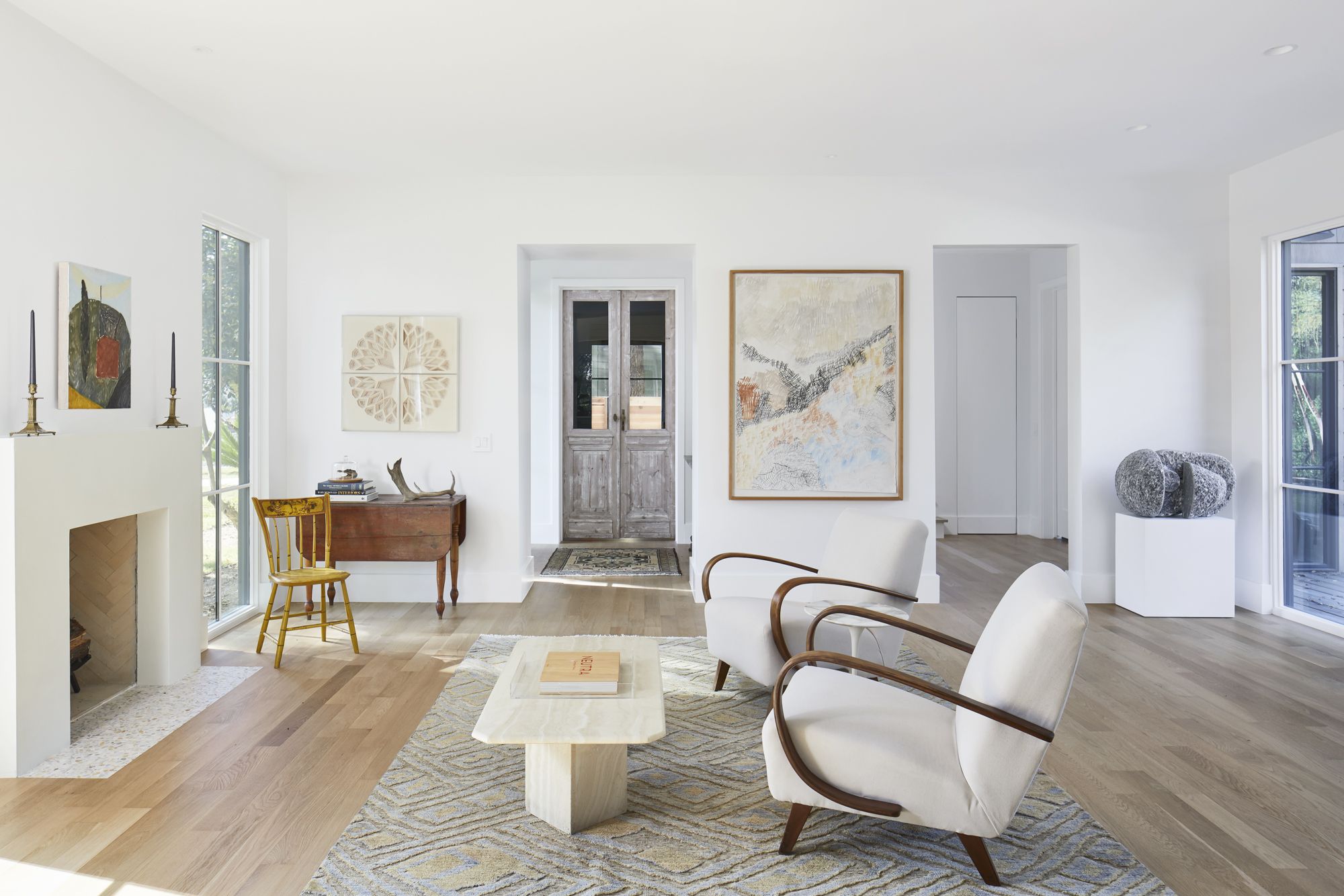
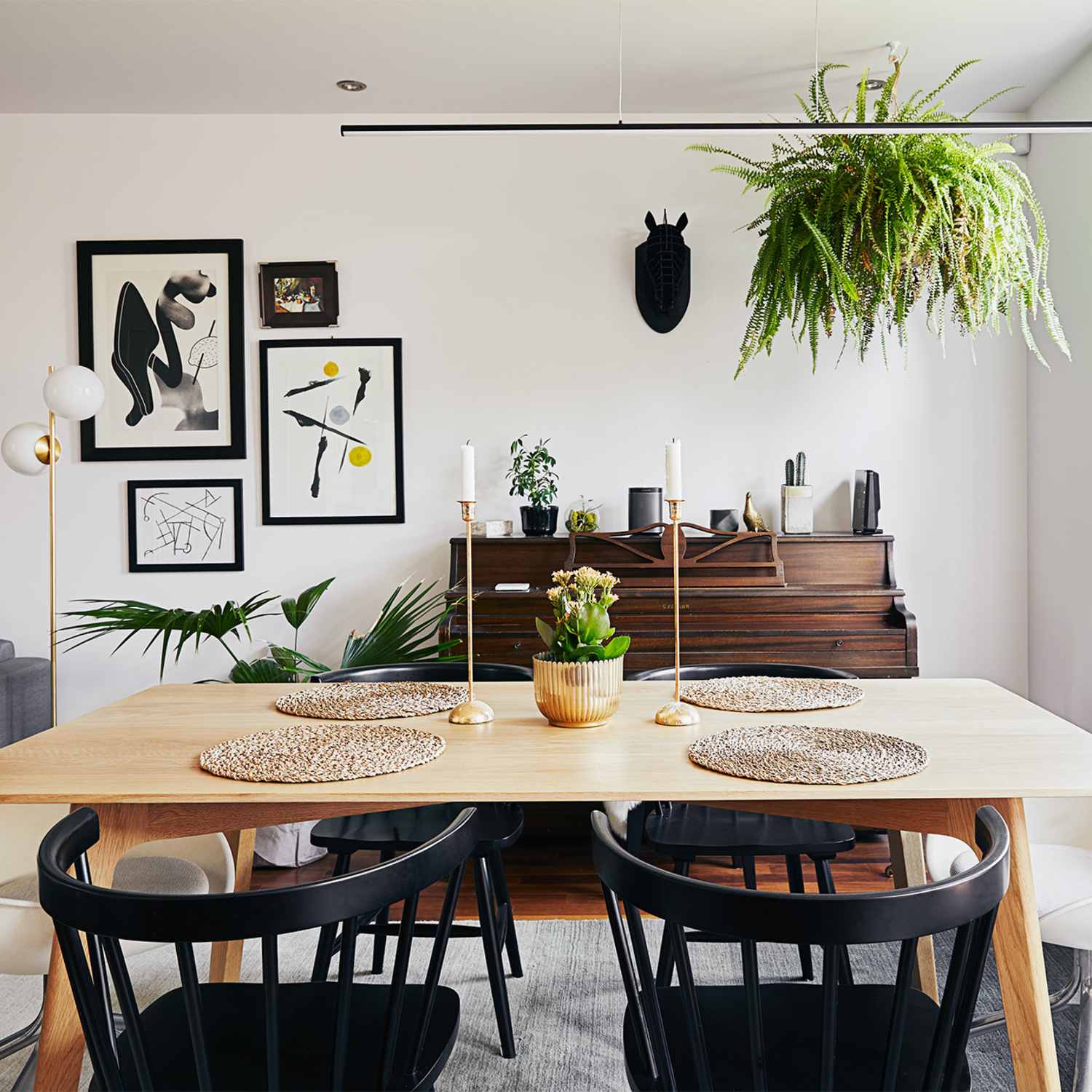

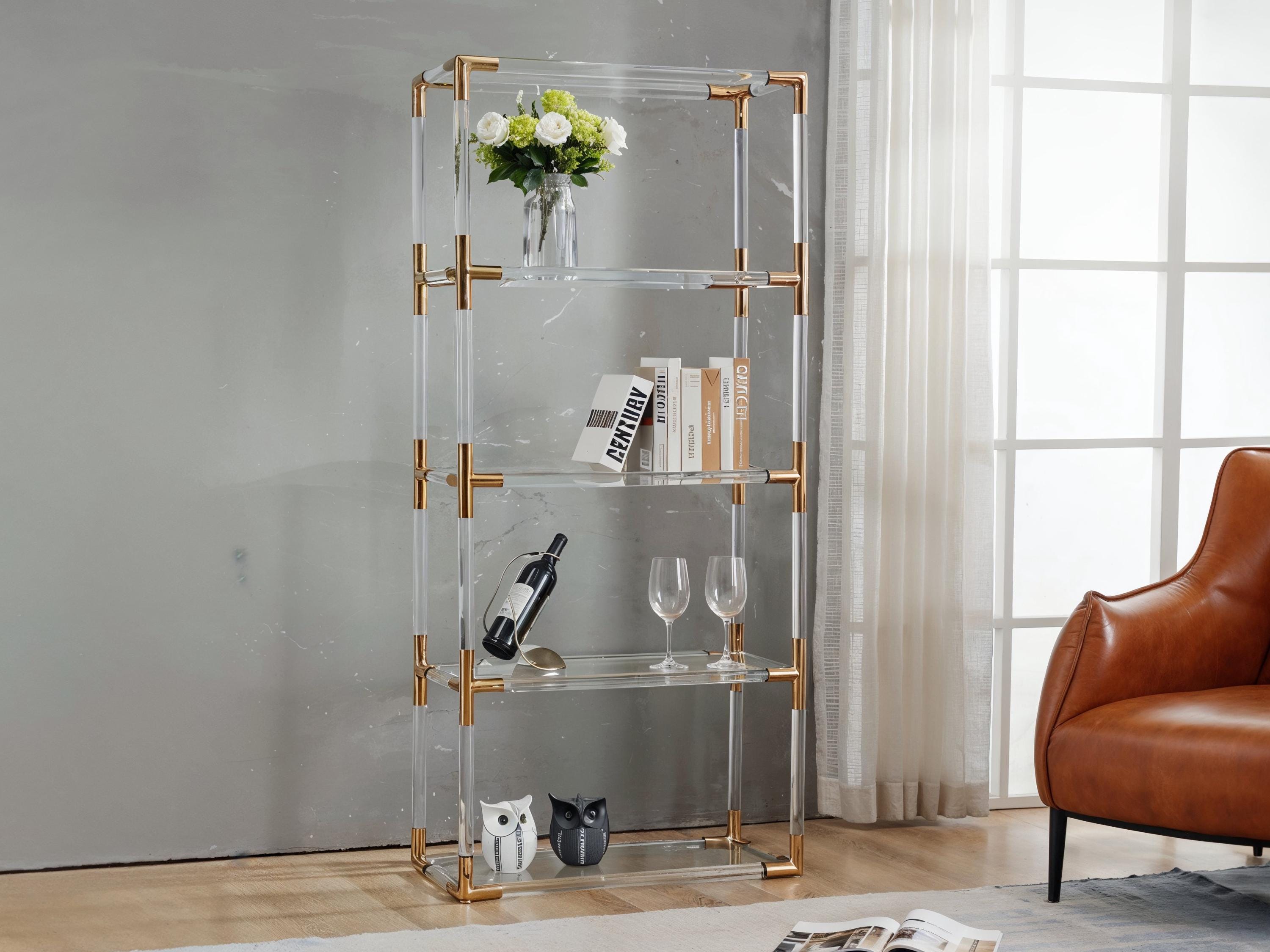
Clear surfaces reduce stress.
Display only:
- Essentials
- One accent object
- Organized groupings
Negative space is luxury.
Use Texture Instead of Color
Texture adds warmth quietly.
Combine:
- Linen
- Wool
- Natural wood
- Matte ceramics
- Soft upholstery
Texture replaces decoration.
One Focal Point Per Room
Too many accents create noise.
Choose:
- Statement art
- Sculptural light
- Textured wall
- Unique furniture piece
One anchor is enough.
Maintain Visual Flow
Consistent materials create calm.
Repeat:
- Wood tones
- Fabrics
- Metals
- Accent colour
Harmony prevents cluttered visuals.
Add One Organic Element
Plants soften minimalist interiors.
Choose:
- Single large plant
- Small greenery
- Natural branches
- Ceramic planter
Nature adds warmth.
Avoid Common Minimalist Mistakes
Do not:
- Overdecorate shelves
- Use too many colours
- Leave clutter visible
- Choose bulky furniture
- Add harsh lighting
- Confuse minimal with cold
Warm minimalism feels lived in.
Benefits of Minimalist Home Decor
Strong minimalist design provides:
- Visual calm
- Larger perceived space
- Easy maintenance
- Mental clarity
- Cohesion
- Timeless style
Minimalism supports wellbeing.
Summary
Minimalist home decor succeeds through editing, neutral palettes, hidden storage, and purposeful decoration. Clean lines and soft textures create interiors that feel calm and expansive. Whether styling a compact Noida apartment or a Gurgaon home, the principles remain universal: clarity, light, and intention.
Minimalist decor is not about having less.
It is about choosing better.