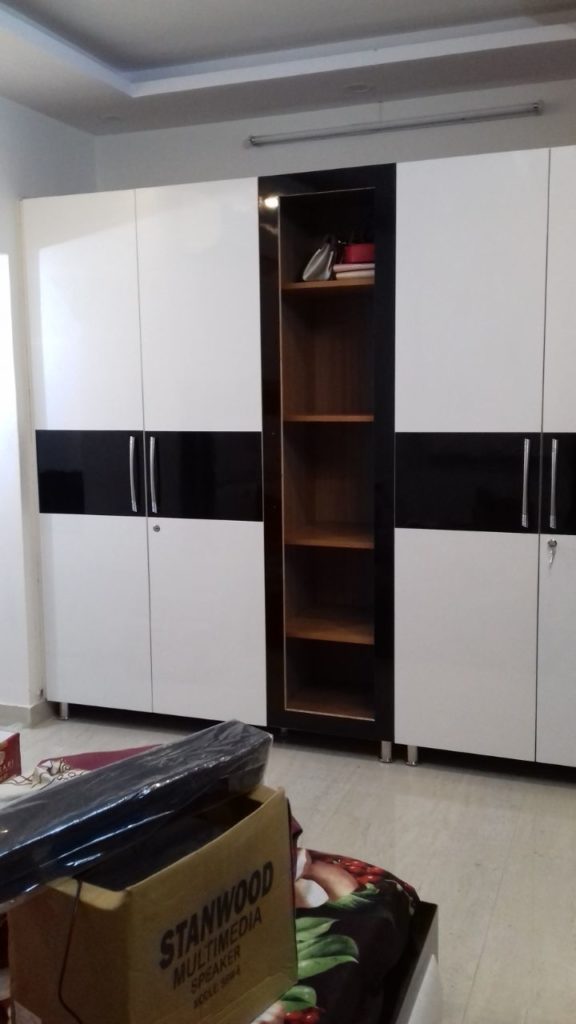
Introduction: In the hustle and bustle of our daily lives, it’s easy for our closets to become a chaotic and cluttered mess. A disorganized wardrobe not only makes it challenging to find the perfect outfit but can also add unnecessary stress to our mornings. Fear not, as mastering the art of closet organization is within reach. With a few simple tips and tricks, you can transform your closet into a haven of order and efficiency. Let’s delve into some expert advice on achieving a clutter-free wardrobe.
- Declutter First: Before embarking on the journey to organize your closet, it’s crucial to declutter. Begin by taking everything out of your closet and carefully assessing each item. Ask yourself whether you’ve worn it in the past year, if it fits, and if it brings you joy. Be ruthless in letting go of items that no longer serve a purpose in your life. Donate or sell clothes that are in good condition but no longer have a place in your wardrobe.
- Categorize and Prioritize: Once you’ve streamlined your wardrobe, categorize your clothing into sections. Group similar items together, such as shirts, pants, dresses, and accessories. Within these categories, prioritize your most frequently worn items, placing them at eye level for easy access. Seasonal items or occasional wear can be stored on higher or lower shelves.
- Invest in Quality Hangers: Upgrade your hangers to sturdy and uniform ones. Invest in slim, non-slip hangers to maximize hanging space and prevent clothes from slipping off. Matching hangers create a visually appealing and cohesive look, enhancing the overall aesthetic of your closet. Consider using velvet or wooden hangers for delicate fabrics to prevent stretching and damage.
- Utilize Vertical Space: Make the most of your closet’s vertical space by installing shelves or hanging organizers. Utilize the top shelves for items like hats, bags, or out-of-season clothing. Incorporating a shoe rack or hanging shoe organizer can free up valuable floor space and keep your footwear easily accessible.
- Implement Storage Solutions: For smaller items like accessories, underwear, and socks, use storage solutions such as drawer dividers, bins, or baskets. This prevents these items from getting lost or tangled, ensuring that every piece has its designated place. Clear containers are especially useful for quickly identifying the contents without rummaging through.
- Adopt a Capsule Wardrobe Approach: Consider adopting a capsule wardrobe approach by curating a collection of versatile, timeless pieces that can be mixed and matched effortlessly. This not only simplifies your daily decision-making but also reduces the overall number of items in your closet, promoting a minimalist and clutter-free space.
- Regularly Edit and Maintain: Maintaining a clutter-free wardrobe is an ongoing process. Regularly assess your clothing, shoes, and accessories, and edit your collection as needed. This prevents the re-accumulation of unnecessary items and ensures that your closet remains an organized and functional space.
Conclusion: A clutter-free wardrobe is not just aesthetically pleasing; it also streamlines your daily routine and promotes a sense of calm. By decluttering, categorizing, investing in quality storage solutions, and adopting a thoughtful approach to your wardrobe, you can transform your closet into an organized sanctuary. Remember, the key is not just in the initial organization but in the consistent effort to maintain a harmonious and clutter-free space that reflects your personal style and brings joy to your daily life.