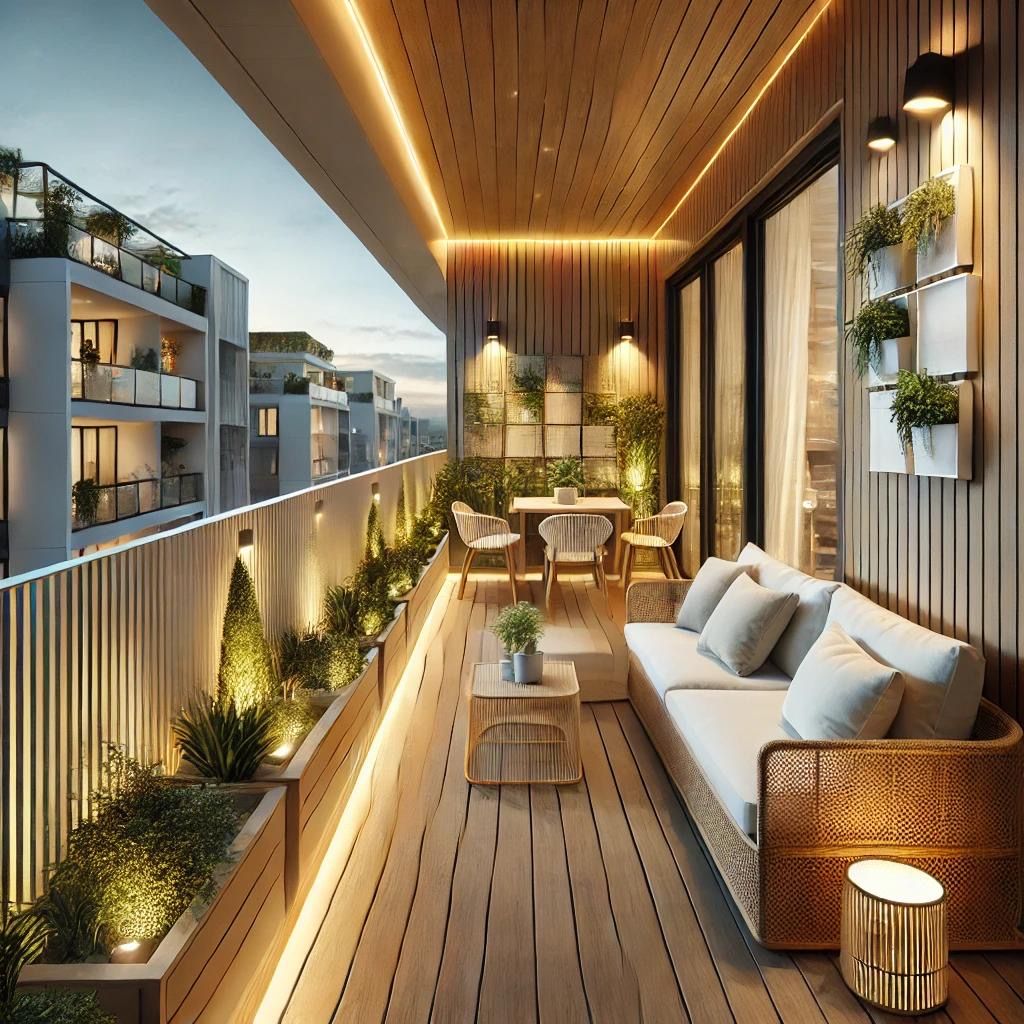
Luxury commercial interior designing involves creating high-end, aesthetically pleasing, and functional spaces for businesses in various industries. Whether it’s a retail store, restaurant, office, or other commercial space, the goal is to deliver a luxurious and sophisticated environment that aligns with the brand image and enhances the overall customer or client experience. Here are key considerations for luxury commercial interior designing:
- Understanding the Brand:
- Begin by thoroughly understanding the brand identity, values, and target audience of the business. The design should reflect and enhance the brand image.
- Concept Development:
- Develop a unique and cohesive design concept that sets the tone for the luxury experience. Consider the overall theme, color palette, and design elements that convey luxury.
- High-Quality Materials:
- Use premium and high-quality materials for flooring, finishes, furniture, and fixtures. Incorporate materials such as marble, granite, glass, leather, and custom-crafted elements to elevate the space.
- Custom Furnishings:
- Invest in custom-designed and bespoke furnishings to create a unique and exclusive atmosphere. Tailor-made furniture and fixtures add a sense of luxury and sophistication.
- Fine Art and Decor:
- Integrate fine art, sculptures, or bespoke decor elements that complement the overall design. These elements can serve as focal points and contribute to the luxurious ambiance.
- Architectural Details:
- Pay attention to architectural details such as moldings, trim, and ceiling designs. Incorporate intricate detailing that adds a sense of opulence to the space.
- Lighting Design:
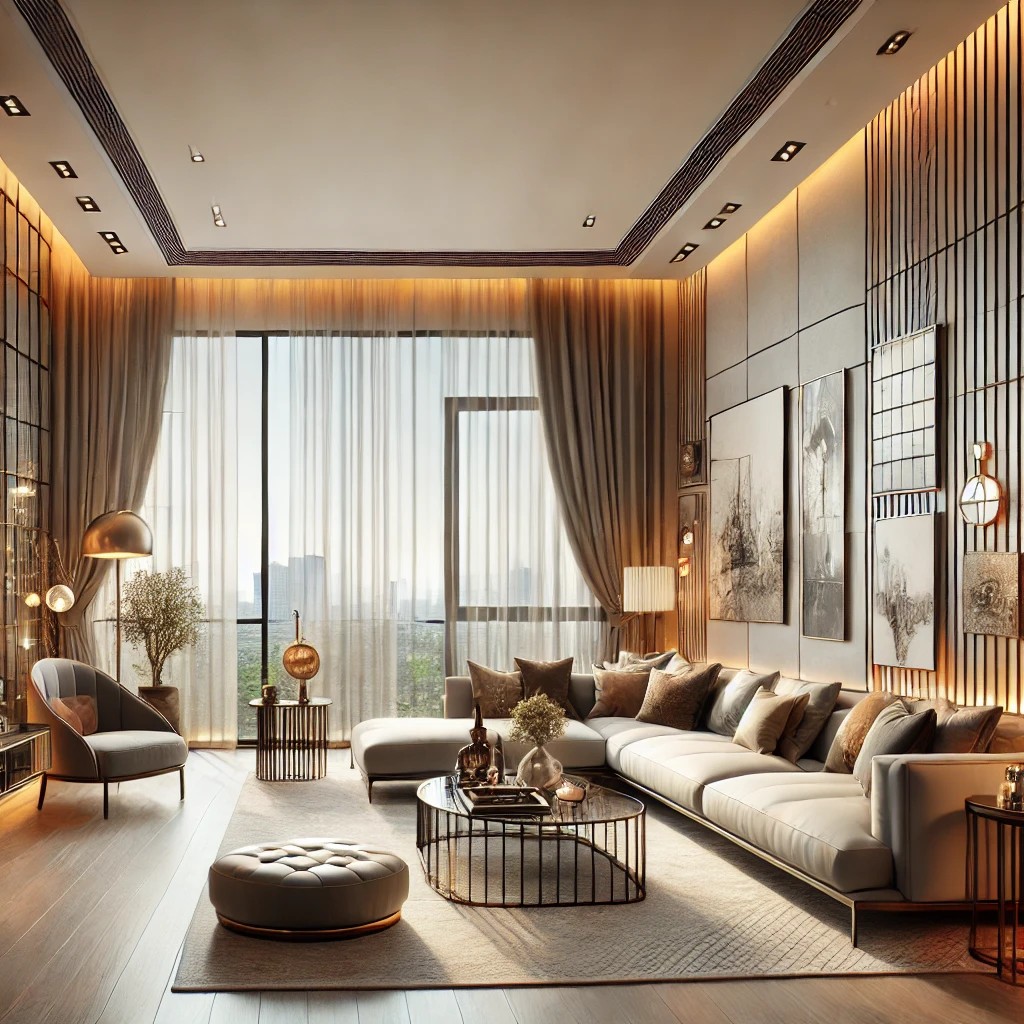
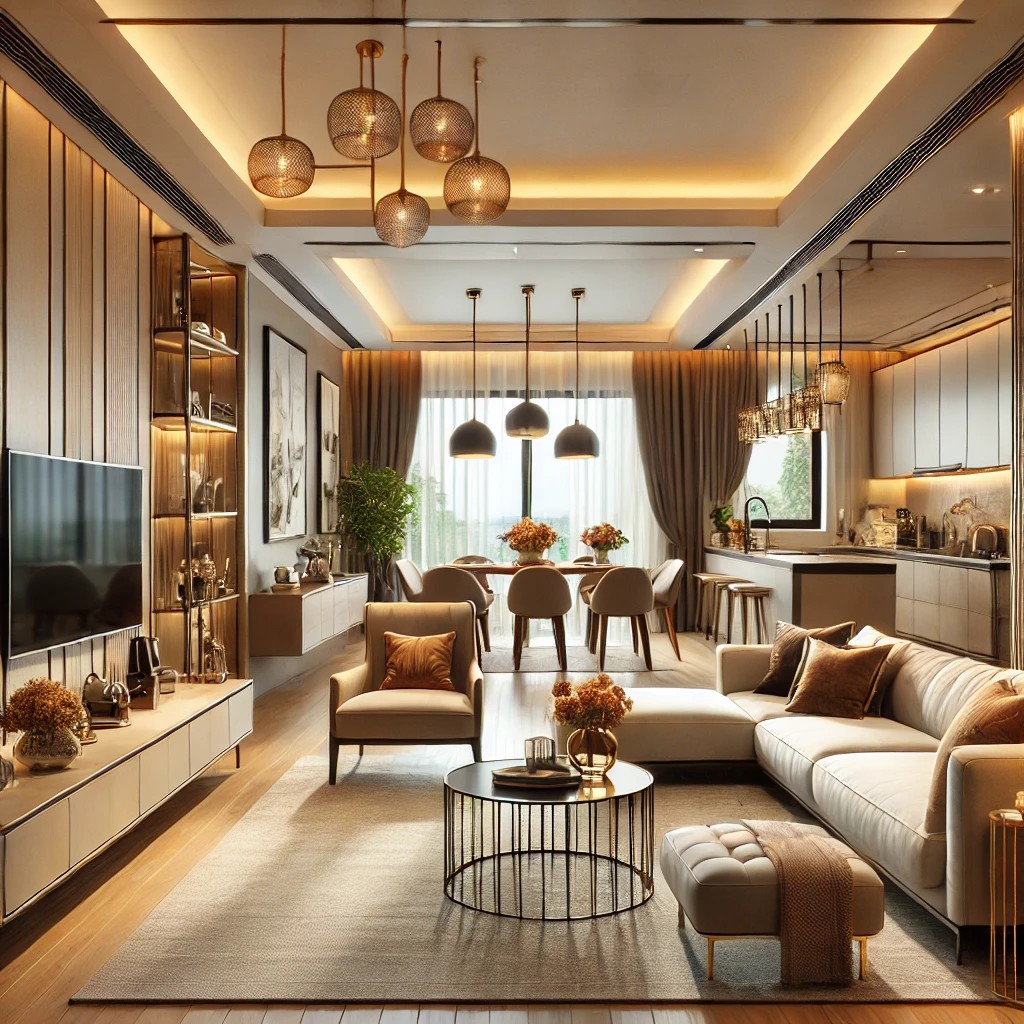
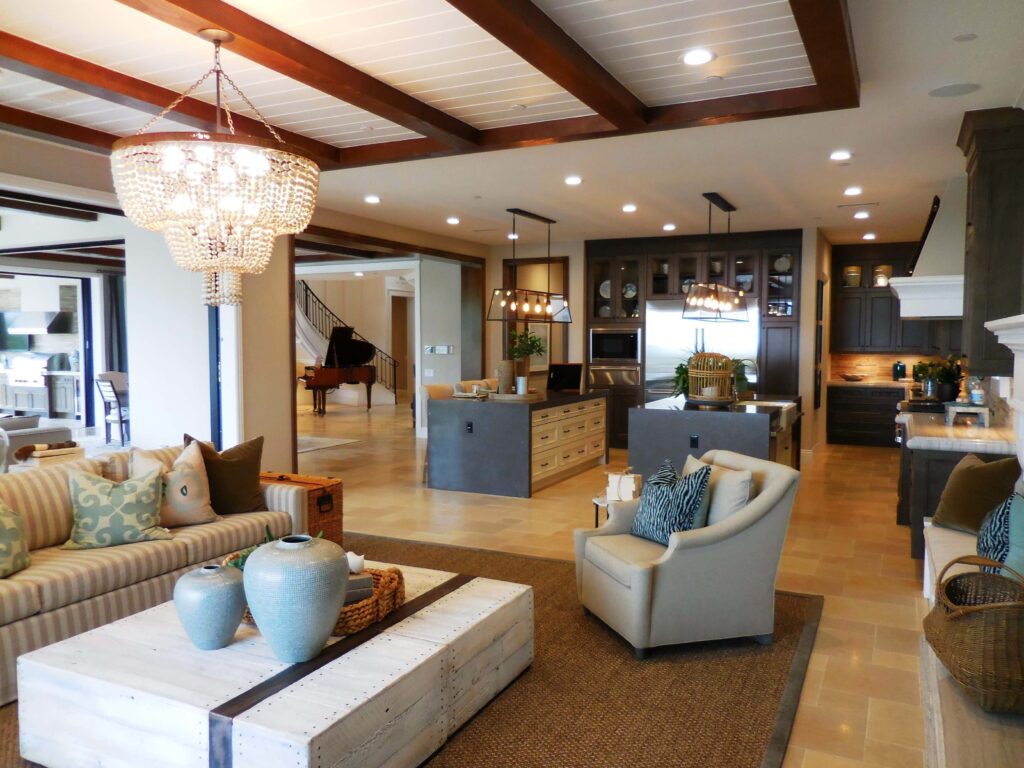
- Implement a sophisticated lighting design that includes ambient, task, and accent lighting. Consider statement chandeliers, pendant lights, or custom lighting fixtures to create visual interest.
- Spatial Planning:
- Optimize the layout for functionality and flow. Ensure that each area within the commercial space serves its purpose while maintaining an open and spacious feel.
- Luxury Textiles:
- Choose luxurious textiles for upholstery, drapery, and bedding. Fabrics like silk, velvet, and high-quality wool add a tactile and luxurious element to the design.
- Tech Integration:
- Integrate state-of-the-art technology seamlessly into the design. Conceal audio-visual equipment, use smart automation for lighting and climate control, and incorporate interactive displays if applicable.
- Privacy and Exclusivity:
- Design private and exclusive spaces within the commercial property, catering to clients or customers who seek a more intimate experience.
- Sustainability:
- Consider incorporating sustainable and eco-friendly design elements. Luxury can be synonymous with responsible choices, and environmentally conscious design can add value to the space.
- Professional Collaboration:
- Work with experienced architects, interior designers, and contractors specializing in luxury commercial projects. Collaboration with professionals ensures attention to detail and a seamless execution.
- Branding Integration:
- Seamlessly integrate branding elements into the interior design. This includes logos, color schemes, and other brand-specific elements that reinforce the business’s identity.
- Client Involvement:
- Involve the client in the design process to ensure that the final result aligns with their vision and preferences. Regular communication is key to a successful luxury interior design project.
Creating a luxury commercial interior requires a combination of artistic vision, attention to detail, and a commitment to quality. It’s essential to create an environment that not only looks impressive but also delivers a memorable and immersive experience for clients or customers.