Chandeliers are decorative lighting fixtures that can add elegance, style, and a focal point to a room. They come in various sizes, styles, and materials, making them suitable for different spaces and design preferences. Here’s a guide to help you understand the different aspects of chandeliers and how to choose the right one for your home:
- Styles:
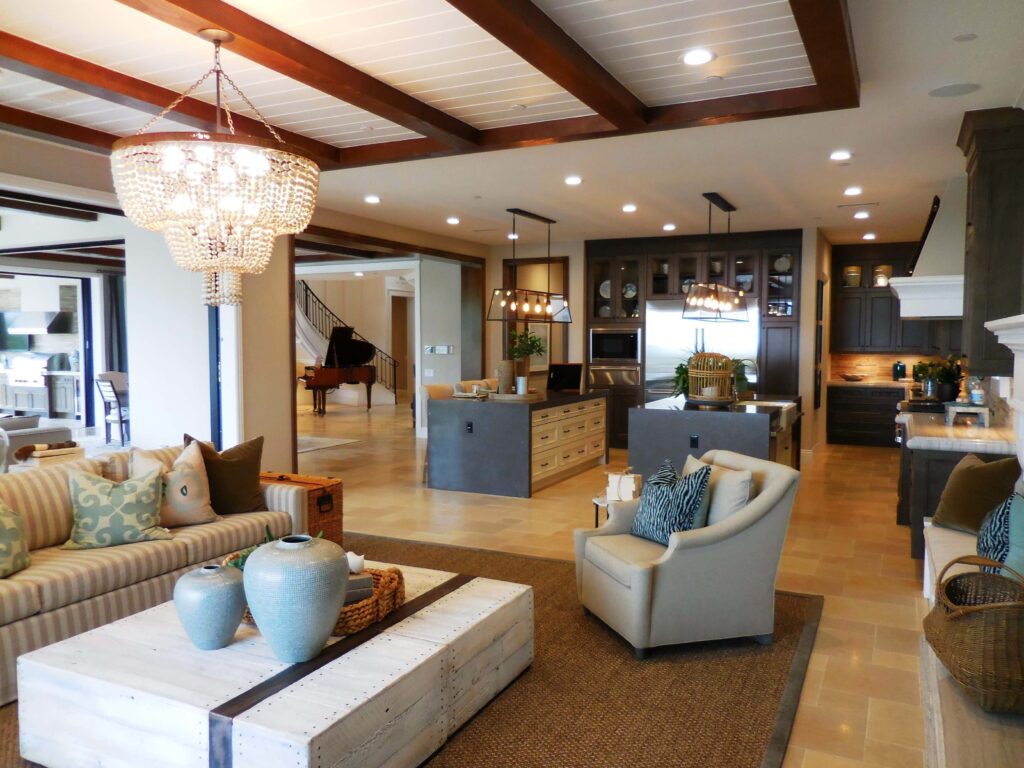
- Crystal Chandeliers: Featuring crystal or glass elements, crystal chandeliers add a touch of luxury and sophistication. They often cast a dazzling array of reflections when illuminated.
- Traditional Chandeliers: Characterized by ornate details, such as candelabra-style arms and decorative elements. They work well in classic or formal settings.
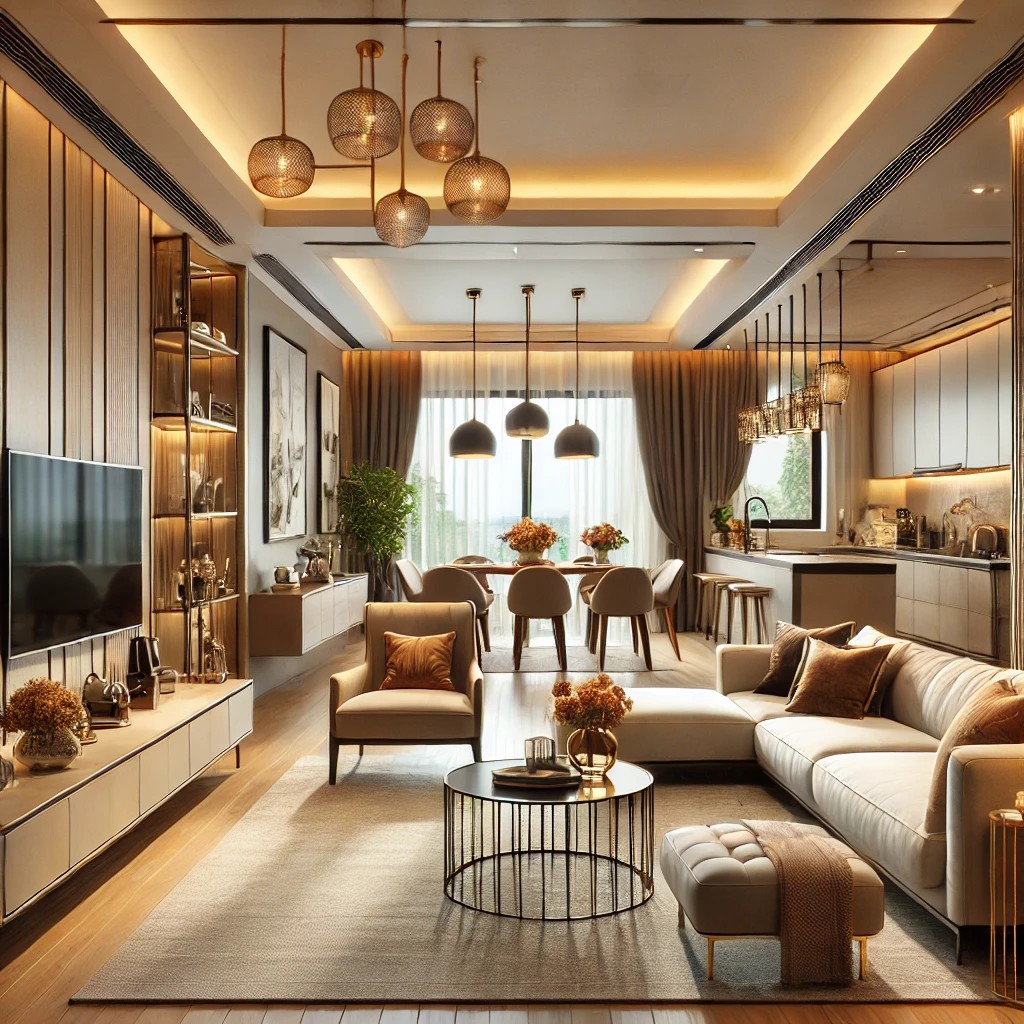
- Modern/Contemporary Chandeliers: Embrace sleek lines, minimalistic design, and innovative materials. They are suitable for contemporary and modern interior styles.
- Rustic/Farmhouse Chandeliers: Incorporate natural materials like wood and metal, often with a more relaxed and casual design. Ideal for rustic or farmhouse-style interiors.
- Transitional Chandeliers: Blend elements of both traditional and contemporary styles, offering a versatile option that suits various design aesthetics.
- Size and Scale:
- Consider the size of the room when selecting a chandelier. The fixture should complement the space without overwhelming it.
- For dining rooms, a general guideline is to choose a chandelier with a diameter roughly one-half to two-thirds the width of the dining table.
- In entryways or foyers, consider the height of the ceiling and the overall dimensions of the space.
- Height Placement:
- Hang the chandelier at an appropriate height to ensure it provides adequate illumination without obstructing views.
- In dining rooms, the bottom of the chandelier should typically hang about 30 to 36 inches above the tabletop.
- In entryways, consider the height of the ceiling and whether the chandelier should act as a focal point or blend with the architecture.
- Number of Lights:
- Consider the number of lights or bulbs in the chandelier based on the amount of illumination needed and the size of the room.
- Some chandeliers have multiple tiers with varying numbers of lights.
- Finish and Material:
- Chandeliers are available in a variety of materials, including metal, wood, glass, and crystal.
- The finish of the chandelier should complement the overall color scheme and design of the room.
- Bulb Type:
- Consider the type of bulbs the chandelier uses. LED, incandescent, and halogen bulbs are common options.
- Some chandeliers are designed to accommodate specific types of bulbs, while others offer versatility in bulb choice.
- Dimmability:
- Determine whether the chandelier is compatible with dimmer switches if you want the flexibility to adjust the lighting intensity.
- Installation:
- Ensure that the chandelier can be safely and securely installed in your chosen location.
- Professional installation may be necessary for larger or more complex fixtures.
- Budget:
- Chandeliers come in a wide range of price points. Establish a budget and look for options that meet both your design preferences and financial considerations.
Chandeliers can serve as statement pieces, adding character and ambiance to various spaces within your home. By considering the style, size, placement, and other factors, you can choose a chandelier that enhances the overall aesthetic of your interior design.