Interior furniture plays a crucial role in defining the style, functionality, and comfort of a space. Whether you’re furnishing a home, office, or any other interior environment, choosing the right furniture is essential. Here’s a breakdown of key considerations and popular types of interior furniture:
Key Considerations:
- Functionality:
- Consider the intended use of the space. Furniture should fulfill functional requirements, whether it’s providing seating, storage, work surfaces, or specific equipment.
- Style and Aesthetics:
- Determine the design style that suits the overall theme of your space. Styles can range from contemporary and minimalist to traditional or eclectic. Consistency in style creates a cohesive and visually pleasing environment.
- Comfort:
- Comfort is crucial, especially for furniture pieces like sofas, chairs, and beds. Consider the ergonomics, cushioning, and materials to ensure that the furniture is comfortable for its intended use.
- Size and Scale:
- Ensure that the size and scale of the furniture are proportional to the space. Avoid overcrowding or using pieces that are too small for the room, as this can affect the overall balance and functionality.
- Material and Durability:
- Choose materials that suit the function of the furniture and align with your aesthetic preferences. Consider durability, especially for high-traffic areas. Common materials include wood, metal, glass, leather, and upholstery fabrics.
- Versatility:
- Opt for versatile pieces that can adapt to changing needs. Modular and multifunctional furniture is especially useful for maximizing space and flexibility.
- Budget:
- Establish a budget for furniture purchases. Prioritize key pieces and allocate funds accordingly. Keep in mind that investing in quality furniture can lead to longer-lasting and more durable pieces.
Popular Types of Interior Furniture:
- Sofas and Seating:
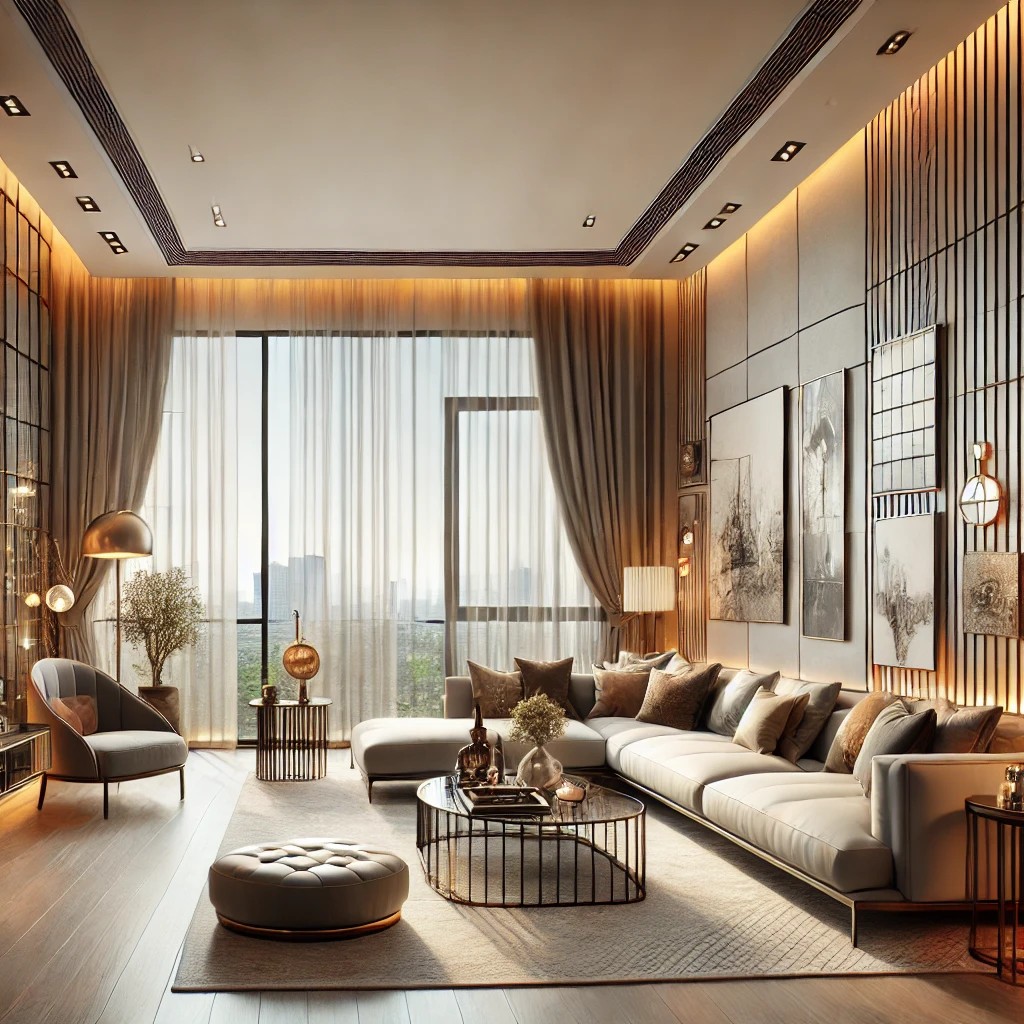
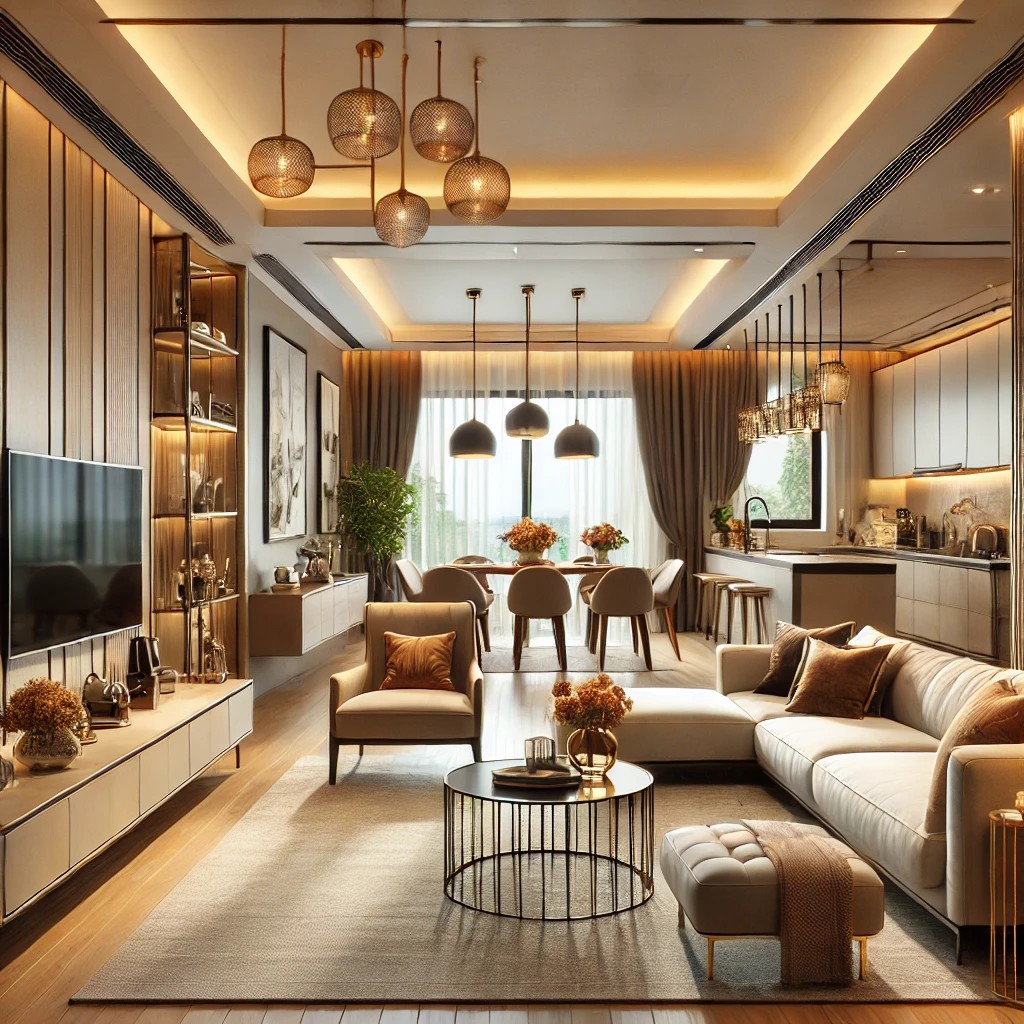
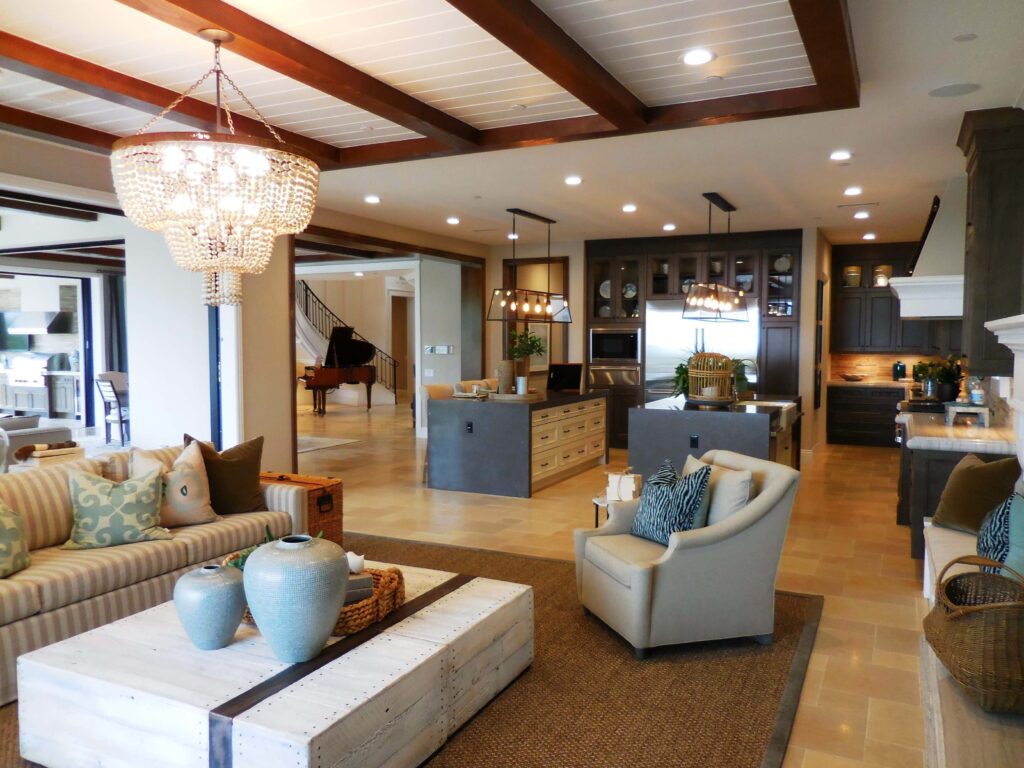
- Sofas, couches, chairs, and other seating options are fundamental for living rooms, lounges, and reception areas. Consider the style, size, and upholstery material based on the room’s purpose.
- Tables:
- Tables come in various types, including dining tables, coffee tables, side tables, and desks. Choose tables that complement the function of the space and match the overall design.
- Storage Furniture:
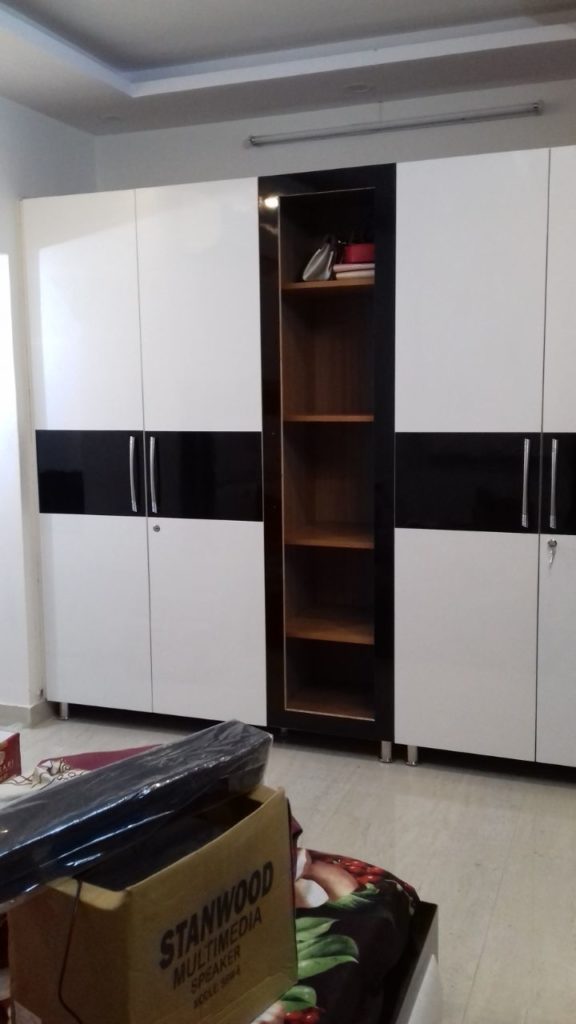
- Cabinets, bookshelves, dressers, and wardrobes provide essential storage. Consider the storage needs of the space and choose furniture that combines functionality with aesthetics.
- Beds and Bedroom Furniture:
- Beds, nightstands, dressers, and wardrobes are essential for bedrooms. Select bedroom furniture that reflects your personal style while ensuring comfort and practicality.
- Office Furniture:
- Desks, office chairs, file cabinets, and shelving are key components of office furniture. Prioritize ergonomic designs for workspaces that promote productivity and well-being.
- Outdoor Furniture:
- Patio sets, outdoor sofas, and dining sets are designed for outdoor spaces. Choose materials that withstand the elements and create a comfortable and inviting outdoor environment.
- Accent Furniture:
- Accent furniture includes pieces like ottomans, benches, and decorative tables. These pieces add flair and personality to a space, serving both functional and aesthetic purposes.
- Kids’ Furniture:
- Specially designed furniture for children includes cribs, bunk beds, and playroom furniture. Safety, durability, and playful designs are key considerations.
Remember that interior furniture is an investment in the overall look and feel of your space. Take your time in selecting pieces that align with your vision and lifestyle while meeting practical needs.