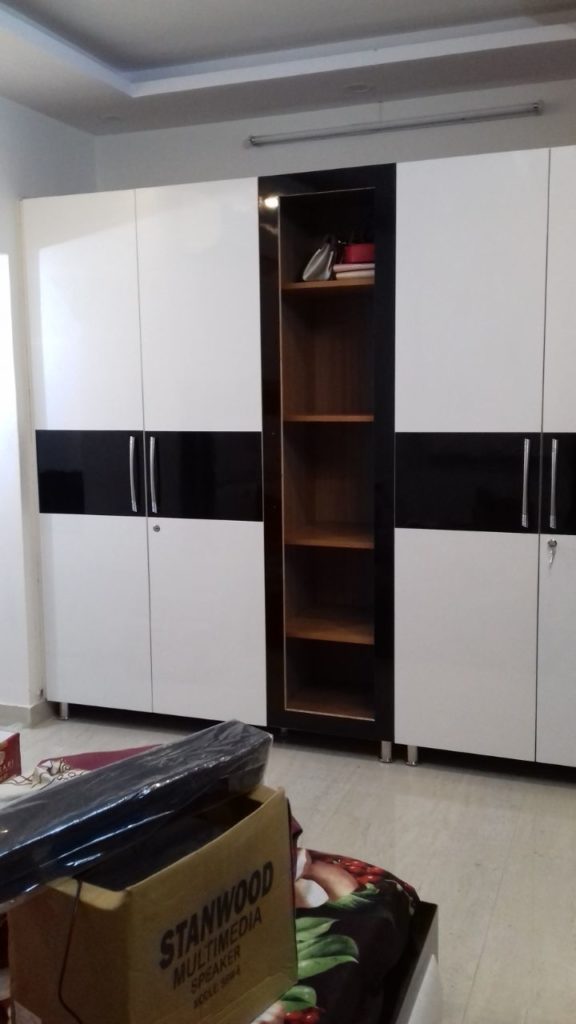
Interior design in practice involves a combination of creative, technical, and project management skills to enhance the functionality and aesthetics of interior spaces. Here is an overview of how interior design is typically implemented:
- Client Consultation:
- The process often begins with a client consultation. Interior designers meet with clients to understand their needs, preferences, lifestyle, and budget. This initial discussion helps in defining the scope of the project.
- Site Assessment:
- Interior designers conduct a thorough assessment of the space they are working on. This includes analyzing the existing architecture, lighting, layout, and any constraints that may affect the design.
- Concept Development:
- Based on the client’s requirements and site assessment, interior designers develop design concepts. This involves creating mood boards, color schemes, and initial design ideas to present to the client for feedback.
- Space Planning:
- The next step is space planning, where designers determine the optimal arrangement of furniture and fixtures to maximize functionality and flow within the space. This includes creating floor plans and layouts.
- Selection of Materials and Finishes:
- Interior designers choose materials, finishes, and color schemes that align with the design concept. This includes selecting flooring, wall coverings, furniture, lighting fixtures, and other elements.
- Furniture and Accessories Selection:
- Designers curate and select furniture, accessories, and decor items that complement the overall design theme and meet the client’s aesthetic preferences.
- 3D Rendering and Visualization:
- Many interior designers use 3D rendering tools to create visualizations of the proposed design. This allows clients to see a realistic representation of how the final space will look.
- Budgeting and Cost Estimation:
- Interior designers work with clients to establish a budget for the project. They provide cost estimates for materials, furnishings, labor, and any other expenses associated with the design and implementation.
- Coordination with Contractors and Suppliers:
- Interior designers often collaborate with contractors, architects, and suppliers to ensure the smooth execution of the design. This includes overseeing construction work, coordinating deliveries, and managing timelines.
- Project Management:
- Project management is a crucial aspect of interior design. Designers need to keep projects on schedule, manage resources effectively, and address any challenges that may arise during the implementation phase.
- Installation and Styling:
- Once the construction and installations are complete, interior designers oversee the final styling and arrangement of furniture and accessories. This involves adding finishing touches to enhance the overall aesthetics.
- Client Walk-Through and Final Approval:
- Designers conduct a final walk-through with the client to ensure that every aspect of the design meets expectations. Any necessary adjustments or refinements are made at this stage.
- Project Completion:
- The project is considered complete when the client is satisfied with the final result. Interior designers may provide guidance on maintenance and care to help clients maintain the integrity of the design over time.
Throughout this process, effective communication, creativity, attention to detail, and a deep understanding of the client’s needs are essential for a successful interior design project.