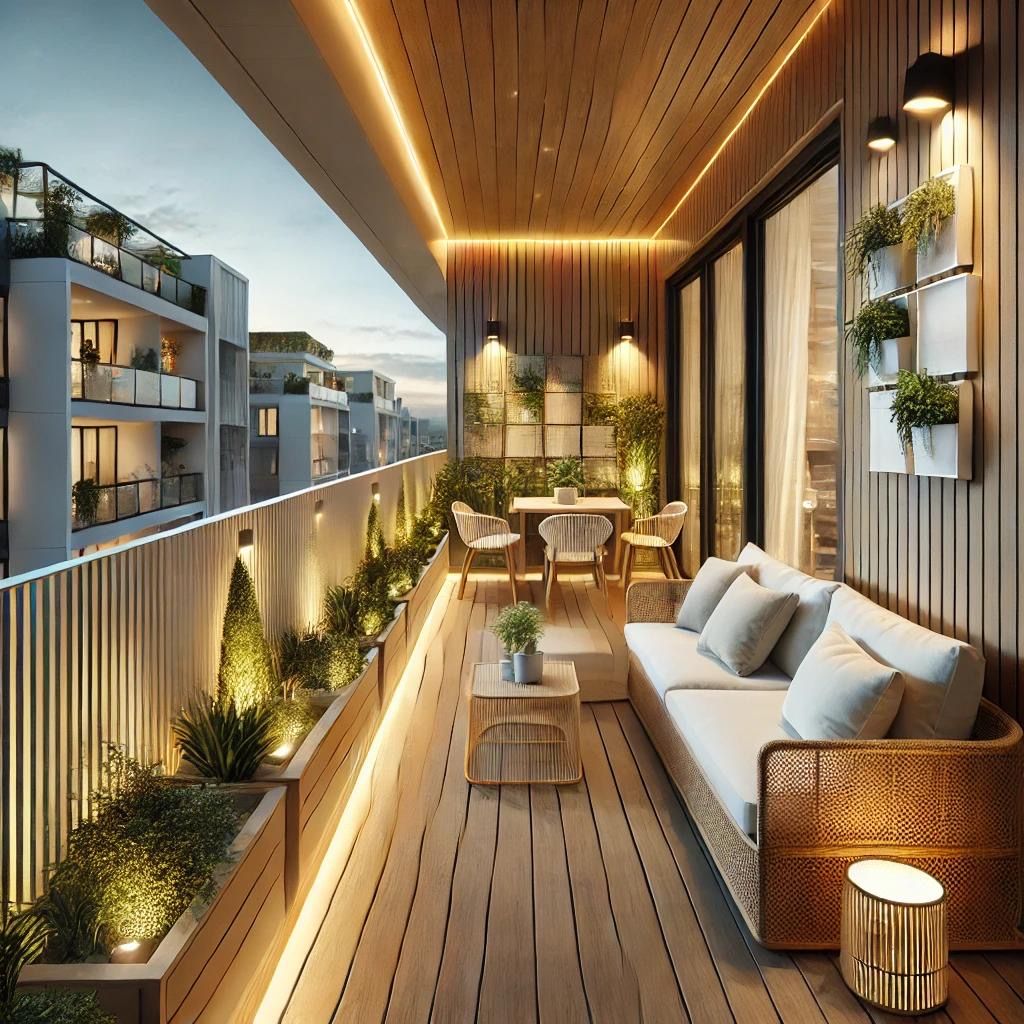
Planning a room layout is the foundation of interior designing, whether you’re designing a home in Delhi, Noida, or Gurgaon. A well-planned space ensures functionality, comfort, and aesthetics. Here’s a step-by-step guide to help you create the perfect layout for your home.
1. Understand Your Space & Purpose
Before designing, analyze the dimensions, shape, and purpose of the room.
📏 Key Questions to Ask:
✔ What is the room’s function? (Living room, bedroom, home office, etc.)
✔ How much space do you have? (Measure the length, width, and ceiling height)
✔ What are the focal points? (Windows, doors, or architectural features)
✔ How many people will use the room? (For daily use and guests)
Pro Tip: Use a graph paper or a digital floor planner to sketch your space.
2. Choose a Layout Style Based on Functionality
The right layout depends on the room type and how you use it.
🏡 Common Layout Styles:
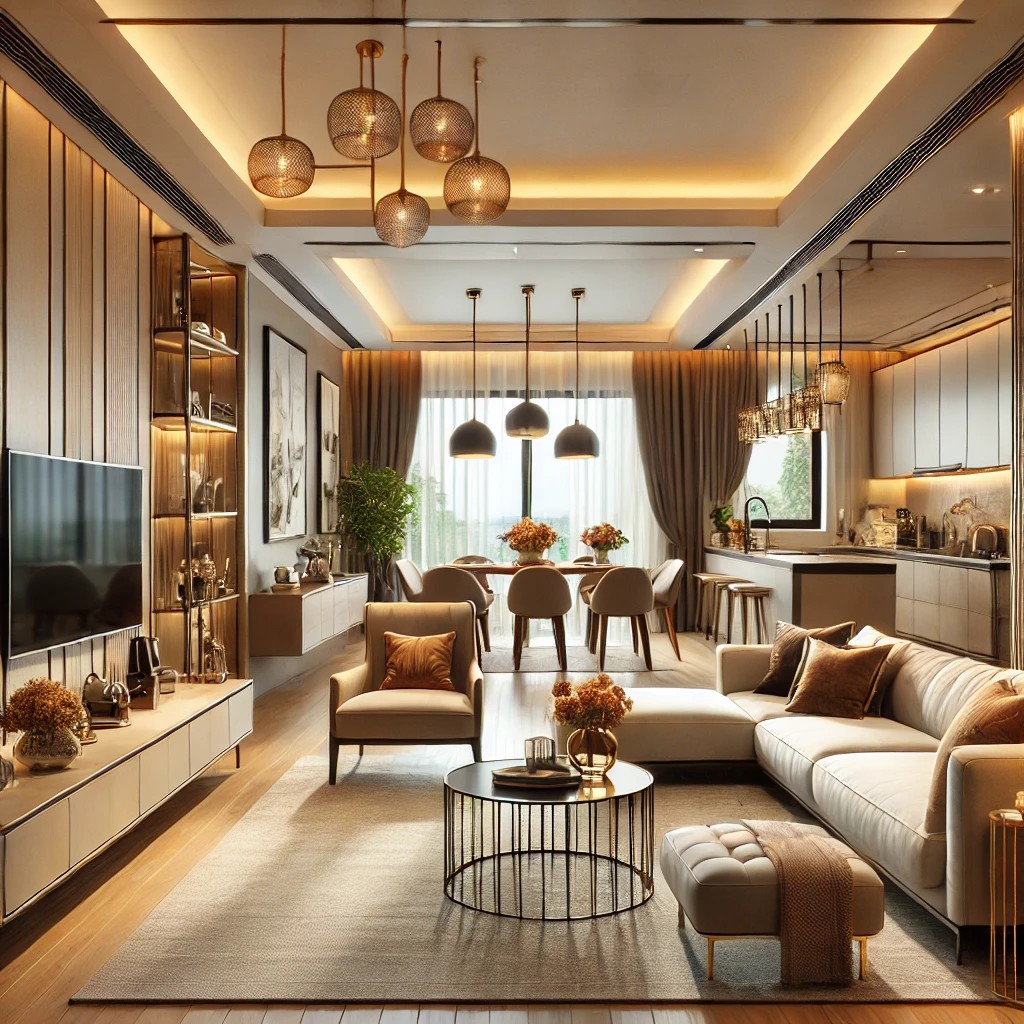
✔ Open Layout – Best for small spaces; combines areas like the living room & dining room.
✔ Symmetrical Layout – Ideal for formal and balanced designs, often used in living rooms.
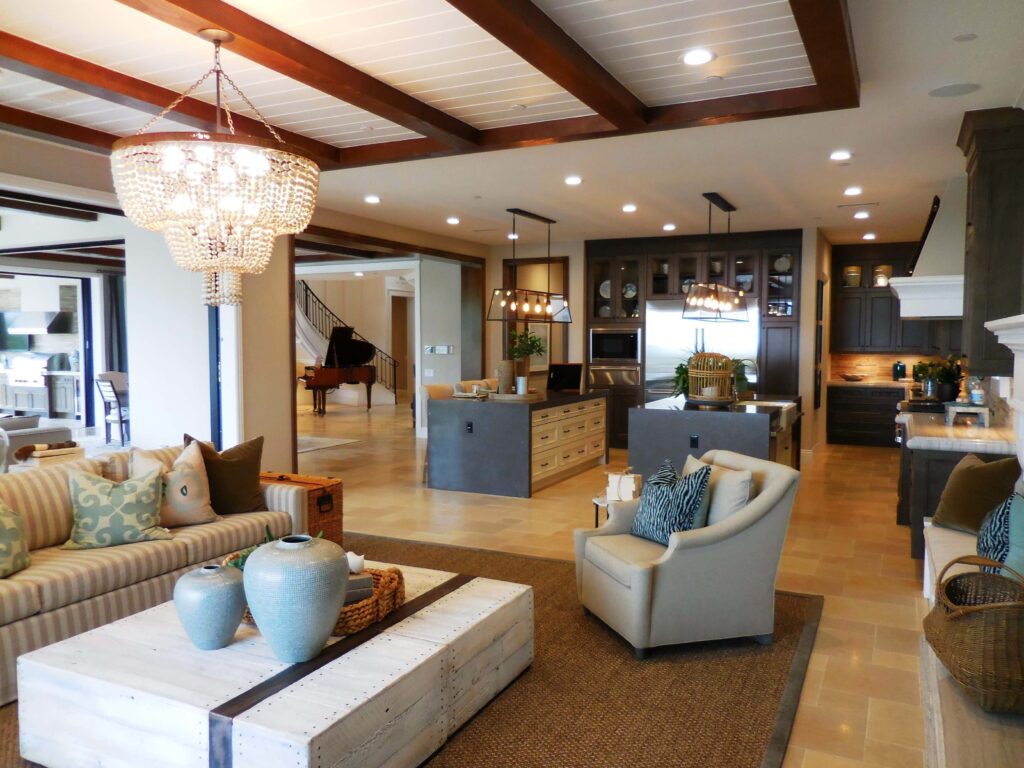
✔ Zoning Layout – Divides a large space into functional sections (e.g., seating, reading nook).
✔ L-Shaped Layout – Works well for bedrooms & kitchen areas, maximizing corner spaces.
Pro Tip: Keep high-traffic areas clear for smooth movement.
3. Optimize Furniture Placement
Furniture arrangement can make or break a room’s design.
🛋 Furniture Placement Tips:
✔ Start with large pieces like sofas, beds, and dining tables.
✔ Maintain at least 3 feet of walking space between furniture.
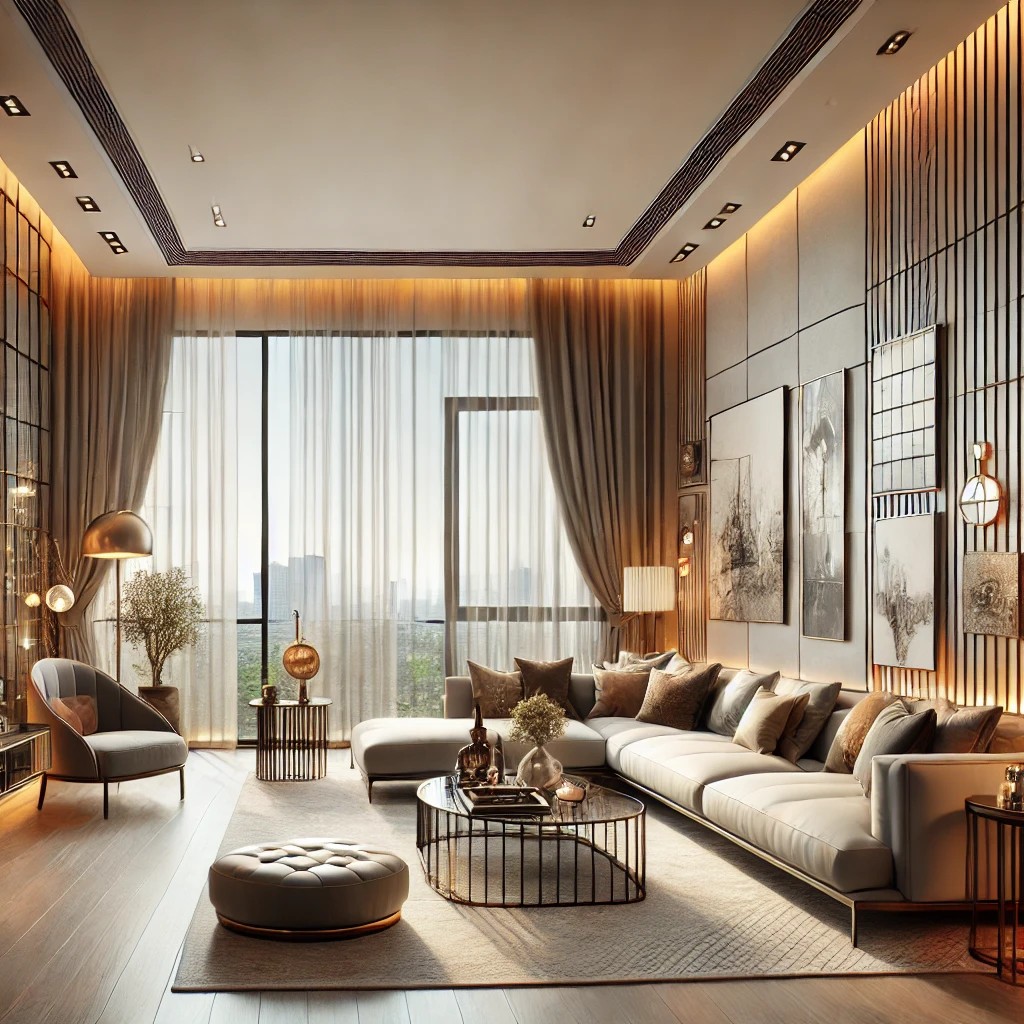
✔ Keep seating arranged around a focal point (TV, fireplace, or a window).
✔ Use multifunctional furniture (like storage ottomans or sofa beds) for small rooms.
Pro Tip: Place furniture at least 6 inches away from walls to create a spacious feel.
4. Make Use of Vertical Space
If you have limited floor space, focus on vertical storage and decor.
📌 Smart Vertical Design Ideas:
✔ Install wall-mounted shelves for books & decor.
✔ Use tall cabinets in kitchens and bedrooms.
✔ Hang floating desks or foldable tables for compact spaces.
✔ Add floor-to-ceiling curtains to create the illusion of height.
Pro Tip: Mirrors reflect light and make a room feel larger & brighter.
5. Ensure Proper Lighting for Function & Mood
Lighting enhances the ambience and functionality of a room.
💡 Layered Lighting Approach:
✔ Ambient Lighting – General lighting like ceiling lights & LED panels.
✔ Task Lighting – Focused lighting for study tables, kitchen counters, and workspaces.
✔ Accent Lighting – Decorative lighting like pendants, spotlights, and wall sconces.
Pro Tip: Use warm lights in living areas and white lights for workspaces.
6. Maintain a Balanced Color Scheme
The right color palette influences mood & aesthetics.
🎨 Color Planning Tips:
✔ Use light colors (whites, pastels) to make small rooms feel bigger.
✔ Go for neutral tones with pops of bright colors for a modern look.
✔ Dark colors add coziness, perfect for large bedrooms & living rooms.
✔ Use contrasting shades for depth (e.g., white walls with dark furniture).
Pro Tip: In Delhi, Noida, and Gurgaon, opt for heat-reflective paint to stay cool.
7. Plan for Storage Without Clutter
Smart storage ensures a clean and organized home.
📦 Storage Ideas:
✔ Use under-bed drawers for extra storage.
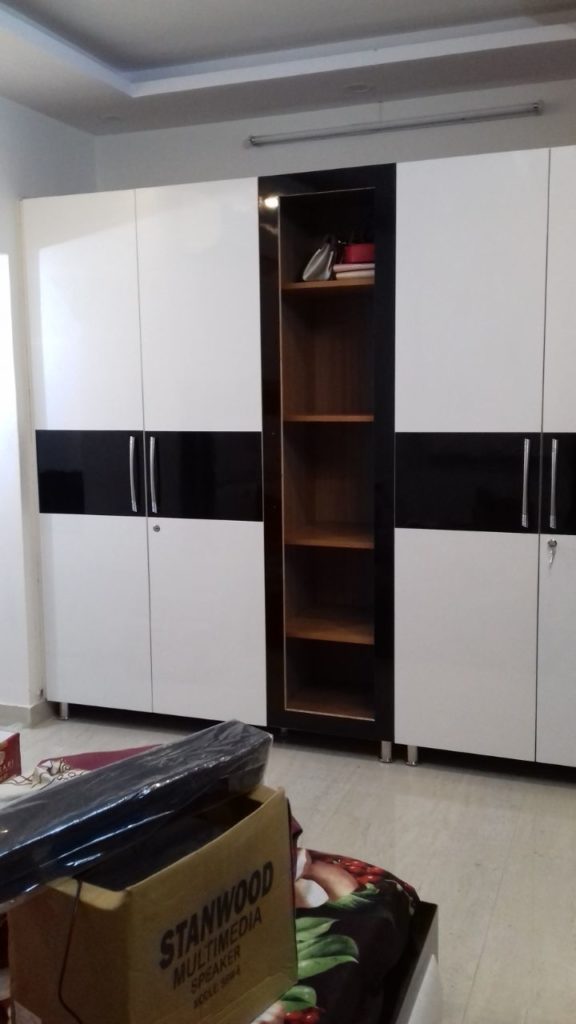
✔ Install built-in wardrobes to maximize space.
✔ Add hidden storage in sofas, ottomans, and coffee tables.
✔ Use wall hooks & organizers for small accessories.
Pro Tip: Declutter every 6 months to keep your space fresh.
8. Incorporate Natural Elements for a Refreshing Feel
Adding plants and natural textures makes your home feel vibrant and eco-friendly.
🌿 Nature-Inspired Interior Tips:
✔ Use indoor plants like snake plants or money plants for air purification.
✔ Opt for wooden furniture for a warm, natural touch.
✔ Include jute rugs & linen curtains for an organic feel.
✔ Place furniture near windows for natural light.
Pro Tip: Keep at least one plant in each room for a refreshing look.
9. Use Rugs & Carpets to Define Spaces
Rugs help in separating zones in open layouts and add warmth to the interiors.
🛋 Choosing the Right Rug Size:
✔ Living Room – The rug should be large enough for all furniture legs to rest on it.
✔ Bedroom – Place a large rug under the bed with extra space around it.
✔ Dining Room – The rug should be wider than the dining table.
Pro Tip: Use washable rugs in high-traffic areas like the living room.
10. Personalize with Art & Decor
Decor gives your home a unique personality.
🖼 Decor Elements to Consider:
✔ Wall Art & Paintings – Adds character to blank walls.
✔ Throw Pillows & Blankets – For a cozy & inviting feel.
✔ Statement Furniture – A bold chair or antique piece can act as a focal point.
✔ DIY Decor – Handmade crafts add a personal touch.
Pro Tip: Use family photos or cultural artifacts for a meaningful touch.
Conclusion
Planning a room layout for interior designing at home is easy when you measure your space, choose the right furniture, use smart lighting, and incorporate storage solutions. Whether you’re designing a modern apartment in Delhi, a spacious home in Noida, or a compact space in Gurgaon, a well-planned room layout will ensure both functionality and beauty. 🏡✨