Interior design on a low budget requires a combination of creativity, strategic planning, and resourcefulness. Here are practical steps to achieve cost-effective interior design:
- Set a Budget:
- Define a realistic budget for your interior design project. Knowing your financial constraints helps guide decision-making and prevents overspending.
- Prioritize:
- Identify the key areas or elements you want to focus on. Prioritize essential changes that will have the most significant impact on the overall look and feel of the space.
- Declutter and Organize:
- Before making any purchases, declutter your space. Organizing and removing unnecessary items can instantly improve the appearance of a room at no cost.
- DIY Projects:
- Engage in do-it-yourself (DIY) projects for artwork, decor items, or even furniture. Painting, crafting, and upcycling can transform existing items or create new pieces on a tight budget.
- Explore Thrift Stores and Second-hand Shops:
- Thrift stores and second-hand shops are treasure troves for budget-friendly furniture and decor. Look for unique pieces that can be repurposed or upgraded with a fresh coat of paint.
- Repurpose Existing Furniture:
- Instead of buying new furniture, consider repurposing or refinishing existing pieces. A new paint color or updated hardware can give furniture a modern look without a hefty price tag.
- Swap or Borrow:
- Exchange furniture or decor items with friends or family. Borrowing items temporarily can provide a new look without any cost.
- Smart Shopping:
- Be strategic when shopping for new items. Look for sales, clearance items, and discounts. Online marketplaces and discount stores often offer budget-friendly options.
- Use What You Have:
- Reimagine and rearrange existing furniture and decor. Experiment with different layouts to discover new possibilities without spending anything.
- Temporary Solutions:
- Consider temporary solutions like peel-and-stick wallpaper, decals, or removable floor tiles. These options provide a fresh look without the commitment of permanent changes.
- Painting:
- A fresh coat of paint can dramatically transform a space. Focus on high-impact areas, such as an accent wall, to make the most of your budget.
- Maximize Natural Light:
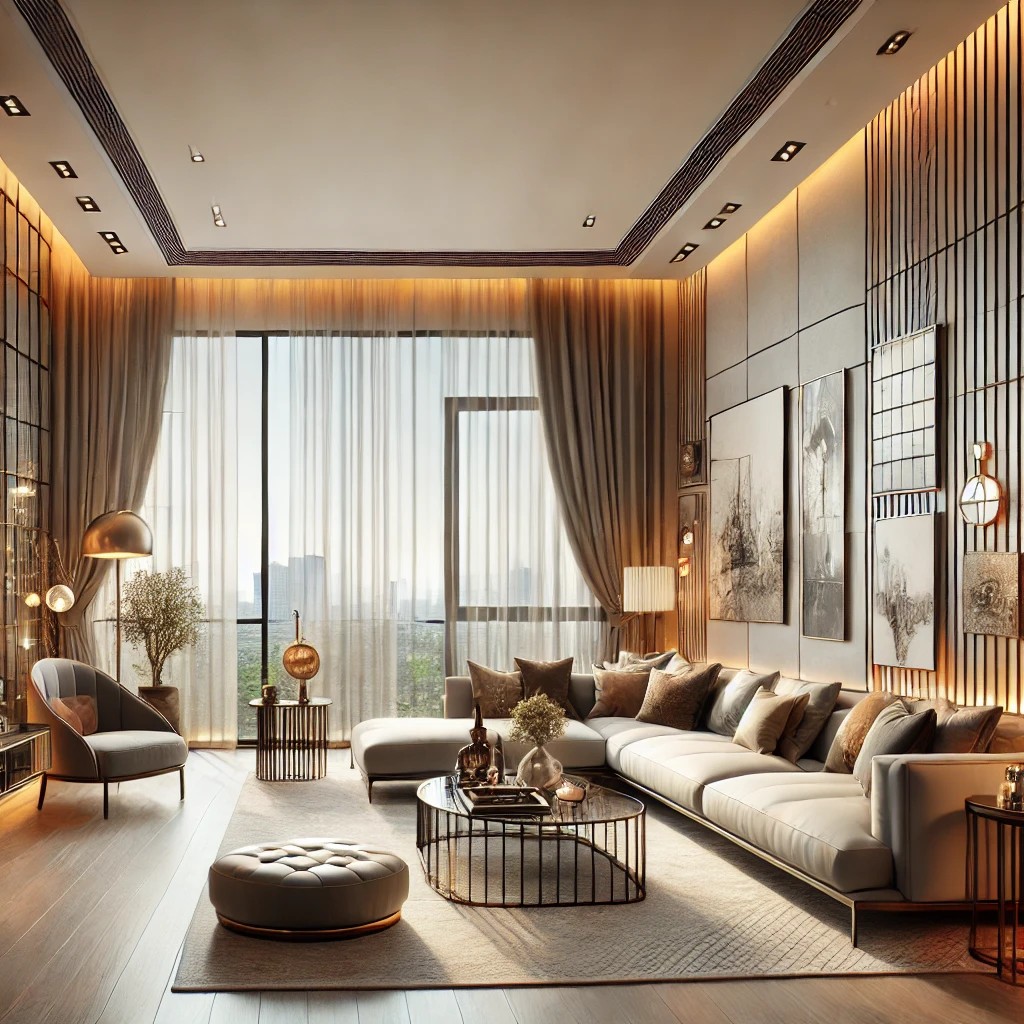
- Make the most of natural light by using light-colored curtains or sheer fabrics. This simple adjustment can brighten up a space without any cost.
- DIY Window Treatments:
- Create your own curtains or blinds using budget-friendly fabric. Simple sewing projects or no-sew options can provide a customized window treatment.
- Utilize Indoor Plants:
- Indoor plants are a cost-effective way to add greenery and freshness to a space. Thrifted or DIY plant pots can keep costs low.
- Focus on Accessories:
- Invest in small, impactful accessories like throw pillows, rugs, or decorative items. These details can enhance the overall aesthetic without a substantial investment.
- Optimize Storage:
- Organize and optimize storage with budget-friendly solutions like baskets, crates, or DIY shelving. Keeping a space organized contributes to a more polished look.
- Swap Light Fixtures:
- Update outdated light fixtures with more modern and affordable alternatives. This simple change can significantly impact the overall ambiance of a room.
By combining these strategies, you can achieve a stylish and refreshed interior without exceeding your budget. The key is to be resourceful, embrace DIY projects, and make thoughtful choices that align with your design goals and financial constraints.