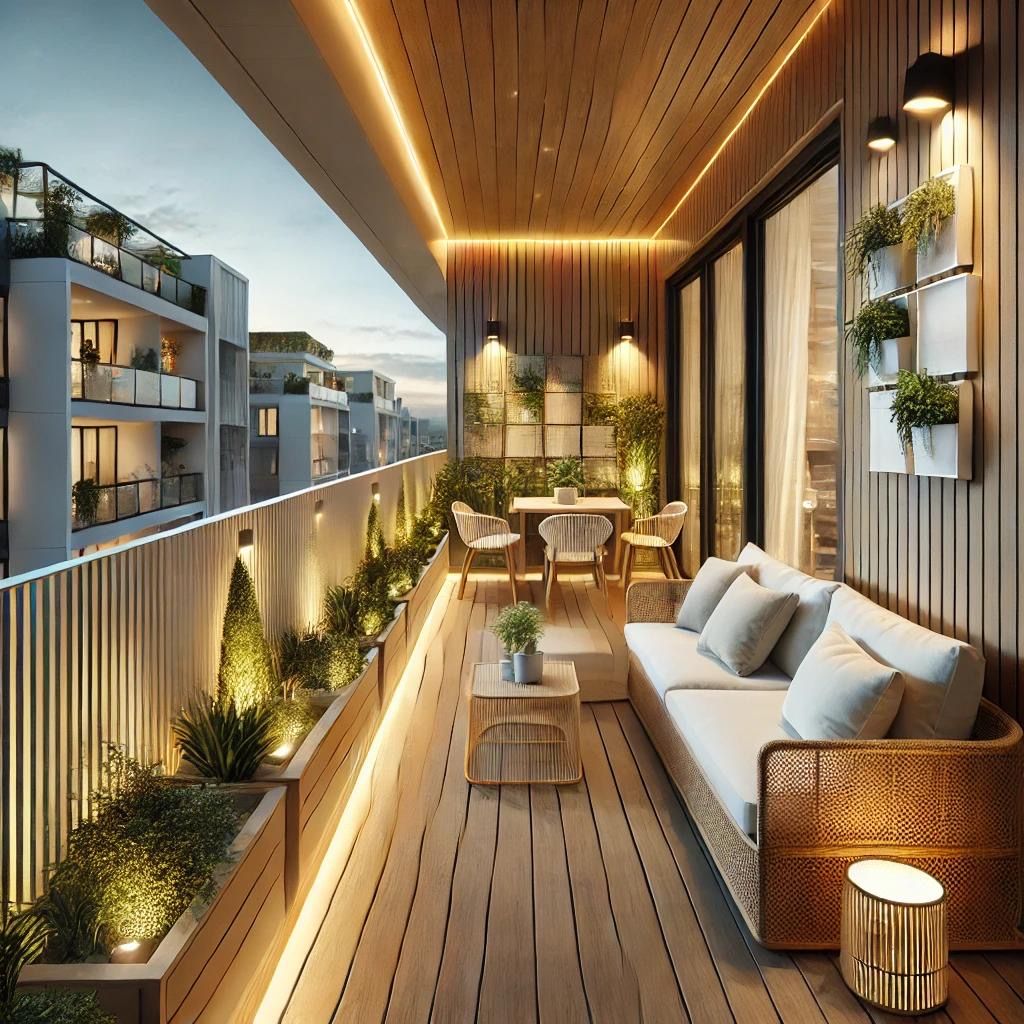
There’s no single “official” number, but most interior design guides boil it down to 7 key features (sometimes called “elements of interior design”) that every good space incorporates:
1. Space
- The foundation of design — understanding how to use available floor area and height effectively.
- Includes positive space (filled with objects) and negative space (open areas for movement and breathing room).
2. Line
- Horizontal lines (sofas, tables) create stability.
- Vertical lines (doors, windows) create height.
- Dynamic/diagonal lines add energy and movement.
3. Form
- The shape of the room and the objects in it — can be geometric (structured) or organic (natural).
4. Light
- Natural and artificial lighting, plus the balance between ambient, task, and accent lighting.
5. Color
- Impacts mood and visual perception of space.
- Relies on color theory for harmony, contrast, and emphasis.
6. Texture
- How surfaces feel and look (smooth, rough, glossy, matte).
- Layering textures adds depth and richness.
7. Pattern
- Decorative designs used in fabrics, wallpapers, tiles, etc.
- Adds interest, but needs balance to avoid visual chaos.
Some designers also add an 8th feature: Scale & Proportion, treating it as a separate focus because it’s so critical for harmony.
If you want, I can make you a visual chart of these features with examples for each, so it’s easier to remember and apply when designing a room. Would you like me to make that for you?