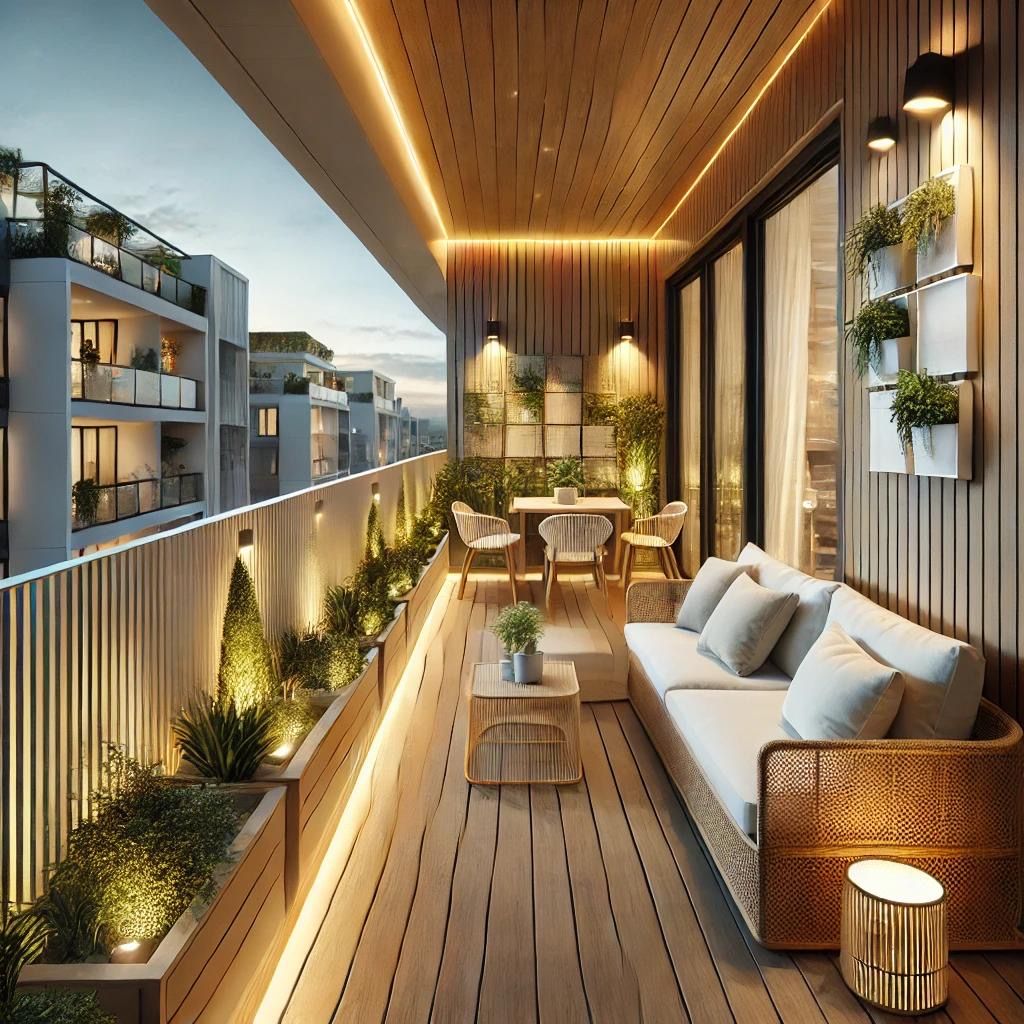
Designing a house interior involves creating a comfortable, functional, and aesthetically pleasing living space that suits the needs and preferences of the occupants. Here are some general ideas for house interior design:
- Functional Layout:
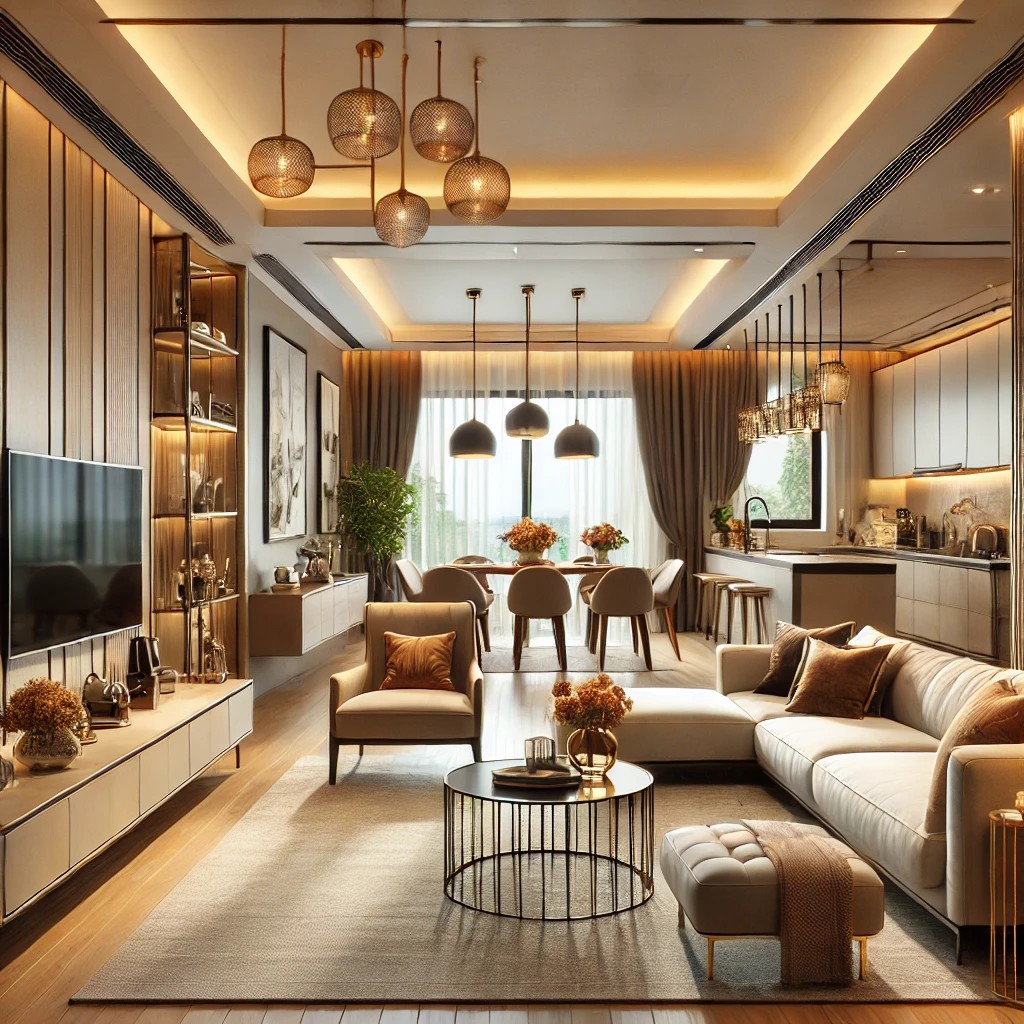
- Plan a functional layout that considers the flow of movement and interaction between different areas of the house.
- Create distinct zones for living, dining, and sleeping spaces.
- Comfortable Furniture:
- Invest in comfortable and quality furniture for the main living areas, such as sofas, chairs, and beds.
- Choose furniture that complements the style of the house and meets the functional requirements of each room.
- Color Scheme:
- Select a cohesive color scheme for the house that ties different rooms together.
- Consider the psychological impact of colors and choose shades that evoke the desired mood in each space.
- Lighting Design:
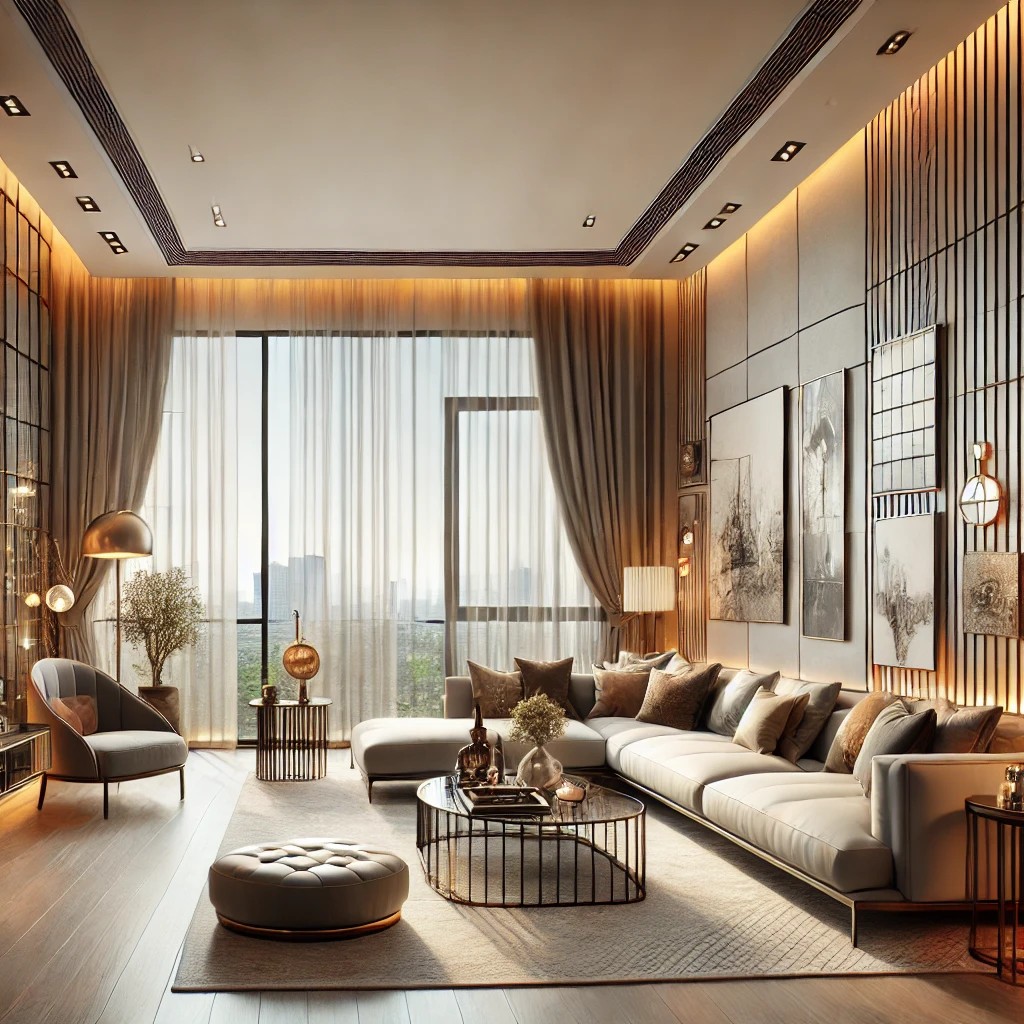
- Implement a well-thought-out lighting plan with a mix of ambient, task, and accent lighting.
- Use natural light whenever possible and enhance it with strategically placed windows and mirrors.
- Natural Materials:
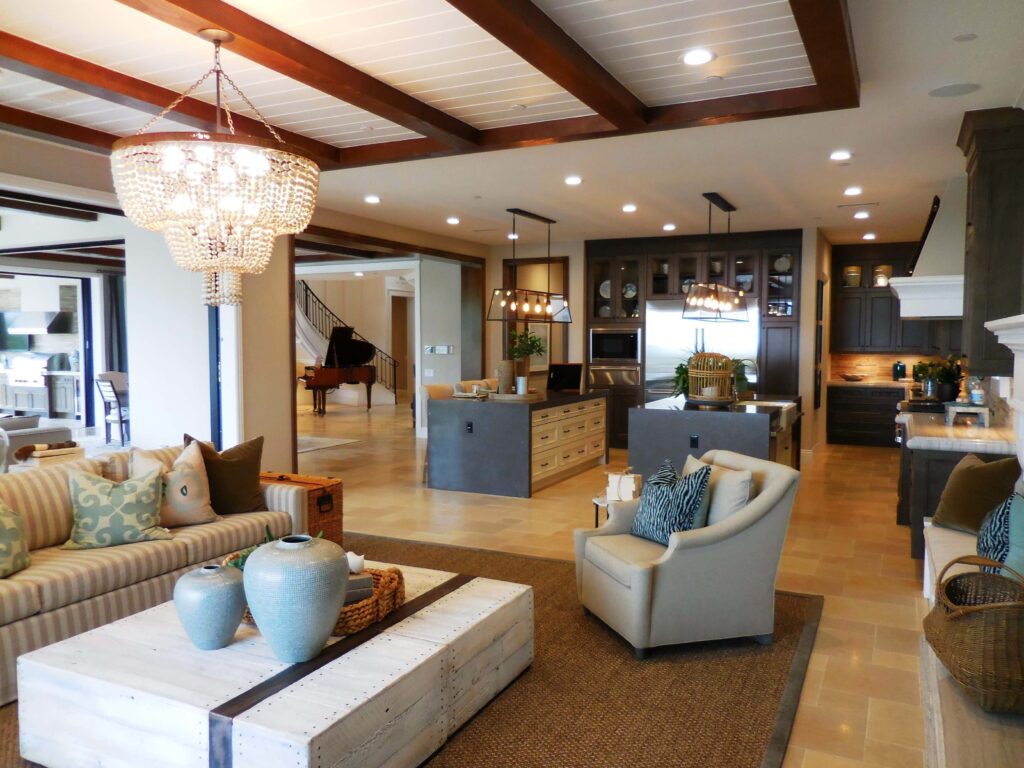
- Incorporate natural materials like wood, stone, and metal for a warm and authentic feel.
- Choose materials that resonate with the overall design style of the house.
- Personalized Decor:
- Decorate the house with personal touches such as family photos, artwork, and items that hold sentimental value.
- Create a cohesive theme or style to tie together the decor elements.
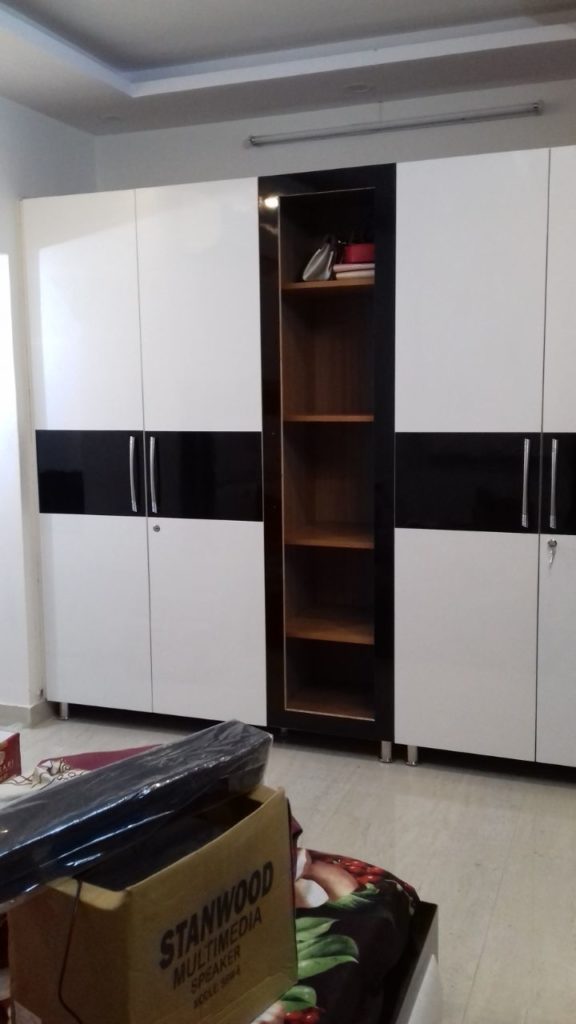
- Open Shelving and Storage Solutions:
- Utilize open shelving for displaying decorative items and books.
- Invest in efficient storage solutions to keep the house organized and clutter-free.
- Indoor Plants:
- Bring nature indoors by incorporating indoor plants.
- Choose plants that thrive in the available light conditions and complement the decor.
- Accent Walls:
- Create focal points in rooms by designing accent walls using bold colors, textured wallpaper, or eye-catching artwork.
- Ensure the accent wall enhances the overall design without overwhelming the space.
- Flexible Furniture Arrangement:
- Arrange furniture in a way that allows for flexibility and easy rearrangement.
- Consider the versatility of furniture pieces to adapt to different functions or layouts.
- Technology Integration:
- Integrate technology seamlessly into the house with smart home features, such as smart lighting, thermostats, and security systems.
- Hide or disguise electronic devices to maintain a clean and uncluttered appearance.
- Multi-Functional Spaces:
- Design multi-functional spaces that can adapt to various needs, such as a guest room that doubles as a home office or a dining area that transforms into a workspace.
- Window Treatments:
- Choose window treatments that provide privacy, control natural light, and enhance the overall design.
- Consider curtains, blinds, or shades based on the aesthetic and functional requirements.
- Flexible Wall Art:
- Use wall art to add personality and character to different rooms.
- Opt for a mix of framed artwork, mirrors, and other decorative elements.
- Outdoor Living Spaces:
- If applicable, extend the design to outdoor areas with comfortable seating, lighting, and landscaping.
- Create a seamless transition between indoor and outdoor living spaces.
Remember that house interior design is a reflection of the occupants’ lifestyle and preferences. Customize the design to create a welcoming and functional home that suits the unique needs of the residents.