


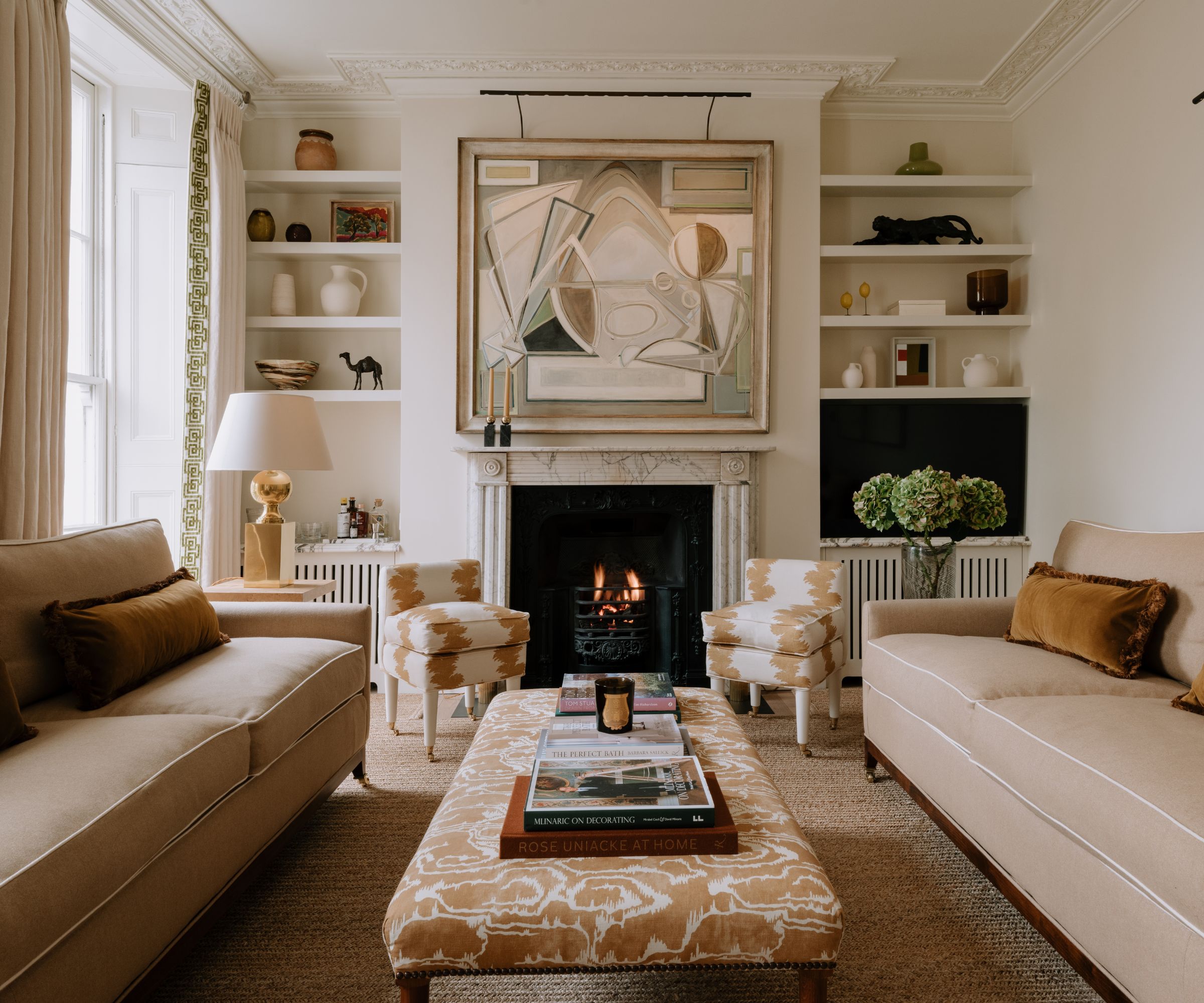
Home decor and design work together to shape how a space feels and functions. Design creates structure; decor adds personality. When both are balanced, a home feels cohesive, calm, and intentional.
Across modern apartments and homes in Gurgaon, Noida, and Delhi NCR, interiors are increasingly designed around comfort, clarity, and visual harmony rather than excess decoration.
This guide explains essential principles that elevate any home.
What Defines Good Home Decor and Design?
Strong interiors follow structure.
Design thinking influenced by Bauhaus emphasizes proportion, function, and simplicity — beauty emerges from balance.
Core foundations:
- Clear layout
- Controlled palette
- Layered lighting
- Textural warmth
- Edited decoration
- Negative space
A well-designed home breathes.
Start with a Cohesive Color Palette
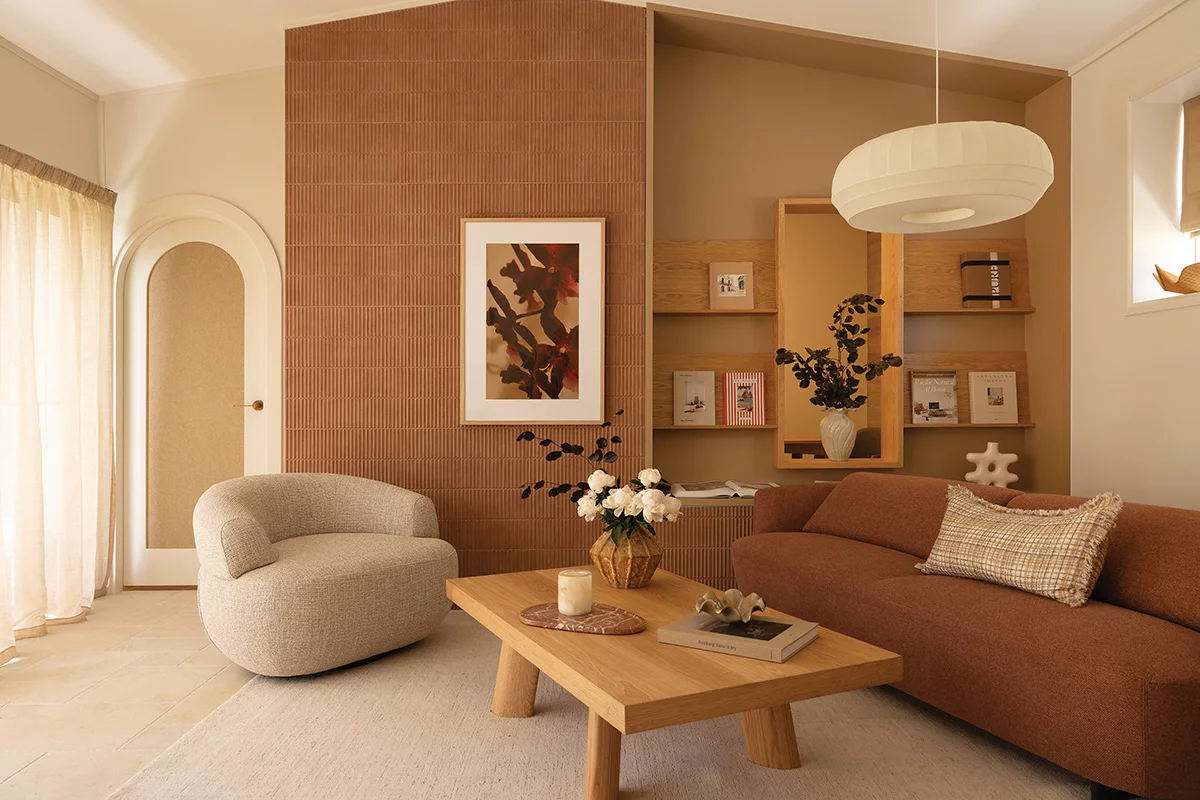


Colour sets emotional tone.
Best palettes:
- Warm neutrals
- Earth tones
- Soft greys
- Light wood tones
- Muted accents
Limit strong colours to focal areas.
Design Around a Focal Point
Every room needs an anchor.
Examples:
- Sofa + art wall
- Bed headboard wall
- Dining centerpiece
- Statement lighting
- Window view
Furniture should support the anchor.
Layer Lighting for Atmosphere
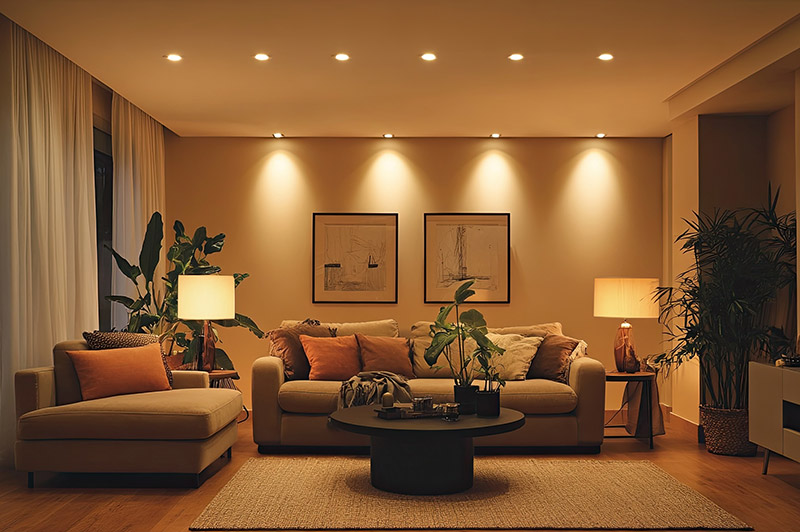


Lighting defines mood.
Combine:
- Ambient ceiling light
- Task lighting
- Accent lamps
- Indirect glow
- Natural light
Avoid harsh brightness.
Use Texture Instead of Excess Decor
Texture adds richness quietly.
Layer:
- Linen
- Wool
- Wood
- Stone
- Matte ceramics
- Upholstery
Texture replaces clutter.
Keep Furniture Proportional
Oversized pieces crowd rooms.
Guidelines:
- Leave walking clearance
- Balance heights
- Match furniture scale to room size
- Avoid blocking light
Proportion defines comfort.
Style Surfaces with Restraint
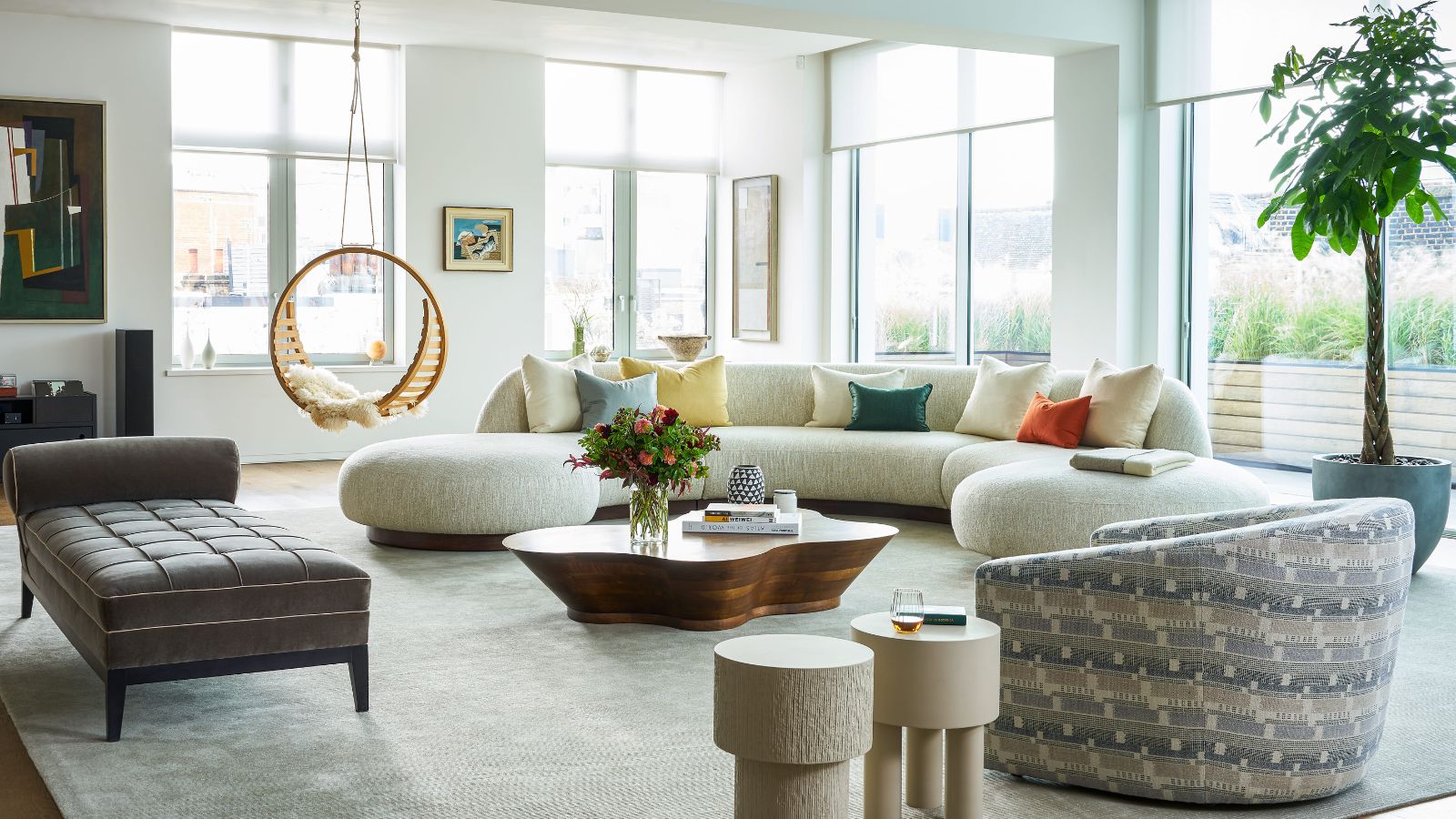


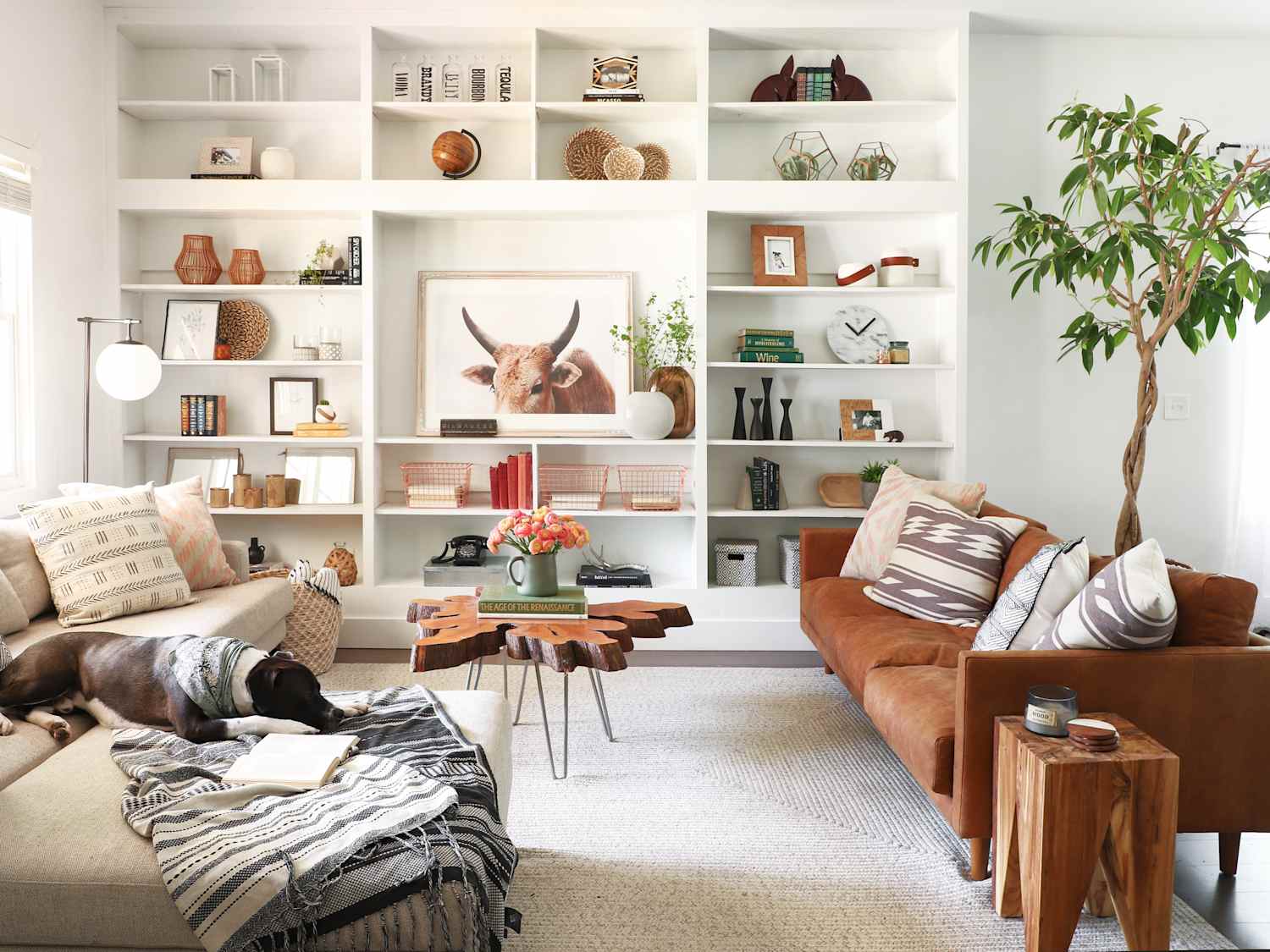
Display only:
- Essentials
- One accent object
- Organized groupings
Negative space is elegance.
Add Organic Elements
Nature softens interiors.
Use:
- Indoor plants
- Natural wood
- Stone accents
- Dried botanicals
Organic shapes balance geometry.
Repeat Materials for Cohesion
Consistency creates flow.
Repeat:
- Wood tones
- Metal finishes
- Fabric textures
- Accent colours
Visual rhythm feels intentional.
Create Small Decor Vignettes
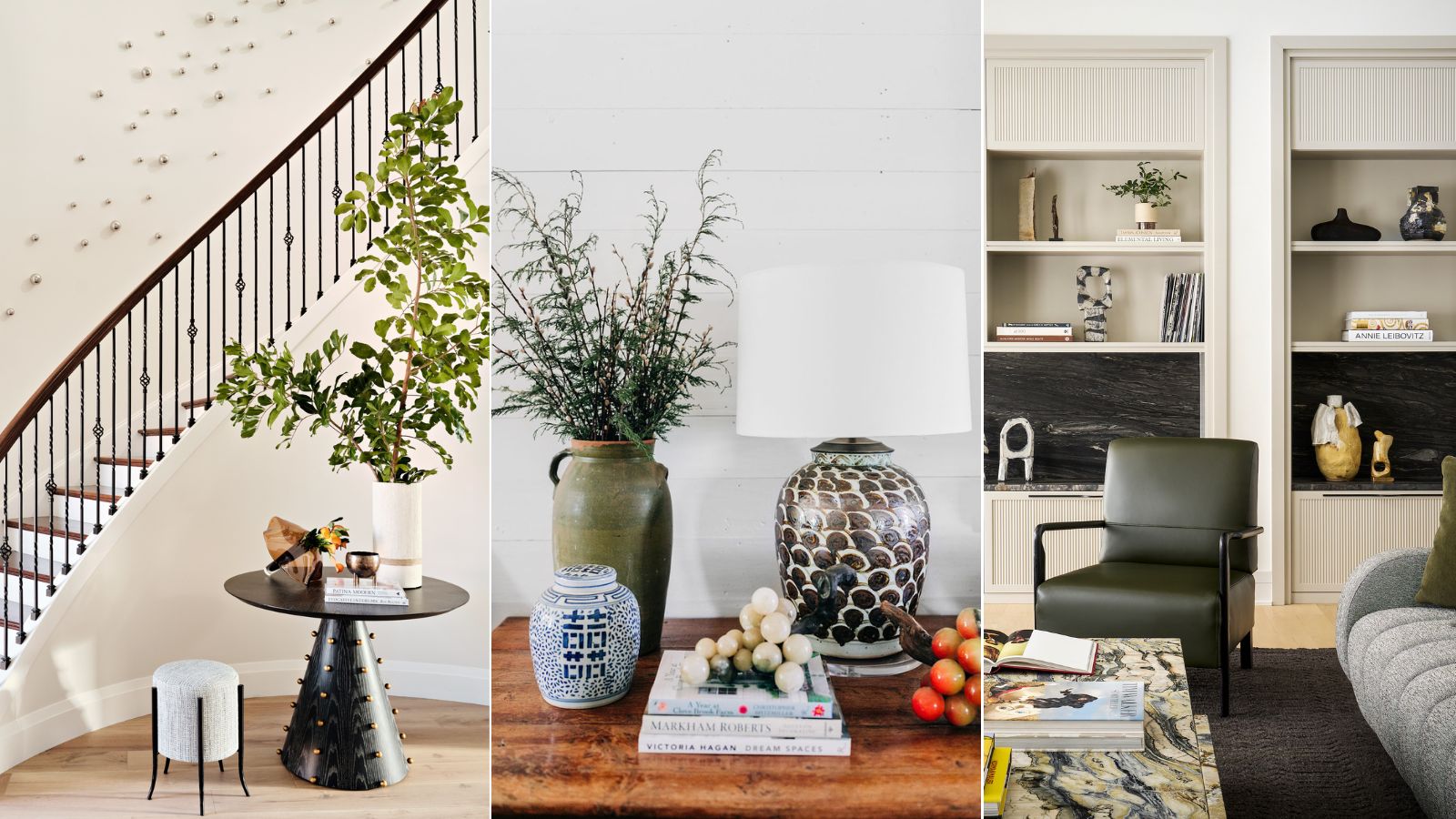

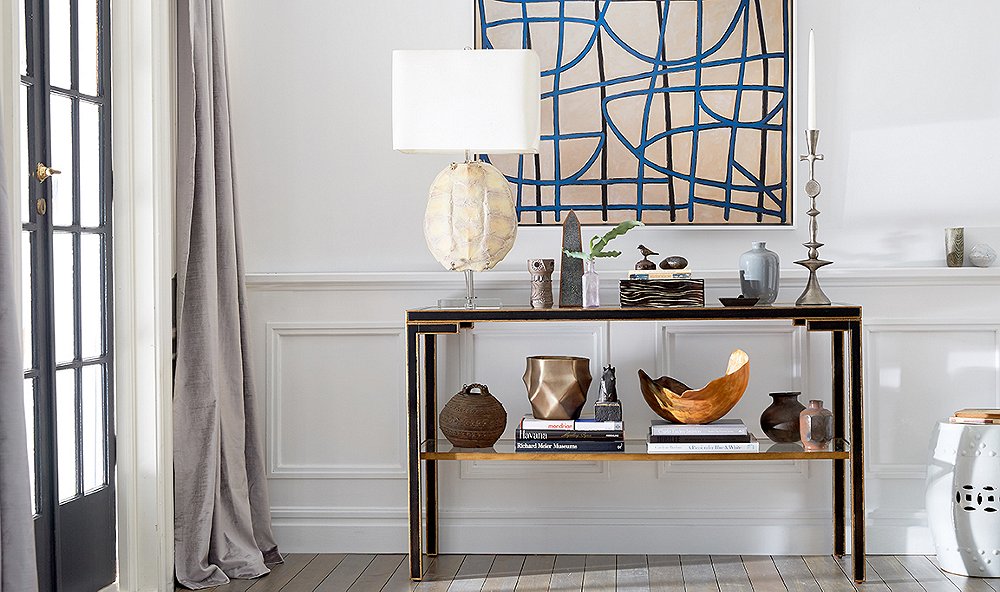

A vignette = curated cluster.
Example:
- Lamp
- Plant
- Tray
- Book stack
Keep groupings tight.
Use Rugs to Define Zones
Rugs organize open spaces.
Guidelines:
- Front legs on rug
- Large enough to anchor furniture
- Neutral or subtle pattern
Rugs unify layouts.
Hide Clutter with Smart Storage
Use:
- Built-in cabinets
- Closed shelving
- Storage furniture
- Hidden drawers
Organization supports calm.
Embrace Negative Space
Not every corner needs decoration.
Empty space:
- Highlights focal pieces
- Reduces stress
- Improves flow
Silence is part of design.
Avoid Common Home Decor Mistakes
Do not:
- Overdecorate surfaces
- Mix clashing styles
- Use too many colours
- Ignore scale
- Crowd furniture
- Fill every wall
Editing improves sophistication.
Benefits of Balanced Decor and Design
Good interiors provide:
- Visual calm
- Comfort
- Cohesion
- Spacious feeling
- Emotional wellbeing
- Timeless style
Design shapes daily experience.
Summary
Home decor and design succeed through proportion, lighting, palette control, and restraint. Texture replaces clutter, focal points guide the eye, and negative space creates calm. Whether styling a compact Noida apartment or a spacious Gurgaon home, the principles remain universal: harmony, clarity, and intention.
A beautiful home is not filled —
it is composed.