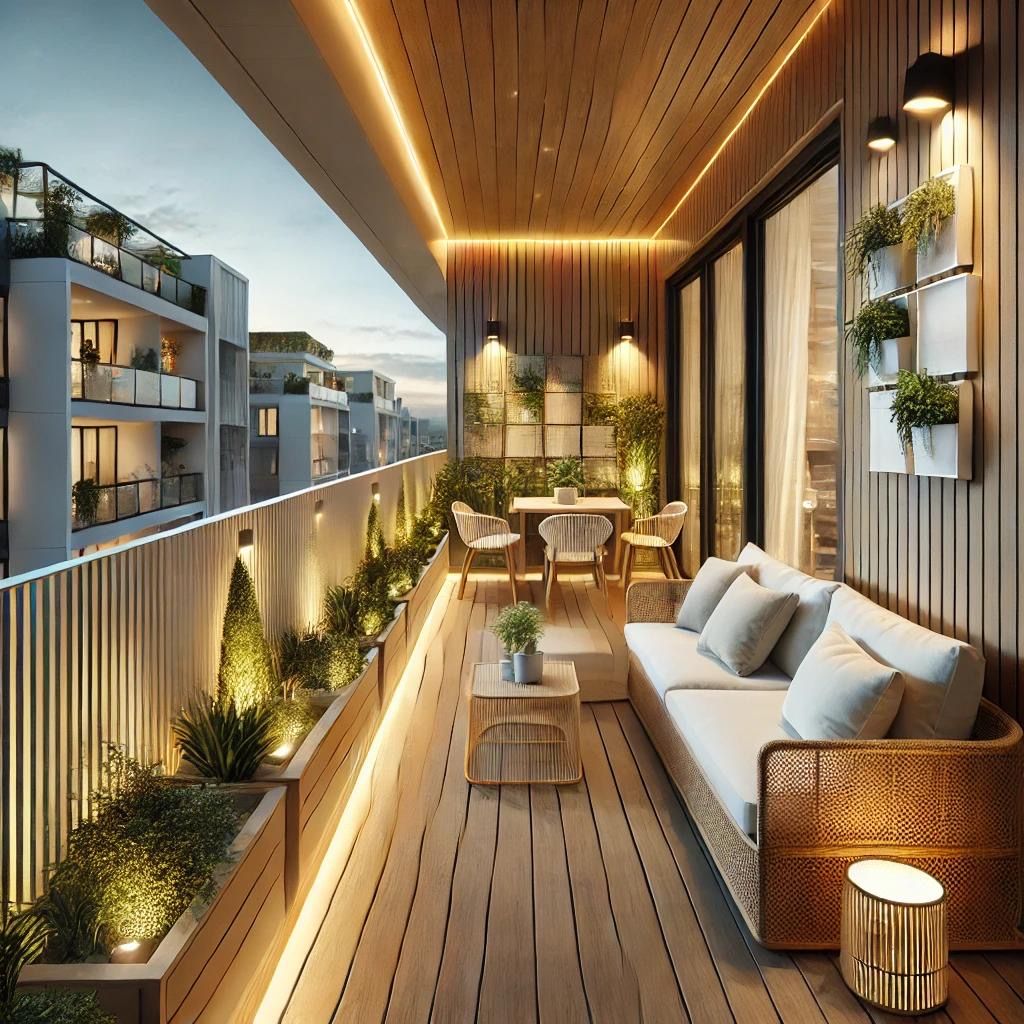
In a world increasingly attuned to the importance of sustainable living, the concept of green living has transcended the outdoors and found its place within our homes. Eco-friendly interior design not only reduces our environmental impact but also creates spaces that nurture well-being and harmony. Let’s explore some practical and inspiring tips for infusing sustainability into your home, fostering a green living sanctuary that benefits both you and the planet.
1. Sustainable Materials: The foundation of eco-friendly interior design lies in the materials chosen for furnishings and finishes. Opt for sustainable options such as bamboo, reclaimed wood, recycled metal, and FSC-certified wood products. These materials not only minimize environmental impact but also bring a unique and natural aesthetic to your living spaces.
2. Energy-Efficient Lighting: Swap out traditional incandescent bulbs for energy-efficient alternatives such as LED or CFL lights. These bulbs not only last longer but also consume significantly less energy, contributing to lower electricity bills and a reduced carbon footprint. Consider maximizing natural light through well-placed windows and skylights to further enhance energy efficiency.
3. Indoor Plants for Clean Air: Bringing nature indoors is not only aesthetically pleasing but also contributes to a healthier living environment. Incorporate indoor plants known for their air-purifying qualities, such as snake plants, spider plants, or peace lilies. These green companions not only add a touch of nature but also improve indoor air quality.
4. Repurposed and Upcycled Furniture: Embrace the charm of repurposed and upcycled furniture to add character to your home. Give new life to old pieces by refinishing, reupholstering, or creatively repurposing them into functional items. Not only does this approach reduce waste, but it also allows you to infuse your space with one-of-a-kind pieces.
5. Eco-Friendly Paints and Finishes: Traditional paints often contain volatile organic compounds (VOCs), which can release harmful chemicals into the air. Opt for eco-friendly paints with low or zero VOCs to create a healthier indoor environment. Additionally, explore natural finishes like clay plasters or milk paint for a more sustainable and chemical-free alternative.
6. Efficient Heating and Cooling: Enhance the energy efficiency of your home by investing in smart heating and cooling systems. Programmable thermostats, energy-efficient HVAC units, and proper insulation contribute to a comfortable living space while minimizing energy consumption. This not only reduces your ecological footprint but also results in long-term cost savings.
7. Sustainable Fabrics: Choose textiles made from sustainable materials such as organic cotton, hemp, or bamboo for upholstery, curtains, and bedding. These materials are not only eco-friendly but also often more durable and luxurious. Vintage or second-hand fabrics are another excellent option, giving new life to pre-loved textiles and reducing demand for new production.
8. Water-Conserving Fixtures: Conserve water by incorporating eco-friendly plumbing fixtures. Install low-flow faucets, showerheads, and dual-flush toilets to reduce water consumption without compromising functionality. Harvesting rainwater for non-potable uses, such as watering plants, is another sustainable water-saving practice.
9. Mindful Waste Management: Implement a thoughtful waste management system that includes recycling and composting. Invest in stylish recycling bins, composting containers, and consider repurposing or donating items instead of discarding them. A mindful approach to waste management is a small yet impactful step towards a more sustainable lifestyle.
10. Minimalist Approach: Adopting a minimalist approach to interior design not only aligns with sustainable principles but also promotes a sense of calm and clarity. Choose quality over quantity, carefully curate your belongings, and resist the urge to accumulate unnecessary items. A clutter-free, minimalist space is inherently more eco-friendly.
In conclusion, green living through eco-friendly interior design is a holistic and rewarding endeavor. By incorporating these tips into your home, you not only contribute to environmental conservation but also create a space that promotes well-being and mindfulness. Let your living spaces reflect your commitment to a sustainable lifestyle, where every choice, from materials to energy consumption, aligns with the vision of a greener and healthier planet.