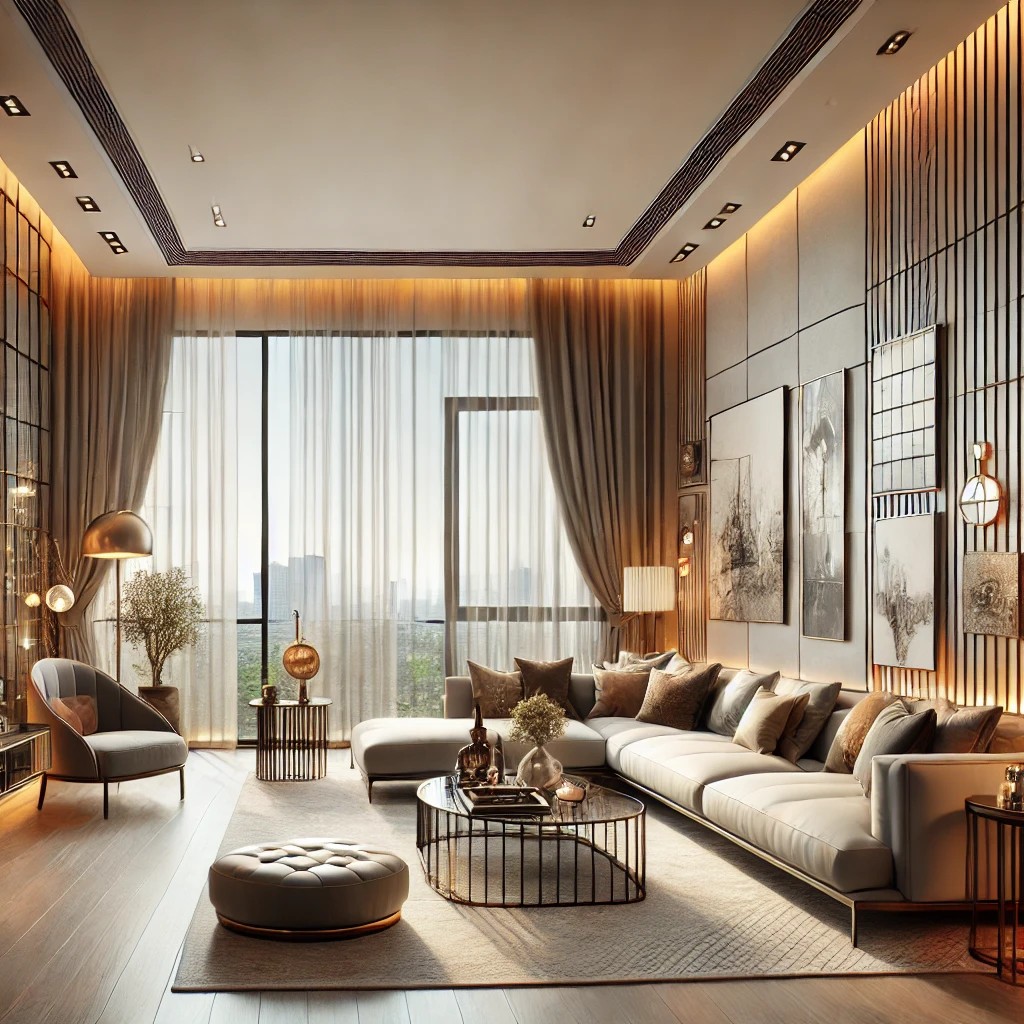
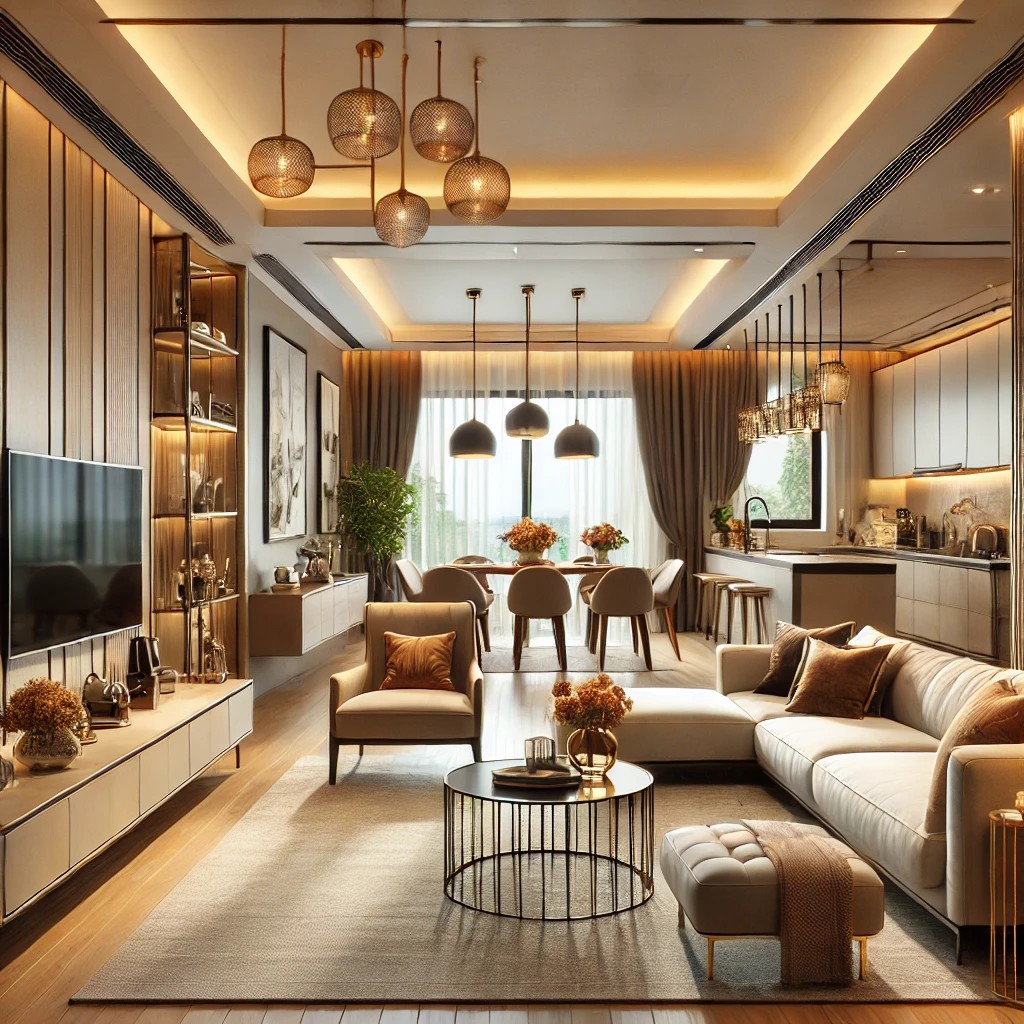
- Seamless Simplicity: Monochromatic color schemes, built around a single hue, bring a sense of simplicity and cohesion to small rooms.
- Expanding Perceptions: Opt for light and neutral tones within the chosen color palette to visually expand the space and create an airy atmosphere.
- Depth Through Shades: Introduce depth and interest by incorporating various shades and tones of the chosen color, creating a nuanced and sophisticated look.
- Furniture Fusion: Choose furniture in the same color family to seamlessly blend with the room’s color scheme, creating a cohesive and unifying aesthetic.
- Strategic Accents: Add pops of contrast with strategically placed accent pieces or decor items in complementary shades to prevent monotony.
- Mirrors for Illusion: Reflect and amplify the monochromatic elegance by incorporating mirrors, creating an illusion of more space and enhancing natural light.
- Textural Intricacies: Embrace different textures within the same color range to add tactile interest and prevent the room from feeling flat or one-dimensional.
- Statement Artwork: Elevate the room’s design with a focal point, such as monochromatic artwork or a single-color statement piece that draws the eye.
- Unified Flooring: Maintain the harmonious theme by selecting flooring in a shade that complements the overall color scheme, creating a seamless transition.
- Timeless Elegance: Monochromatic color schemes exude timeless elegance, making them perfect for small rooms where simplicity and sophistication are key.
In conclusion, monochromatic color schemes provide a powerful design tool for small rooms, offering a harmonious and visually pleasing environment that feels both cohesive and expansive.