Gurgaon, a rapidly growing city on the outskirts of Delhi, is characterized by its dynamic urban landscape, marked by high-rises, corporate hubs, and a multicultural population. In this bustling metropolis, the concept of small houses has gained prominence due to limited space and the increasing demand for compact living. Gurgaon’s interior design for small houses has evolved to meet the unique challenges posed by the city’s urbanization while striving to create functional, aesthetically pleasing, and efficient living spaces.
1. Space Optimization: Gurgaon interior designers for small houses focus on maximizing every square inch of space. Clever spatial planning, efficient furniture arrangement, and the use of multifunctional pieces are common strategies to create a sense of openness and prevent the space from feeling cramped.
2. Minimalism and Simplicity: Minimalist design principles play a crucial role in Gurgaon’s small house interiors. A clean and uncluttered aesthetic is favored, utilizing neutral color palettes, simple lines, and a less-is-more approach to create visually appealing and serene environments.
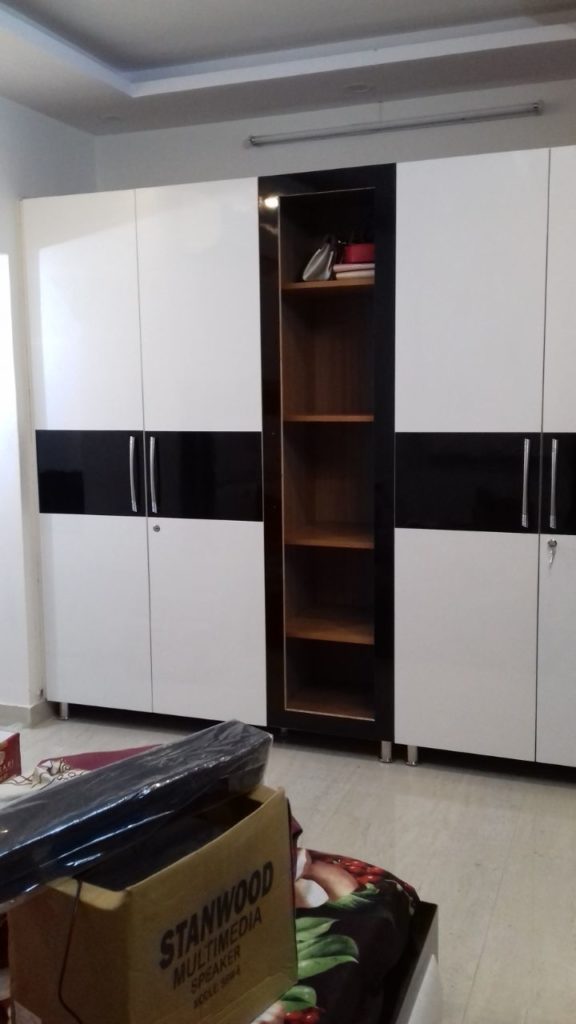
3. Smart Storage Solutions: Recognizing the importance of storage in smaller living spaces, interior designers in Gurgaon incorporate smart storage solutions. This includes utilizing under-bed storage, integrating built-in cabinets, and designing furniture with hidden compartments to keep the space organized and clutter-free.
4. Multi-Functional Furniture: Versatility is key in small houses, and Gurgaon’s interior designers often choose furniture that serves multiple purposes. Sofa beds, foldable tables, and modular furniture allow residents to adapt their living spaces based on different needs throughout the day.
5. Technological Integration: Gurgaon’s reputation as a technological hub influences interior design, even in small houses. Automation, smart home systems, and energy-efficient technologies are seamlessly integrated to enhance convenience and elevate the overall living experience.
6. Cultural Sensitivity: Gurgaon’s diverse population brings cultural influences into small house designs. Interior designers may incorporate elements of traditional Indian aesthetics, blending them harmoniously with modern design trends to create unique and culturally rich living spaces.
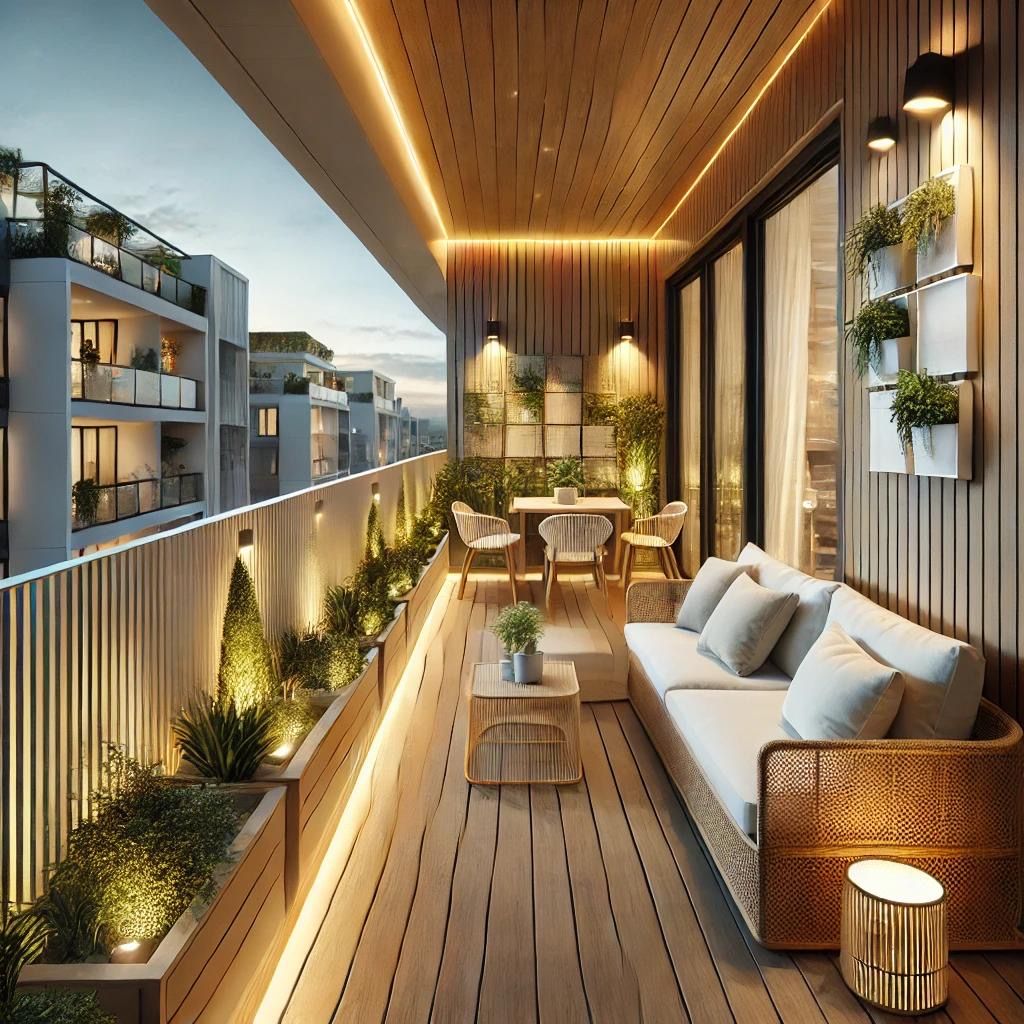
7. Biophilic Design: To counterbalance the urban environment, interior designers in Gurgaon may integrate biophilic design principles. This involves incorporating natural elements, such as indoor plants, natural light, and materials inspired by nature, to create a connection between residents and the outdoors.
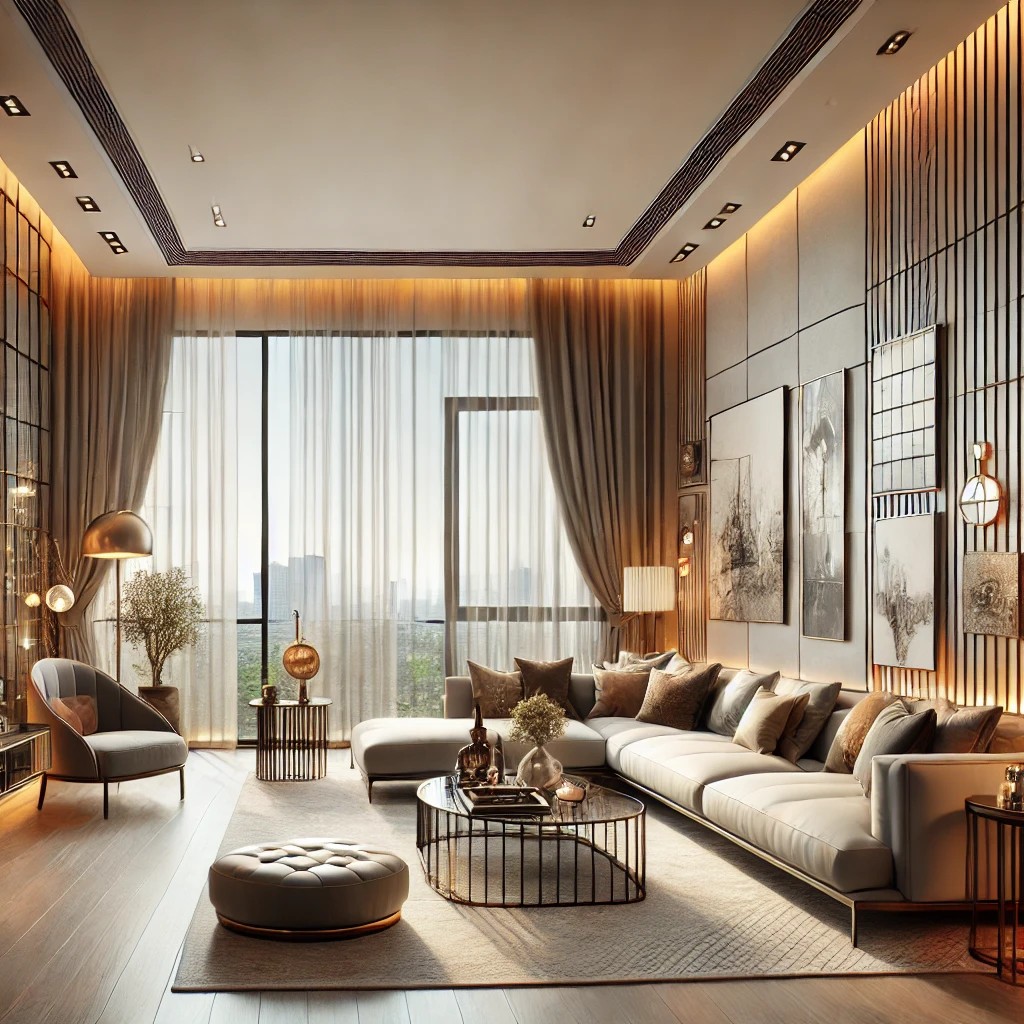
8. Visual Illusions: Given the limited space, designers often employ visual tricks to create an illusion of more significant space. Mirrors, light-colored walls, and strategic lighting are used to enhance brightness and create an open atmosphere.
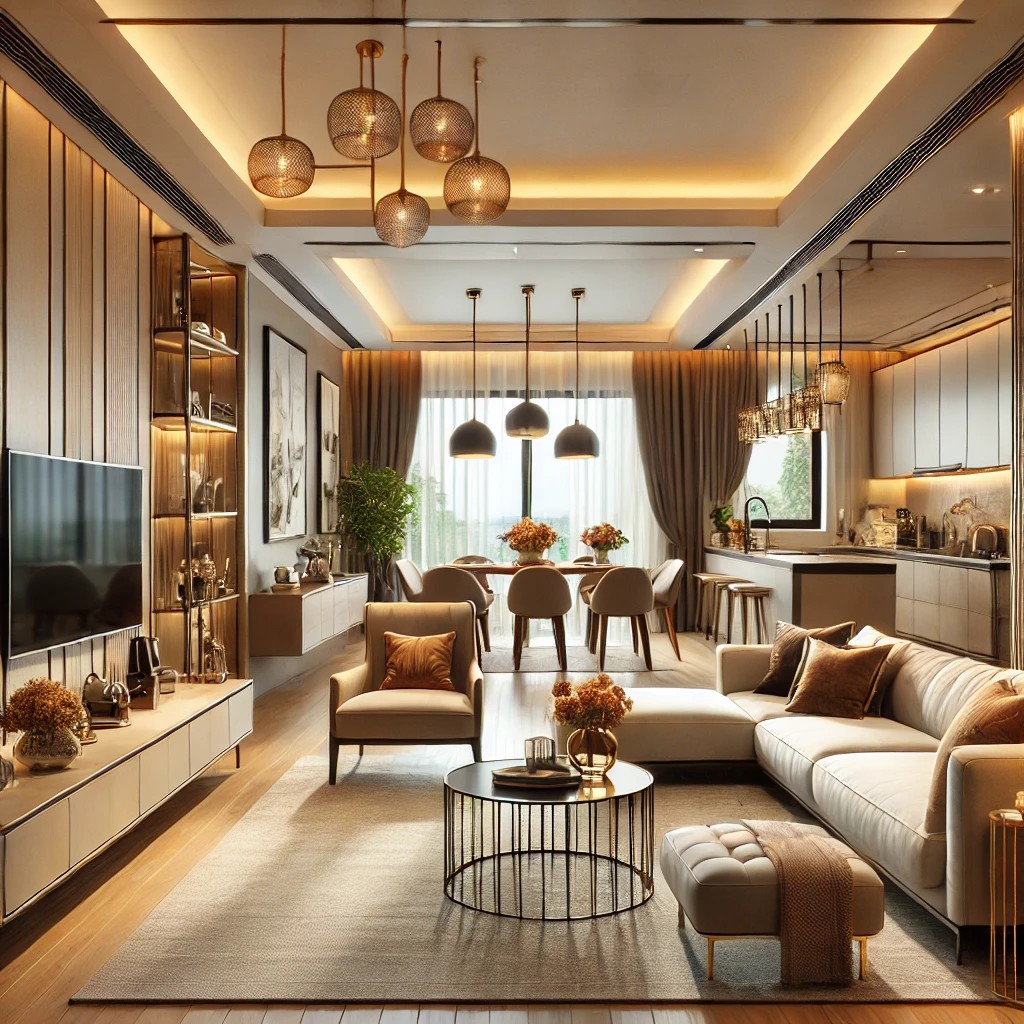
9. Flexible Layouts: Recognizing the need for adaptability, Gurgaon interior designers create flexible layouts. Open-concept living areas, movable partitions, and convertible furniture layouts allow residents to customize their living spaces based on their evolving needs.
10. Personalization: Each small house design in Gurgaon is tailored to the specific needs and preferences of the residents. Personalization ensures that the interior design not only optimizes space but also reflects the unique lifestyle and tastes of the individuals or families living in these homes.
In conclusion, Gurgaon’s interior design for small houses is a dynamic and adaptive field that responds to the challenges posed by urban living. By integrating smart design solutions, technological innovations, and cultural influences, interior designers in Gurgaon create small house interiors that are both practical and reflective of the city’s cosmopolitan identity.