
Exploring the Unique Characteristics of Delhi Architecture and Interiors
From historic neighbourhoods and Mughal influences to contemporary apartments and sophisticated urban homes, discover the design characteristics that make Delhi architecture and interiors unique.
Discuss Your Interior ProjectDelhi architecture and interiors are shaped by an unusually rich combination of history, culture, climate, urban development and contemporary lifestyles. Few Indian cities bring together historic monuments, colonial planning, traditional homes, modern apartments and luxury residences within such a diverse architectural environment.
This layered identity is also visible inside Delhi homes. Traditional materials and motifs can sit alongside contemporary furniture, modular kitchens, smart-home systems and minimalist lighting.
The result is not one single Delhi design style. Instead, the city offers a constantly evolving design language where heritage and modernity can coexist.
Why Delhi Architecture Has Such a Distinctive Character
Delhi’s architectural identity cannot be explained by one period or one aesthetic. The city has developed through multiple historical phases, each leaving its own influence on buildings, streets, neighbourhoods and public spaces.
Historic architecture, colonial-era planning, post-independence development and contemporary construction all exist within the wider Delhi urban landscape.
This layered character gives architects and interior designers an opportunity to reinterpret traditional ideas without simply reproducing them.

Mughal, Colonial and Traditional Influences in Delhi Design
Delhi’s historic architecture has introduced generations of designers to courtyards, arches, geometric patterns, stonework, jaali screens, ornamental details and strong relationships between shaded and open spaces.
Contemporary interiors do not necessarily need to reproduce historic architecture literally. Instead, individual characteristics can be reinterpreted through modern materials and simplified detailing.
Arches & Geometry
Arched openings and geometric forms can be translated into contemporary partitions, niches, doorways and furniture details.
Jaali Patterns
Perforated screens can provide privacy and visual separation while allowing light and air to move between spaces.
Stone & Earthy Materials
Stone and warm natural finishes can bring a sense of permanence and connection to Delhi’s architectural traditions.
Courtyard Thinking
The idea of creating an internal focal space can be adapted to contemporary homes through courtyards, light wells and green pockets.
Contemporary Homes Are Creating a New Delhi Interior Language
Modern Delhi homes often need to balance several requirements at once: efficient storage, comfortable family spaces, privacy, entertainment, work-from-home areas and a strong visual identity.
This has made space planning one of the most important aspects of residential interior design in Delhi.
- Open but carefully zoned living areas
- Custom storage and full-height wardrobes
- Modular kitchens with efficient work zones
- Neutral colour palettes with selective accents
- Layered architectural lighting
- Natural stone and wood-inspired finishes
- Flexible work and study areas
- Smart-home technology
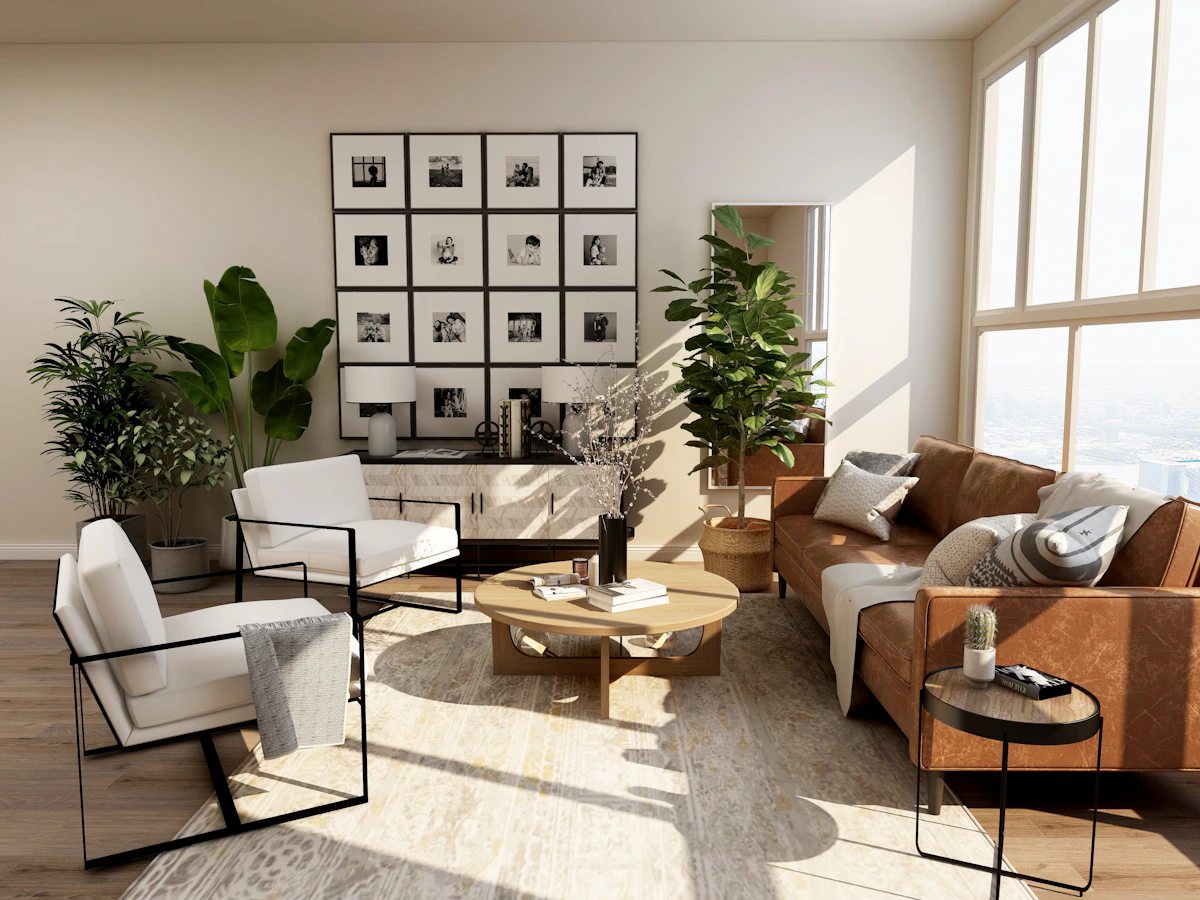
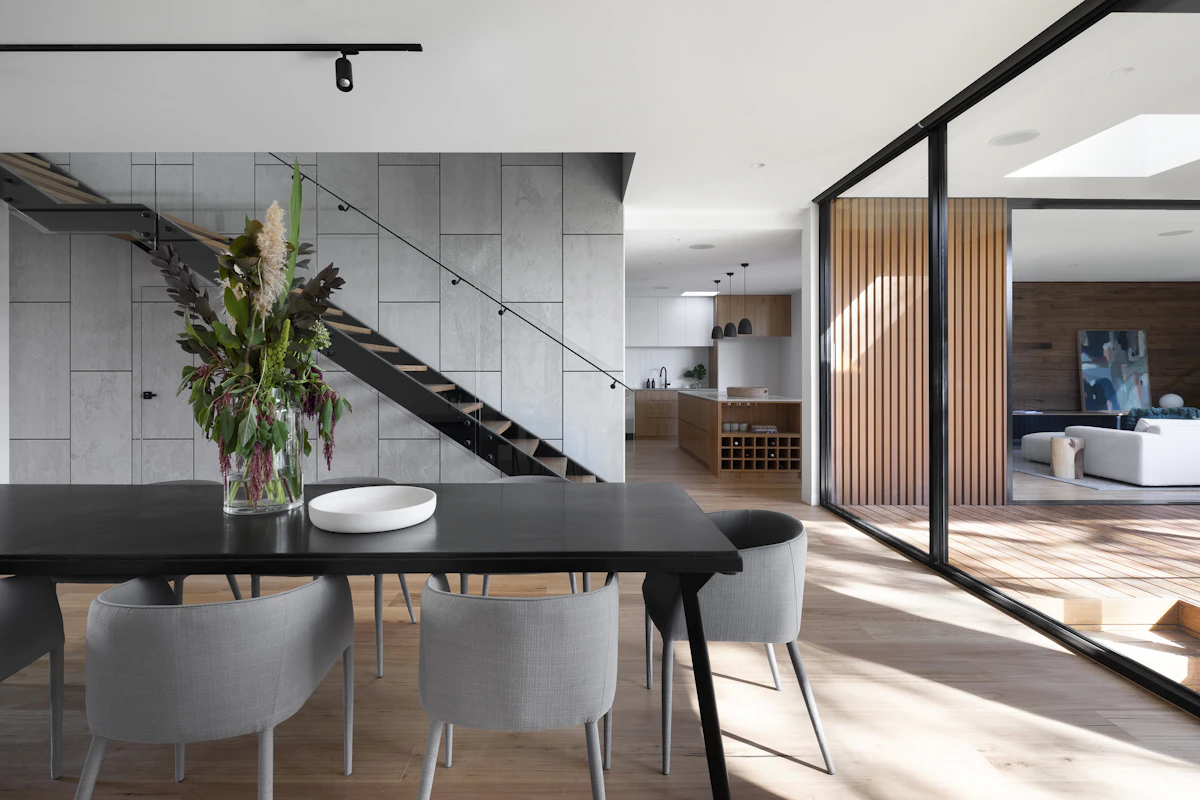

Designing the Contemporary Delhi Apartment
Apartments in Delhi frequently require a careful balance between openness and privacy. A successful layout can visually connect living, dining and kitchen areas while still providing functional separation.
Built-in furniture, concealed storage and carefully positioned lighting can make a compact apartment feel more spacious without sacrificing personality.
“Delhi’s strongest interiors do not choose between heritage and modernity; they reinterpret the past through the needs of contemporary life.”
Materials That Reflect Delhi’s Architectural Identity
Material selection has a major influence on how a Delhi interior feels. Stone, wood, metal, glass, textiles and handcrafted details can be combined to create interiors that feel contemporary while retaining a sense of place.
Designers can use material contrast to establish visual hierarchy. A textured stone wall may become a focal point, while warm wood and fabric surfaces soften the overall composition.

Lighting and Climate Shape Delhi Interiors
Delhi experiences strong seasonal changes, which makes daylight, shading, ventilation and artificial lighting important parts of residential design.
Large windows can provide valuable daylight, while curtains, blinds, screens and shading devices can help control glare and privacy. Artificial lighting should then be layered to complement daylight rather than simply replace it.
- Natural daylight
- General ambient lighting
- Task lighting for kitchens and work areas
- Accent lighting for artwork and architectural details
- Warm decorative lighting for evening use
Vastu and Spatial Flow in Delhi Home Interiors
Vastu principles remain relevant to many Delhi homeowners. Whether a homeowner follows Vastu closely or uses selected principles as a planning reference, the underlying objective is often to create a comfortable and harmonious relationship between spaces.
A thoughtful design approach should balance personal beliefs with practical requirements such as circulation, natural light, storage, ventilation and furniture ergonomics.
Spatial Flow
Plan clear movement paths between entry, living, dining, kitchen and private areas.
Natural Light
Use openings, reflective surfaces and lighter materials to distribute daylight throughout the home.
Functional Zoning
Separate public, semi-private and private activities without unnecessarily closing the home.
Personal Meaning
Integrate objects, art and details that reflect the family’s culture, memories and lifestyle.
Interior Design Services for Delhi Homes
Delhi residences vary considerably in size and architecture. A complete interior solution therefore needs to respond to each room individually while maintaining a consistent overall design language.

Living Room Interiors
Comfortable and visually balanced living spaces designed around family interaction, guests and everyday use.

Modular Kitchens
Efficient kitchen layouts combining storage, workflow, appliances, lighting and contemporary finishes.

Bedroom Interiors
Relaxed bedroom environments with custom storage, integrated lighting and personalized materials.

Kids’ Rooms
Flexible spaces that combine sleeping, study, storage and activity areas.
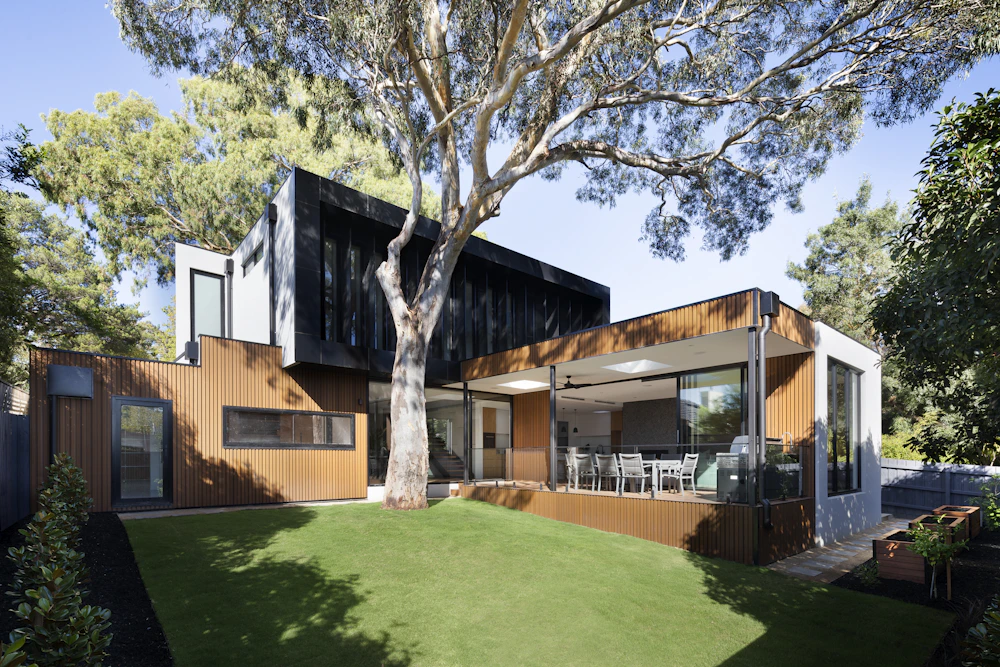
Dining Interiors
Dining areas planned around comfortable circulation, lighting and connection with adjacent living spaces.

Wardrobes & Storage
Customized storage systems designed to maximize available space while maintaining a clean architectural appearance.
How Delhi Interiors Combine Heritage With Contemporary Design
One of the most compelling characteristics of Delhi interior design is the possibility of combining traditional elements with modern architecture.
A contemporary apartment can include a handcrafted console, an Indian artwork collection, a brass accent, a carved screen or a traditional textile without becoming visually old-fashioned.
The key is proportion. Heritage details become more effective when used selectively against a clean contemporary background.

Sustainable Thinking in Delhi Architecture and Interiors
Sustainability is becoming increasingly important as Delhi and the wider NCR continue to experience urban growth.
At the building level, passive design, shading, efficient glazing, daylight and ventilation can influence environmental performance. At the interior level, durable materials, repairable furniture and efficient lighting can contribute to longer-lasting spaces.
- Maximizing useful daylight
- Efficient LED lighting
- Durable and repairable materials
- Responsible timber and material sourcing
- Indoor plants and biophilic elements
- Passive shading strategies
- Water-conscious planning

Technology Is Quietly Changing Delhi Home Interiors
Smart-home technology is increasingly being integrated into residential interiors without becoming the visual focus of the room.
Lighting, climate control, security, entertainment and window treatments can all be coordinated through integrated systems.
Smart Lighting
Create different lighting scenes for work, relaxation, entertainment and evening routines.
Motorized Blinds
Improve privacy and daylight control through automated window treatments.
Climate Control
Integrate temperature and air-quality management with the wider home environment.
Integrated Entertainment
Conceal speakers, screens and equipment within furniture and architectural elements.
Delhi Architecture and the Wider Delhi NCR Design Landscape
Delhi’s design influence extends naturally into the wider NCR. Gurgaon, Noida, Ghaziabad and Faridabad each have their own development patterns, yet homeowners across the region increasingly share similar expectations for modern, functional and personalized interiors.
This creates a larger design ecosystem in which traditional Delhi influences can coexist with contemporary approaches emerging across the NCR.
A Thoughtful Interior Design Process for Delhi Homes
Every Delhi home has its own architectural constraints and opportunities. A structured design process helps transform those conditions into a cohesive interior.
Consultation
Understand lifestyle, family requirements, design preferences and project priorities.
Site Study
Review measurements, natural light, existing architecture, circulation and functional requirements.
Design Concept
Develop layouts, material palettes, furniture concepts and lighting direction.
Visualization
Refine the proposal through drawings, selections and 3D visualizations.
Execution
Coordinate fabrication, materials, installation and finishing details through completion.
Delhi’s Architecture Is a Conversation Between Past and Present
The unique characteristics of Delhi architecture and interiors come from the city’s ability to absorb different influences without losing its identity.
Historic forms, traditional craftsmanship, colonial planning, contemporary architecture and modern technology can all contribute to the design of a Delhi home.
For homeowners, the most successful interiors are not necessarily the ones that follow a particular trend. They are spaces that understand the architecture of the property, respond to the family’s lifestyle and use materials, light, furniture and cultural references with intention.
Frequently Asked Questions About Delhi Architecture and Interiors
What makes Delhi architecture unique?
Delhi’s architecture reflects multiple historical and modern influences, including traditional Indian forms, Mughal-era architecture, colonial planning, post-independence development and contemporary urban construction.
What interior design styles are popular in Delhi?
Contemporary, modern minimalist, luxury, transitional and heritage-inspired interiors are all suitable for Delhi homes. Many projects combine modern planning with selected traditional materials, artwork and craftsmanship.
How can traditional Delhi architecture influence modern interiors?
Traditional influences can be introduced through arches, jaali screens, stone, wood, brass, Indian textiles, artwork, geometric patterns and courtyard-inspired planning.
Is Vastu important for Delhi home interiors?
Many homeowners consider Vastu during home planning. It can be incorporated alongside practical considerations such as circulation, daylight, ventilation, storage and furniture ergonomics.
How much does interior design cost in Delhi?
Interior design costs vary according to property size, design scope, materials, customization, furniture and execution requirements. A project-specific quotation is more useful than a single fixed price.
Can a modern Delhi apartment have traditional interiors?
Yes. Traditional details can be selectively incorporated into a contemporary apartment through furniture, artwork, textiles, materials, screens, lighting and decorative elements.
What should I consider when choosing an interior designer in Delhi?
Consider the designer’s portfolio, design approach, scope of services, material specifications, project process, communication, quotation and execution capabilities before making a decision.
Planning a Home Interior in Delhi?
Create a Delhi home that combines intelligent space planning, contemporary comfort and carefully selected design details while respecting the character of the property.
Book a Design ConsultationDelhi Architecture
Delhi, the capital city of India, boasts a rich tapestry of architectural styles and interior designs that reflect its diverse history and cultural influences. From ancient forts and palaces to modern residential and commercial spaces, the architecture of Delhi is a testament to its evolution over centuries.
The Blend of Historical and Modern Designs
Delhi’s architectural landscape is characterized by a fascinating blend of historical and contemporary elements. The city is home to ancient structures like the Red Fort and Humayun’s Tomb, which showcase Mughal architecture, featuring intricate carvings, massive gates, and beautiful gardens. In contrast, the modern architecture in areas such as Connaught Place reflects contemporary design principles with clean lines and innovative uses of materials, making it a vibrant juxtaposition against the backdrop of the historic buildings.
Interior Designs in Delhi Homes
The interior design scene in Delhi is equally vibrant and diverse. It incorporates various styles, from traditional Indian decor, which often includes ornate woodwork and rich fabrics, to minimalistic Scandinavian designs that emphasize simplicity and functionality. Home interiors in Delhi often reflect the owner’s personality, blending traditional Indian crafts with contemporary aesthetics, making each space unique.
In summary, Delhi architecture and interiors offer a unique glimpse into the city’s cultural heritage while embracing modern trends. This fusion creates an inviting environment that celebrates both the past and the present.