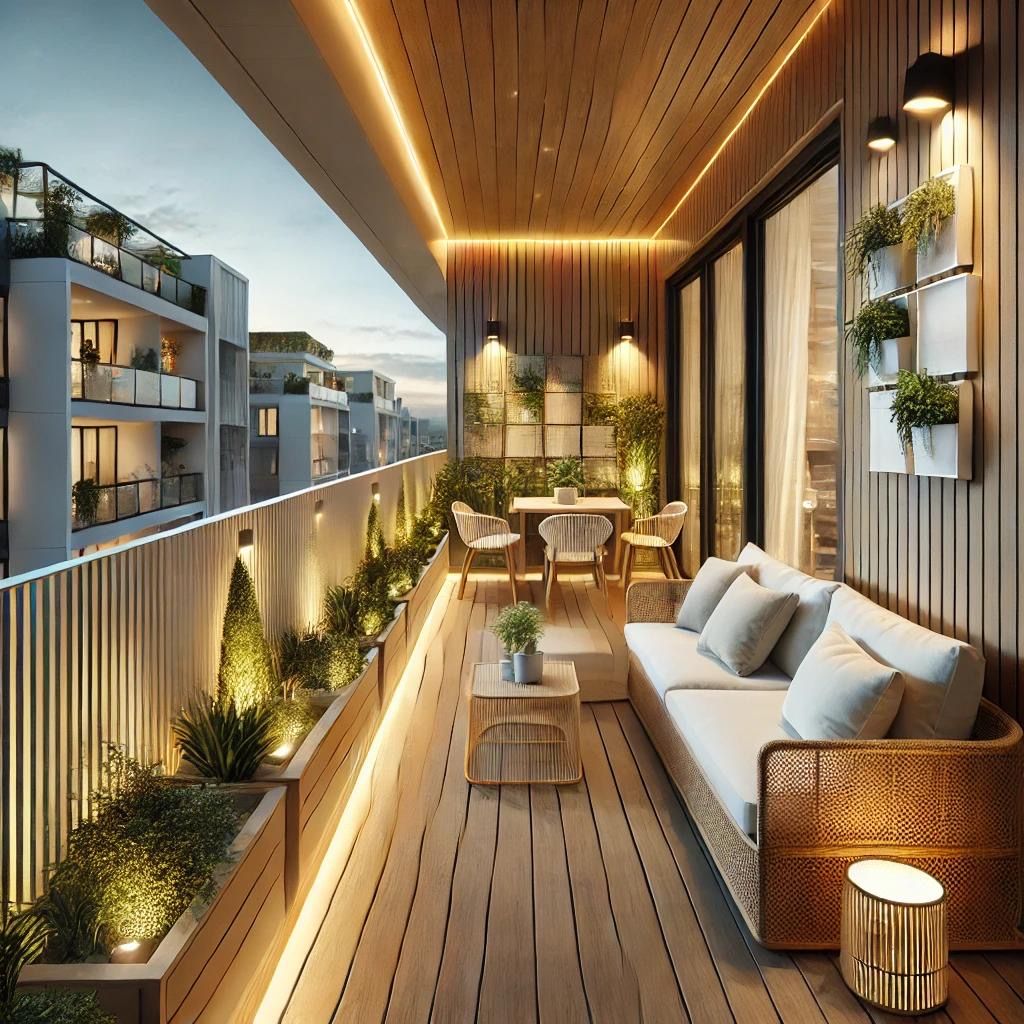
Introduction: Step into the creative realm where imagination takes form, and spaces come alive with personality. Designing the interior of an interior design studio is a thrilling endeavor that blends innovation, functionality, and artistic expression. Let’s explore the essential elements that transform a studio into a vibrant hub of creativity and inspiration.
1. “Open Concept Collaboration Spaces”: Foster a sense of collaboration with open concept workspaces. Design drafting tables, communal desks, and comfortable seating arrangements to encourage spontaneous creativity and idea exchange among the studio team.
2. “Inspiring Color Palette”: Set the mood with an inspiring color palette. Consider energizing hues like turquoise, mustard, or coral paired with neutral tones. The right colors can stimulate creativity and create a visually dynamic atmosphere within the studio.
3. “Flexible Workstations”: Adopt flexible workstations that cater to the diverse needs of designers. Adjustable desks, modular furniture, and versatile storage solutions allow for a customizable workspace that adapts to different projects and preferences.
4. “Showcasing Design Inspirations”: Curate a space that showcases design inspirations. Create mood boards, material samples, and display shelves to exhibit past projects and ongoing inspirations. This visual feast serves as a constant source of motivation and sparks creative ideas.
5. “Innovative Technology Integration”: Embrace innovative technology to enhance design processes. Interactive touchscreens, high-quality projectors, and virtual reality setups can elevate client presentations and collaborative brainstorming sessions within the studio.
6. “Comfortable Breakout Zones”: Design comfortable breakout zones where designers can unwind, recharge, and engage in casual discussions. Cozy seating, vibrant artwork, and perhaps a coffee station contribute to a relaxed yet inspiring environment.
7. “Strategic Lighting Design”: Illuminate the studio with strategic lighting. Incorporate a mix of natural light, task lighting for workstations, and ambient lighting for an inviting atmosphere. Well-placed lighting enhances both focus and creativity.
8. “Organized Material Libraries”: Establish organized material libraries within the studio. Shelving units or cabinets can house an extensive collection of fabric swatches, material samples, and finishes, providing a tangible resource for designers to draw inspiration from during the creative process.
9. “Personalized Workspaces”: Encourage designers to personalize their workspaces. Allow for individual touches, such as artwork, plants, or unique desk accessories. A personalized workspace fosters a sense of ownership and enhances overall job satisfaction.
10. “Client Presentation Spaces”: Create dedicated spaces for client presentations. Incorporate a large conference table, comfortable seating, and advanced presentation technology to showcase designs in a professional and captivating manner.
Conclusion: Designing an interior design studio is a poetic venture that intertwines functionality with artistic expression. By focusing on collaboration, inspiration, flexibility, and technological integration, you can craft a studio that not only nurtures creativity but also serves as a testament to the design prowess of your team. Welcome to a space where dreams are conceived and design takes center stage.