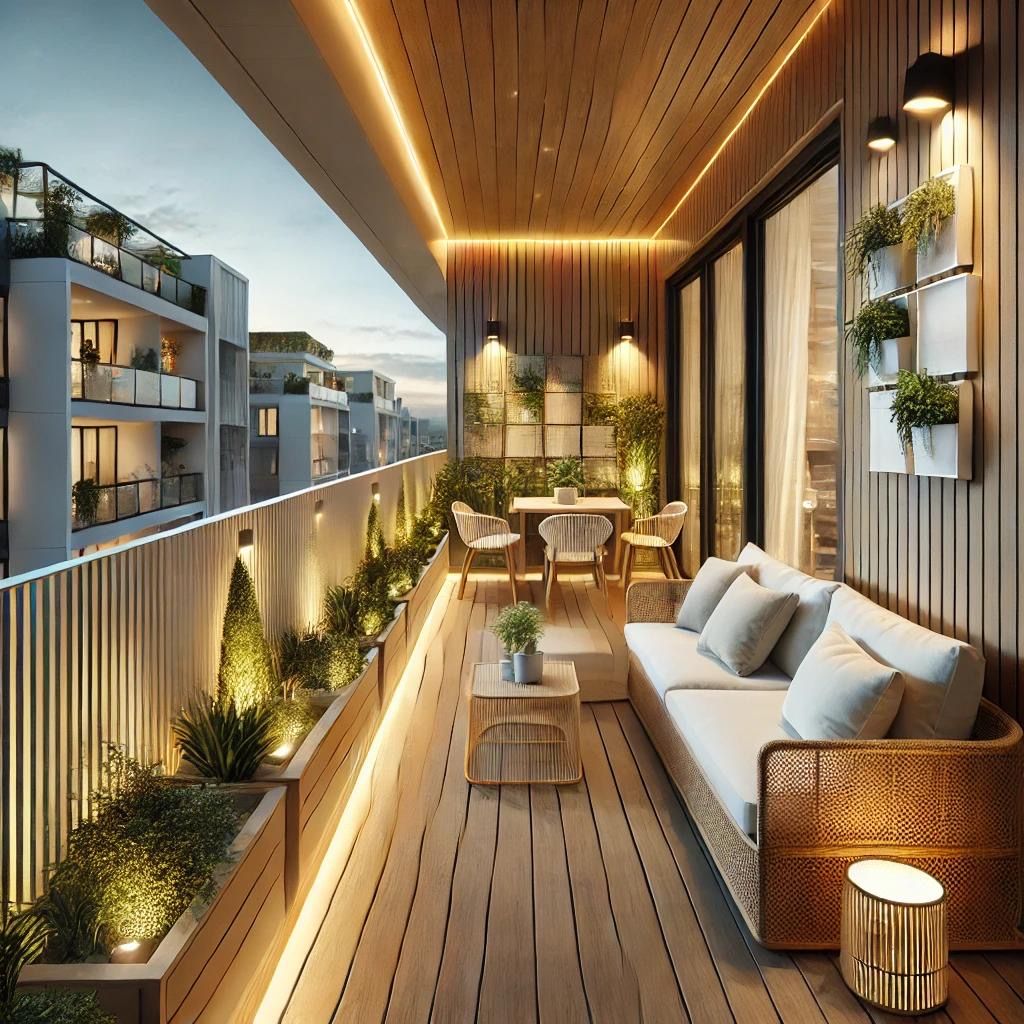
Introduction: As global awareness of environmental issues continues to grow, sustainability has become a paramount consideration in the fields of interior design and decoration. This blog explores the perspectives of interior designers and interior decorators on sustainability, shedding light on the approaches, practices, and considerations that guide them as they contribute to a greener and more eco-conscious design ethos.
- Interior Designers: Orchestrating Sustainable Spatial Transformations
- Materials and Resource Selection:
- Approach: Interior designers prioritize the use of sustainable and eco-friendly materials in their projects. From recycled and reclaimed wood to low-impact paints and finishes, material selection plays a pivotal role in reducing the environmental footprint of designs.
- Impact: The conscious choice of materials contributes to resource conservation, waste reduction, and the promotion of environmentally responsible manufacturing practices.
- Energy-Efficient Design Strategies:
- Approach: Designers incorporate energy-efficient design strategies, such as maximizing natural light, optimizing thermal insulation, and selecting energy-efficient appliances. These considerations aim to reduce energy consumption and enhance the overall sustainability of the designed spaces.
- Impact: Energy-efficient design not only lowers operational costs for occupants but also minimizes the ecological impact associated with excessive energy use.
- Adaptive Reuse and Upcycling:
- Approach: Interior designers embrace adaptive reuse and upcycling as sustainable design practices. Repurposing existing structures, furniture, and materials minimizes the demand for new resources and contributes to the preservation of cultural and architectural heritage.
- Impact: The incorporation of adaptive reuse and upcycling aligns with the principles of circular design, extending the lifespan of materials and reducing the environmental impact of waste.
- Holistic Lifecycle Analysis:
- Approach: Designers conduct holistic lifecycle analyses of products and materials, considering their environmental impact from production to disposal. This approach ensures that design choices align with a commitment to sustainability throughout the entire lifecycle of each element.
- Impact: Holistic lifecycle analysis allows designers to make informed decisions, considering factors such as carbon footprint, recyclability, and durability, to create environmentally responsible designs.
- Materials and Resource Selection:
- Interior Decorators: Sustainable Aesthetics and Conscious Choices
- Eco-Friendly Furnishings and Decor:
- Approach: Decorators prioritize eco-friendly furnishings and decor items made from sustainable materials. From bamboo furniture to recycled metal accents, the focus is on curating spaces that are both aesthetically pleasing and environmentally conscious.
- Impact: The emphasis on eco-friendly furnishings promotes sustainable manufacturing practices and encourages the adoption of materials with minimal environmental impact.
- Local and Artisanal Sourcing:
- Approach: Decorators lean towards sourcing locally and supporting artisanal craftsmanship. By choosing locally produced items and supporting traditional crafts, decorators contribute to the reduction of transportation-related emissions and the preservation of cultural diversity.
- Impact: Local and artisanal sourcing fosters a connection between the design industry and local communities, emphasizing sustainability through reduced transportation distances and the preservation of traditional skills.
- Minimalism and Thoughtful Consumption:
- Approach: Decorators embrace minimalism and advocate for thoughtful consumption. By encouraging clients to prioritize quality over quantity and invest in timeless pieces, decorators contribute to a more sustainable approach to interior design.
- Impact: Minimalism and thoughtful consumption reduce unnecessary waste, promote longevity in design choices, and align with the principles of sustainable living.
- Educating Clients on Sustainable Choices:
- Approach: Decorators take on an educational role, guiding clients on sustainable choices in furnishings, decor, and lifestyle practices. This involves raising awareness about eco-friendly options, responsible consumption, and the long-term benefits of sustainability.
- Impact: Educated clients become advocates for sustainable design, influencing broader adoption of eco-conscious choices and contributing to a cultural shift towards more environmentally responsible living.
- Eco-Friendly Furnishings and Decor:
- Collaborative Harmony: Balancing Aesthetics and Environmental Ethics
- Collaboration between Designers and Decorators:
- Synergy: The collaborative harmony between interior designers and decorators ensures a balanced approach to sustainability. Designers provide the structural foundation with eco-friendly architecture and materials, while decorators infuse sustainable aesthetics and choices that align with client preferences.
- Impact: The combined efforts result in spaces that seamlessly integrate sustainability, aesthetics, and functionality, showcasing a unified commitment to environmentally conscious design.
- Strategic Green Certifications:
- Impact: Designers and decorators may seek and promote green certifications for projects, such as LEED (Leadership in Energy and Environmental Design) or other regional sustainability certifications. These certifications act as benchmarks for environmentally responsible design, providing recognition for projects that meet stringent sustainability standards.
- Community Engagement:
- Impact: Both designers and decorators engage with communities to promote sustainable design practices. This may involve participating in local sustainability initiatives, educating the public on eco-friendly design choices, and fostering a sense of shared responsibility for environmental stewardship.
- Technological Integration for Sustainability:
- Impact: Both professionals integrate technology into their practices to enhance sustainability. This may involve using digital tools for energy-efficient lighting design, employing smart home technologies for energy conservation, and utilizing digital platforms for sustainable material sourcing.
- Collaboration between Designers and Decorators:
Conclusion: The perspectives of interior designers and interior decorators on sustainability converge in a shared commitment to creating environmentally responsible designs. While designers focus on architectural elements, spatial planning, and holistic lifecycle analyses, decorators emphasize sustainable aesthetics, eco-friendly furnishings, and client education. The collaborative harmony between these professionals results in spaces that seamlessly blend aesthetics with environmental ethics, showcasing a collective dedication to designing a greener and more sustainable tomorrow.