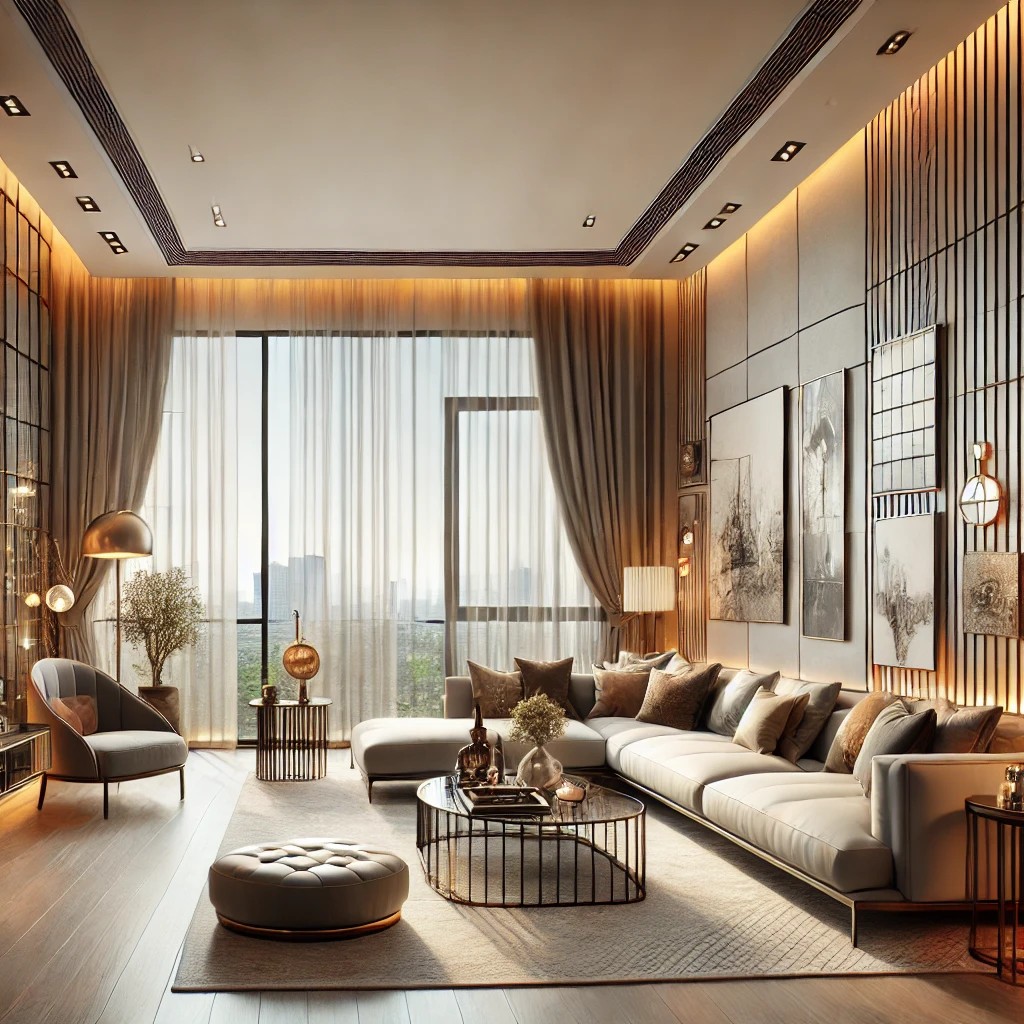
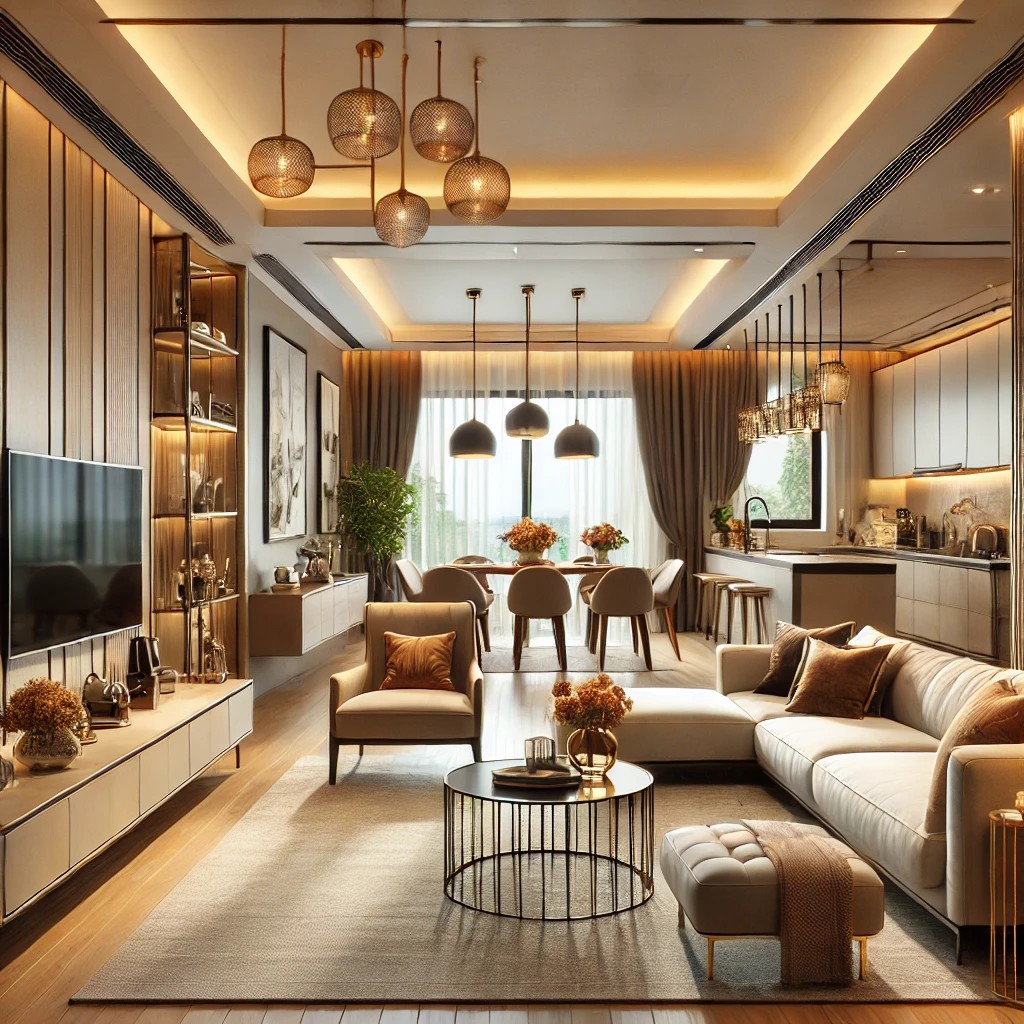
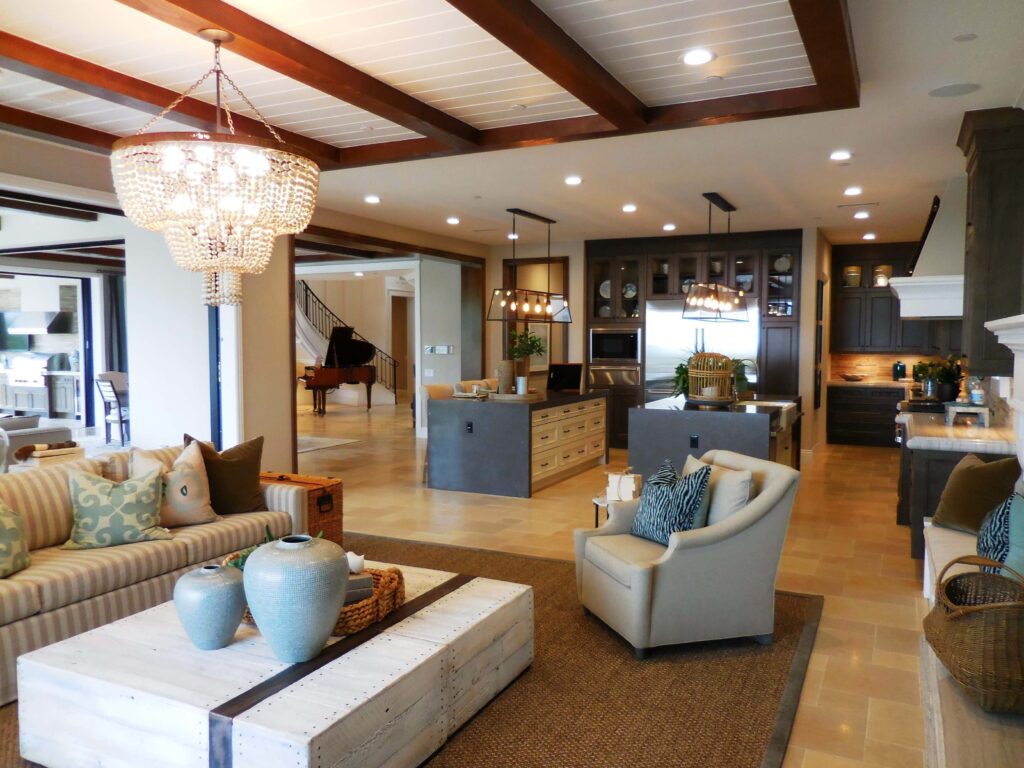
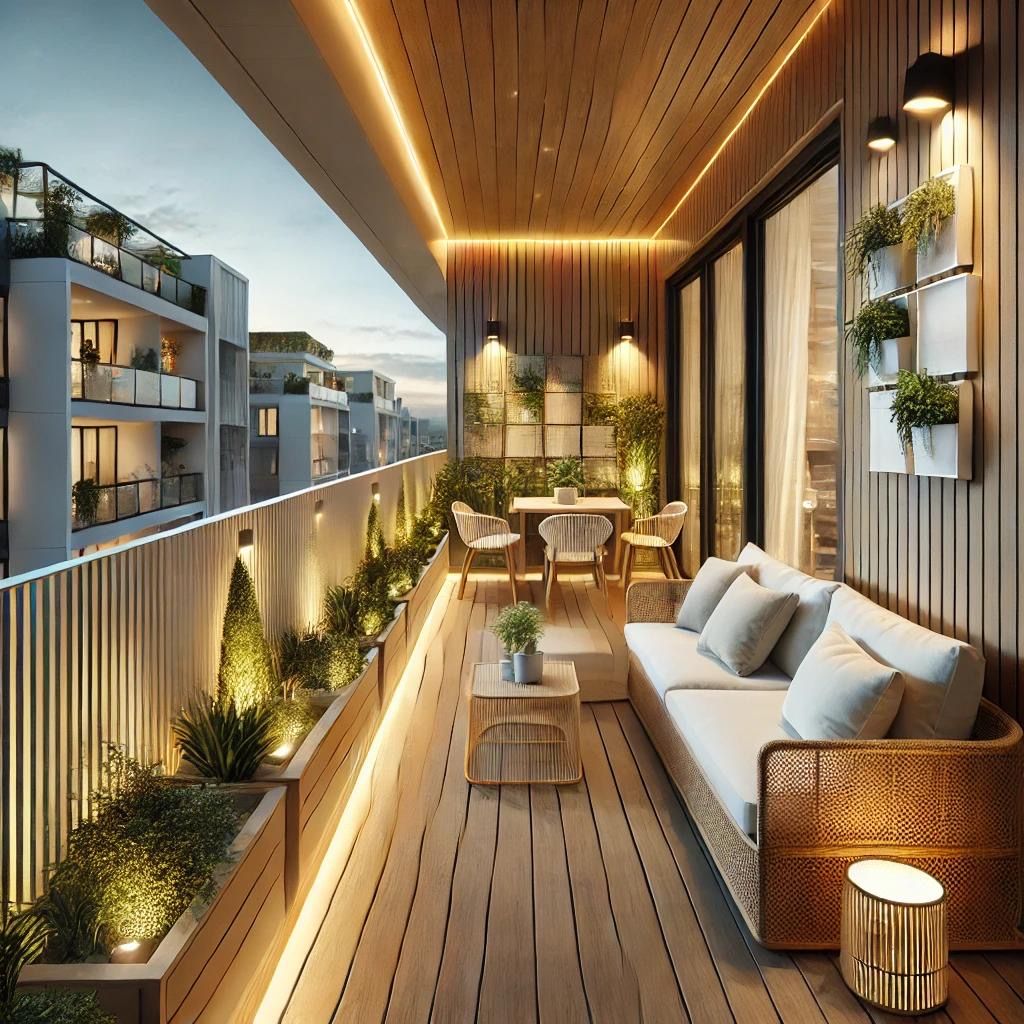
Introduction: Dining out is not just about the food; it’s an immersive experience that begins the moment you step through the door. Restaurant interior design plays a pivotal role in creating the ambiance that complements the culinary journey. Join me as we explore the art and science of crafting inviting and memorable restaurant interiors.
**1. Theme and Concept: The theme and concept of a restaurant serve as the foundation for its interior design. Whether it’s a rustic bistro, a sleek fine-dining establishment, or a vibrant fusion eatery, the theme sets the tone for the entire dining experience.
**2. Layout and Seating Arrangements: Efficient layout and strategic seating arrangements are crucial for optimizing the dining space. Balancing intimacy with openness, designers consider the flow of traffic, proximity to service areas, and the overall comfort of patrons when crafting seating plans.
**3. Lighting Design: Lighting is a key element that sets the mood in restaurant interiors. From ambient pendant lights to focused task lighting over tables, a well-designed lighting scheme creates a warm and inviting atmosphere, enhancing the dining experience.
**4. Color Palette: The color palette chosen for restaurant interiors significantly influences the overall ambiance. Warm tones like earthy browns and rich reds create a cozy feel, while cool tones like blues and greens evoke a more contemporary and refreshing vibe.
**5. Material Selection: The choice of materials contributes to the tactile experience of diners. From natural wood finishes to industrial-inspired metals, each material is selected to align with the restaurant’s theme and convey a sense of quality and craftsmanship.
**6. Art and Decor: Art and decor elements are carefully curated to enhance the visual appeal of restaurant interiors. Whether it’s statement artwork, unique sculptures, or thematic decor pieces, these elements contribute to the personality and character of the space.
**7. Open Kitchen Concepts: Open kitchen concepts have gained popularity, allowing diners to witness the culinary artistry firsthand. The transparency of an open kitchen adds an interactive element, creating a dynamic and engaging atmosphere.
**8. Acoustic Design: Acoustic considerations are paramount, especially in bustling restaurant environments. Designers incorporate sound-absorbing materials and strategic layout arrangements to ensure a pleasant auditory experience for diners.
**9. Signature Furniture: Signature furniture pieces contribute to the brand identity of a restaurant. Whether it’s bespoke chairs, custom-designed tables, or iconic bar stools, these elements become integral parts of the visual narrative.
**10. Greenery and Natural Elements: Integrating greenery and natural elements brings a breath of fresh air to restaurant interiors. Indoor plants, living walls, or even strategically placed herb gardens not only enhance aesthetics but also contribute to a sense of vitality and well-being.
Conclusion: Restaurant interior design is a delicate dance between form and function, where every detail contributes to the overall dining experience. From the choice of materials and lighting to the layout and thematic elements, each decision is a brushstroke on the canvas of culinary enjoyment. The perfect restaurant interior is a harmonious symphony that leaves a lasting impression, inviting patrons to savor not just the flavors on their plates but the ambiance that surrounds them.