Introduction
C-Scheme in Jaipur is a vibrant neighborhood known for its blend of modernity and tradition. As awareness of environmental issues increases, homeowners are looking for ways to create sustainable living spaces that reflect their values. Eco-friendly interior design plays a crucial role in this transformation, allowing residents to enjoy stylish, functional homes while minimizing their ecological footprint. This blog explores how an eco-friendly interior designer can help create sustainable homes in C-Scheme.
The Importance of Eco-Friendly Interior Design
Eco-friendly interior design focuses on creating healthy, sustainable spaces that promote well-being while reducing negative environmental impacts. It involves using materials, practices, and products that are eco-conscious and energy-efficient. In C-Scheme, where modern lifestyles often lead to environmental challenges, embracing sustainable design can significantly enhance the quality of life for residents.
Key Principles of Eco-Friendly Interior Design
- Sustainable Materials: An eco-friendly interior designer prioritizes the use of sustainable, non-toxic materials such as bamboo, reclaimed wood, recycled metal, and low-VOC (volatile organic compounds) paints. These materials not only reduce environmental impact but also enhance indoor air quality.
- Energy Efficiency: Incorporating energy-efficient appliances, lighting, and HVAC systems is essential in sustainable design. Designers focus on maximizing natural light through strategic window placements and using energy-efficient LED lighting to reduce electricity consumption.
- Water Conservation: Eco-friendly design includes the implementation of water-saving fixtures and sustainable landscaping practices. Rainwater harvesting systems, low-flow faucets, and drought-resistant plants help minimize water usage.
- Indoor Air Quality: Enhancing indoor air quality is a key aspect of eco-friendly design. Designers often recommend using natural textiles, air-purifying plants, and materials that emit low levels of toxins, creating a healthier living environment.
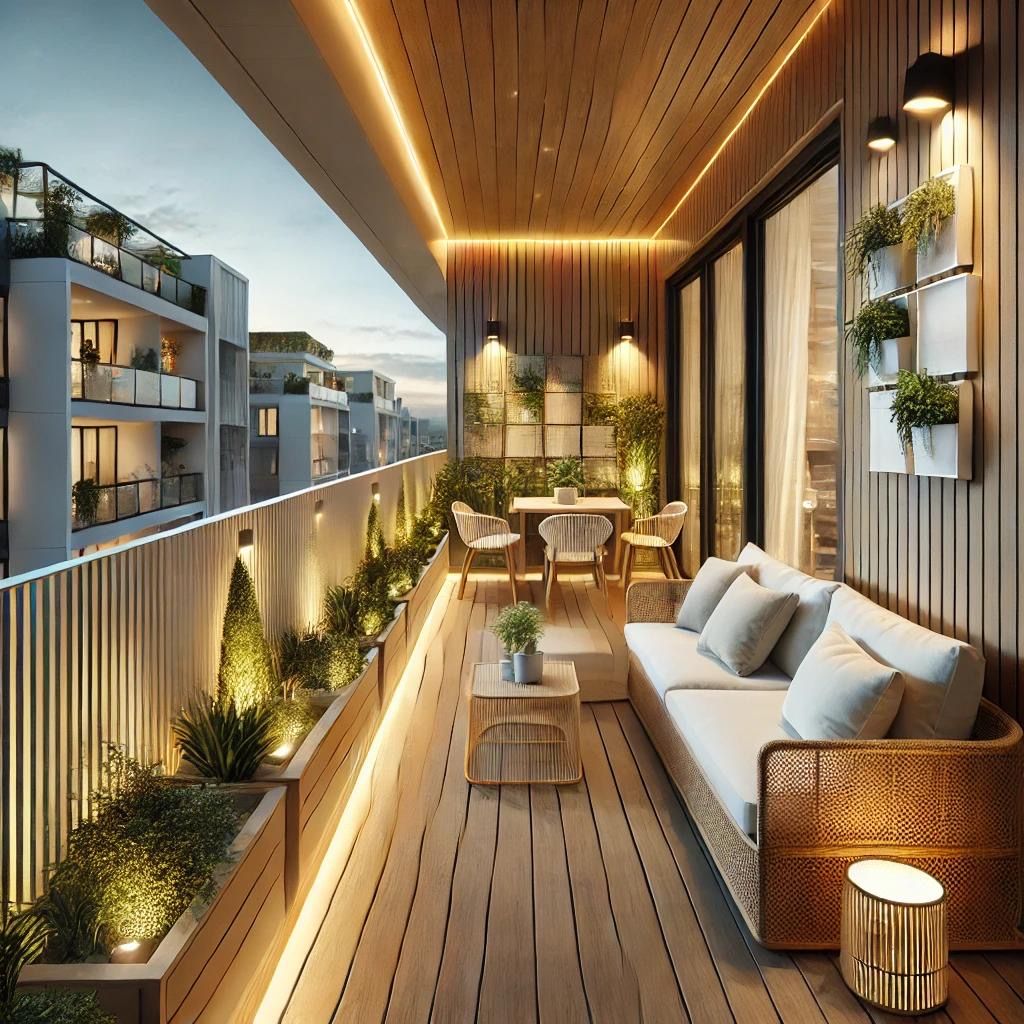
- Biophilic Design: This design approach connects residents with nature, incorporating elements such as natural light, greenery, and water features. It not only enhances aesthetics but also promotes mental well-being.
Benefits of Hiring an Eco-Friendly Interior Designer in C-Scheme
- Customized Sustainable Solutions: An eco-friendly designer works closely with homeowners to develop tailored solutions that align with their sustainability goals while reflecting their personal style.
- Expertise in Sustainable Practices: Designers stay updated on the latest trends and technologies in sustainable design, providing homeowners with innovative ideas that enhance both functionality and aesthetics.
- Cost Savings: While eco-friendly materials and practices may have an upfront cost, they can lead to significant long-term savings through reduced energy bills and maintenance costs.
- Increased Property Value: Sustainable homes are increasingly in demand, and investing in eco-friendly design can enhance property value, making it a smart investment for the future.
Conclusion
Transforming your home in C-Scheme into a sustainable haven is achievable with the help of an eco-friendly interior designer. By focusing on sustainable materials, energy efficiency, and thoughtful design principles, these professionals can create spaces that not only look beautiful but also contribute positively to the environment. Embrace eco-friendly design and enjoy a home that reflects your commitment to sustainability.
FAQs About Eco-Friendly Interior Design for Sustainable Homes in C-Scheme
1. What should I look for when hiring an eco-friendly interior designer in C-Scheme?
Look for experience with sustainable design, a strong portfolio of eco-friendly projects, and a deep understanding of sustainable materials and practices. Effective communication is also important.
2. How long does an eco-friendly interior design project typically take?
The timeline can vary based on the project’s scope, but a complete design project for a sustainable home may take several weeks to months, depending on its complexity.
3. Can I achieve a sustainable design on a budget?
Yes! Many eco-friendly solutions are budget-friendly, and a designer can help you find affordable options that reduce your environmental impact without compromising style.
4. What are some common eco-friendly materials used in interior design?
Common eco-friendly materials include bamboo, reclaimed wood, recycled glass, and low-VOC paints. A designer can recommend the best materials for your specific project.
5. How can I ensure my home is energy-efficient?
A designer will incorporate energy-efficient appliances, proper insulation, and smart design strategies that maximize natural light and reduce energy consumption.
6. What role does indoor air quality play in eco-friendly design?
Indoor air quality is essential for health and well-being. Eco-friendly designs prioritize materials and products that minimize toxins, as well as the inclusion of air-purifying plants.
7. Can I incorporate biophilic design into my home?
Absolutely! Biophilic design can be easily integrated through the use of natural materials, ample greenery, and maximizing natural light to create a connection with nature.