Introduction: Designing the interior of your house is a deeply personal and rewarding endeavor. It’s about creating spaces that resonate with your lifestyle, preferences, and individuality. In this blog, we’ll embark on a comprehensive journey through the world of house interior design, exploring key principles, popular styles, and practical tips to help you transform your house into a home.
- Understanding Your Lifestyle: The first step in house interior design is understanding your lifestyle. Consider your daily routines, family dynamics, and how each space will be used. This knowledge serves as the foundation for making design decisions that align with your needs and preferences.
- Establishing a Cohesive Theme: Choose a cohesive theme or style that will unify the entire house. Whether it’s contemporary, traditional, minimalist, or eclectic, having a consistent theme creates a harmonious flow from room to room, contributing to a cohesive and aesthetically pleasing environment.
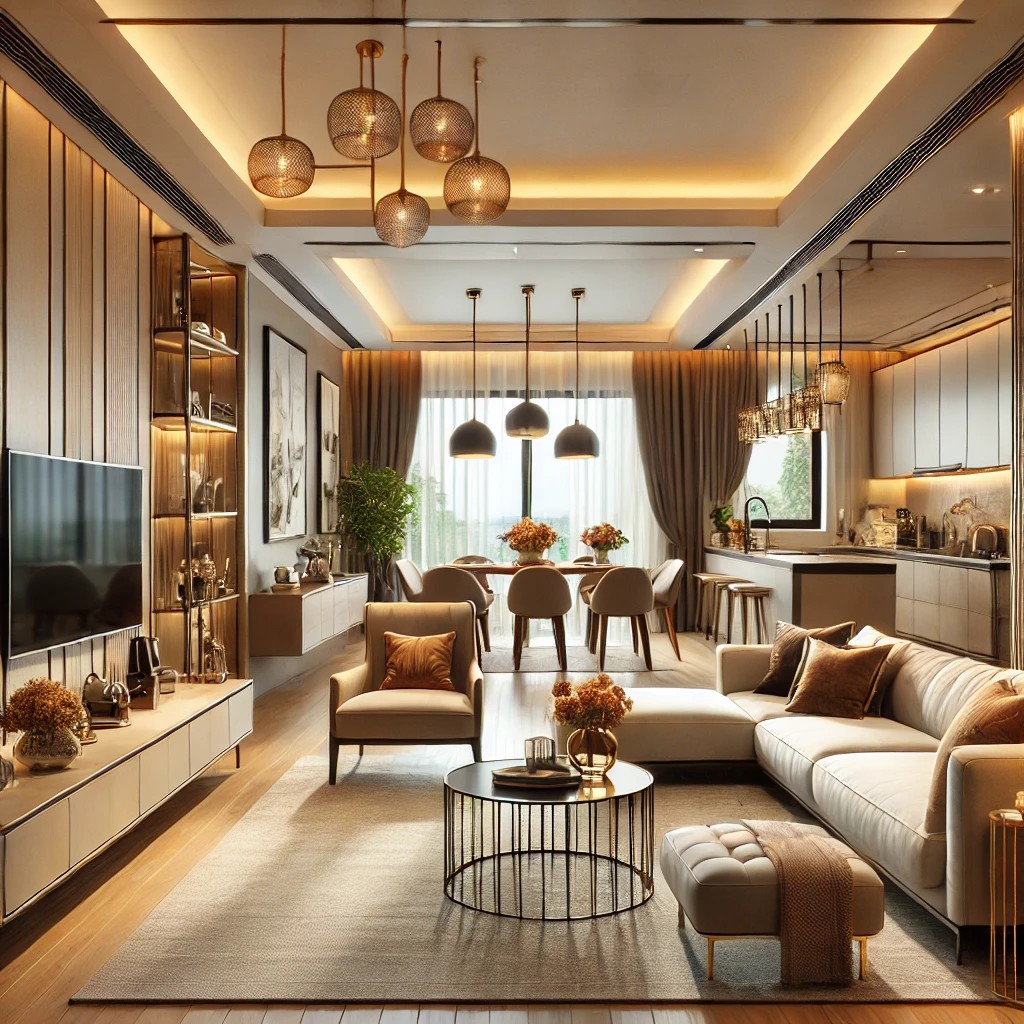
- Functional Layouts: Prioritize functional layouts that maximize the use of space. Consider the placement of furniture, the flow of movement, and the overall organization of each room. An efficient layout enhances both comfort and practicality.
- Color Palette Selection: Selecting a color palette is a crucial aspect of house interior design. Choose colors that resonate with your personality and evoke the desired ambiance for each room. Consider using a mix of neutral tones, bold accents, and complementary shades for a balanced and visually appealing palette.
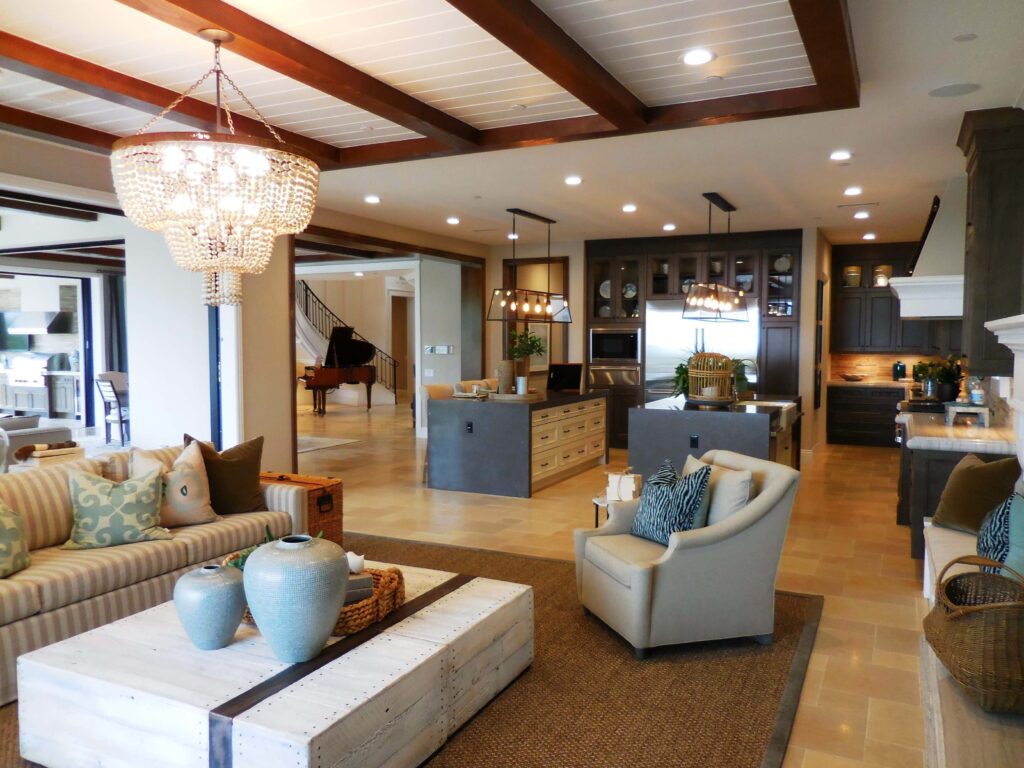
- Furniture Choices: Invest in quality and comfortable furniture that complements your chosen theme. Consider the size and scale of each piece to ensure it fits well within the space. Versatile and multi-functional furniture is ideal for optimizing both style and practicality.
- Artistic Wall Treatments: Elevate your house’s interior with artistic wall treatments. From accent walls and textured wallpaper to creative paint techniques and wall decals, these treatments add character and depth to the overall design.
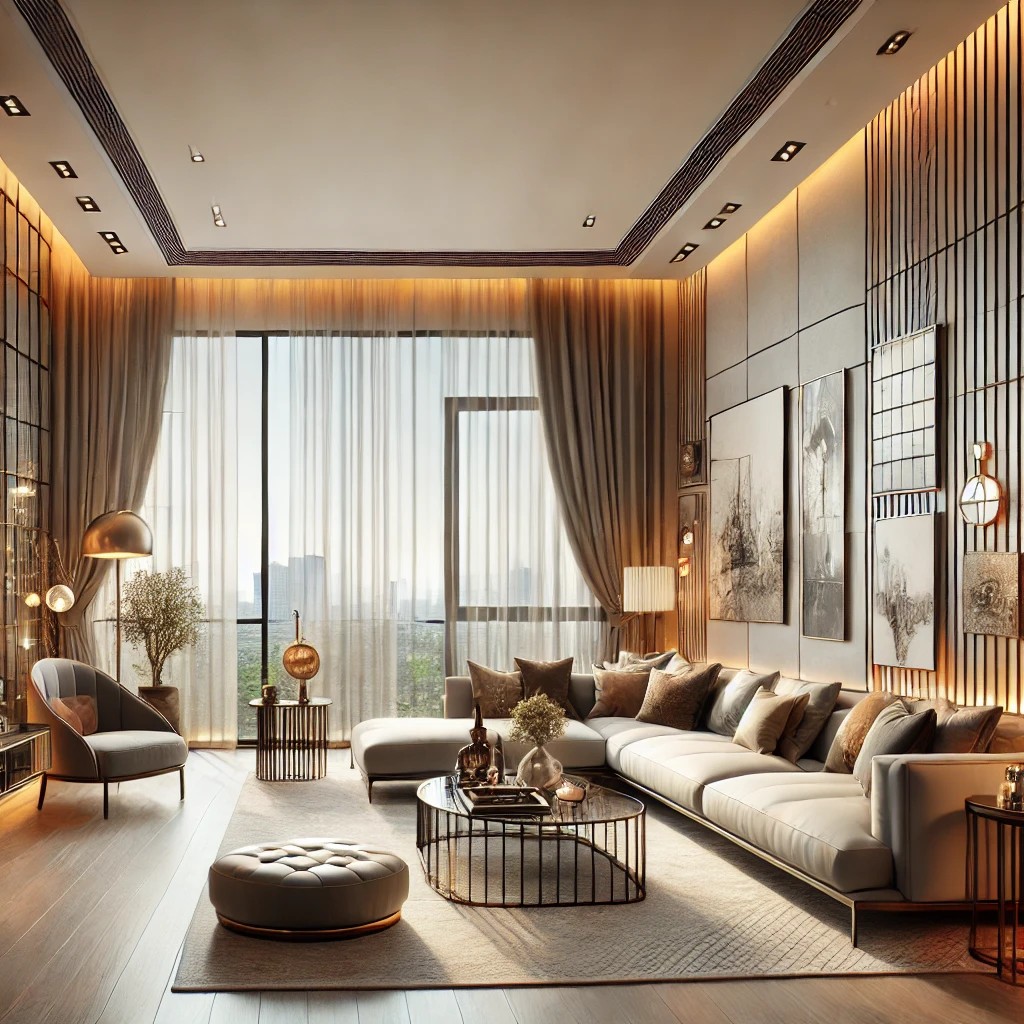
- Ample Lighting Solutions: Pay attention to lighting as it significantly influences the mood of each room. Incorporate a mix of ambient, task, and accent lighting to create a layered and inviting atmosphere. Experiment with stylish light fixtures that complement the overall design.
- Personalized Decor Elements: Infuse your personality into your house through personalized decor elements. Display cherished artwork, family photos, and unique decor items that tell your story. These personal touches add warmth and character to your living spaces.
- Creating Cozy Retreats: Design cozy retreats within your house for relaxation. Incorporate comfortable seating, plush textiles, and ambient lighting in areas like reading nooks or cozy corners. These retreats offer intimate spaces for unwinding and contemplation.
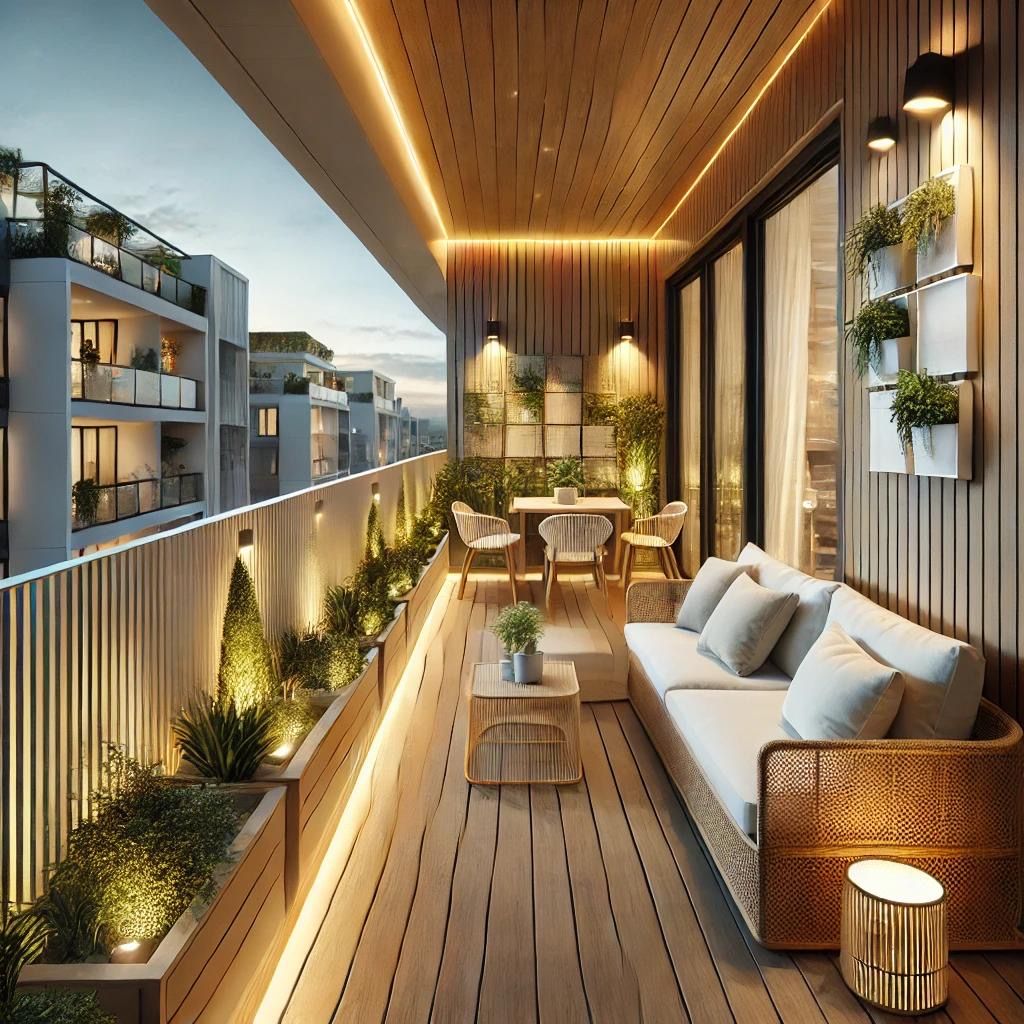
- Embracing Outdoor Connectivity: If applicable, seamlessly connect your house to outdoor spaces. Consider large windows, patio doors, or even a well-designed outdoor living area. Bringing the outdoors inside creates a sense of continuity and enhances the overall living experience.
Conclusion: House interior design is a dynamic and evolving process that reflects your lifestyle, tastes, and aspirations. By understanding your needs, establishing a cohesive theme, and paying attention to details like color, furniture, and lighting, you can create a house that not only looks beautiful but feels like a true reflection of your unique identity. Ultimately, house interior design is about crafting a space that nurtures comfort, creativity, and a profound sense of belonging.