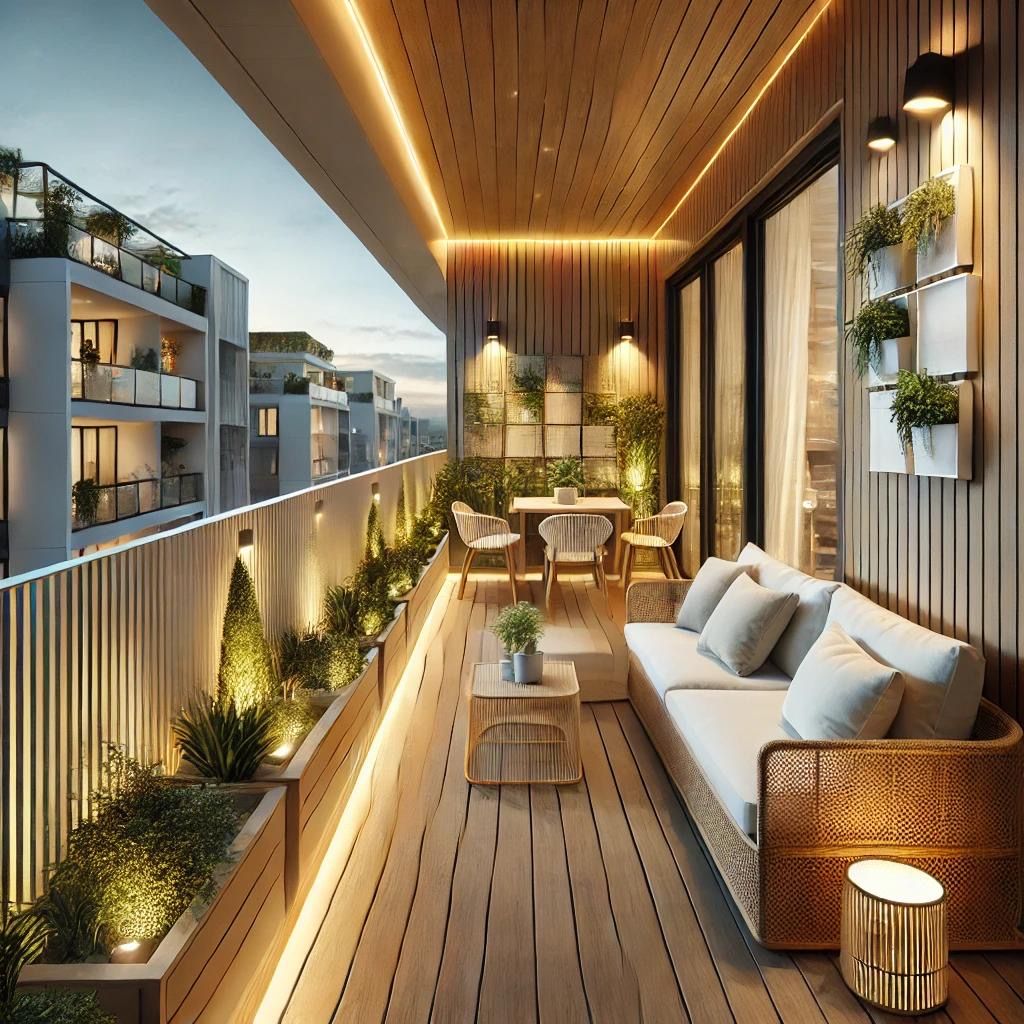
Introduction: Interior design is more than just arranging furniture and selecting color palettes; it’s an art form that transforms houses into homes. In this blog, we’ll delve into the enchanting world of interior design for homes, unraveling the key principles, styles, and considerations that make each space uniquely inviting and reflective of the inhabitants’ personalities.
- Designing with Purpose: At the core of interior design for homes is a sense of purpose. Each room should serve a specific function, whether it’s a cozy living area for relaxation, a vibrant kitchen for culinary creativity, or a serene bedroom for restful sleep. Understanding the purpose of each space lays the foundation for a well-designed home.
- Style Exploration: Homes come in various shapes and sizes, just like personal tastes. From contemporary and minimalist to traditional or eclectic, there are numerous interior design styles to explore. Finding a style that resonates with your personality and preferences ensures a cohesive and visually pleasing home aesthetic.
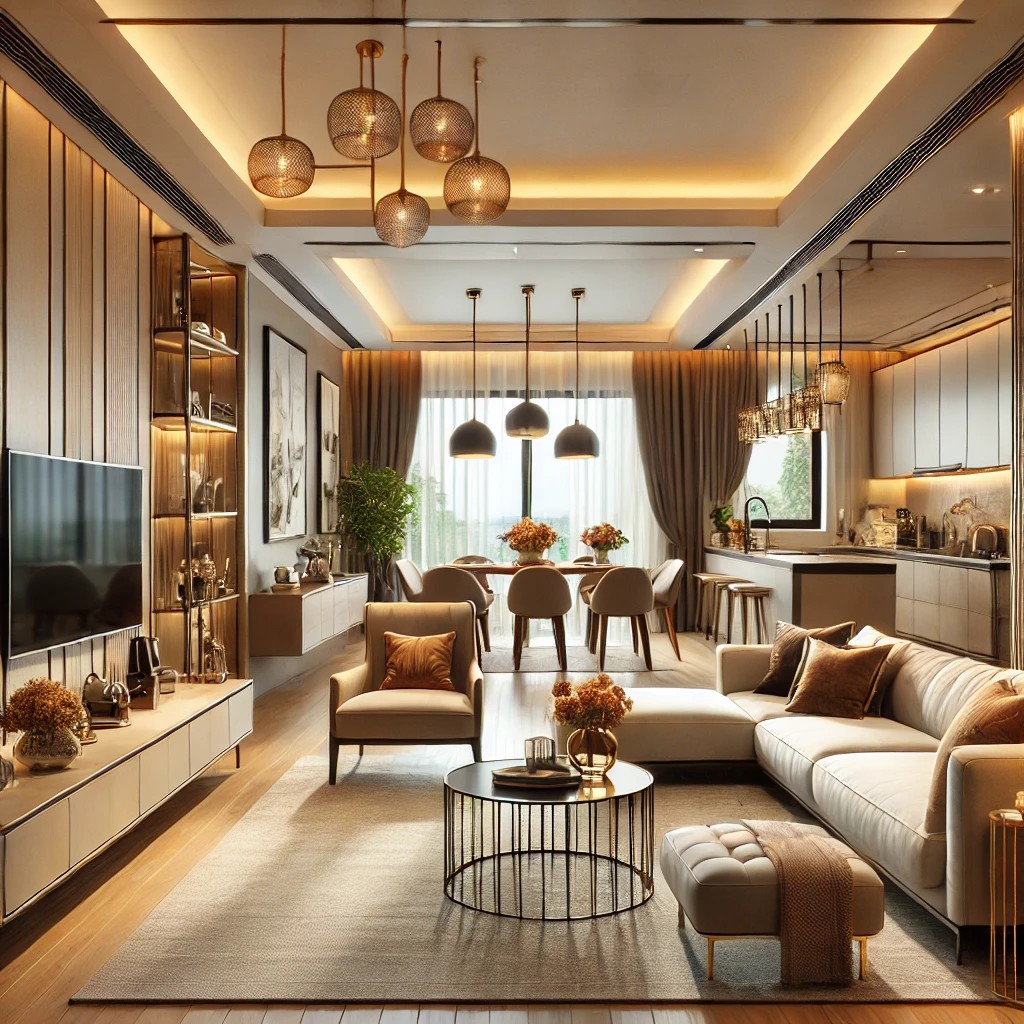
- Functional Layouts: Effective space planning is crucial in interior design for homes. Consider the flow of movement within each room, the placement of furniture, and the utilization of available space to create functional layouts. A well-organized home enhances both comfort and efficiency.
- Color Psychology: Colors have the power to influence mood and atmosphere. Choose a color palette that reflects the desired ambiance for each room. Calming blues for bedrooms, energetic reds for dining areas, and neutral tones for living spaces are examples of how color psychology can be applied to enhance the overall feel of a home.
- Personalized Touches: Personalization is the soul of a home. Incorporate elements that hold sentimental value, such as family photos, cherished artworks, or handmade decor items. These personalized touches infuse the space with warmth and character, making it truly unique.
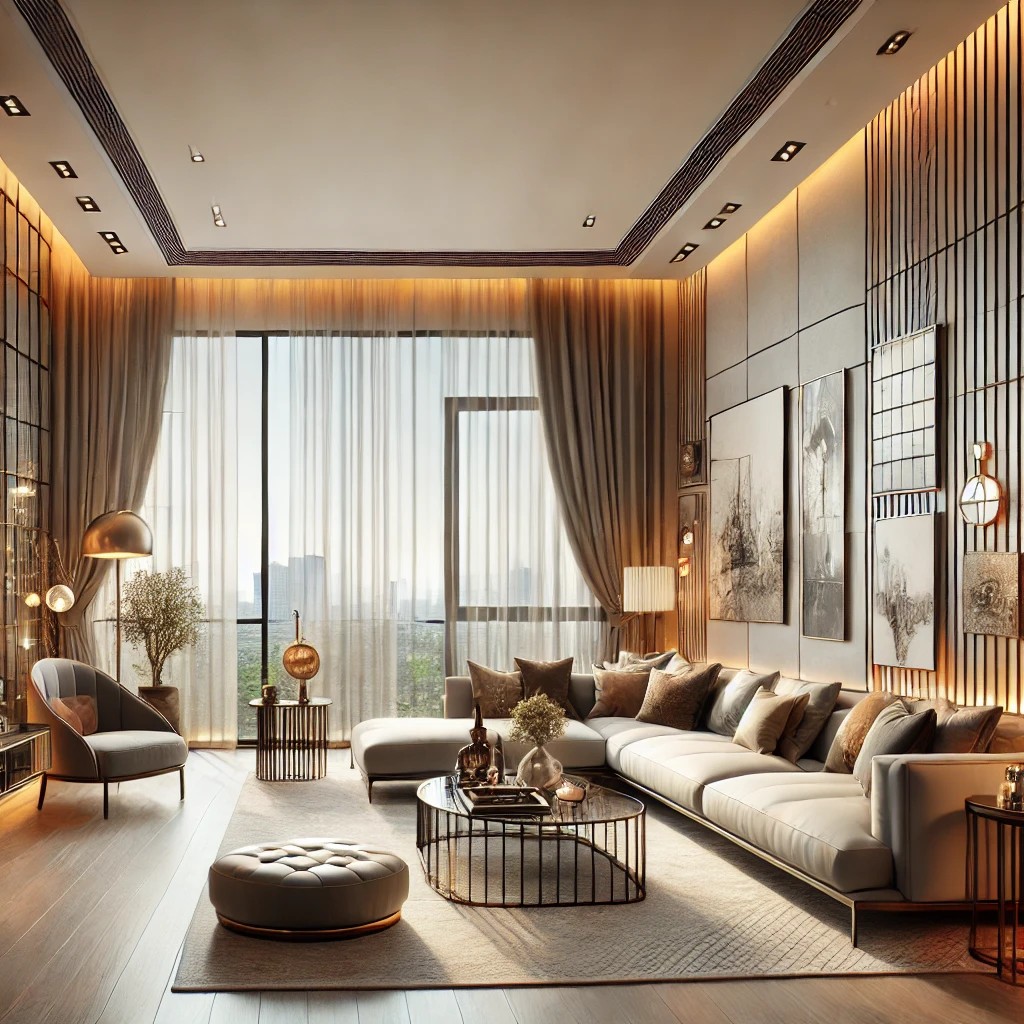
- Natural Light Optimization: Maximizing natural light not only brightens up a home but also creates a sense of openness. Choose window treatments that allow ample sunlight to filter through, strategically position mirrors to reflect light, and consider the placement of furniture to optimize natural illumination.
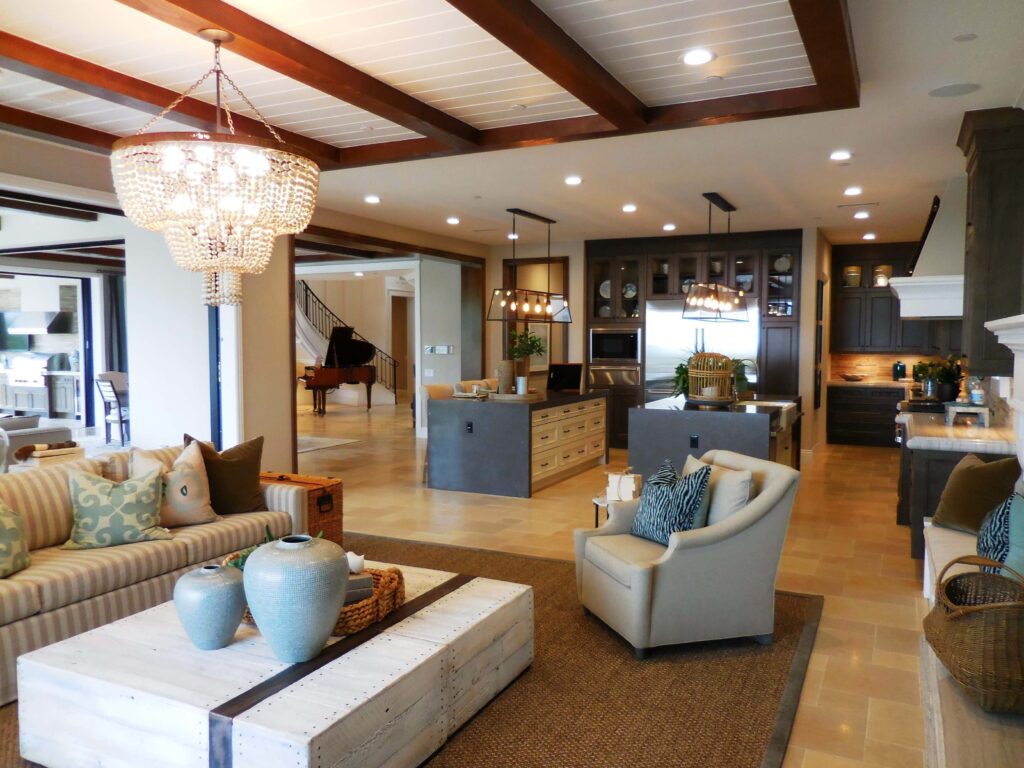
- Texture and Layering: Texture adds depth and interest to a home’s interior. Experiment with various textures through fabrics, rugs, and decor elements. Layering textures creates a tactile experience that enhances the visual appeal and comfort of living spaces.
- Balancing Form and Function: Successful interior design strikes a delicate balance between form and function. While aesthetics are essential, functionality is equally crucial. Invest in furniture that not only looks good but also serves a practical purpose, ensuring that every element contributes to the overall harmony of the home.
- Sustainable Design Practices: With environmental consciousness on the rise, incorporating sustainable design practices into homes is a growing trend. Opt for eco-friendly materials, energy-efficient appliances, and consider repurposing or upcycling furniture to create a home that aligns with a commitment to sustainability.
- Evolution and Adaptation: Homes are dynamic spaces that evolve over time. Interior design should be adaptable to changing needs, allowing the home to grow with its inhabitants. Consider flexible furniture arrangements, modular designs, and easily updated decor to accommodate the evolving nature of family life.
Conclusion: Interior design for homes is an ever-evolving journey that goes beyond mere aesthetics. It’s about creating living spaces that resonate with the individuals who inhabit them, fostering a sense of comfort, functionality, and personal expression. By embracing purposeful design choices, exploring diverse styles, and incorporating thoughtful elements, every home can become a canvas for artistic living, where the artistry lies in the seamless integration of beauty and functionality.