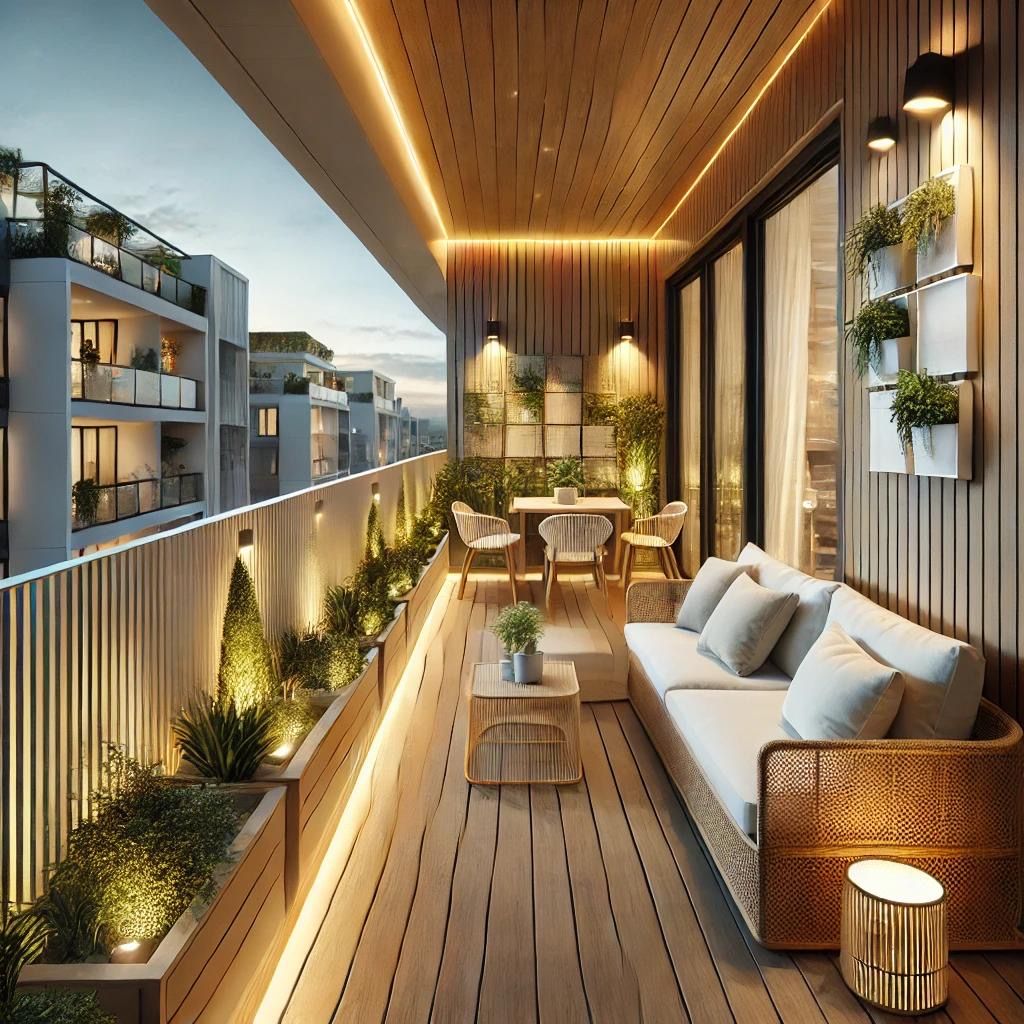
Introduction: Designing outdoor spaces is a delightful journey that involves weaving together elements of nature, functionality, and aesthetics. Whether it’s a backyard, a terrace, or a garden, the considerations guiding design decisions are crucial in creating inviting and harmonious alfresco havens. In this blog post, we’ll explore the key factors that shape my approach when working on outdoor spaces.
- Understanding the Purpose: The first step in designing any outdoor space is understanding its purpose. Is it a space for entertaining guests, a quiet retreat for relaxation, or a playground for children? This fundamental understanding guides the layout, choice of furnishings, and overall design direction.
- Embracing the Surroundings: Outdoor spaces are inherently connected to the natural environment. Consider the existing landscape, vegetation, and topography. Embrace the surroundings and work with nature to create a seamless transition between the indoor and outdoor areas.
- Optimizing Layout and Flow: The layout of an outdoor space is critical in optimizing functionality and flow. Define distinct zones for various activities – dining, lounging, gardening – and ensure smooth transitions between these areas. Thoughtful pathways and open spaces contribute to an organized and welcoming atmosphere.
- Selecting Appropriate Furnishings: Outdoor furnishings should not only be stylish but also durable and weather-resistant. Choose materials like teak, wrought iron, or weatherproof wicker that can withstand the elements. Comfortable seating, outdoor rugs, and cushions add both functionality and coziness.
- Creating Shade and Shelter: Consider the need for shade, especially in sunny climates. Incorporate elements like pergolas, umbrellas, or shade sails to create comfortable areas protected from the sun. For cooler evenings or rainy days, explore options for outdoor shelters or covered spaces.
- Choosing Low-Maintenance Materials: Outdoor spaces require materials that can withstand the elements and are easy to maintain. Opt for low-maintenance materials for flooring, decking, and furniture to ensure the longevity and aesthetic appeal of the space without constant upkeep.
- Adding Greenery and Landscaping: Greenery is a fundamental aspect of outdoor design. Integrate plants, trees, and flowers to enhance the natural beauty of the space. Consider the local climate and choose plants that thrive in the outdoor environment. Landscaping elements like pathways and garden beds contribute to visual interest.
- Incorporating Water Features: The soothing sound of water can transform an outdoor space. Consider incorporating water features like fountains, ponds, or even a small waterfall. Not only do they add an element of tranquility, but they also contribute to a sensory-rich environment.
- Enhancing Lighting Design: Thoughtful lighting design is essential for extending the usability of outdoor spaces into the evening. Incorporate a mix of ambient, task, and accent lighting. String lights, lanterns, and strategically placed fixtures can create a magical atmosphere after sunset.
- Considering Privacy: Privacy is a key consideration for outdoor spaces, especially in urban or densely populated areas. Explore options like planters with tall foliage, pergolas with drapes, or strategically placed screens to create secluded and intimate areas.
- Integrating Functional Elements: Consider the functionality of the space and integrate elements that enhance usability. This might include an outdoor kitchen, a fire pit for warmth and ambiance, or built-in seating and storage. Functional elements add layers of interest and purpose.
- Harmonizing with Architectural Style: The design of outdoor spaces should harmonize with the architectural style of the home. Whether it’s a contemporary terrace, a rustic garden, or a classic patio, ensure a cohesive design language that ties the outdoor space to the overall aesthetic of the property.
- Encouraging Outdoor Play for Children: If the outdoor space is intended for family use, consider the needs of children. Create dedicated play areas with safe and age-appropriate equipment. Soft surfaces, like artificial turf or rubber mats, can offer a safe play environment.
- Managing Outdoor Comfort: Comfort is paramount in outdoor spaces. Provide ample seating with comfortable cushions and pillows. Consider adding throw blankets for chilly evenings. Outdoor comfort extends beyond furniture – it includes creating a space that invites relaxation and leisure.
- Sustainability and Eco-Friendly Practices: Infuse sustainability into outdoor design by incorporating eco-friendly practices. Choose permeable surfaces to promote water absorption, opt for native and drought-resistant plants, and explore sustainable materials for construction and furnishings.
- Ensuring Accessibility: Ensure that the outdoor space is accessible to all members of the household. Incorporate ramps or pathways for easy navigation by individuals with mobility challenges. A universally accessible design enhances the inclusivity of the outdoor environment.
- Flexibility for Seasonal Changes: Design the outdoor space with flexibility to accommodate seasonal changes. Consider elements like removable outdoor furniture covers for protection during winter, and explore portable heaters or fire pits for warmth in colder months.
- Personalization with Decor: Finally, personalize the outdoor space with decor elements that reflect your style. This might include outdoor rugs, throw pillows, lanterns, or decorative planters. Personal touches make the space uniquely yours and contribute to a sense of connection to the outdoors.
In conclusion, designing outdoor spaces is a holistic endeavor that considers functionality, aesthetics, and the natural environment. By understanding the purpose, embracing the surroundings, and incorporating thoughtful elements, outdoor spaces can be transformed into serene retreats and vibrant extensions of the home. Crafting alfresco havens involves a careful dance between nature and design, resulting in spaces that invite joy, relaxation, and a deep connection to the great outdoors.