
Contemporary Approaches to Indian Residential Design
Explore how contemporary Indian homes combine modern space planning, cultural character, natural materials, smart functionality, comfort and timeless design.
Discuss Your HomeContemporary approaches to Indian residential design are changing the way urban homes are planned, furnished and experienced. Today’s Indian residence is no longer limited to a choice between traditional decoration and international modernism. Instead, designers are creating homes that combine clean planning, practical functionality, Indian craftsmanship and personal identity.
This approach is especially relevant in Delhi NCR, Gurgaon and Noida, where apartments, villas and independent houses need to balance efficient space planning with comfort and visual character.
A successful contemporary Indian home should therefore look refined while remaining practical for everyday family life.
What Is Contemporary Indian Residential Design?
Contemporary Indian residential design combines the simplicity of modern interiors with materials, patterns, craftsmanship and spatial traditions that have a connection to India.
The goal is not to create a home filled with traditional objects. Instead, Indian elements can be carefully selected and integrated into a contemporary architectural framework.
- Clean architectural lines
- Warm natural materials
- Indian artwork and craftsmanship
- Modern furniture
- Layered lighting
- Integrated storage
- Smart-home technology
- Personalized decorative elements

Blend Indian Character With Contemporary Planning
One of the strongest approaches is to maintain a contemporary spatial layout while introducing Indian character through selected furniture, artwork, textiles, lighting and architectural details.
This creates a home that feels modern without becoming visually generic.
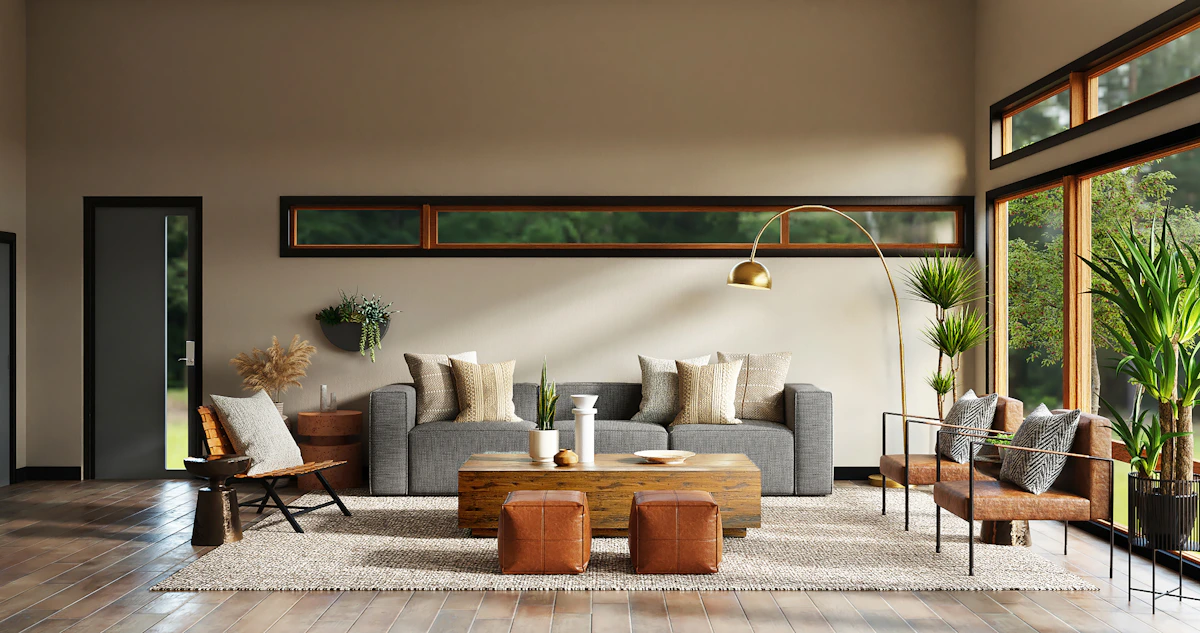
Indian Materials
Introduce timber, stone, cane, brass, terracotta and natural textiles within a modern interior.
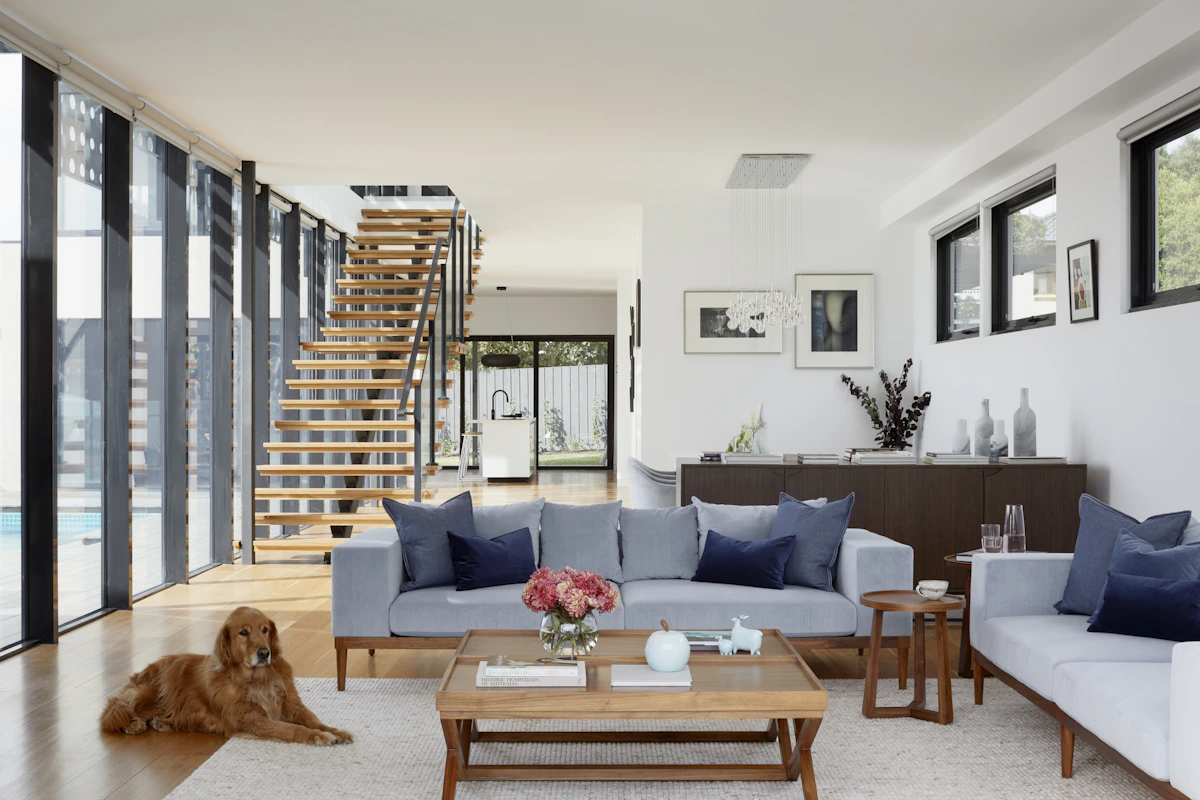
Indian Craft
Use artwork, handwoven textiles, carved details and handcrafted accessories as carefully considered accents.

Natural Warmth
Wood, plants, daylight and tactile finishes prevent minimalist spaces from feeling cold.
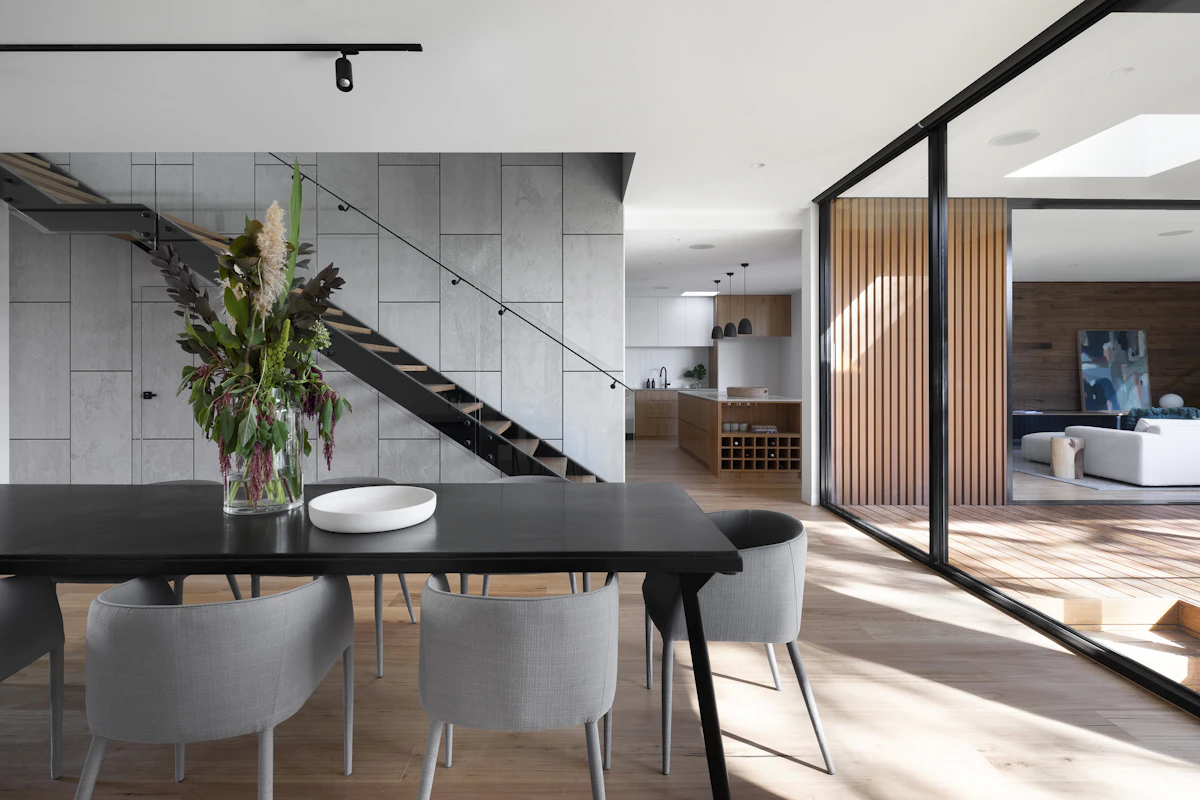
Modern Comfort
Prioritize comfortable furniture, efficient storage, useful lighting and easy circulation.

Design Around How the Family Actually Lives
Contemporary residential design should begin with lifestyle rather than decoration.
Before selecting finishes or furniture, consider how the family cooks, works, entertains, relaxes, stores belongings and uses each room throughout the day.
This approach makes the final interior more functional and reduces unnecessary design decisions.
Open Planning With Intelligent Zoning
Open-plan interiors can make Indian homes feel larger and more connected. However, completely open spaces are not always practical. Contemporary residential design therefore uses visual zoning.
Furniture Zoning
Use sofas, consoles and dining furniture to establish distinct areas without constructing unnecessary walls.
Lighting Zoning
Different lighting circuits can visually separate living, dining, kitchen and work areas.
Material Zoning
Changes in flooring, wall finish or ceiling treatment can define individual functions.
Jali Partitions
Contemporary interpretations of Indian screens can provide privacy while allowing light and visual continuity.
Sliding Panels
Sliding partitions allow spaces to remain open when desired and private when required.
Decorative Screens
Screens can act as architectural features while controlling views between connected spaces.
Contemporary Indian design works best when modern functionality and cultural identity strengthen each other.
Natural Materials Create a More Comfortable Contemporary Home
Contemporary interiors can become overly dependent on manufactured finishes. Natural materials introduce variation, texture and warmth.
Wood, stone, cotton, linen, cane, clay and handcrafted materials can be used alongside glass, metal and modern laminates.
- Wood + stone
- Cane + neutral upholstery
- Brass + natural timber
- Terracotta + lime or textured walls
- Linen + contemporary furniture
- Marble + warm wood
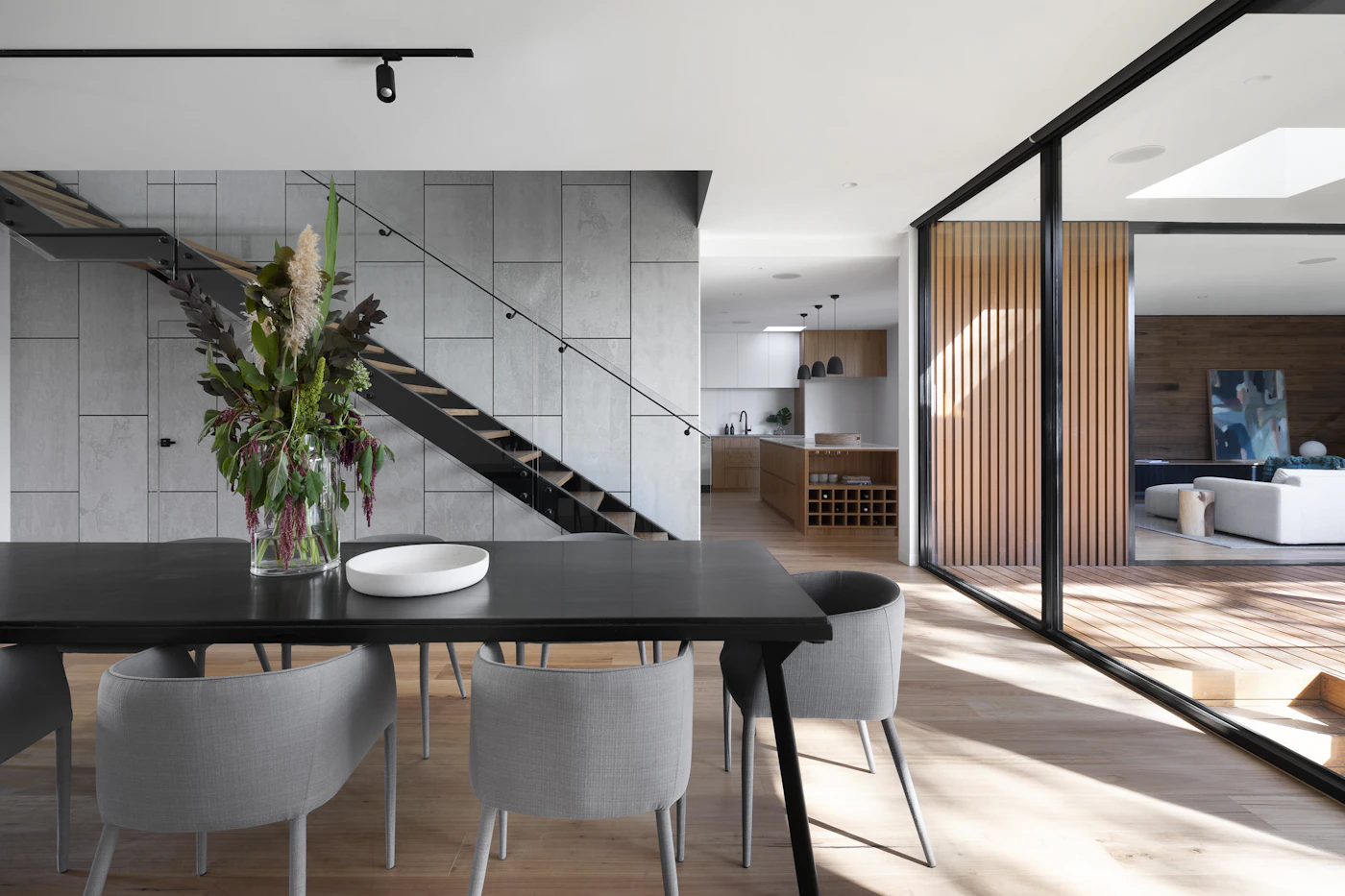
Warm Neutral Colours With Selective Indian Accents
A neutral foundation makes contemporary interiors easier to maintain and allows artwork, textiles and furniture to become focal points.
Beige, ivory, sand, warm grey and natural wood can be combined with terracotta, deep blue, mustard, olive or muted red.
The key is controlled contrast rather than using every colour at once.
Contemporary Indian Kitchens Prioritize Efficiency
The kitchen has become one of the most important spaces in Indian residential design. Contemporary planning focuses on workflow, storage, lighting and easy maintenance.
- Dedicated appliance storage
- Tall pantry units
- Deep drawers for cookware
- Under-cabinet task lighting
- Easy-clean surfaces
- Integrated waste management
- Efficient work triangle planning
- Breakfast or social counters where space allows
Bedrooms Should Feel Calm Rather Than Overdecorated
Contemporary Indian bedrooms benefit from a restrained palette, concealed storage and layered lighting.
A strong bed wall, integrated wardrobe, comfortable upholstery, bedside lighting and carefully selected artwork can provide enough visual interest without clutter.

Smart Technology Should Be Integrated, Not Visually Dominant
Technology can improve comfort and convenience without becoming the main visual feature of a home.
Smart Lighting
Create different lighting scenes for working, relaxing and entertaining.
Automated Curtains
Coordinate daylight, privacy and shading with automated controls.
Smart Security
Integrate access control, cameras and sensors discreetly.
Entertainment
Conceal wiring and equipment within custom media furniture.
Climate Control
Connect temperature control with the home’s overall technology system.
Smart Kitchen
Use connected appliances where they provide genuine everyday convenience.
Sustainability and Long-Term Design
Contemporary residential design should consider how a home will perform several years after installation.
Durable materials, efficient lighting, adaptable furniture, natural ventilation and repairable finishes can reduce the need for frequent renovation.
- Durable finishes
- Energy-efficient lighting
- Natural daylight
- Flexible furniture
- Repairable materials
- Efficient storage
- Reduced visual clutter
- Timeless architectural elements
Contemporary Indian Residential Design in Delhi, Gurgaon and Noida
Contemporary approaches can be adapted to different residential formats across Delhi NCR. Apartment interiors may require more emphasis on storage and multifunctional furniture, while villas and independent houses can support larger architectural features.
A Practical Process for Contemporary Residential Interiors
A strong design process keeps aesthetics connected to the actual requirements of the property and its occupants.
Understand
Study the property, lifestyle, family requirements and budget.
Plan
Develop layouts, circulation, storage and functional zones.
Design
Select materials, furniture, colours, lighting and architectural details.
Visualize
Review drawings and visual concepts before implementation.
Execute
Coordinate fabrication, installation, finishing and final detailing.
The Future of Indian Residential Design Is Contemporary but Personal
Contemporary approaches to Indian residential design are creating a useful middle ground between modern functionality and cultural identity.
The strongest homes are not simply decorated according to a trend. They are carefully planned around the people who live there.
Natural materials, intelligent storage, flexible layouts, layered lighting, Indian craftsmanship and discreet technology can work together to create interiors that are comfortable today and remain relevant over time.
Frequently Asked Questions
What is contemporary Indian residential design?
Contemporary Indian residential design combines modern planning and functionality with Indian materials, craftsmanship, artwork, textiles and cultural details.
How can I make a modern home feel more Indian?
Introduce Indian character through handcrafted furniture, textiles, artwork, brass, wood, cane, stone, traditional patterns and carefully selected decorative objects.
Is contemporary Indian design suitable for apartments?
Yes. Contemporary design works particularly well in apartments because it can prioritize efficient layouts, multifunctional furniture, concealed storage and visual openness.
Which materials work well in contemporary Indian interiors?
Natural wood, stone, cane, linen, cotton, brass, terracotta, ceramics and textured surfaces can be combined with contemporary glass, metal and engineered finishes.
How can I use Indian traditional elements without making the home look old-fashioned?
Use traditional elements selectively. A contemporary layout can be paired with one statement craft piece, Indian artwork, handcrafted lighting, a jali partition or traditional textiles.
Is contemporary residential design suitable for Gurgaon and Noida?
Yes. Contemporary planning is well suited to apartments, villas and modern residential properties across Gurgaon, Noida and Delhi NCR.
Plan a Contemporary Indian Home That Feels Personal
Combine intelligent space planning, modern functionality, Indian craftsmanship and timeless materials to create a residential interior designed around your lifestyle.
Book a Design ConsultationUnderstanding Modern Indian Residential Design
Modern Indian residential design is an evolving field that blends traditional aesthetics with contemporary functionality. With India being a country of diverse cultures and climates, residential designs in urban and rural settings exhibit unique characteristics that cater to the residents’ needs while also respecting local traditions.
The Significance of Space and Light
One of the key elements of modern Indian residential design is the thoughtful use of space and light. Homes are being designed to maximize natural light and ventilation, which not only enhances the aesthetics but also promotes sustainability. Open floor plans are becoming increasingly popular, allowing for flexibility in living arrangements and fostering a sense of community among family members.
Integrating Eco-Friendly Materials
The push for sustainability has led to the integration of eco-friendly materials in modern homes. Designers are utilizing locally sourced materials, such as bamboo and reclaimed wood, which not only reduce the carbon footprint but also add a distinct character to the interiors. Furthermore, the use of green roofs, rainwater harvesting systems, and solar panels is on the rise, making modern residences more energy-efficient.
In conclusion, modern Indian residential design is marked by a harmonious balance of tradition and innovation. By prioritizing space, light, and sustainability, architects are creating homes that reflect the evolving lifestyle of contemporary Indian families.