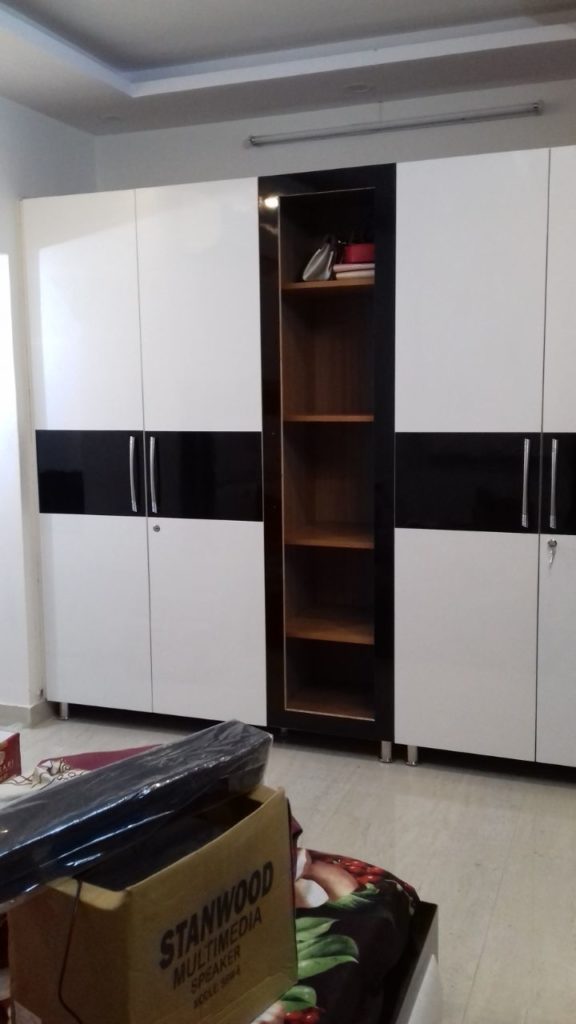
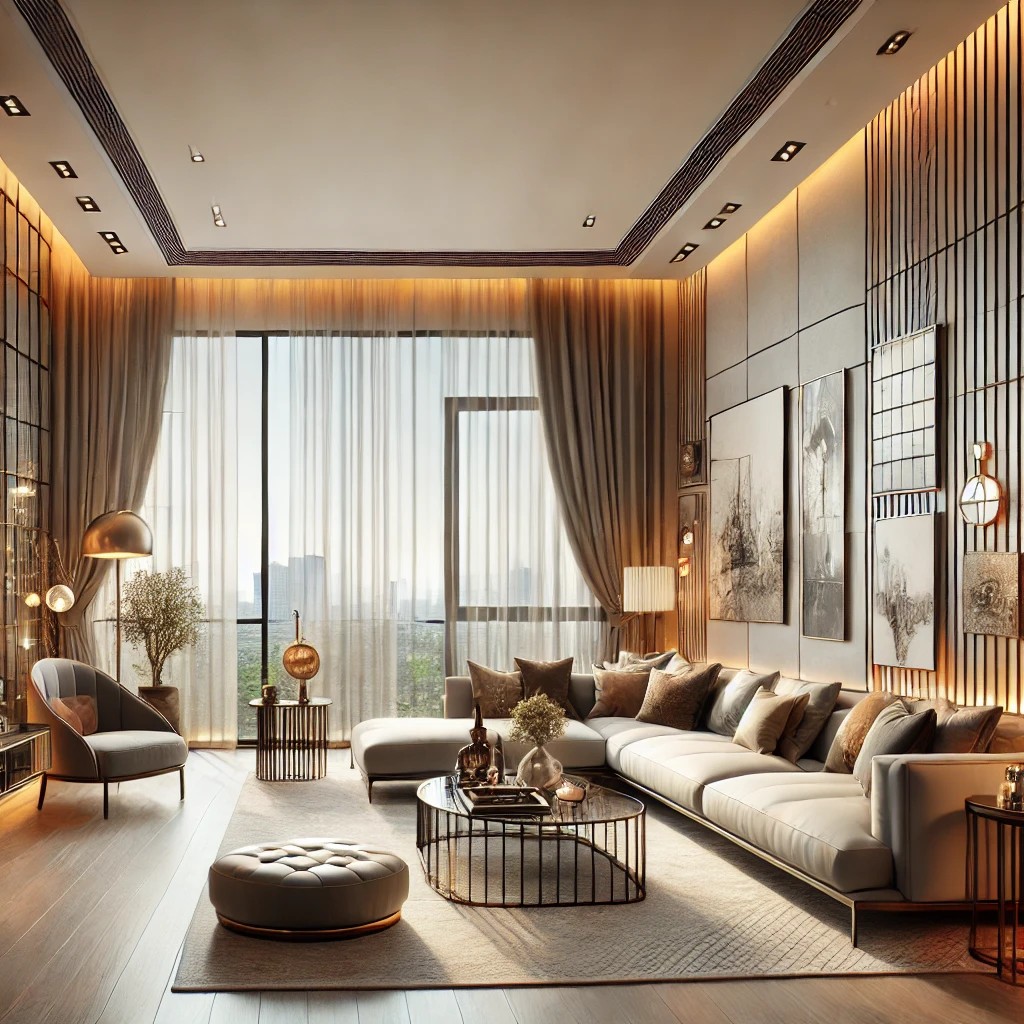
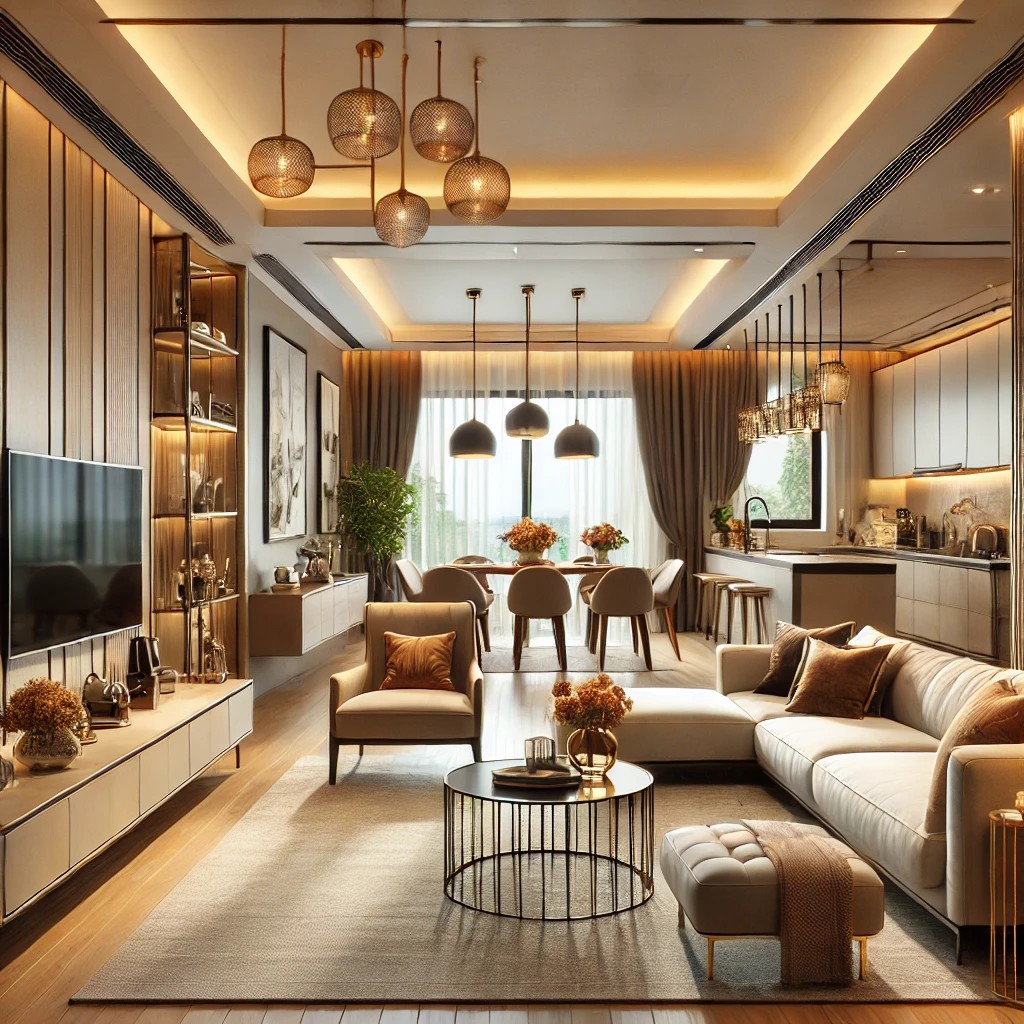
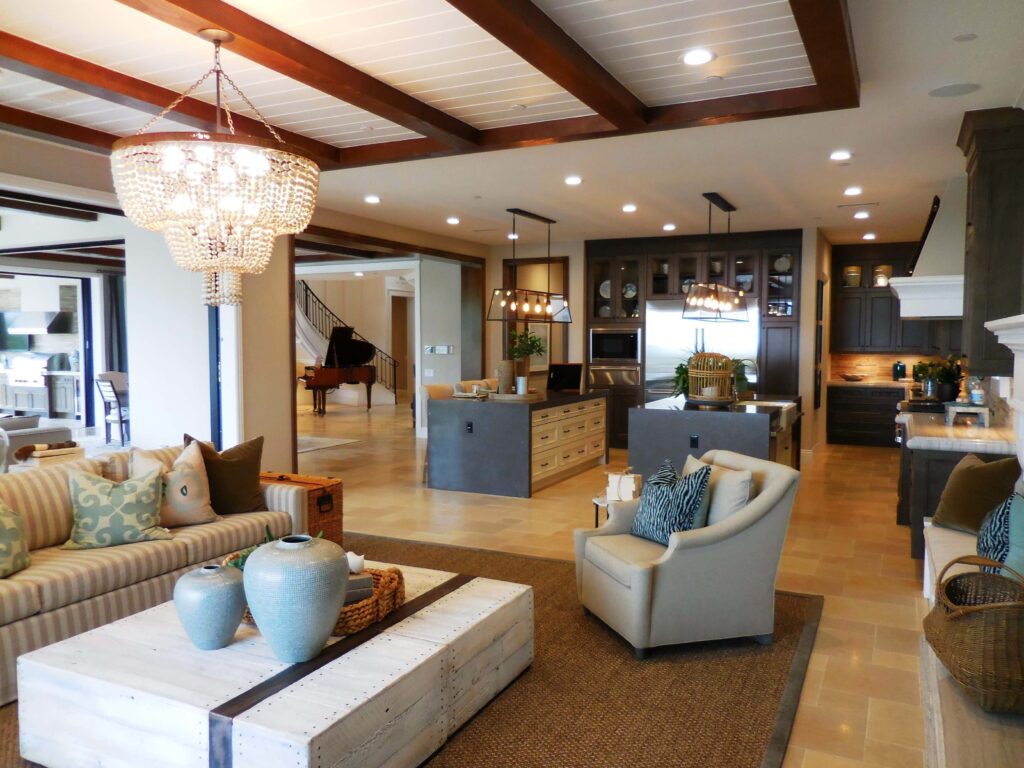
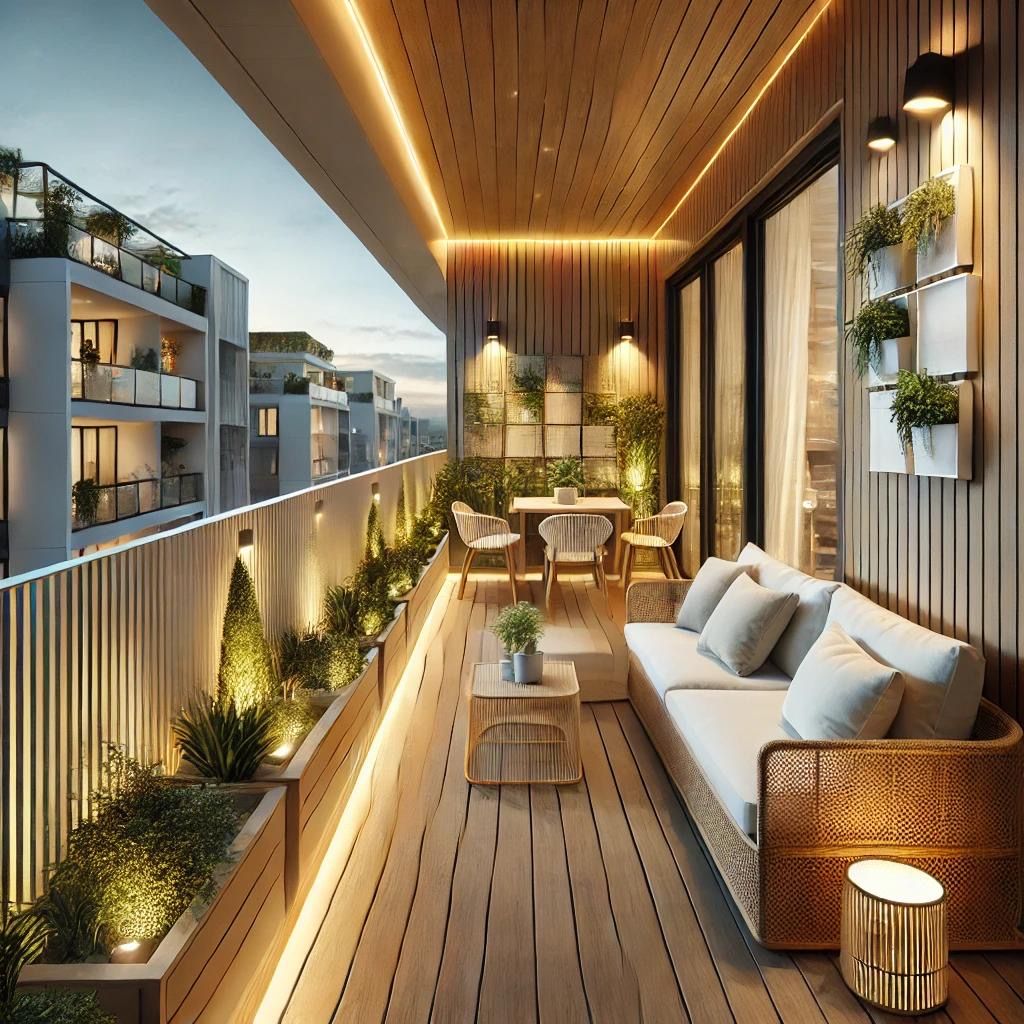
Interior designing is a multifaceted profession that involves the planning, design, and execution of interior spaces to create functional, aesthetically pleasing, and well-utilized environments. Interior designers work with various elements, including color, furniture, lighting, textures, and spatial arrangements, to transform spaces into visually appealing and purposeful settings. Here is a comprehensive guide to understanding what interior designing entails:
1. Definition:
- Interior Designing: It is the art and science of enhancing the interior of a building to achieve a healthier and more aesthetically pleasing environment for the people using the space.
2. Key Elements of Interior Design:
- Space Planning: Efficient utilization of space to ensure functionality and flow within a given area.
- Color Scheme: Selection of colors to create a desired atmosphere and mood.
- Furniture Design: Choosing or designing furniture that complements the overall design and serves its intended purpose.
- Lighting: Strategic placement of lighting fixtures to enhance the ambiance and functionality of the space.
- Texture and Materials: Incorporating various textures and materials to add depth and interest.
- Decoration: Selecting and arranging decorative elements such as artwork, accessories, and plants.
3. Interior Design Process:
- 1. Initial Consultation: Understanding client requirements, budget, and design preferences.
- 2. Concept Development: Creating design concepts and mood boards to convey the overall aesthetic.
- 3. Space Planning: Determining the arrangement of furniture and layout for optimal functionality.
- 4. Selection of Materials and Finishes: Choosing appropriate materials, color schemes, and finishes.
- 5. Furniture and Decor Selection: Sourcing or designing furniture and selecting decorative elements.
- 6. Lighting Design: Planning the placement of lighting fixtures for both aesthetics and functionality.
- 7. Presentation: Presenting the final design concept to the client for approval.
- 8. Execution: Overseeing the implementation of the design, working with contractors and craftsmen.
- 9. Styling and Decoration: Adding finishing touches and arranging accessories to complete the look.
4. Types of Interior Design:
- Residential Interior Design: Designing homes, apartments, and private spaces.
- Commercial Interior Design: Designing spaces for businesses, offices, retail stores, and public establishments.
- Hospitality Interior Design: Designing hotels, restaurants, and entertainment venues.
- Healthcare Interior Design: Designing medical facilities, clinics, and hospitals.
- Educational Interior Design: Designing schools, colleges, and other educational institutions.
- Exhibition and Museum Design: Creating engaging exhibits and displays in museums and galleries.
5. Skills Required:
- Creativity: To develop unique and innovative design concepts.
- Communication: Effectively conveying ideas and concepts to clients and collaborators.
- Technical Proficiency: Using design software, understanding construction principles, and knowledge of materials.
- Project Management: Overseeing the design process from concept to completion.
- Problem-Solving: Addressing challenges and finding practical solutions.
6. Education and Training:
- Pursue a diploma or degree in interior design from a reputable institution.
- Develop technical skills in design software and gain hands-on experience through internships.
7. Career Opportunities:
- Interior Designer
- Interior Architect
- Furniture Designer
- Project Manager
- Stylist or Decorator
- Design Consultant
8. Professional Organizations:
- Join organizations like the International Federation of Interior Architects/Designers (IFI) or national organizations like the Indian Institute of Interior Designers (IIID).
9. Trends and Technologies:
- Stay updated on current design trends, sustainable practices, and emerging technologies in the field.
10. Ethical Considerations:
- Uphold ethical standards in dealing with clients, suppliers, and colleagues.
- Consider environmental sustainability and social responsibility in design choices.
11. Conclusion:
Interior designing is a dynamic field that blends artistic creativity with technical expertise. It involves transforming spaces to meet the functional and aesthetic needs of clients. Continuous learning, staying abreast of industry trends, and cultivating a passion for design are key to a successful career in interior designing.