Commercial Interior Design in Delhi NCR for Offices, Retail & Business Spaces
Get commercial interior design in Delhi NCR for offices, retail stores, showrooms, clinics and business spaces, with practical planning, furniture, lighting, branding and turnkey execution across Delhi, Gurgaon and Noida.

Your commercial space is part of the business.
Commercial interior design should do more than look polished. It should support the way employees work, customers move, teams collaborate and brands present themselves. Interior A to Z connects business requirements with layout, furniture, lighting, materials and visual identity.
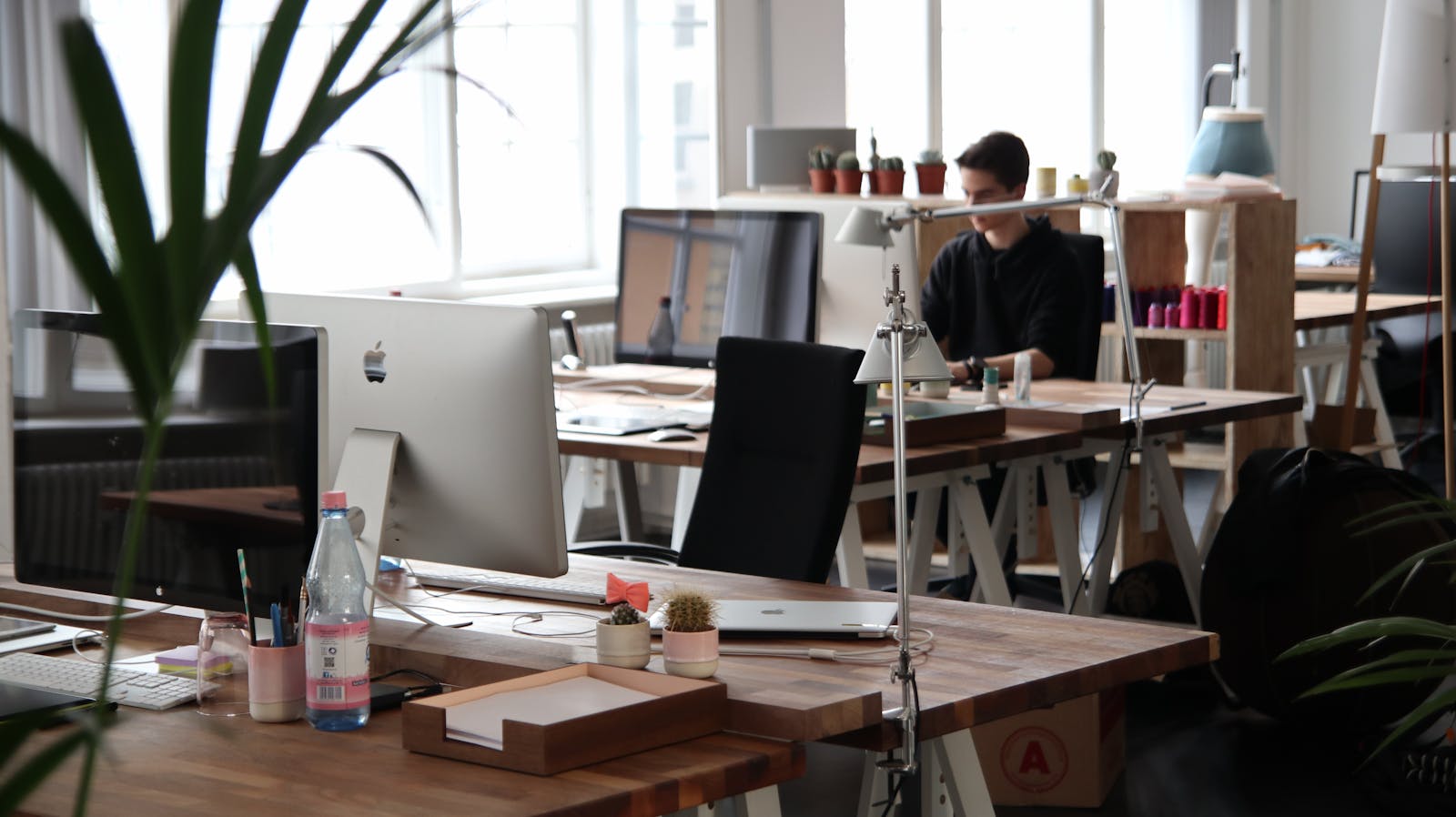
Commercial spaces designed around the way they operate.
Different businesses need different spatial strategies. The brief, customer journey, employee workflow, privacy, storage, brand expression and operational requirements shape the final design.
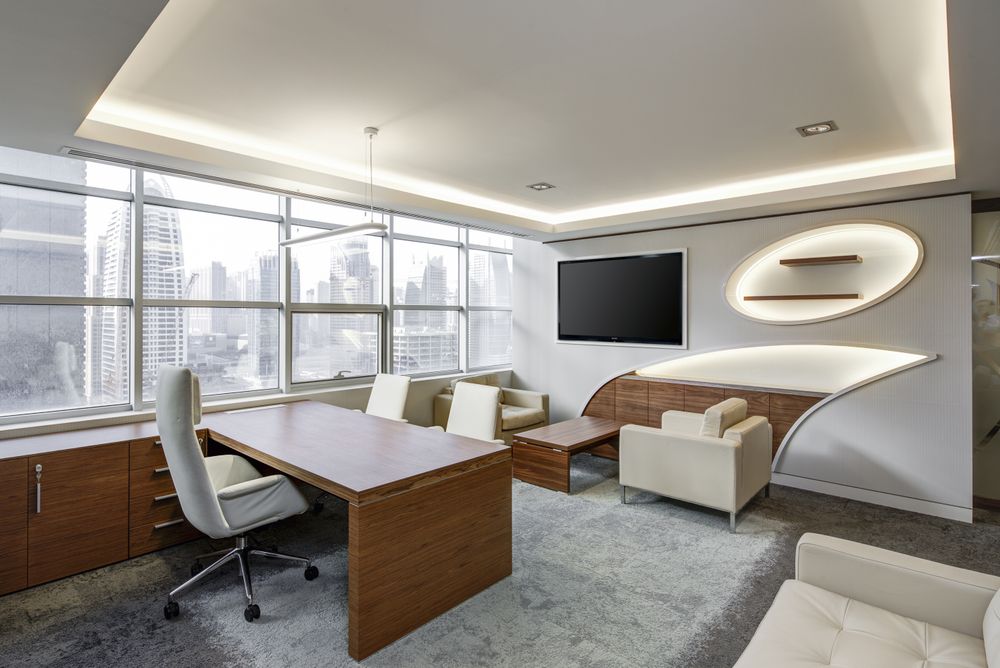
Offices & Corporate Workplaces
Reception areas, workstations, cabins, meeting rooms, conference spaces, breakout areas, pantry zones and storage planned around team structure and workflow.
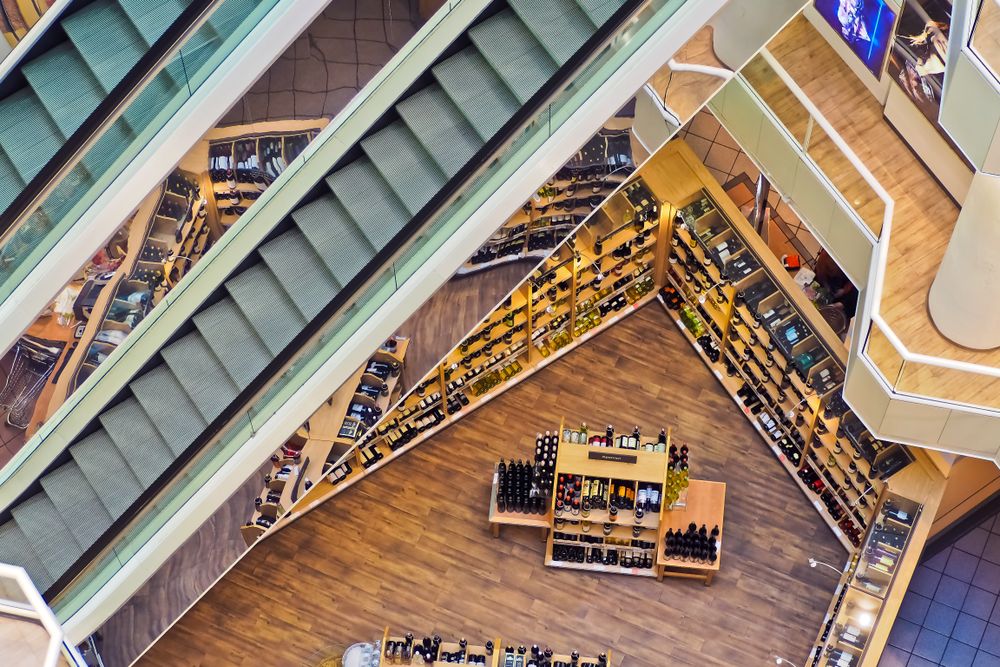
Retail & Showrooms
Customer-focused layouts, display planning, circulation, lighting, product visibility and branded touchpoints designed around the buying experience.

Clinics, Studios & Service Spaces
Practical zoning, reception, waiting areas, work areas, storage and durable finishes coordinated around the needs of the business.
Good commercial interiors make movement feel effortless.
The first design decision is rarely the colour palette. It is how people move through the space and how efficiently the business can use every important area.
- Entry, reception and first-impression planning
- Workstation, cabin and team zoning
- Meeting, conference and collaboration spaces
- Storage, pantry, service and circulation planning
- Customer journey and product-display considerations
- Furniture, lighting, acoustics and visual identity coordination
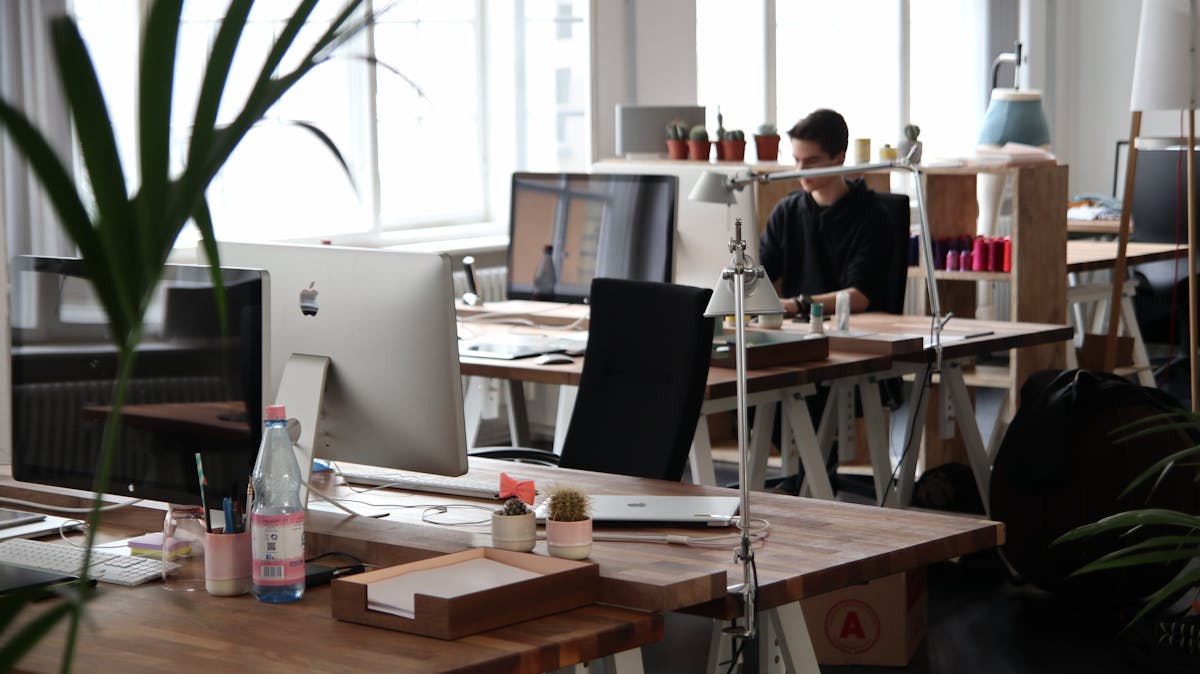
Design details that influence how the space feels and performs.
A strong commercial project balances aesthetics with everyday performance. Materials and furniture are selected with use, maintenance, circulation and the agreed specification in mind.
Brand Identity
Use reception design, colours, signage, graphics, materials, artwork and feature walls to communicate the character of the business without making the space feel over-designed.
Ergonomic Furniture
Plan workstations, desks, seating and meeting furniture around employee comfort, available area and the way the team actually works.
Professional Lighting
Combine ambient, task and accent lighting to support work, customer experience, displays, meetings and the intended atmosphere.
Materials & Finishes
Coordinate flooring, ceilings, partitions, cabinetry, wall finishes and hardware around the required visual language and project specification.
Technology & Services
Consider electrical points, data, screens, meeting technology, access requirements and other services within the design process.
Execution Coordination
Translate the approved design into procurement, fabrication, installation and site work according to the agreed project scope.
Commercial interior cost depends on the brief, not one generic rate.
Office and commercial projects can vary significantly by area, employee capacity, furniture, partitions, electrical work, lighting, technology, civil work, materials and existing site conditions. An itemised scope is more useful than a single per-square-foot promise.
Efficient workstations, practical meeting provisions, storage, lighting and durable finishes for a focused commercial environment.
More detailed furniture, branded reception, collaboration spaces, upgraded finishes and stronger lighting design.
Custom furniture, executive spaces, premium materials, detailed branding and higher-specification design elements.
Planning categories only. Final pricing should be developed after understanding the site, area, business requirements, drawings, specifications and execution scope.
From first brief to final handover.
A structured process keeps business requirements, design decisions and execution aligned before work begins on site.
Discovery
Understand business, people, workflow, brand and priorities.
Site Study
Review dimensions, services, access and existing conditions.
Space Plan
Develop zoning, circulation and furniture layouts.
Concept
Establish visual direction, materials and brand integration.
Execution
Coordinate approved procurement, manufacturing and site work.
Handover
Review completed work and close the agreed project scope.
Commercial interior design across Delhi NCR.
Interior A to Z provides office and commercial interior solutions across Delhi, Gurgaon and Noida, with the project approach adapted to the location, property and business requirements.
Delhi
Office, retail, showroom, clinic and professional commercial interiors across Delhi and South Delhi.
Commercial Designer Delhi →Gurgaon
Modern corporate offices, startups, professional workplaces and commercial spaces across Gurgaon/Gurugram.
Office Design Gurgaon →Noida
Functional office and commercial spaces designed around team requirements, customer experience and project scope.
Office Design Delhi NCR →Explore the commercial design services.
Move from the broad commercial brief to the specific space type that matches your project.
Find the commercial interior service that matches your project.
Start with the space type, location or execution requirement that best describes your business. These focused pages help you explore the next step without leaving the commercial design journey.
Office Interior Design
Workstations, cabins, meeting rooms, reception, storage, lighting and workplace planning.
Explore Office Interiors →Gurgaon Office Design
Commercial office interiors for Gurgaon businesses, teams, startups and professional workplaces.
See Gurgaon Office Design →Corporate Office
Brand-led workplace planning with reception, collaboration, executive and team areas.
Explore Corporate Offices →Modern Office
Contemporary layouts, furniture, lighting and finishes for modern business environments.
Explore Modern Offices →Commercial Designer Delhi
Commercial interior design for Delhi offices, retail spaces, showrooms, clinics and businesses.
Find Commercial Design Delhi →Turnkey Execution
Coordinate approved design, materials, fabrication, installation and site execution through one scope.
Explore Turnkey Projects →Commercial interior design for every stage of business.
Whether you are opening a new office, upgrading an existing workplace or creating a customer-facing space, the design brief changes with the business stage.
Plan capacity, circulation, furniture, reception, meeting spaces, services and brand expression before execution.
Improve an existing workplace while responding to current layouts, services, furniture and operational constraints.
Design customer movement, displays, product visibility, lighting, branding and points of interaction.
Elevate materials, custom furniture, executive spaces, lighting and detailed brand-led finishes.
Explore the right page for your next project.
Use these related resources to move from broad commercial interior research to a specific service, location, project type or consultation.
Commercial interior design FAQs.
Useful answers before you prepare your commercial project brief.
What types of commercial spaces do you design?
Commercial projects can include offices, corporate workplaces, retail stores, showrooms, clinics, studios, professional spaces and other business environments, subject to project scope.
Do you provide office interior design in Gurgaon, Noida and Delhi?
Yes. Interior A to Z provides office and commercial interior design solutions across Gurgaon, Noida and Delhi NCR, with the project scope tailored to the business requirements.
Can you design a small commercial office?
Yes. Smaller offices can benefit from efficient zoning, compact furniture, vertical storage, flexible meeting areas and carefully planned circulation.
Can commercial interiors include company branding?
Yes. Branding can be incorporated through reception design, signage, graphics, feature walls, colours, artwork, materials and other selected visual elements.
Do you provide turnkey commercial interior execution?
Turnkey execution can include approved design coordination, procurement, manufacturing, civil and electrical work, installation, testing, finishing and handover where these services are included in the agreed scope.
How much does commercial interior design cost?
Cost varies according to floor area, furniture, partitions, materials, electrical and lighting requirements, technology, acoustics, civil work, existing conditions and customization. A project-specific estimate is more useful than a generic rate.
How do I start a commercial interior project?
Share the business type, location, approximate floor area, team size or customer requirements, preferred style, operational needs and approximate budget. The design team can then help define the appropriate project brief.
Build a commercial space your business can grow into.
Share your location, floor area, business type, team or customer requirements and design direction. Start with a commercial consultation and develop a practical scope for your project.