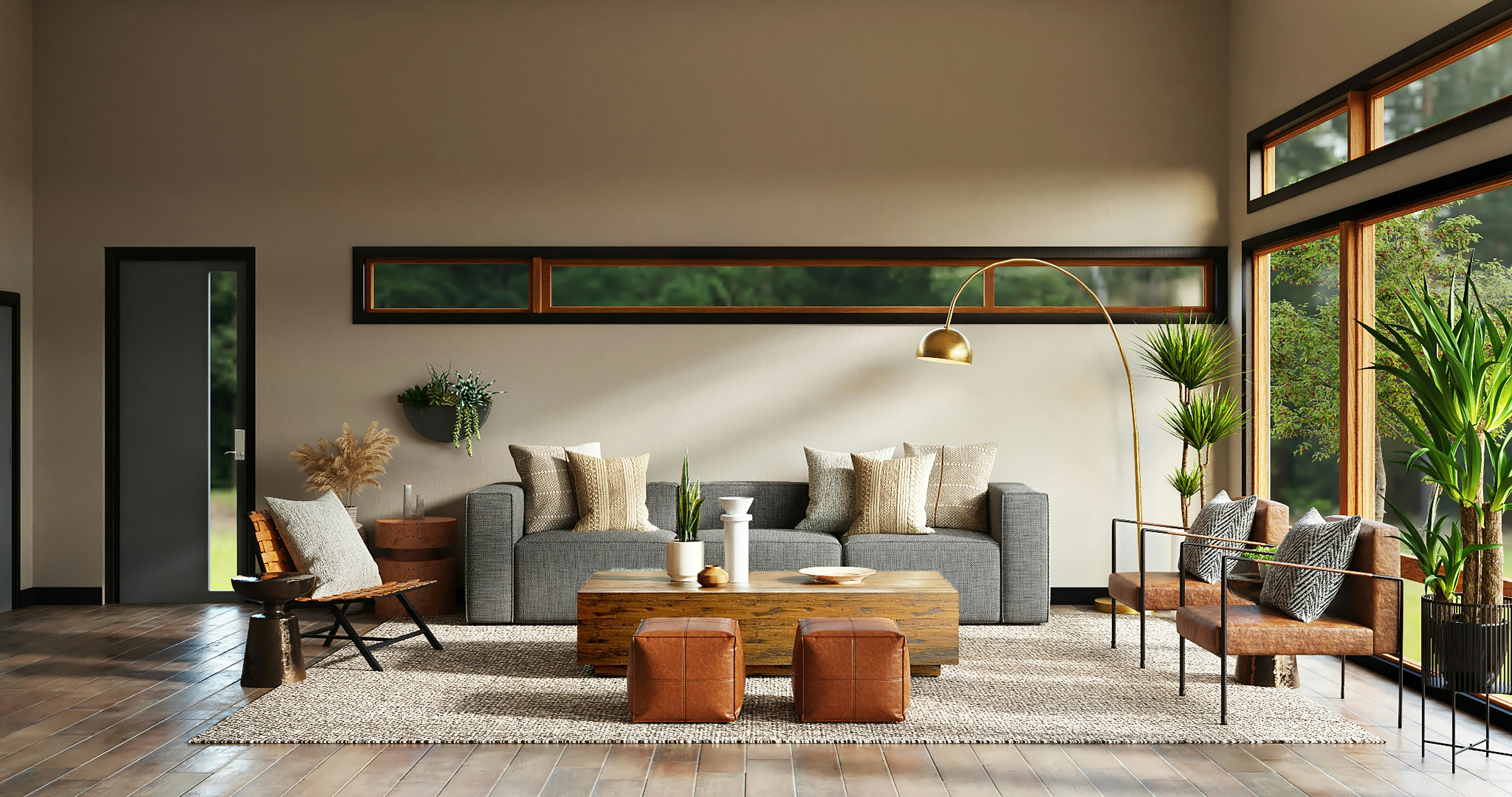
Interior design

How do I get an interior designer on a budget?

Getting an interior designer on a budget is definitely possible with some strategic approaches. Here are some tips to help you find an affordable interior designer:

  1. Define Your Budget:
    • Clearly outline your budget constraints before you start looking for an interior designer. This will help you communicate your limitations to potential designers.
  2. Research and Compare:
    • Look for local interior designers and gather information about their services and pricing. Many designers offer free consultations, so take advantage of this to discuss your budget and see if they can work within it.
  3. Student Designers:
    • Consider hiring a student from a reputable design school. Many students are eager to gain real-world experience and may offer their services at a lower cost. Check with local design schools or universities for recommendations.
  4. Freelance Designers:
    • Freelance designers often have more flexibility with their pricing compared to established firms. Look for freelance designers online, on platforms like Upwork, Fiverr, or specialized interior design websites.
  5. Online Design Services:
    • Explore online interior design services that offer budget-friendly packages. Some platforms connect you with designers who can work remotely and provide design concepts and advice at a lower cost.
  6. Negotiate and Prioritize:
    • Be open to negotiating prices with the designer. If certain aspects of the design are less important to you, let the designer know so they can prioritize accordingly.
  7. DIY with Guidance:
    • Hire a designer for a consultation or to provide guidance rather than full-service design. You can then take on some of the tasks yourself, such as sourcing furniture or handling the implementation.
  8. Local Design Associations:
    • Contact local design associations or groups. Some designers may be members of these organizations and could offer more competitive rates.
  9. Use Social Media:
    • Explore social media platforms like Instagram or Pinterest to find emerging designers or those just starting their businesses. They may be more willing to work within a smaller budget to build their portfolio.
  10. Referrals and Recommendations:
    • Ask friends, family, or colleagues if they know of any affordable interior designers. Personal recommendations can lead you to talented designers who may be more flexible with their pricing.

Remember that communication is key. Clearly express your budget constraints, and be transparent about your expectations and priorities. A good designer will work with you to create a space that not only looks great but also fits within your financial parameters.

How do I get an interior designer on a budget? Read More Β»

What is a good budget for a living room?

The budget for a living room makeover can vary widely based on several factors, including the scope of the project, your location, the size of the living room, and your design preferences. Here are some general guidelines to help you establish a budget for a living room redesign:

Decorating and Styling:

  1. Low Budget (Basic Updates):
    • Range: $500 – $2,000
    • Includes minor decor changes, such as new throw pillows, curtains, rugs, and artwork.
    • Focus on budget-friendly furniture accessories and small decor items.
  2. Moderate Budget (Furniture and Decor Upgrades):
    • Range: $2,000 – $5,000
    • Allows for the purchase of new furniture pieces, such as a sofa, coffee table, or accent chairs, along with decor updates.
    • Consider thrift shopping or looking for budget-friendly options.

Room Makeovers:

  1. Mid-Range Budget (Comprehensive Makeover):
    • Range: $5,000 – $15,000
    • Involves more extensive updates, including new furniture, paint, lighting fixtures, and additional decor.
    • Allows for higher-quality furniture and customized design elements.
  2. High Budget (Premium Makeover):
    • Range: $15,000 – $30,000+
    • Incorporates high-end furniture, custom design features, and premium materials.
    • May involve more significant structural changes or renovations.

Full-Scale Interior Design:

  1. Luxury Budget (Full Interior Design Services):
    • Range: $30,000 and above
    • Involves hiring a professional interior designer for a complete transformation.
    • Includes custom furniture, high-end finishes, and a high level of personalization.

Considerations:

  1. Geographic Location:
    • Living costs vary by location, and the budget should be adjusted based on local prices for materials and labor.
  2. DIY vs. Professional Services:
    • DIY projects can save costs, but professional services may provide a more polished result.
    • Consider hiring professionals for tasks that require specific expertise.
  3. Furniture Quality:
    • Higher-quality furniture tends to be more durable and may have a longer lifespan.
    • Allocate a significant portion of the budget to key furniture pieces.
  4. Customization:
    • Custom-designed elements, such as built-in shelving or bespoke furniture, can impact the budget.
  5. Hidden Costs:
    • Account for potential unforeseen costs, such as repairs, electrical work, or structural modifications.

Budgeting Tips:

  1. Prioritize:
    • Identify the most critical elements you want to update or change in your living room.
  2. Shop Smart:
    • Look for sales, discounts, and second-hand options to maximize your budget.
  3. Phased Approach:
    • If the budget is tight, consider a phased approach, updating one aspect at a time.
  4. DIY Projects:
    • Explore DIY options for smaller tasks like painting or assembling furniture.

Remember that these are general guidelines, and your budget should be tailored to your specific preferences and circumstances. Before starting your project, it’s essential to establish a clear budget, prioritize your goals, and make informed decisions to create a living room that meets both your aesthetic and financial needs.

What is a good budget for a living room? Read More Β»

Is drawing necessary for interior designing?

While being a skilled artist or having strong drawing abilities can be an asset in the field of interior design, it is not an absolute necessity. Interior design encompasses a wide range of skills and tasks, and drawing is just one of them. Here are some points to consider:

The Role of Drawing in Interior Design:

  1. Conceptualization: Drawing can help designers visualize and communicate their ideas effectively. Sketches and drawings can be powerful tools for conveying concepts to clients and team members.
  2. Communication: Interior designers often need to communicate their design visions to clients, architects, and contractors. While digital tools and 3D rendering software have become prevalent, hand sketches can still be valuable in the early stages of ideation.
  3. Space Planning: Drawing skills can aid in space planning, allowing designers to create accurate floor plans and layouts that optimize functionality and flow.
  4. Material Representation: Being able to sketch or illustrate materials and finishes can help convey the intended look and feel of a space. This is especially useful when discussing design options with clients.

Tools and Technology:

  1. Digital Tools: With the advent of computer-aided design (CAD) software and 3D modeling tools, designers can create detailed and realistic visualizations without relying heavily on freehand drawing.
  2. Collaboration: Collaborative design platforms and virtual reality tools have become increasingly popular, enabling designers to work collaboratively and share ideas in real-time.

Focus on Other Skills:

  1. Creativity and Innovation: Interior design is fundamentally about creativity and innovation. A designer can express these qualities through various means, not just drawing.
  2. Communication Skills: Strong verbal and written communication skills are crucial for explaining design concepts, discussing ideas with clients, and collaborating with other professionals in the industry.
  3. Problem-Solving: Interior designers often need to solve complex spatial and design challenges. Critical thinking and problem-solving skills are key in finding effective and aesthetically pleasing solutions.

Hiring Support:

  1. Team Collaboration: In larger projects, designers may collaborate with architects, draftspersons, and other specialists who can handle technical drawings and detailed plans.
  2. Outsourcing: Designers can also choose to outsource specific drawing tasks to professionals who specialize in technical drafting or 3D rendering.

Conclusion:

While drawing skills can enhance an interior designer’s toolkit, they are not a prerequisite for success in the field. Designers today have a range of tools and technologies at their disposal to bring their ideas to life. The emphasis should be on a combination of creativity, effective communication, and problem-solving skills, allowing designers to excel in a dynamic and multifaceted profession. If you have a passion for design and are willing to embrace new technologies, you can certainly pursue a successful career in interior design without being an expert artist.

Is drawing necessary for interior designing? Read More Β»

Should I go for interior design?

Deciding whether to pursue interior design is a personal choice that depends on your interests, skills, and career goals. Here are some factors to consider as you weigh the decision:

Passion and Interest:

  1. Creative Flair: If you have a passion for aesthetics, enjoy decorating spaces, and have a keen eye for design, interior design could be a fulfilling career choice.
  2. Interest in Architecture: Interior design often involves understanding architectural elements, layouts, and spatial arrangements. If you find these aspects intriguing, it might be a good fit.

Skills and Talents:

  1. Creativity: Interior designers need a high level of creativity to conceptualize and bring unique design ideas to life.
  2. Attention to Detail: The ability to pay attention to details, such as color schemes, patterns, and spatial arrangements, is crucial for successful interior design.
  3. Communication Skills: Interpersonal and communication skills are essential, as designers need to understand clients’ preferences and effectively convey design concepts.

Education and Training:

  1. Formal Education: Consider if you are willing to invest time and possibly money in formal education. Many successful interior designers have degrees in interior design or related fields.
  2. Continuous Learning: Interior design trends and technologies evolve. If you enjoy continuous learning and staying updated on industry trends, this field may be suitable.

Career Prospects:

  1. Diverse Opportunities: Interior designers can work in various settings, including residential, commercial, hospitality, or even specialize in areas like sustainable design or historic preservation.
  2. Entrepreneurship: If you’re entrepreneurial, you might consider starting your own interior design business.

Challenges:

  1. Client Relationships: Working closely with clients is a significant aspect of interior design. If you enjoy building relationships and understanding clients’ needs, this can be rewarding but also challenging.
  2. Budget Constraints: Projects often have budget constraints. Managing client expectations within these constraints requires skill and diplomacy.

Job Satisfaction:

  1. Sense of Accomplishment: Seeing a project come to life and witnessing the transformation of a space can bring a great sense of accomplishment.
  2. Client Satisfaction: Positive feedback and satisfied clients can be rewarding, making it a fulfilling career for those who enjoy making a positive impact on people’s lives through design.

Industry Outlook:

  1. Market Demand: Research the demand for interior designers in your region and evaluate if the market aligns with your career goals.
  2. Networking: Building a network within the design industry can open doors to opportunities and collaborations.

Before committing to a career in interior design, you might explore the field through internships, workshops, or online courses. Speaking with practicing interior designers and understanding the day-to-day realities of the profession can provide valuable insights. Ultimately, if you find joy in creating harmonious and functional spaces and have the necessary skills, interior design could be a fulfilling and rewarding career choice.

Should I go for interior design? Read More Β»

What is the minimum budget for interior design?

The minimum budget for interior design can vary widely depending on several factors, including the scope of the project, the location, the size of the space, and the specific goals of the client. Interior design budgets can range from a few hundred dollars for minor updates and decor changes to several thousand dollars for more extensive projects. Here are some general guidelines based on different types of interior design projects:

  1. Decorating and Styling: If you’re looking to refresh the look of a room with new furnishings, accessories, and decor, a budget of $1,000 to $5,000 might be sufficient for a small to medium-sized space. This budget range allows for the purchase of new furniture, lighting, rugs, and other decorative elements.
  2. Room Makeovers: For a more comprehensive room makeover, including furniture replacement, paint or wallpaper changes, and minor structural modifications, budgets typically start from $5,000 and can go up to $20,000, depending on the size and complexity of the project.
  3. Full-Scale Interior Design: Larger projects that involve a complete overhaul of multiple rooms or an entire home can have budgets ranging from $20,000 to $100,000 or more. This includes the cost of professional design services, furnishings, materials, and any necessary construction or renovation work.
  4. Luxury and High-End Design: Luxury interior design projects, which often involve custom furnishings, high-end materials, and meticulous attention to detail, can have budgets well beyond $100,000 and may extend into the millions for exceptionally opulent spaces.

It’s important to note that these are general estimates, and actual costs can vary based on the specifics of the project and the rates charged by the interior designer. Additionally, factors such as geographic location and the local cost of materials and labor can influence the overall budget.

Regardless of the budget, effective communication with the designer is key. Clearly outlining your priorities, expectations, and financial constraints from the beginning will help the designer tailor their services to meet your needs while staying within the designated budget. Keep in mind that a well-planned and thoughtfully executed interior design project can add significant value to your living space, enhancing both aesthetics and functionality.

What is the minimum budget for interior design? Read More Β»

How much does expensive interior design cost?

The cost of expensive interior design can vary widely depending on several factors, including the scope of the project, the designer’s experience and reputation, the location, and the specific requirements of the client. Generally, interior design services can be priced in several ways, each impacting the overall cost:

  1. Flat Fee/ Fixed Fee: Some interior designers charge a flat fee for their services. This fee is agreed upon before the project begins and covers all aspects of the design process. It is suitable for clients who prefer a clear and fixed budget.
  2. Hourly Rate: Many interior designers charge by the hour. This method is common for smaller projects or consultations. The hourly rate can vary significantly depending on the designer’s experience and location.
  3. Percentage of the Project Cost: Some designers charge a percentage of the total project cost. This method ties the designer’s fee to the overall budget of the project, which means the cost increases as the project becomes more expensive.
  4. Cost-Plus: In a cost-plus arrangement, the client pays the actual cost of materials and furnishings plus a percentage fee to the designer. This method is transparent, but clients need to be comfortable with potential cost fluctuations.
  5. Retainer Fee: Designers may require a retainer fee upfront, especially for larger projects. This fee is typically a percentage of the total anticipated cost and secures the designer’s services for the project.

The overall cost of expensive interior design can range from a few thousand dollars for smaller projects to several hundred thousand dollars or more for high-end, luxury projects. Some renowned designers catering to a wealthy clientele may charge exorbitant fees, sometimes reaching into the millions for extensive projects that involve custom designs, premium materials, and a high level of personalization.

In addition to the designer’s fee, clients should also consider other costs such as furnishings, decor, materials, contractor fees, and any additional services such as project management or procurement. High-end materials, custom furniture, and unique design elements can significantly contribute to the overall cost.

It’s crucial for clients to communicate their budget constraints clearly with the designer from the outset to ensure that expectations align with reality. Additionally, obtaining a detailed breakdown of costs, understanding the payment structure, and having a well-defined contract are essential steps in managing the financial aspects of an expensive interior design project.

How much does expensive interior design cost? Read More Β»

In the vast realm of interior design, the quest for the perfect approach often leads individuals to a crossroads – a choice between two prominent and distinct styles. The eternal debate persists: is contemporary design superior, or does the timeless allure of traditional interiors reign supreme?

As one navigates the labyrinth of design possibilities, the allure of contemporary design beckons with its clean lines, sleek surfaces, and emphasis on functionality. The minimalist ethos that characterizes contemporary interiors is often seen as a reflection of the modern lifestyle – uncluttered, efficient, and forward-thinking.

On the flip side, traditional design offers a timeless charm that transcends trends. Rooted in history, this style draws inspiration from classic elements, intricate details, and a sense of grandeur. Traditional interiors exude a warmth that resonates with those who appreciate the comfort of the familiar and the elegance of bygone eras.

In the realm of color palettes, contemporary design tends to favor a neutral and monochromatic scheme, allowing furniture and architectural elements to take center stage. Whites, grays, and blacks dominate the canvas, creating a canvas that can be both calming and sophisticated. In contrast, traditional design embraces a richer array of colors, often leaning towards deep reds, greens, and blues, instilling a sense of opulence and luxury.

Furniture selection becomes a pivotal point of departure between the two styles. Contemporary furniture leans towards simplicity, with a focus on functionality and innovative materials. The marriage of form and function takes precedence, with an emphasis on clean silhouettes and unadorned surfaces. Traditional furniture, on the other hand, is characterized by intricate detailing, ornate carvings, and a sense of craftsmanship that harks back to an era when furniture was an art form.

Flooring choices also play a significant role in defining the aesthetic of a space. Contemporary design often embraces the sleekness of materials like concrete, tile, or hardwood with minimalistic rugs or carpets. Traditional interiors, conversely, tend to favor the plushness of carpets, ornate rugs, or hardwood floors that exude a sense of warmth and luxury.

The lighting fixtures in a space serve as the jewelry that completes the ensemble. Contemporary interiors gravitate towards sleek and understated lighting fixtures that complement the overall design without stealing the spotlight. Traditional design, on the contrary, revels in the grandeur of chandeliers, sconces, and pendant lights that become focal points, adding an air of sophistication and glamour.

In the realm of accessories, contemporary design embraces the mantra of ‘less is more.’ Spaces are adorned with carefully curated, minimalist accessories that enhance the overall aesthetic without overwhelming the senses. Traditional interiors, in contrast, revel in the abundance of accessories – from intricately framed artworks to decorative vases, each piece tells a story and contributes to the layered, lived-in feel of the space.

The debate extends to the realm of technology integration. Contemporary design seamlessly incorporates the latest technological advancements, often concealing them within the design for a sleek and unobtrusive look. Traditional interiors may integrate technology, but it is done with a nod to the past – perhaps concealed within antique furniture or framed by ornate details.

When it comes to architectural elements, contemporary design champions the use of open spaces, large windows, and a seamless integration of indoors and outdoors. The focus is on simplicity and functionality, allowing natural light to flood the space and creating an airy, unencumbered ambiance. Traditional design, conversely, often features defined spaces, intricate moldings, and a sense of coziness that is heightened by smaller, strategically placed windows.

In the world of textiles, the divergence between the two styles becomes even more pronounced. Contemporary design leans towards simple, understated fabrics with clean lines and a focus on texture. Traditional interiors, however, embrace a more sumptuous approach, with rich fabrics such as silk, velvet, and damask, often adorned with intricate patterns and designs.

The kitchen, often considered the heart of a home, showcases the clash of ideologies in design preferences. Contemporary kitchens boast sleek, minimalist cabinetry, state-of-the-art appliances, and often an open layout that integrates seamlessly with the living spaces. Traditional kitchens, on the contrary, revel in the charm of ornate cabinetry, vintage-inspired appliances, and a cozy, inviting atmosphere that harks back to a bygone era.

Bathrooms, the sanctuaries of self-care, also bear the imprint of design choices. Contemporary bathrooms exude a spa-like serenity, with clean lines, neutral palettes, and the use of modern materials such as glass and chrome. Traditional bathrooms, however, embrace a more opulent aesthetic, often featuring clawfoot tubs, ornate vanities, and a palette that leans towards rich, soothing colors.

The bedroom, a personal retreat, becomes a canvas for divergent design philosophies. Contemporary bedrooms favor simplicity and functionality, often featuring platform beds, neutral color palettes, and unadorned surfaces. Traditional bedrooms, on the other hand, embrace a sense of luxury, with ornate bed frames, plush bedding, and a rich color scheme that fosters a cocoon of comfort.

The debate over which style is superior often boils down to personal preferences, lifestyle, and the emotional response each style elicits. Contemporary design, with its focus on simplicity and functionality, appeals to those who crave a clean, uncluttered aesthetic that mirrors the pace of modern life. Traditional design, with its timeless allure and embrace of history, resonates with individuals who seek comfort in the familiar and appreciate the craftsmanship of eras past.

In the end, the choice between contemporary and traditional design is a deeply personal one, guided by individual tastes, values, and the desired ambiance for a living space. Whether one finds solace in the sleek lines of contemporary design or the timeless elegance of traditional interiors, the journey towards creating a home that reflects one’s personality is a quest worth undertaking.

In the vast realm of interior design, the quest for the perfect approach often leads individuals to a crossroads – a choice between two prominent and distinct styles. The eternal debate persists: is contemporary design superior, or does the timeless allure of traditional interiors reign supreme? Read More Β»

How do I choose a good interior designer?

“Unlocking the Door to Style: A Guide on Choosing the Perfect Interior Designer”

Introduction: Embarking on the journey of transforming your living space is an exciting endeavor, but the key to unlocking a truly remarkable interior lies in choosing the right interior designer. With a myriad of options available, finding the perfect match can be a daunting task. Fear not, for this guide is designed to illuminate the path toward selecting a skilled professional who can bring your design dreams to life.

  1. Define Your Style: Before diving into the world of interior designers, take a moment to define your personal style. Are you drawn to modern minimalism, classic elegance, or perhaps a bohemian vibe? Understanding your preferences will help you find a designer whose aesthetic aligns with your vision.
  2. Establish a Budget: Interior design can be an investment, so it’s crucial to establish a realistic budget early in the process. This will not only guide your designer in making suitable choices but also narrow down your search to professionals who can work within your financial parameters.
  3. Research and Gather Recommendations: Start your search by delving into the portfolios of various interior designers. Explore their websites, social media profiles, and any published work to get a sense of their style and capabilities. Additionally, seek recommendations from friends, family, or colleagues who have had positive experiences with interior designers.
  4. Check Credentials: A reputable interior designer should possess the necessary qualifications and credentials. Look for designers who have completed relevant education and training, and consider memberships in professional organizations like the American Society of Interior Designers (ASID) or the International Interior Design Association (IIDA).
  5. Portfolio Evaluation: The portfolio is the designer’s visual resume, showcasing their expertise and creativity. Scrutinize their past projects to ensure they have experience in a variety of styles and spaces. Pay attention to the consistency, attention to detail, and the overall aesthetic appeal of their work.
  6. Schedule Initial Consultations: Once you’ve shortlisted potential designers, schedule initial consultations to get to know them better. Discuss your vision, expectations, and inquire about their process, timelines, and fees. A face-to-face meeting or virtual call will provide valuable insights into their communication style and whether you feel comfortable working with them.
  7. Communication is Key: Effective communication is paramount in any successful partnership. Choose a designer who not only listens to your ideas but also communicates their own thoughts and suggestions clearly. A designer who values collaboration and keeps you informed throughout the process is likely to create a more satisfying outcome.
  8. Project Management and Timelines: Inquire about the designer’s project management skills and timelines. A reliable professional will provide a clear roadmap of the design process, including milestones, deadlines, and potential challenges. This transparency ensures a smoother journey from concept to completion.

Conclusion: Selecting the right interior designer is a crucial step in turning your living space into a haven that reflects your personality and style. By defining your preferences, setting a budget, researching, and considering factors like communication and project management, you’ll be well on your way to finding the perfect design partner. Remember, a harmonious collaboration with your interior designer can turn the key to a home that truly feels uniquely yours.

How do I choose a good interior designer? Read More Β»

How much should an interior designer charge?

The fees charged by interior designers can vary widely based on factors such as the designer’s experience, location, the scope and complexity of the project, and the fee structure they use. Here are some common ways that interior designers charge for their services:

  1. Hourly Rate:
    • Many interior designers charge an hourly rate for their time. Hourly rates can vary significantly, and they often range from $50 to $200 or more per hour, depending on the designer’s expertise and location. The total cost will depend on the number of hours spent on the project.
  2. Flat Fee:
    • Some designers prefer to charge a flat fee for the entire project. The flat fee is determined based on the scope of work, the complexity of the project, and the estimated number of hours required. Flat fees are often used for comprehensive design services and can range from a few thousand dollars to tens of thousands.
  3. Percentage of Project Cost:
    • Another common method is for designers to charge a percentage of the total project cost. The percentage typically ranges from 10% to 30% or more. This fee structure is often applied to the total cost of furnishings, materials, and labor.
  4. Cost Plus:
    • In a cost-plus arrangement, the designer charges the client the actual cost of goods and services plus an additional percentage as their fee. This method provides transparency as clients see the actual costs and pay a predetermined markup to the designer.
  5. Consultation Fee:
    • Some designers charge a separate fee for an initial consultation. This fee may be applied to the overall project cost if the client decides to proceed with the designer’s services.
  6. Retainer Fee:
    • A retainer fee is an upfront payment that secures the designer’s services for a specific period. The designer deducts their hourly or project fees from the retainer as they work on the project.

The total cost of hiring an interior designer will depend on the size and complexity of the project, the designer’s fee structure, and the region’s economic factors. It’s essential to have a clear understanding of how the designer charges for their services and what is included in the fee. Additionally, consider the following factors when determining the budget for your interior design project:

  • Scope of Work: The more extensive and complex the project, the higher the potential cost. If the designer is involved in multiple aspects, such as space planning, material selection, and project management, the fee is likely to be higher.
  • Experience and Reputation: Established and highly experienced designers may command higher fees due to their track record and expertise.
  • Geographic Location: Designers in major metropolitan areas or high-cost-of-living areas may charge higher fees compared to those in smaller cities or regions with a lower cost of living.
  • Additional Services: Some designers may offer additional services, such as procurement of furnishings, overseeing construction, or providing post-installation support. These additional services can contribute to the overall cost.
  • Customization and Complexity: Custom designs and intricate details often require more time and expertise, impacting the overall cost of the project.

Before hiring an interior designer, it’s advisable to discuss their fee structure, review their contract thoroughly, and ensure that all aspects of the agreement are clear. Additionally, request an estimate or proposal outlining the expected costs for the project based on the discussed scope of work. This will help you make an informed decision and establish a budget for your interior design project.

How much should an interior designer charge? Read More Β»

Is it good to do interior design?

Is it good to do interior design?

Whether pursuing interior design is considered “good” depends on individual interests, skills, and career goals. Interior design can be a rewarding and fulfilling profession for those who have a passion for creating aesthetically pleasing and functional spaces. Here are some considerations to help you determine if interior design is a good fit for you:

1. Creativity:

  • If you have a creative mindset and enjoy expressing yourself through design, interior design can be a fulfilling career. It involves combining colors, textures, and furnishings to create harmonious and visually appealing spaces.

2. Problem-Solving Skills:

  • Interior designers often need strong problem-solving skills to address various challenges related to space planning, functionality, and client preferences. If you enjoy finding creative solutions to design problems, this field might be a good fit.

3. Interest in Architecture and Design:

  • A passion for architecture, design history, and current design trends is beneficial for an interior designer. Staying informed about industry developments and styles can contribute to your success in the field.

4. Communication Skills:

  • Interior designers work closely with clients, contractors, and other professionals. Effective communication skills, both verbal and visual, are crucial for understanding client needs, presenting design concepts, and collaborating with others.

5. Education and Training:

  • Consider pursuing formal education and training in interior design. Many successful designers have a degree in interior design or a related field. Education provides a strong foundation in design principles, space planning, and the use of design software.

6. Business Acumen:

  • If you aspire to run your own design business or work independently, having business skills is important. This includes project management, budgeting, and marketing to attract clients and manage projects successfully.

7. Versatility:

  • Interior design allows for versatility in terms of specialization. You can focus on residential design, commercial spaces, hospitality, healthcare, or specialize in areas such as sustainable design or kitchen and bath design.

8. Job Satisfaction:

  • Many interior designers find satisfaction in seeing their creative vision come to life and in making a positive impact on the lives of their clients. If you enjoy creating beautiful and functional spaces that enhance people’s daily lives, interior design can be personally rewarding.

9. Industry Connections:

  • Building a network within the industry is valuable. Attend design events, join professional organizations, and connect with other designers, architects, and suppliers. Networking can open up opportunities and provide ongoing inspiration.

10. Evolving Industry: – The interior design industry is dynamic and constantly evolving. If you enjoy staying current with design trends, technology, and materials, you may find the ever-changing nature of the industry exciting and stimulating.

It’s important to note that success in interior design often involves a combination of talent, education, experience, and business acumen. If you are considering a career in interior design, exploring internships, gaining practical experience, and building a portfolio can be valuable steps in your journey. Additionally, seeking mentorship from experienced designers can provide insights into the profession.

Is it good to do interior design? Read More Β»

What are modern home styles?

What are modern home styles?

Modern home styles refer to architectural and design trends that emerged in the 20th century, particularly during the mid-20th century, and continue to influence contemporary residential architecture today. Modern homes are characterized by clean lines, open spaces, and a focus on functionality. Several modern home styles have evolved over the years. Here are some notable ones:

  1. Mid-Century Modern:
    • Mid-Century Modern homes became popular in the post-World War II era, roughly from the 1940s to the 1960s. They feature clean lines, large windows, and an integration with nature. Notable architects like Frank Lloyd Wright and Eichler contributed to the development of this style.
  2. Contemporary:
    • Contemporary homes reflect the current design trends and are characterized by an emphasis on open spaces, large windows, and a connection between indoor and outdoor living. The style is ever-evolving and often incorporates a mix of materials, such as glass, steel, and concrete.
  3. Minimalist:
    • Minimalist homes embrace the principle of “less is more.” These homes feature a simple and uncluttered design with a focus on essential elements. Clean lines, neutral colors, and an emphasis on functionality are key characteristics of minimalist style.
  4. Modern Prairie:
    • Inspired by the Prairie School architecture of Frank Lloyd Wright, Modern Prairie homes often have low-pitched roofs with broad overhanging eaves, horizontal lines, and an integration with the surrounding landscape. They typically feature natural materials like wood and stone.
  5. Modern Farmhouse:
    • Combining the charm of traditional farmhouses with modern elements, the Modern Farmhouse style is characterized by a mix of rustic and contemporary features. It often includes gabled roofs, large windows, and a combination of materials like wood and metal.
  6. International Style:
    • Originating in the early 20th century, the International Style emphasizes functionality and the use of modern materials such as glass, steel, and concrete. Flat roofs, cubic shapes, and a lack of ornamentation are common features.
  7. Bauhaus:
    • The Bauhaus movement, which originated in Germany in the early 20th century, influenced modern architecture. Bauhaus-style homes prioritize functionality, simplicity, and the integration of art and technology. Flat roofs, white surfaces, and geometric shapes are typical.
  8. Postmodern:
    • Postmodern homes emerged as a reaction to the strict principles of modernism. This style incorporates eclectic elements, historical references, and a playful use of forms and colors. It often challenges the notion of a single, unified architectural style.
  9. Sustainable (Green) Modern:
    • With a focus on environmental sustainability, Green Modern homes incorporate energy-efficient features, eco-friendly materials, and designs that optimize natural light and ventilation. This style responds to the growing emphasis on sustainable living practices.
  10. Neomodern or Neo-Eclectic:
    • Combining elements of modern and traditional styles, Neomodern or Neo-Eclectic homes may feature modern materials and design principles but also include traditional or historical references. This style allows for greater stylistic diversity.

It’s important to note that the term “modern” in architecture refers to a specific period and design ethos, while “contemporary” is an ever-evolving style that reflects current design trends. Home styles can vary regionally, and many homes incorporate elements from multiple styles to create a unique and personalized design.

What are modern home styles? Read More Β»

What is value in interior design?

What is value in interior design?

In the context of interior design, “value” refers to the relative lightness or darkness of a color. It is one of the key attributes of color, alongside hue (the color itself) and chroma (the intensity or purity of a color). Understanding and manipulating value is crucial in creating visual interest, contrast, and harmony within a space. Here are key aspects of value in interior design:

  1. Lightness and Darkness:
    • Value represents the degree of lightness or darkness of a color. Lighter values are closer to white, while darker values are closer to black. For example, light gray has a higher value than dark gray.
  2. Creating Contrast:
    • Contrast in value can be used to create visual interest and focal points in a room. High contrast, achieved through the use of light and dark colors, draws attention to specific elements and adds drama to the design.
  3. Highlighting Architectural Features:
    • Value can be strategically applied to highlight architectural features. Lighter colors may emphasize positive features, while darker colors can recede and minimize less desirable elements.
  4. Enhancing Depth and Dimension:
    • Value is instrumental in creating a sense of depth and dimension in a space. By using a range of values, designers can make certain elements appear closer or farther away, contributing to the overall perception of space.
  5. Monochromatic Schemes:
    • Monochromatic color schemes involve using variations of a single color, including different values. This creates a cohesive and harmonious look while providing subtle visual interest through light and dark shades of the same color.
  6. Neutral Color Palettes:
    • Neutral color palettes often rely on variations of light and dark values. Beige, gray, and white tones can be combined to create sophisticated and timeless interiors. The play of light and shadow on neutral surfaces adds depth to the design.
  7. Mood and Atmosphere:
    • The value of colors contributes to the mood and atmosphere of a space. Lighter, softer values may create a more serene and airy ambiance, while darker, richer values can evoke a sense of warmth, intimacy, or coziness.
  8. Consideration of Natural Light:
    • The amount and direction of natural light in a space can influence how colors are perceived in terms of value. Spaces with abundant natural light may showcase lighter values more prominently.
  9. Value in Textiles and Finishes:
    • Value is not limited to wall colors but also extends to textiles, finishes, and materials used in furnishings. The contrast between light and dark elements in furniture, flooring, and fabrics contributes to the overall visual composition.
  10. Balancing Contrasts:
    • Achieving a balance in the contrast of values is important for overall harmony in a design. Too much contrast may create a jarring effect, while too little can result in a monotonous or flat appearance.

Understanding the principles of value allows interior designers to create dynamic and well-balanced color schemes that enhance the visual appeal and functionality of a space. Whether working with bold contrasts or subtle variations, the thoughtful manipulation of value is a powerful tool in achieving the desired aesthetic.

What is value in interior design? Read More Β»

What is colour in interior design?

What is colour in interior design?

In interior design, color is a fundamental element that plays a crucial role in shaping the overall look and feel of a space. The use of color can significantly impact the mood, atmosphere, and perception of a room. Interior designers carefully consider color schemes to achieve a desired aesthetic and to evoke specific emotions or responses. Here are key aspects of color in interior design:

  1. Color Wheel:
    • The color wheel is a tool used by designers to understand the relationships between colors. It organizes colors based on their chromatic properties and helps create color schemes. The basic color wheel includes primary colors (red, blue, yellow), secondary colors (green, orange, purple), and tertiary colors (resulting from mixing a primary color with a secondary color).
  2. Color Schemes:
    • Interior designers use various color schemes to create visually appealing and harmonious spaces. Common color schemes include:
      • Monochromatic: Different shades and tones of a single color.
      • Analogous: Colors that are adjacent to each other on the color wheel.
      • Complementary: Colors that are opposite each other on the color wheel.
      • Triadic: Three colors equidistant from each other on the color wheel.
  3. Warm and Cool Colors:
    • Colors are often categorized as warm (reds, oranges, yellows) or cool (blues, greens, purples). Warm colors can create a cozy and energizing atmosphere, while cool colors tend to be calming and refreshing.
  4. Neutrals:
    • Neutrals such as white, beige, gray, and black are essential in interior design. They provide a neutral backdrop that can complement or balance more vibrant colors. Neutrals are versatile and can contribute to a clean, timeless, or sophisticated look.
  5. Psychology of Color:
    • Colors can evoke psychological and emotional responses. For example:
      • Red: Energetic, passionate, and bold.
      • Blue: Calm, serene, and trustworthy.
      • Yellow: Cheerful, optimistic, and lively.
      • Green: Fresh, natural, and calming.
      • Purple: Regal, luxurious, and creative.
      • Brown: Warm, earthy, and stable.
  6. Accent Colors:
    • Accent colors are used to add visual interest and focal points in a room. These are often bolder or contrasting colors that stand out against a more neutral background.
  7. Lighting Effects:
    • Natural and artificial lighting can influence how colors are perceived in a space. The intensity and direction of light can impact color saturation and temperature.
  8. Color in Different Spaces:
    • The choice of color can vary depending on the function of a space. For example, calming and neutral colors may be preferred in bedrooms, while vibrant and energetic colors may be suitable for lively social areas.
  9. Trends and Personal Preferences:
    • Color trends in interior design can change over time. Designers consider both current trends and the personal preferences of clients when selecting color palettes for a project.
  10. Sample Testing:
    • It’s common for designers and homeowners to test paint samples or fabric swatches in the actual space before making final decisions. Lighting conditions and other factors can affect how colors appear in different environments.

Color is a powerful tool that allows designers to express creativity, influence perceptions, and enhance the overall experience of a space. The thoughtful use of color contributes to the aesthetic and functional success of interior design projects.

What is colour in interior design? Read More Β»

What is luxury style interior design?

What is luxury style interior design?

Luxury style interior design refers to an approach that prioritizes opulence, sophistication, and the use of high-quality materials to create a sumptuous and visually stunning living environment. This design style is often associated with elegance, exclusivity, and a sense of indulgence. Here are key characteristics of luxury style interior design:

  1. High-Quality Materials:
    • Luxury interiors feature premium materials, including marble, granite, high-end woods, metals such as gold or brass, and other luxurious finishes. These materials contribute to the overall sense of opulence.
  2. Elegant Color Palette:
    • A sophisticated and refined color palette is common in luxury interiors. Neutral tones, deep jewel tones, and rich colors are carefully chosen to create an atmosphere of glamour and warmth.
  3. Exquisite Furnishings:
    • Furniture in luxury style interior design is carefully selected for its design, craftsmanship, and comfort. Custom-designed or designer furniture pieces, often with intricate detailing, contribute to the overall sense of refinement.
  4. Ornate Details:
    • Ornate details such as intricate moldings, carved woodwork, and decorative embellishments are characteristic of luxury interiors. These details add a layer of sophistication and craftsmanship to the design.
  5. Statement Lighting:
    • Luxury interiors often feature elaborate and statement-making lighting fixtures. Chandeliers, pendant lights, and designer lamps serve as both functional elements and works of art, enhancing the overall aesthetic.
  6. Custom Built-Ins:
    • Custom-built shelving, cabinets, and entertainment units are common in luxury interiors. These elements are tailored to the specific needs of the space and often incorporate high-quality materials.
  7. Art and Accessories:
    • Carefully curated artwork, sculptures, and accessories are displayed in a way that enhances the luxurious ambiance. These elements may serve as focal points, adding personality and individuality to the room.
  8. Luxurious Fabrics:
    • Upholstery, drapery, and throw pillows are made from sumptuous fabrics such as silk, velvet, or high-quality wool. These fabrics add texture and a tactile element to the design.
  9. Amenities and Technology:
    • Luxury interiors often incorporate advanced technology and amenities, such as integrated audio-visual systems, smart home automation, and other high-end features that enhance comfort and convenience.
  10. Spacious Layouts:
    • Luxury spaces often prioritize spaciousness and open layouts. High ceilings, large windows, and expansive rooms contribute to a sense of grandeur.
  11. Fine Art and Antiques:
    • Fine art, antiques, and collectibles may be prominently featured in luxury interiors. These items contribute to the sense of exclusivity and may be chosen for their historical or artistic significance.
  12. Harmony and Symmetry:
    • Harmony and symmetry in design are often emphasized in luxury interiors. Balanced arrangements of furniture and decor contribute to a formal and aesthetically pleasing layout.
  13. Quality Flooring:
    • Flooring materials such as hardwood, marble, or high-quality carpeting are used to enhance the overall luxurious feel of the space.
  14. Personalized Touches:
    • Luxury interiors often include personalized and bespoke elements that cater to the specific tastes and preferences of the homeowner. Custom furnishings, unique decor items, and commissioned artwork are examples of personalized touches.

Luxury style interior design is about creating a distinctive and indulgent living space that reflects the homeowner’s appreciation for fine craftsmanship, quality materials, and timeless elegance. It often involves collaboration with interior designers and architects to achieve a cohesive and harmonious design that aligns with the client’s vision of luxury.

What is luxury style interior design? Read More Β»

What is farmhouse interior style?

What is farmhouse interior style?

Farmhouse interior style, often referred to as “farmhouse style,” is a design aesthetic that draws inspiration from rural farmhouses and the simplicity of country living. It combines elements of rustic, traditional, and vintage styles to create a warm, inviting, and comfortable atmosphere. The farmhouse interior style has gained popularity for its timeless appeal and the sense of coziness it brings to a home. Here are key characteristics of farmhouse interior style:

  1. Rustic Elements:
    • Farmhouse style often features rustic elements such as exposed wooden beams, reclaimed wood, and distressed finishes. These elements add warmth and a sense of history to the space.
  2. Neutral Color Palette:
    • The color palette in farmhouse interiors is typically neutral and muted. Whites, creams, soft grays, and earth tones create a serene and calming environment. These colors also help showcase natural materials and textures.
  3. Natural Materials:
    • Natural materials play a significant role in farmhouse style. Wood, stone, and metals are commonly used for furniture, flooring, and decor. These materials contribute to the authenticity and simplicity of the design.
  4. Antique and Vintage Furniture:
    • Farmhouse interiors often include antique or vintage furniture pieces that add character and a sense of history. Distressed or worn-in furniture is embraced, and mismatched pieces can coexist harmoniously.
  5. Shiplap and Beadboard Walls:
    • Horizontal wood paneling, such as shiplap or beadboard, is a common feature in farmhouse interiors. It adds texture to walls and ceilings and reinforces the rustic and charming aesthetic.
  6. Farmhouse Sink:
    • The farmhouse sink, also known as an apron-front sink, is a signature element of this style. These large, deep sinks contribute to the practicality and nostalgic feel of the farmhouse kitchen.
  7. Open Shelving:
    • Open shelving is often used in kitchens to display dishes, glassware, and decorative items. It creates an open and airy feel while showcasing the charm of everyday items.
  8. Barn Doors:
    • Sliding barn doors are a popular feature in farmhouse interiors, serving both functional and decorative purposes. They add a touch of rustic charm and can be used to separate spaces.
  9. Cozy Textiles:
    • Farmhouse interiors incorporate cozy textiles such as quilts, throw blankets, and natural-fiber rugs. These textiles contribute to the warmth and comfort of the space.
  10. Farmhouse Lighting:
    • Lighting fixtures with a farmhouse aesthetic often feature materials like iron, wood, or glass. Pendant lights, chandeliers, and lantern-style fixtures are commonly used to enhance the overall design.
  11. Vintage Accessories:
    • Vintage accessories and decor items, such as mason jars, galvanized metal containers, and old farm tools, are used to add authenticity and a sense of nostalgia.
  12. Simple and Functional Furniture:
    • Furniture in farmhouse interiors tends to be simple, functional, and comfortable. Farmhouse dining tables, Windsor chairs, and upholstered seating with slipcovers are common choices.
  13. Farmhouse Chic:
    • While traditional farmhouse style is characterized by rustic simplicity, there’s also a trend known as “farmhouse chic,” which combines farmhouse elements with more refined and modern touches for a sophisticated look.

Farmhouse interior style is versatile and can be adapted to various spaces, including living rooms, kitchens, bedrooms, and bathrooms. It embraces a lived-in, casual elegance that creates a welcoming and cozy atmosphere within a home.

What is farmhouse interior style? Read More Β»

What is a luxury living room?

What is a luxury living room?

A luxury living room is a space that is designed to evoke a sense of opulence, sophistication, and comfort. It goes beyond mere functionality to prioritize high-quality materials, exquisite furnishings, and thoughtful design. A luxury living room typically exhibits the following characteristics:

  1. High-Quality Materials: Luxury living rooms often feature premium materials such as marble, granite, hardwood, and other high-end finishes. Quality is emphasized in every aspect of the room’s construction and decor.
  2. Elegant Furniture: Furniture in a luxury living room is carefully selected for its design, craftsmanship, and comfort. Plush sofas, statement chairs, and custom-designed pieces contribute to the overall sense of refinement.
  3. Sophisticated Color Palette: A luxurious color palette is chosen to create an atmosphere of elegance. This may include rich jewel tones, deep neutrals, and metallic accents. The colors are often coordinated to create a harmonious and visually pleasing environment.
  4. Statement Lighting: Luxury living rooms feature distinctive lighting fixtures that serve as both functional elements and works of art. Chandeliers, pendant lights, and designer lamps contribute to the room’s overall aesthetic.
  5. Custom Built-Ins: Custom-built shelving, cabinets, and entertainment units are common in luxury living rooms. These elements are tailored to the specific needs of the space and often incorporate high-quality materials.
  6. Art and Decor: Carefully curated artwork, sculptures, and decor items are displayed in a way that enhances the luxurious ambiance. These elements may serve as focal points, adding personality and individuality to the room.
  7. Architectural Details: Architectural details such as crown molding, wainscoting, and coffered ceilings are often incorporated to add a sense of grandeur and sophistication to the space.
  8. Symmetry and Balance: Luxury living rooms often exhibit a sense of balance and symmetry in the arrangement of furniture and decor. This contributes to a formal and aesthetically pleasing layout.
  9. Large-Scale Mirrors: Mirrors with ornate frames are strategically placed to enhance the sense of space and reflect natural light. Large mirrors contribute to the overall elegance of the room.
  10. Luxurious Fabrics: Upholstery, drapery, and throw pillows are made from sumptuous fabrics such as velvet, silk, or high-quality wool. These fabrics add texture and a tactile element to the design.
  11. Amenities: Luxury living rooms may include additional amenities such as a built-in bar, a fireplace, a home theater system, or other features that enhance the overall comfort and entertainment options.
  12. Clean and Uncluttered Environment: A luxury living room is well-maintained and organized. Clutter is minimized, and the focus is on creating a clean and visually appealing environment.

Ultimately, a luxury living room is a reflection of the homeowner’s taste, lifestyle, and appreciation for high-quality design. It is a space where comfort and elegance coexist, creating a welcoming and aesthetically pleasing atmosphere.

What is a luxury living room? Read More Β»

How to design a luxurious living room?

How to design a luxurious living room?

Designing a luxurious living room involves careful attention to detail, quality materials, and thoughtful design choices. Here are steps and tips to help you create a luxurious living room:

  1. Define Your Style:
    • Clarify the style you want for your luxurious living room. Whether it’s modern, traditional, contemporary, or a mix of styles, having a clear vision will guide your design decisions.
  2. Choose a Luxurious Color Palette:
    • Opt for a sophisticated and rich color palette. Deep, jewel-toned colors like emerald green, sapphire blue, and ruby red can evoke a sense of luxury. Neutral tones like taupe, cream, and charcoal also work well for an elegant look.
  3. Select High-Quality Materials:
    • Invest in high-quality materials for flooring, furniture, and finishes. Consider using materials like marble, granite, hardwood, and luxurious fabrics such as velvet and silk.
  4. Elegant Furniture Selection:
    • Choose furniture that exudes elegance and comfort. Look for well-crafted, timeless pieces with attention to detail. Consider a mix of plush sofas, statement chairs, and refined coffee tables.
  5. Luxurious Lighting:
    • Incorporate elegant lighting fixtures to add a touch of glamour. Chandeliers, pendant lights, and wall sconces can serve as both functional lighting and decorative elements.
  6. Create a Focal Point:
    • Designate a focal point in the room, such as a grand fireplace, a statement piece of artwork, or a striking feature wall. This draws attention and anchors the room’s design.
  7. Layered Textures:
    • Introduce a variety of textures to add depth and interest. Consider using luxurious materials like fur or faux fur, soft area rugs, and silk or linen drapery. Layering textures creates a rich and inviting ambiance.
  8. Customized Built-Ins:
    • Invest in custom-built shelving, cabinets, or entertainment units. These tailored elements add a sense of exclusivity and can be designed to complement the overall style of the room.
  9. Art and Accessories:
    • Display carefully curated art and accessories. Consider large, statement artwork, sculptures, or unique decor items that reflect your taste and contribute to the luxurious atmosphere.
  10. Symmetry and Balance:
    • Create a sense of balance and symmetry in the arrangement of furniture and decor. This adds a formal and harmonious touch to the room.
  11. Incorporate Metallic Accents:
    • Introduce metallic finishes such as gold, silver, or brass to add a touch of opulence. This can be done through furniture details, decor items, or even in the choice of frames for artwork.
  12. Large-Scale Mirrors:
    • Use large mirrors strategically placed to enhance the sense of space and reflect natural light. Mirrors with ornate frames can contribute to the luxurious aesthetic.
  13. Quality Window Treatments:
    • Invest in high-quality window treatments such as silk or velvet drapes. Elegant curtains can add a sense of grandeur to the space.
  14. Aromatic Elements:
    • Consider adding aromatic elements, such as scented candles or diffusers with luxurious fragrances. This adds another layer to the sensory experience of the room.
  15. Maintain Cleanliness and Organization:
    • Keep the living room well-maintained and organized. A clutter-free environment contributes to the perception of luxury.

Remember that creating a luxurious living room is about achieving a sense of comfort, sophistication, and personal style. It’s essential to balance opulence with functionality to ensure that the space is both aesthetically pleasing and comfortable for everyday use.

How to design a luxurious living room? Read More Β»

How do I choose an interior design style?

How do I choose an interior design style?

Choosing an interior design style involves considering your personal preferences, lifestyle, and the overall atmosphere you want to create in your home. Here are steps to help you identify and choose an interior design style that resonates with you:

  1. Explore Inspiration:
    • Look for inspiration in design magazines, websites, social media platforms, and home decor blogs. Collect images of interiors that catch your eye and appeal to your taste. Pay attention to styles, colors, and themes that consistently attract you.
  2. Create a Mood Board:
    • Organize your inspirations into a mood board. This visual tool can help you see patterns and preferences more clearly. Include images of furniture, color schemes, textures, and overall design elements.
  3. Consider Your Lifestyle:
    • Your lifestyle should influence your design choices. Consider factors such as whether you prefer a more formal or casual atmosphere, if you have children or pets, and how much time you’re willing to spend on maintenance.
  4. Identify Key Elements:
    • Pick out key elements from your inspiration images. Identify common themes, colors, patterns, and furniture styles. This will help you narrow down your choices and define your preferred design aesthetic.
  5. Reflect on Personal Preferences:
    • Consider your personal preferences beyond design. Think about your favorite colors, the types of places you enjoy visiting, and any hobbies or interests that could influence your design choices.
  6. Explore Popular Styles:
    • Familiarize yourself with popular interior design styles. Some common styles include:
      • Modern/Contemporary: Clean lines, neutral colors, and a focus on simplicity.
      • Traditional: Classic, timeless, and often characterized by rich woods and ornate details.
      • Transitional: A blend of modern and traditional elements, offering a balanced and comfortable look.
      • Scandinavian: Minimalistic, light, and functional design with a focus on natural materials.
      • Industrial: Utilizes raw materials, exposed structures, and a utilitarian aesthetic.
      • Bohemian: Eclectic and colorful, with a mix of patterns and textures.
      • Mid-Century Modern: Characterized by clean lines, organic shapes, and functional design from the mid-20th century.
      • Farmhouse: Rustic and cozy with a focus on natural materials and vintage elements.
  7. Visit Furniture Stores:
    • Visit furniture stores to see different styles in person. This will help you get a feel for the textures, colors, and overall aesthetic of each style. Pay attention to what you naturally gravitate toward.
  8. Consider Architecture:
    • Consider the architectural style of your home. While it’s not necessary to match the interior style exactly to the architecture, some design styles complement specific architectural features better than others.
  9. Think Long-Term:
    • Choose a style that you can see yourself enjoying for the long term. Trends come and go, so it’s essential to select a style that resonates with you personally rather than solely following current trends.
  10. Consult with Professionals:
    • If you find it challenging to define your style, consider consulting with an interior designer. They can help guide you based on your preferences and provide expert advice on creating a cohesive and personalized design.

Remember that you don’t have to strictly adhere to a single design style. Many interiors incorporate elements from multiple styles, creating a unique and eclectic look. The key is to create a space that reflects your personality, lifestyle, and preferences.

How do I choose an interior design style? Read More Β»

What makes house look luxury?

What makes house look luxury?

Creating a luxurious appearance in a house involves attention to detail, quality materials, thoughtful design, and a cohesive overall aesthetic. Here are key elements that contribute to making a house look luxurious:

  1. High-Quality Materials:
    • Luxury is often associated with the use of premium materials. Choose materials such as marble, granite, hardwood, and high-end fabrics for flooring, countertops, and furnishings. Quality materials add a sense of opulence and durability.
  2. Fine Craftsmanship:
    • Attention to detail and fine craftsmanship elevate the overall look of a house. Custom millwork, intricate detailing on furniture, and expertly crafted finishes contribute to a luxurious feel.
  3. Elegant Color Palette:
    • Consider a sophisticated and restrained color palette. Neutral tones, rich hues, and subtle contrasts can create an elegant and timeless ambiance. Gold, silver, and metallic accents can add a touch of glamour.
  4. Well-Designed Lighting:
    • Thoughtful lighting design can enhance the luxury of a space. Use a combination of ambient, task, and accent lighting. Chandeliers, pendant lights, and decorative fixtures can serve as focal points.
  5. Spacious Layouts:
    • Luxury is often associated with spaciousness. Optimize the layout to create open, flowing spaces. High ceilings and large windows contribute to an airy and grand atmosphere.
  6. Custom Furniture and Decor:
    • Invest in custom-designed furniture and decor that complements the overall design concept. Unique, one-of-a-kind pieces can add exclusivity and sophistication to a space.
  7. Statement Pieces:
    • Incorporate statement pieces that draw attention and become focal points. This could include a grand chandelier, a unique piece of artwork, or a designer furniture item that stands out.

What makes house look luxury? Read More Β»

What do interior designers do?

What do interior designers do?

Interior designers are professionals who specialize in creating aesthetically pleasing, functional, and well-designed interior spaces. Their role involves a range of tasks and responsibilities aimed at enhancing the overall look and feel of a space while addressing the practical needs and preferences of their clients. Here are some key aspects of what interior designers do:

  1. Client Consultation:
    • Interior designers begin by meeting with clients to understand their goals, preferences, and requirements. This involves discussions about the purpose of the space, desired style, budget, and any specific needs or challenges.
  2. Space Planning:
    • Designers analyze the layout and dimensions of a space to determine the most efficient and functional arrangement of furniture and other elements. Space planning ensures optimal use of the available area.
  3. Concept Development:
    • Based on client input, designers develop design concepts that encompass the overall theme, color schemes, and aesthetic direction for the space. This may involve creating mood boards, sketches, or digital presentations to convey ideas.
  4. Material and Finish Selection:
    • Interior designers choose materials, finishes, and color palettes that align with the design concept. This includes selecting flooring, wall treatments, furniture, lighting fixtures, fabrics, and other elements.
  5. Furniture Selection and Arrangement:
    • Designers curate and select furniture that suits the style and functionality of the space. They consider factors such as scale, proportion, and ergonomics while arranging furniture to create a balanced and harmonious layout.
  6. Custom Furniture and Fixtures:
    • In some cases, designers may design or collaborate with artisans to create custom furniture, fixtures, or built-in elements tailored to the specific needs of the space.
  7. Lighting Design:
    • Interior designers plan and design the lighting scheme for a space. This involves selecting appropriate fixtures, determining the placement of lights, and considering natural light sources to create a well-lit and visually appealing environment.
  8. Color Consultation:
    • Designers advise on color choices for walls, furnishings, and accessories. They consider the psychological impact of colors, the desired mood of the space, and the overall design concept.
  9. Coordination with Contractors:
    • For projects involving renovations or new construction, interior designers collaborate with architects, contractors, and other professionals. They ensure that design plans are implemented accurately and that construction aligns with the design vision.
  10. Project Management:
    • Interior designers often manage projects from conception to completion. This includes coordinating with vendors, overseeing installations, and ensuring that the project stays on schedule and within budget.
  11. Styling and Accessories:
    • Designers add the finishing touches to a space by selecting and arranging accessories, artwork, and decor items. This contributes to the overall aesthetic and enhances the personalization of the space.
  12. Continuous Education:
    • Interior designers stay informed about current design trends, materials, and technologies. Continuous education is essential to provide clients with up-to-date and innovative design solutions.

Interior designers collaborate closely with clients to create environments that meet both aesthetic and functional needs. Their expertise encompasses a broad range of skills, from creative design and spatial planning to project management and communication with various stakeholders.

What do interior designers do? Read More Β»

How many hours does it take to design a room?

How many hours does it take to design a room?

The amount of time it takes to design a room can vary widely depending on several factors, including the complexity of the project, the size of the space, the scope of work, and the designer’s experience. Here are some general guidelines, but keep in mind that these are rough estimates, and actual timelines may differ:

  1. Simple Updates or Decor Changes:
    • If the design project involves relatively simple updates, such as rearranging furniture, adding new decor, or changing paint colors, it may take anywhere from a few hours to a couple of days. This type of project is generally less time-consuming.
  2. Partial Room Makeover:
    • A more involved project, such as updating furniture, lighting, and decor, might take a designer a few days to a couple of weeks, depending on the size of the room and the extent of the changes.
  3. Comprehensive Room Design:
    • For a comprehensive room design that includes significant changes, such as custom furniture, major decor updates, and possibly some structural modifications, the design process may take several weeks to a few months. This includes the time required for conceptualizing the design, creating plans, sourcing materials, and coordinating with contractors if necessary.
  4. New Construction or Full Renovation:
    • Designing a room as part of a new construction or full renovation project is a more extensive process that can take several months to a year or more. This involves collaborating with architects, contractors, and other professionals, creating detailed design plans, and overseeing the implementation of the design.
  5. Collaborative Design Process:
    • The timeline can also be influenced by the collaboration between the designer and the client. The more efficient the communication and decision-making process, the smoother and quicker the design project is likely to proceed.
  6. Client Availability:
    • The availability and responsiveness of the client can impact the timeline. Quick decision-making on the client’s part, especially regarding design choices and approvals, can expedite the overall process.

It’s important to note that interior design is not just about the time spent physically in the space but also involves behind-the-scenes tasks such as research, planning, and coordination. Additionally, unforeseen challenges, delays in material delivery, or unexpected issues during construction can extend the timeline.

Before starting a design project, it’s beneficial to discuss the expected timeline with the interior designer, taking into account the specific requirements and complexity of the project. This helps set realistic expectations and ensures a smooth and successful design process.

How many hours does it take to design a room? Read More Β»

Scroll to Top