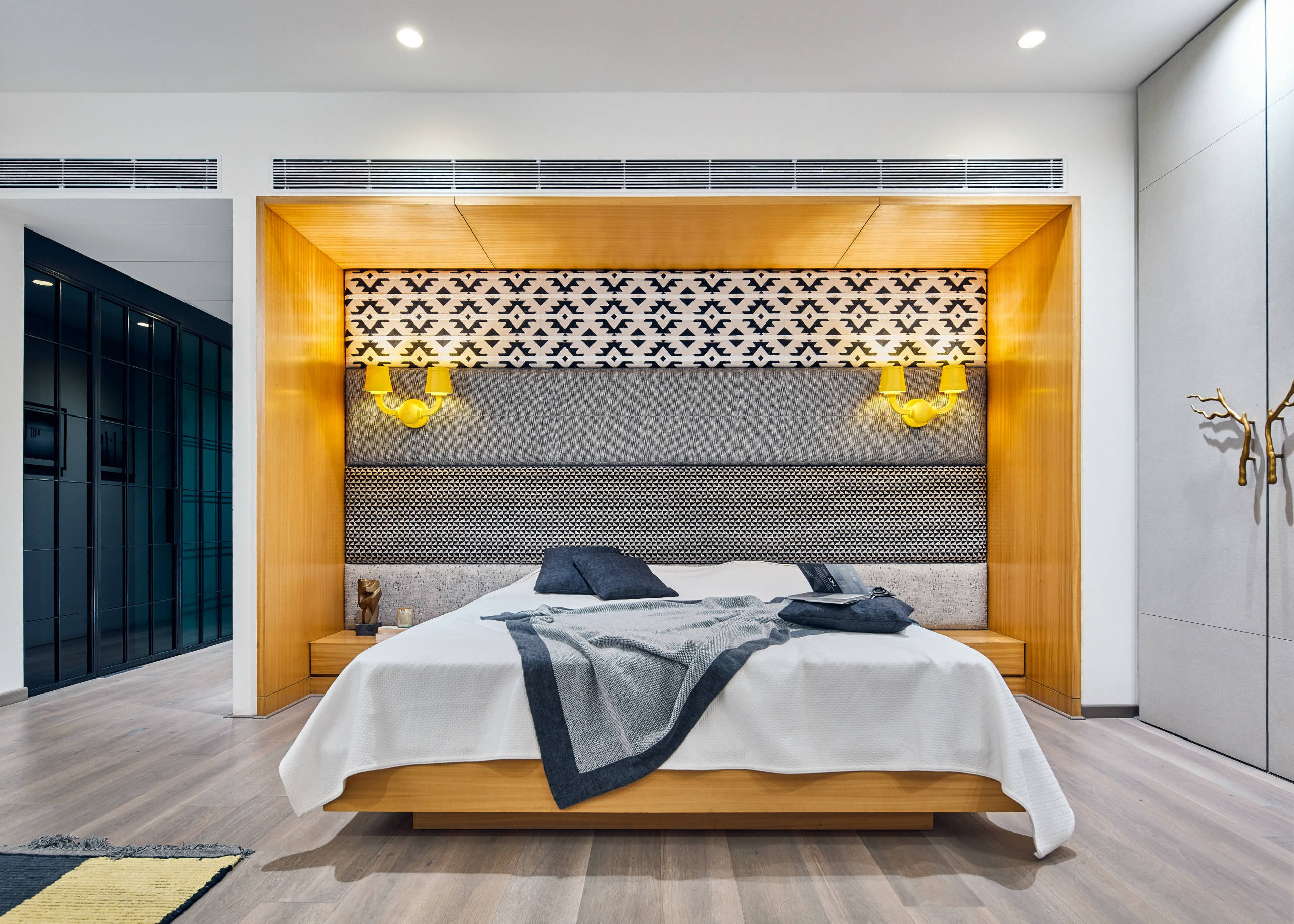
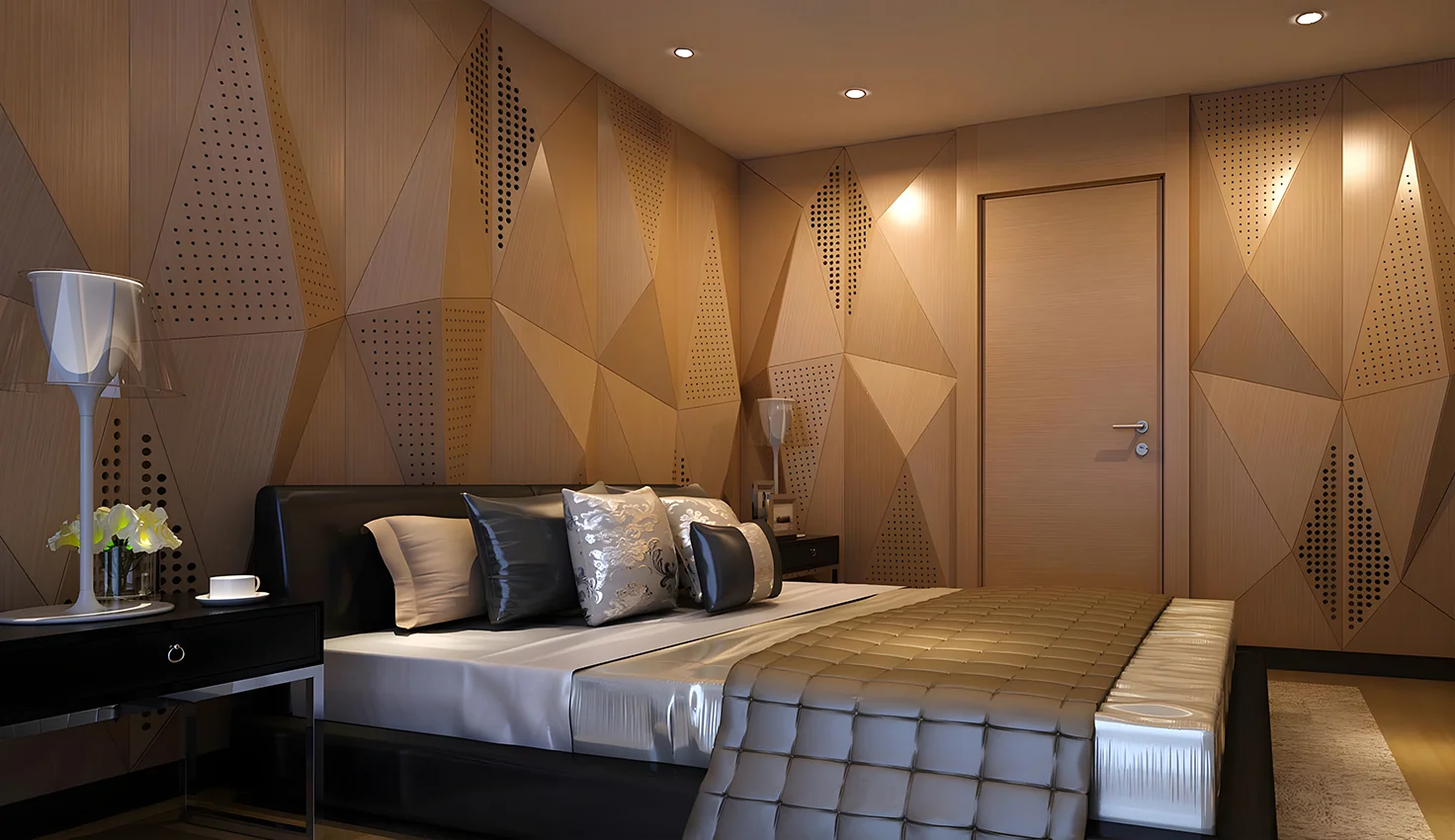
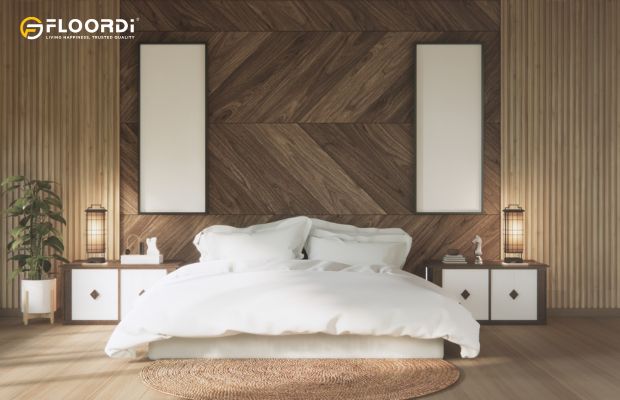
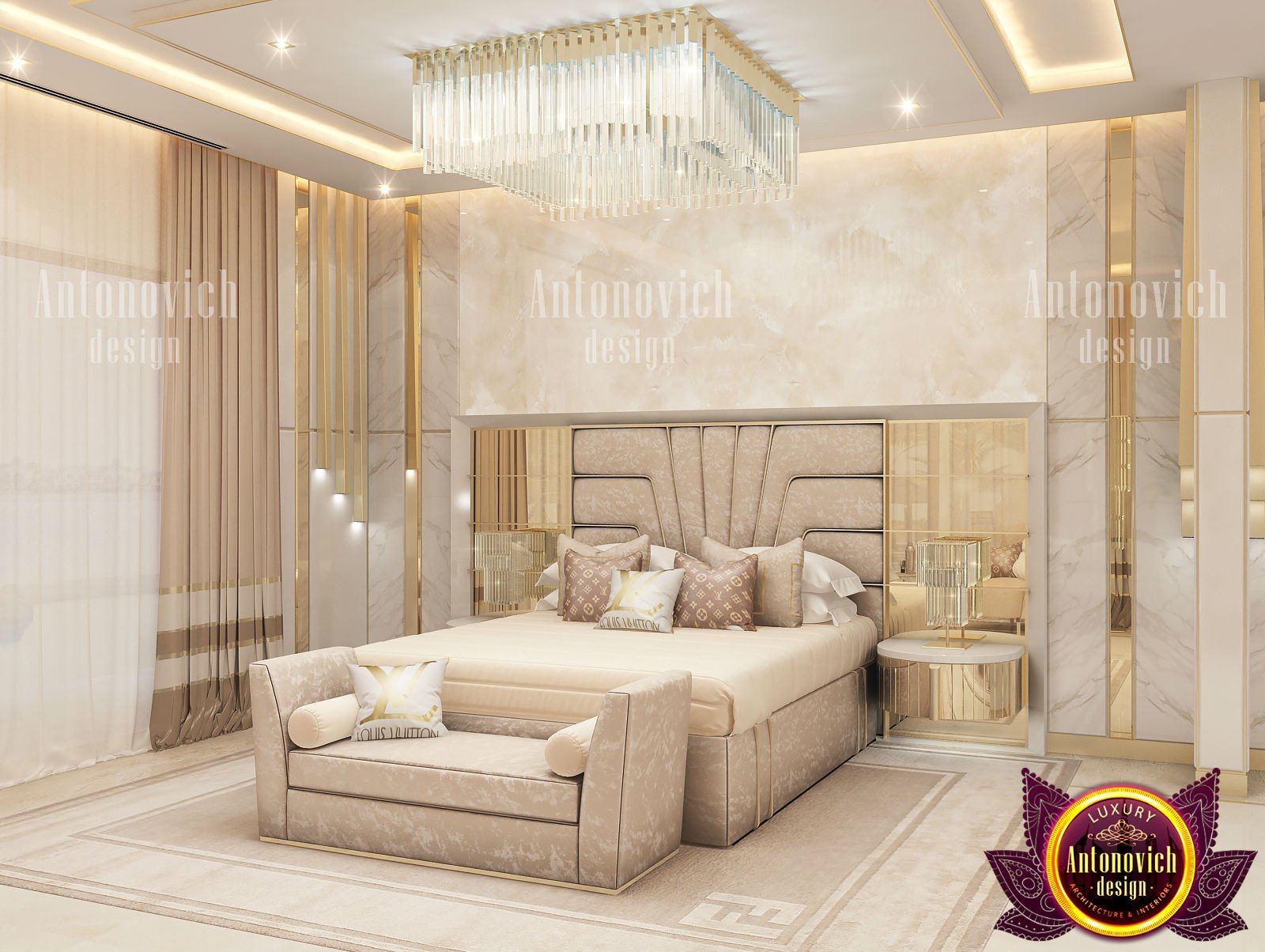
Interior design

Home Decor Ideas Decor: 14 Easy Ways to Refresh Your Space

Image
Image
Image
Image

Home decor ideas work best when they combine comfort, function, and visual balance. Small decorative choices can completely shift how a room feels. The goal is not to add more objects β€” it is to create intention.

Across apartments and homes in Gurgaon, Noida, and Delhi NCR, modern decor focuses on calm palettes, soft textures, and curated accents.

This guide shares decor ideas that instantly upgrade any space.


What Makes Decor Look Well Designed?

Good decor follows structure.

Design principles influenced by Bauhaus emphasize clarity and proportion β€” decoration should feel arranged, not random.

Core rules:

  • Controlled palette
  • Grouped objects
  • Mixed textures
  • Clear focal points
  • Negative space

Decor should support the room.


Use Decorative Trays to Create Order

Image
Image
Image
Image

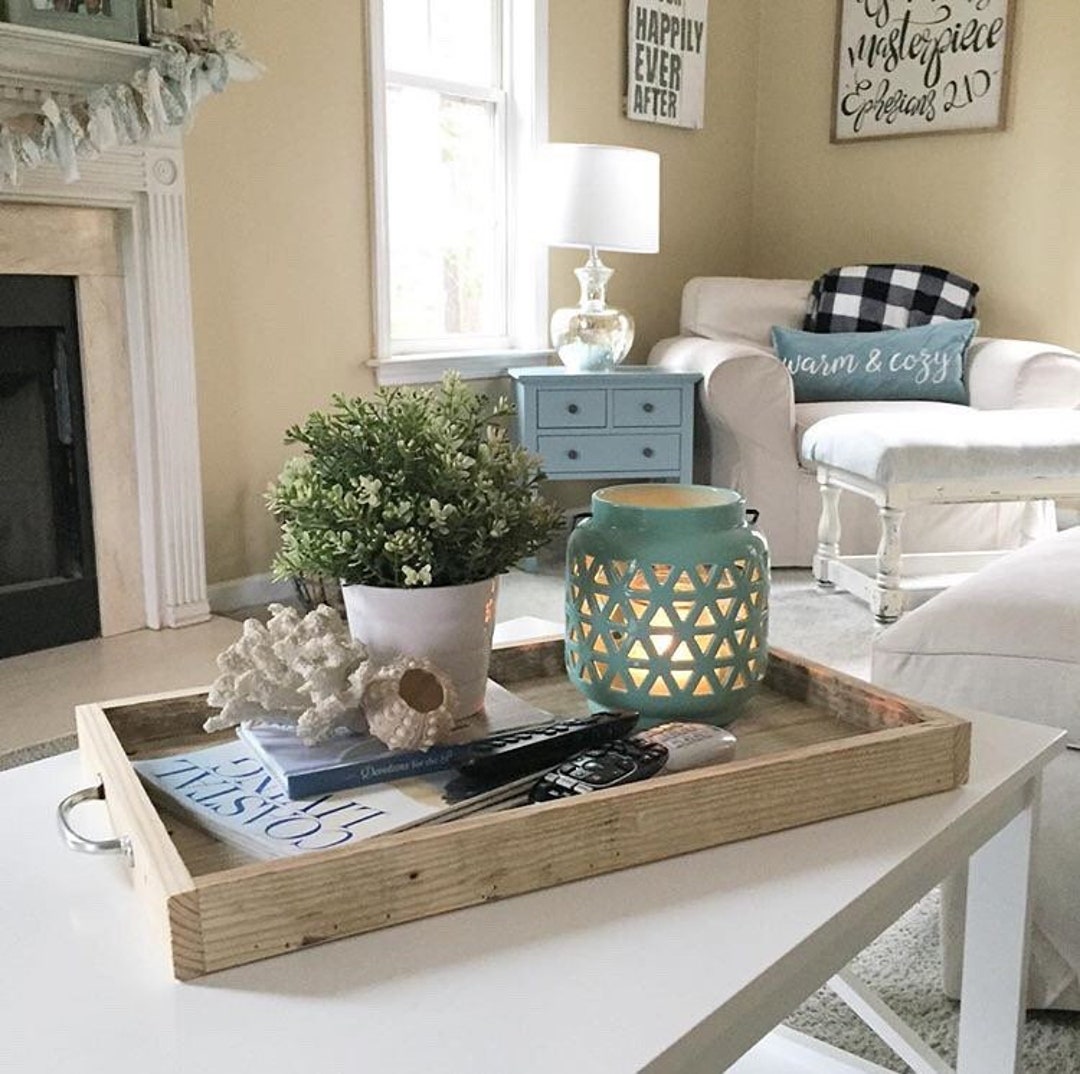
Trays organize small items.

Inside a tray:

  • Candle
  • Book stack
  • Small plant
  • Sculptural piece

Grouping prevents clutter.


Add Layered Textiles

Soft fabrics warm a room instantly.

Use:

  • Throw blankets
  • Cushions
  • Rugs
  • Curtains
  • Upholstered accents

Texture replaces excess decoration.


Anchor the Room with Statement Art

Image
Image
Image
Image

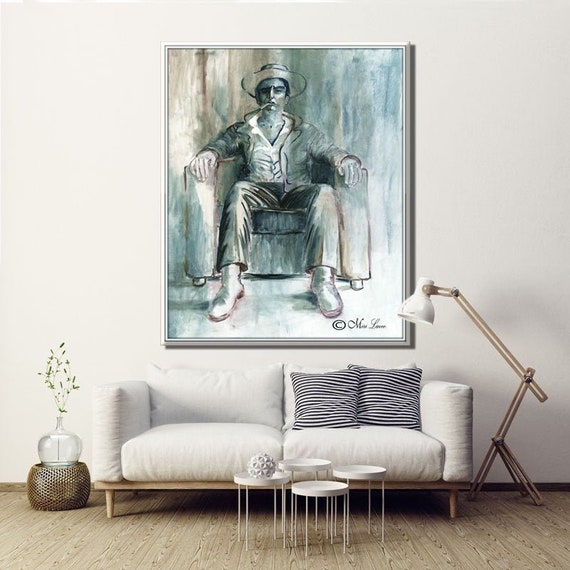
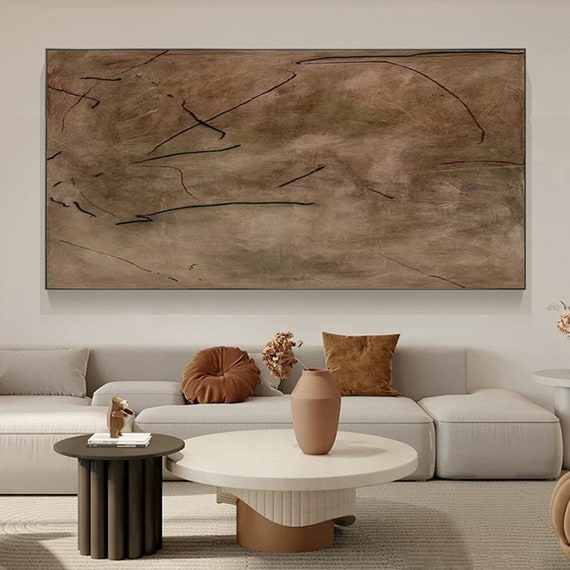
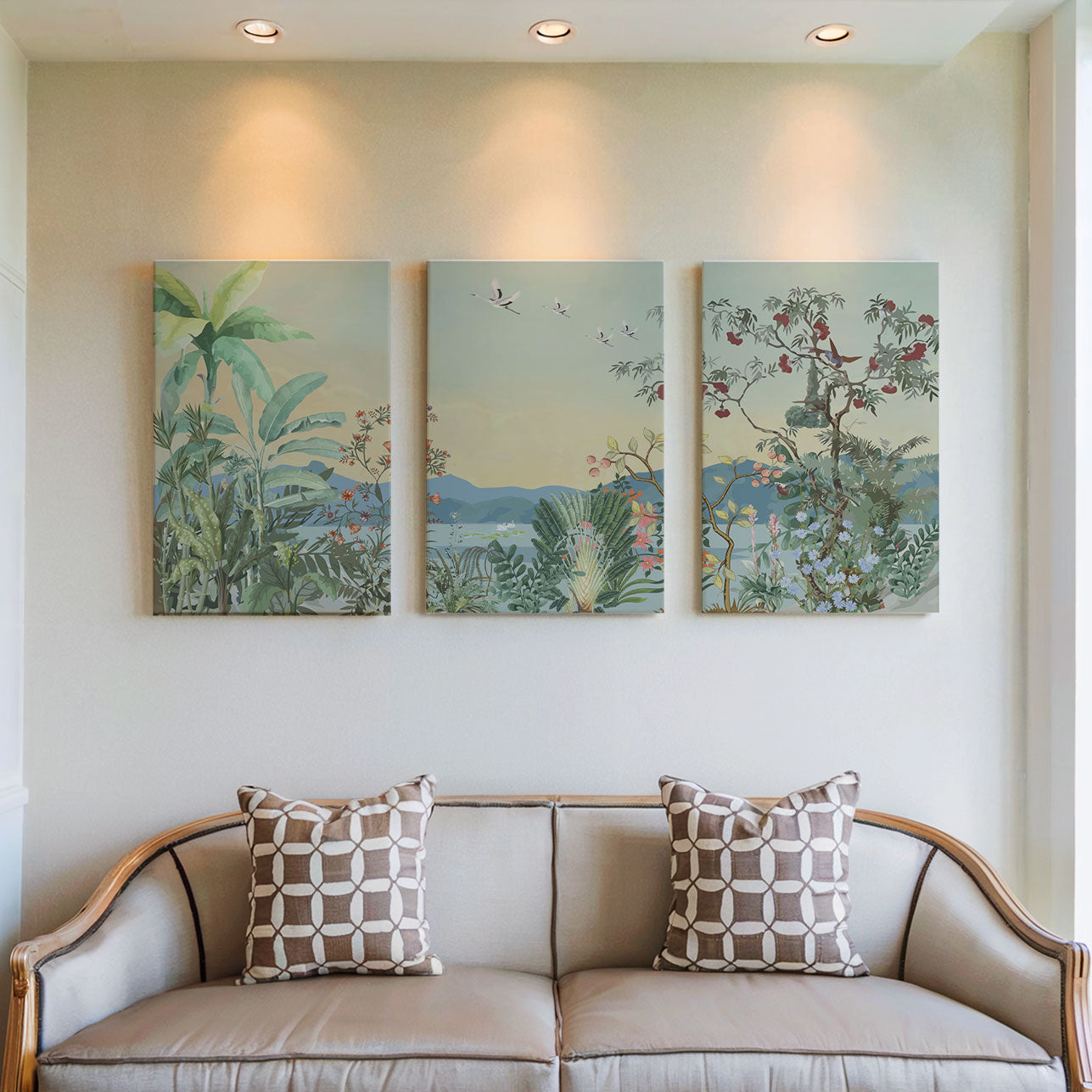
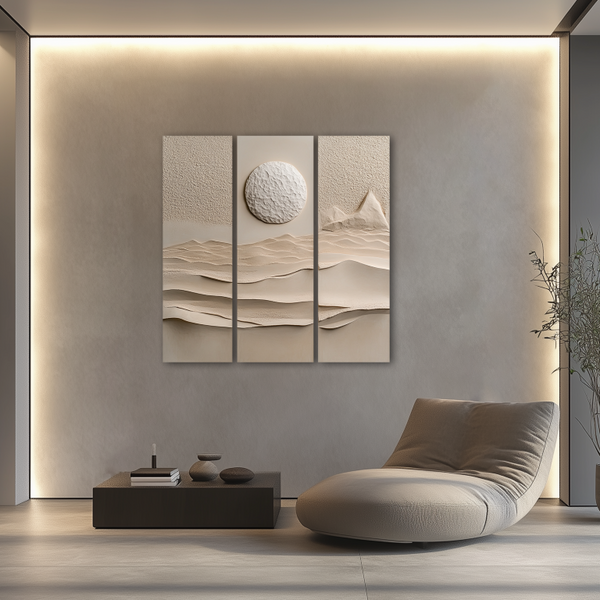
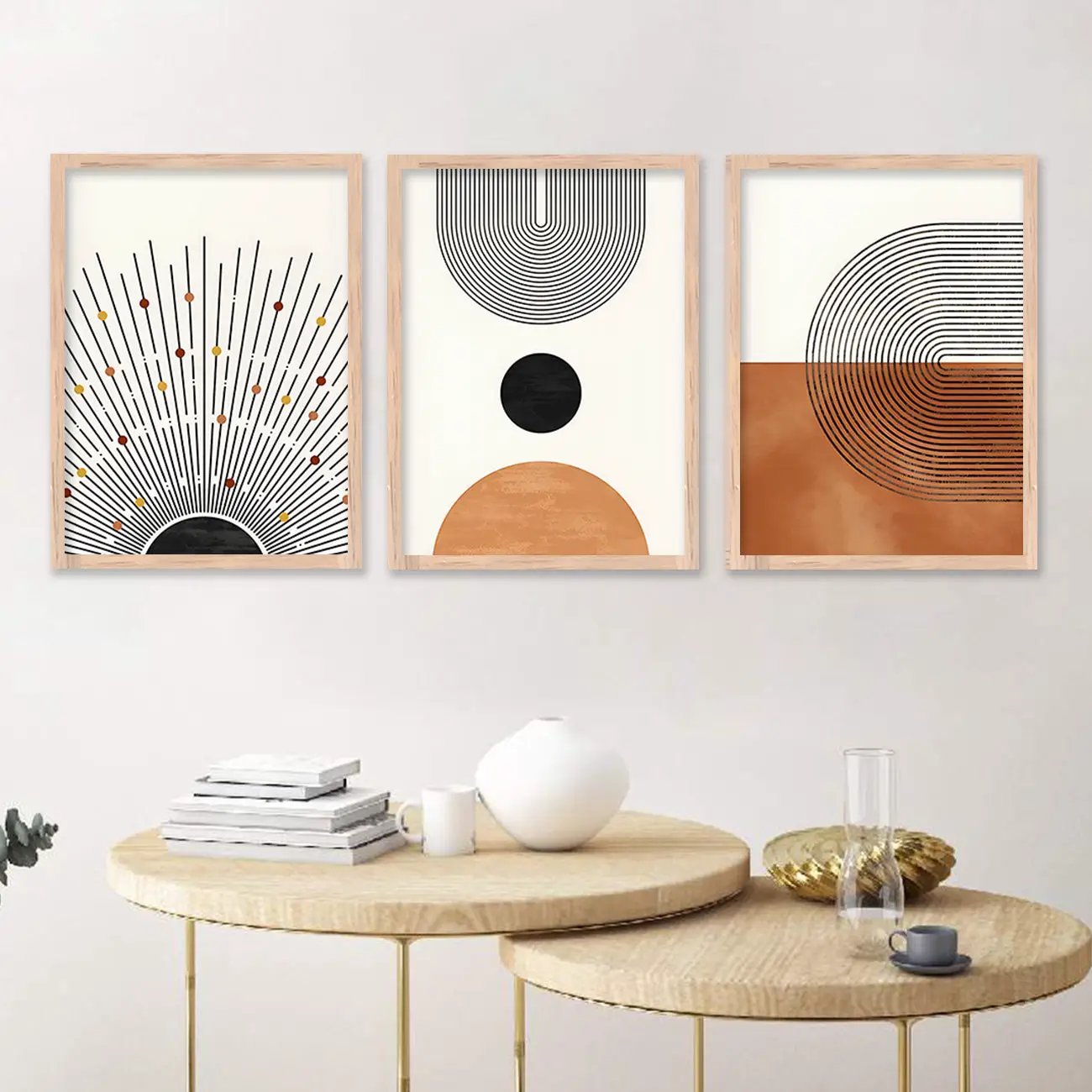
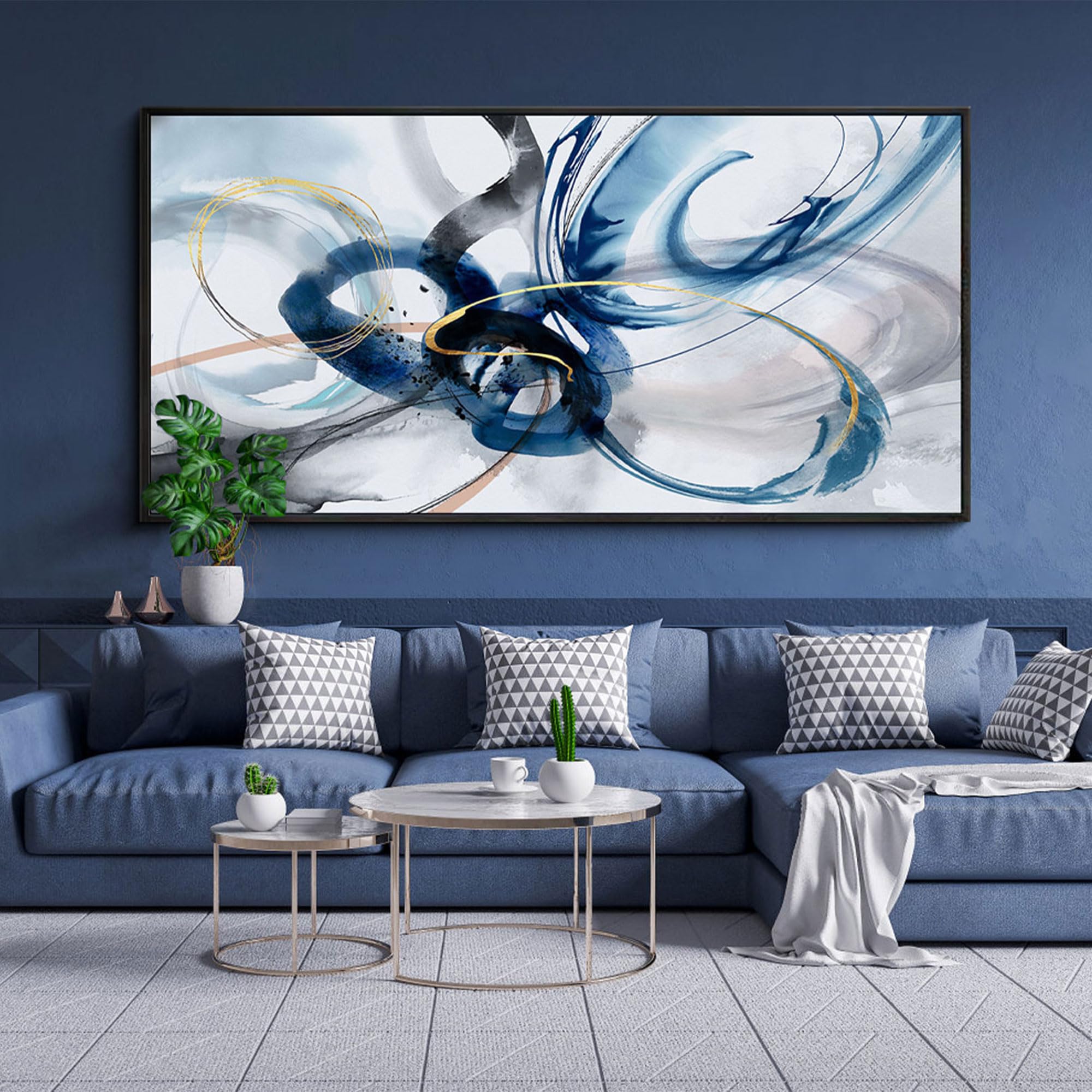
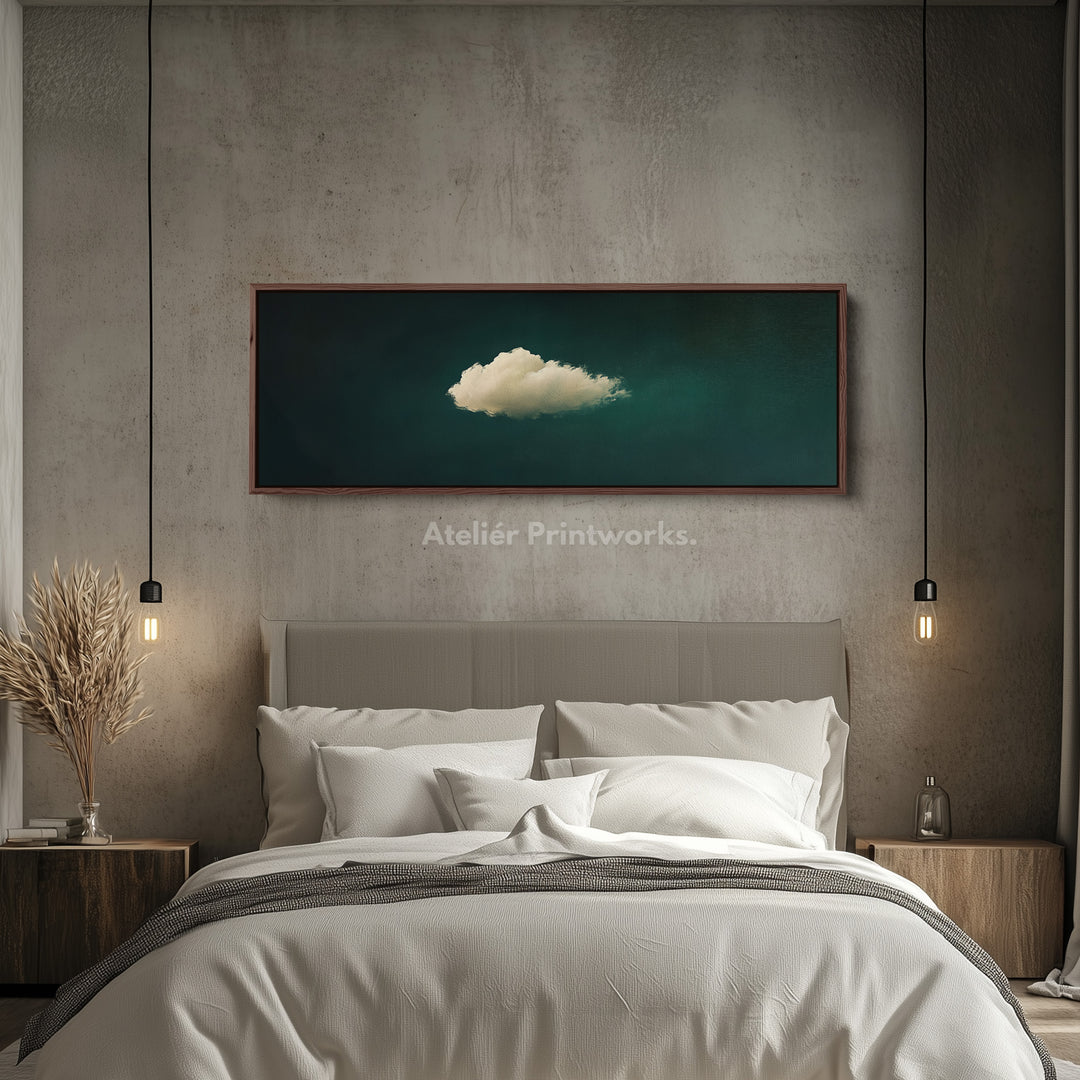
One large artwork creates focus.

Benefits:

  • Clean visual anchor
  • Less clutter
  • Easy balance

Avoid overloading walls.


Introduce Greenery

Plants soften interiors.

Good options:

  • Floor plant
  • Table greenery
  • Hanging plant
  • Dried grasses

Nature adds calm energy.


Style Shelves Sparingly

Image
Image
Image
Image

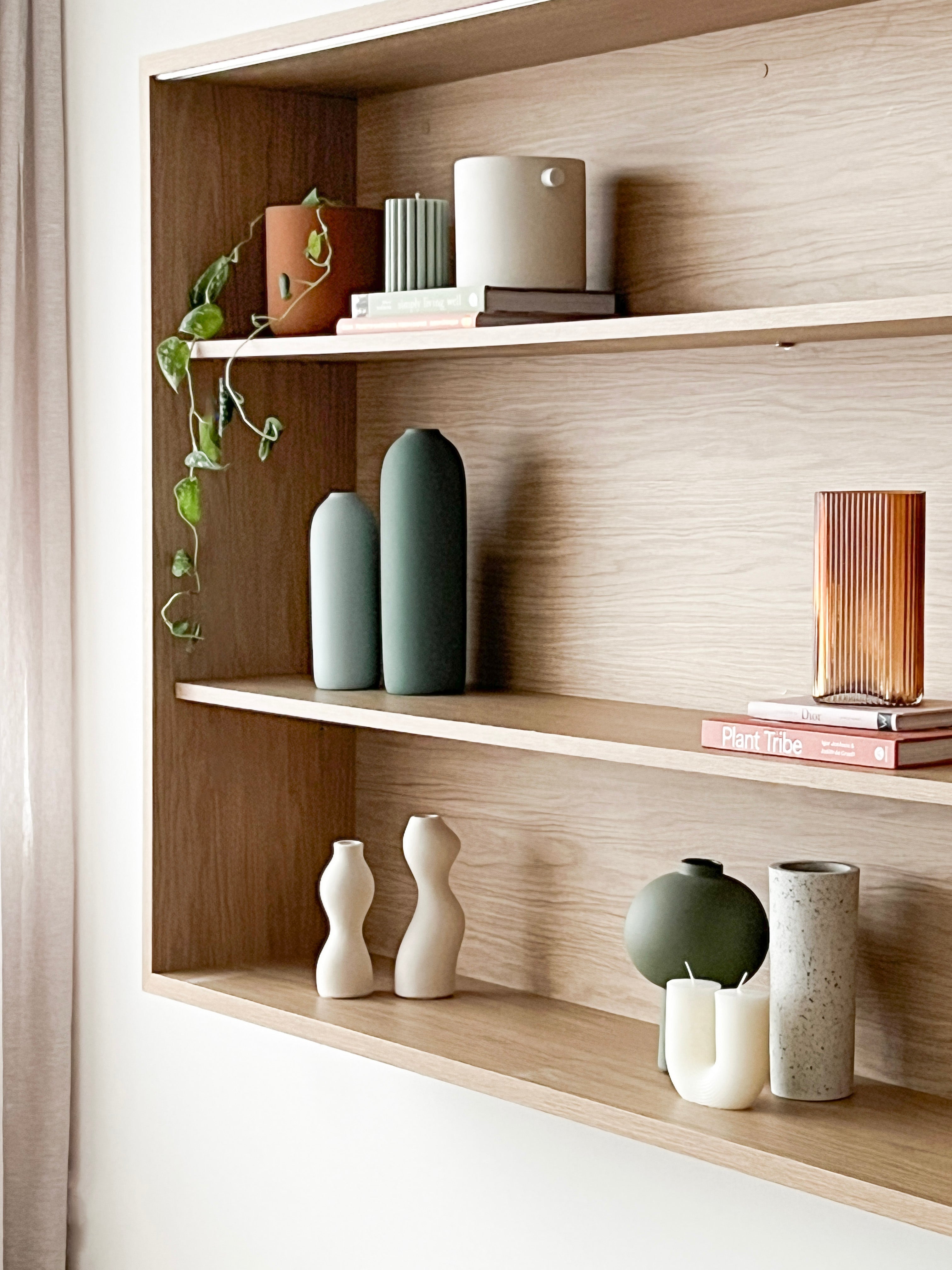
Shelves should breathe.

Display:

  • Books
  • Plant
  • Small art
  • Ceramic object

Leave open space.


Add Warm Lighting

Lighting doubles as decor.

Use:

  • Table lamps
  • Floor lamps
  • Wall sconces
  • Candles

Warm light improves atmosphere.


Mix Natural Materials

Combine:

  • Wood
  • Linen
  • Stone
  • Glass
  • Ceramics

Material contrast adds richness.


Create Small Decor Vignettes

Image
Image
Image
Image

A vignette = intentional cluster.

Example:

  • Lamp
  • Plant
  • Tray
  • Book stack

Keep groupings tight.


Use Mirrors to Expand Space

Mirrors increase light and depth.

Best placements:

  • Opposite windows
  • Entry walls
  • Dining rooms
  • Small apartments

Reflection enlarges perception.


Keep Surfaces Edited

Display only:

  • Essentials
  • One accent piece
  • Organized groupings

Clear surfaces feel calm.


Limit Accent Colors

Too many colours create noise.

Choose:

  • One accent tone
  • Repeat subtly
  • Balance with neutrals

Cohesion matters.


Avoid Common Decor Mistakes

Do not:

  • Crowd surfaces
  • Mix clashing styles
  • Use tiny scattered objects
  • Ignore scale
  • Overfill shelves
  • Decorate every corner

Editing creates elegance.


Benefits of Thoughtful Decor

Good decor adds:

  • Warmth
  • Personality
  • Visual balance
  • Cohesion
  • Comfort
  • Identity

Decoration shapes mood.


Summary

Home decor ideas succeed through grouping, texture, lighting, and restraint. Trays, textiles, greenery, and statement art create spaces that feel curated without clutter. Whether decorating a compact Noida apartment or a spacious Gurgaon home, the principles remain universal: harmony, intention, and breathing space.

Great decor is not about more objects β€”
it is about better choices.

Home Decor Ideas Decor: 14 Easy Ways to Refresh Your Space Read More Β»

Home Decor Idea Decorations: 14 Simple Ways to Elevate Any Room

Image
Image
Image
Image

Home decor decorations are small elements that shape the feeling of a space. When chosen intentionally, they add warmth, personality, and balance without clutter. The goal is not to fill every surface β€” it is to create visual rhythm.

Across apartments in Gurgaon, Noida, and Delhi NCR, modern homes use restrained decoration to feel calm and curated.

This guide explains practical decorating ideas that work in any room.


What Makes Good Home Decorations?

Decor should support the room, not dominate it.

Design principles influenced by Bauhaus emphasize proportion and restraint β€” beauty comes from balance.

Core foundations:

  • Controlled palette
  • Grouped objects
  • Mixed textures
  • Clear focal point
  • Negative space

Decor should feel intentional.


Use Decorative Trays to Organize

Image
Image
Image
Image

Trays create structure.

Inside a tray:

  • Candle
  • Book stack
  • Small plant
  • Sculptural object

Grouping prevents clutter.


Layer Textiles for Warmth

Soft materials add instant comfort.

Use:

  • Throw blankets
  • Accent cushions
  • Area rugs
  • Curtains
  • Upholstered benches

Texture replaces excessive objects.


Add One Statement Artwork

Image
Image
Image
Image

One strong art piece anchors a room.

Benefits:

  • Clean focal point
  • Less visual noise
  • Easy balance

Avoid busy gallery overload.


Introduce Greenery

Plants humanize interiors.

Good options:

  • Floor plant
  • Table greenery
  • Hanging plant
  • Dried grasses

Nature softens edges.


Use Sculptural Objects

Decor should add dimension.

Examples:

  • Ceramic forms
  • Stone pieces
  • Wooden accents
  • Minimal sculptures

One object per surface is enough.


Style Shelves Sparingly

Image
Image
Image
Image

Shelves should breathe.

Display:

  • Books
  • Small art
  • Plant
  • Ceramic object

Leave empty space.


Add Warm Lighting Decor

Lighting doubles as decoration.

Use:

  • Table lamps
  • Floor lamps
  • Wall sconces
  • Candles

Warm light creates mood.


Mix Materials for Depth

Combine:

  • Wood
  • Linen
  • Metal
  • Glass
  • Stone

Material contrast adds richness.


Create Small Decor Vignettes
Image
Image
Image
Image

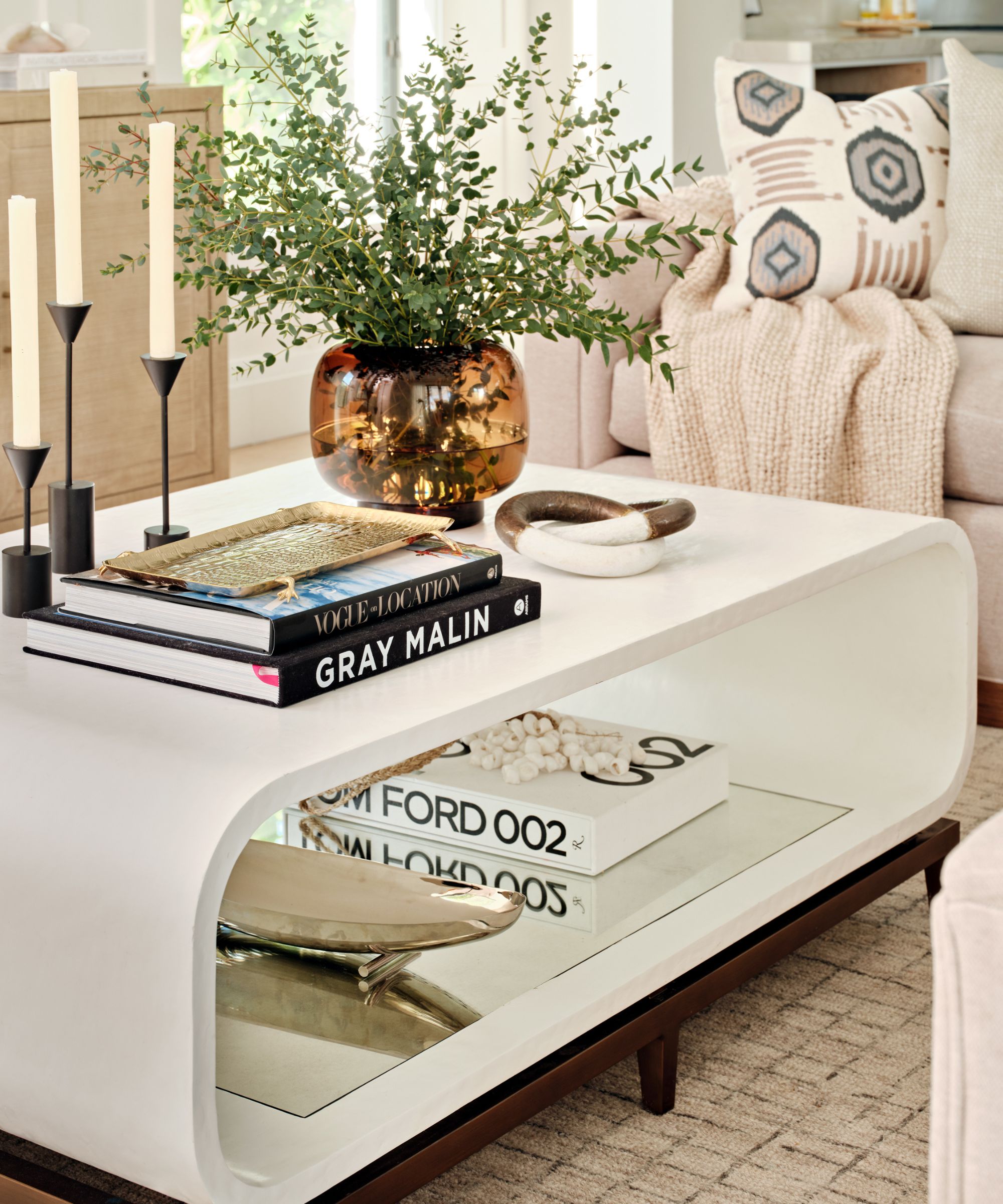
A vignette = small intentional grouping.

Example:

  • Lamp
  • Plant
  • Tray
  • Book stack

Keep clusters tight.


Use Mirrors to Expand Space

Mirrors add light and depth.

Best placements:

  • Opposite windows
  • Entry walls
  • Dining rooms
  • Small apartments

Reflection enlarges perception.


Limit Color Accents

Too many colours create chaos.

Choose:

  • One accent colour
  • Repeat subtly
  • Balance with neutrals

Cohesion creates calm.


Avoid Common Decoration Mistakes

Do not:

  • Crowd surfaces
  • Mix random styles
  • Use tiny scattered objects
  • Ignore scale
  • Overfill shelves
  • Decorate every corner

Editing improves elegance.


Benefits of Thoughtful Home Decoration

Good decor adds:

  • Warmth
  • Personality
  • Visual balance
  • Cohesion
  • Comfort
  • Identity

Decoration shapes atmosphere.


Summary

Home decor decorations succeed through grouping, texture, and restraint. Trays, textiles, plants, and statement art create rooms that feel curated without clutter. Whether decorating a compact Noida apartment or a spacious Gurgaon home, the principles remain universal: harmony, intention, and breathing space.

Great decoration is not about more objects β€”
it is about better choices.

Home Decor Idea Decorations: 14 Simple Ways to Elevate Any Room Read More Β»

Home Decor Aesthetic: 12 Ideas to Create a Calm, Cohesive Interior

Image
Image
Image
Image

A home decor aesthetic is about creating visual harmony. It blends colour, texture, lighting, and objects into a consistent mood. An aesthetic home feels intentional β€” not random β€” where every element supports the same atmosphere.

Across modern apartments in Gurgaon, Noida, and Delhi NCR, aesthetic interiors focus on calm palettes, soft textures, and edited styling.

This guide explains practical ways to build a cohesive aesthetic at home.


What Defines an Aesthetic Interior?

Aesthetic decor is structured balance.

Design thinking influenced by Bauhaus emphasizes clarity, proportion, and purpose β€” beauty comes from cohesion.

Core foundations:

  • Unified palette
  • Repeated textures
  • Soft lighting
  • Edited surfaces
  • Meaningful accents
  • Negative space

Aesthetic spaces feel curated.


Choose a Signature Color Palette

Image
Image
Image
Image

Limit colours to create harmony.

Good aesthetic palettes:

  • Warm neutrals
  • Soft pastels
  • Monochrome beige/grey
  • Earth tones
  • Muted accents

Too many colours break cohesion.


Layer Soft Textures

Texture adds richness quietly.

Combine:

  • Linen fabrics
  • Knit throws
  • Wool rugs
  • Matte ceramics
  • Natural wood

Texture replaces visual clutter.


Use Warm, Diffused Lighting

Image
Image
Image
Image

Lighting shapes mood.

Use:

  • Warm lamps
  • Hidden LED glow
  • Fabric shades
  • Candles
  • Indirect lighting

Harsh light breaks atmosphere.


Decorate in Small Curated Groups

Group objects intentionally.

Example clusters:

  • Tray + candle + book
  • Plant + ceramic piece
  • Stack of books + sculpture

Odd numbers feel natural.


Keep Surfaces Edited

Image
Image
Image
Image

Clear surfaces support calm.

Display only:

  • Essentials
  • One accent object
  • Organized groupings

Breathing space is part of design.


Add Organic Elements

Nature softens interiors.

Use:

  • Plants
  • Dried grasses
  • Wood accents
  • Stone objects
  • Ceramic textures

Organic shapes balance geometry.


Maintain Visual Flow Between Rooms

Repeat:

  • Colours
  • Materials
  • Lighting style
  • Furniture language

Consistency builds aesthetic identity.


Use One Focal Feature Per Room

Image
Image
Image
Image

Too many accents create noise.

Choose:

  • Statement art
  • Feature wall
  • Sculptural lamp
  • Unique furniture

One anchor is enough.


Embrace Negative Space

Not every corner needs decor.

Empty space:

  • Highlights focal pieces
  • Reduces stress
  • Increases visual clarity

Silence is aesthetic.


Avoid Common Aesthetic Mistakes

Do not:

  • Mix clashing palettes
  • Overdecorate shelves
  • Use harsh lighting
  • Add tiny random objects
  • Ignore scale
  • Crowd furniture

Editing creates elegance.


Benefits of an Aesthetic Home

Strong aesthetic decor provides:

  • Visual calm
  • Emotional comfort
  • Cohesion
  • Spacious feeling
  • Easy maintenance
  • Personal identity

Aesthetic homes feel intentional.


Summary

Home decor aesthetic succeeds through palette control, texture layering, warm lighting, and edited styling. Cohesion matters more than quantity. Whether decorating a compact Noida apartment or a spacious Gurgaon home, the principles remain universal: harmony, restraint, and intention.

An aesthetic home is not filled β€”
it is composed.

Home Decor Aesthetic: 12 Ideas to Create a Calm, Cohesive Interior Read More Β»

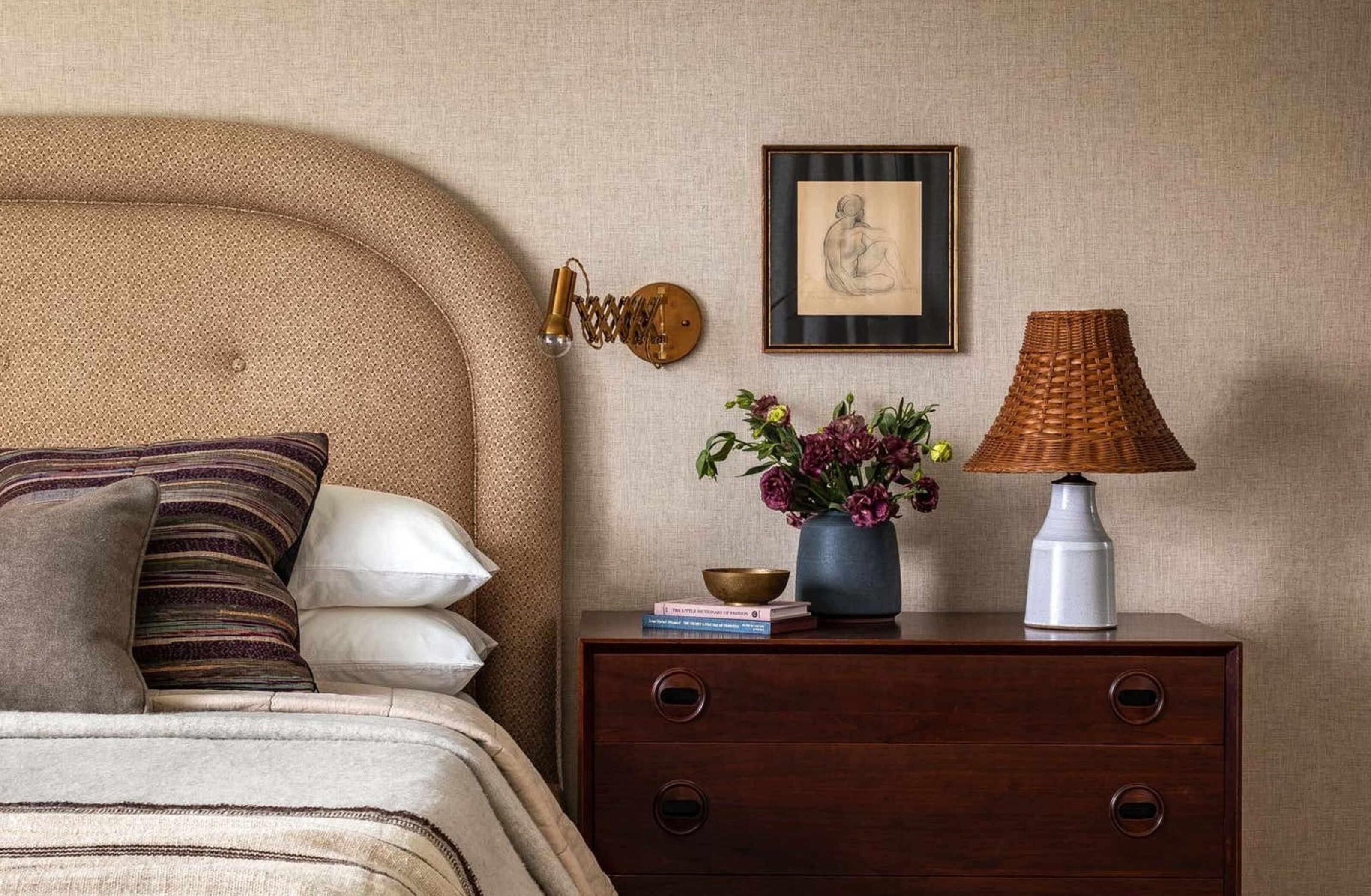
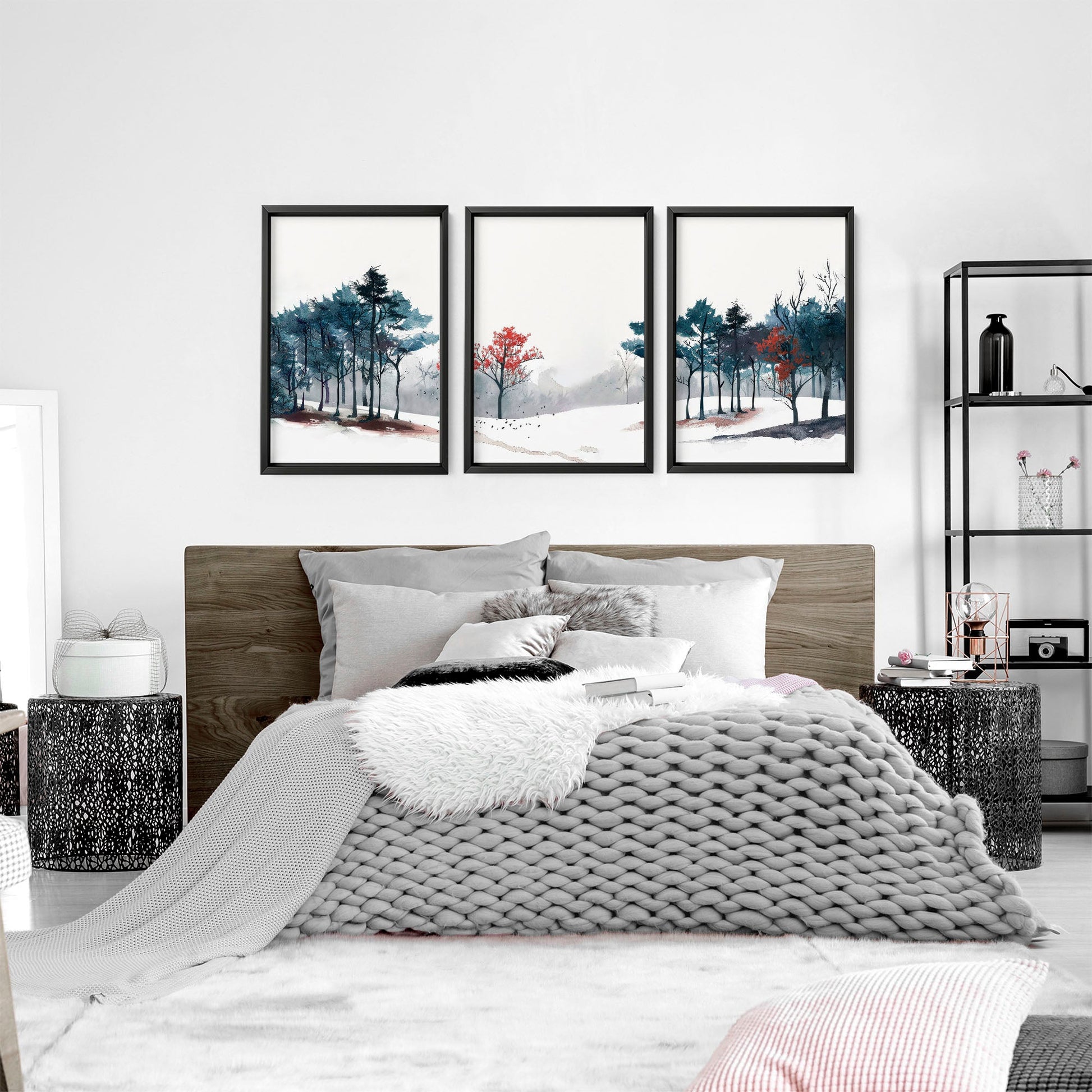
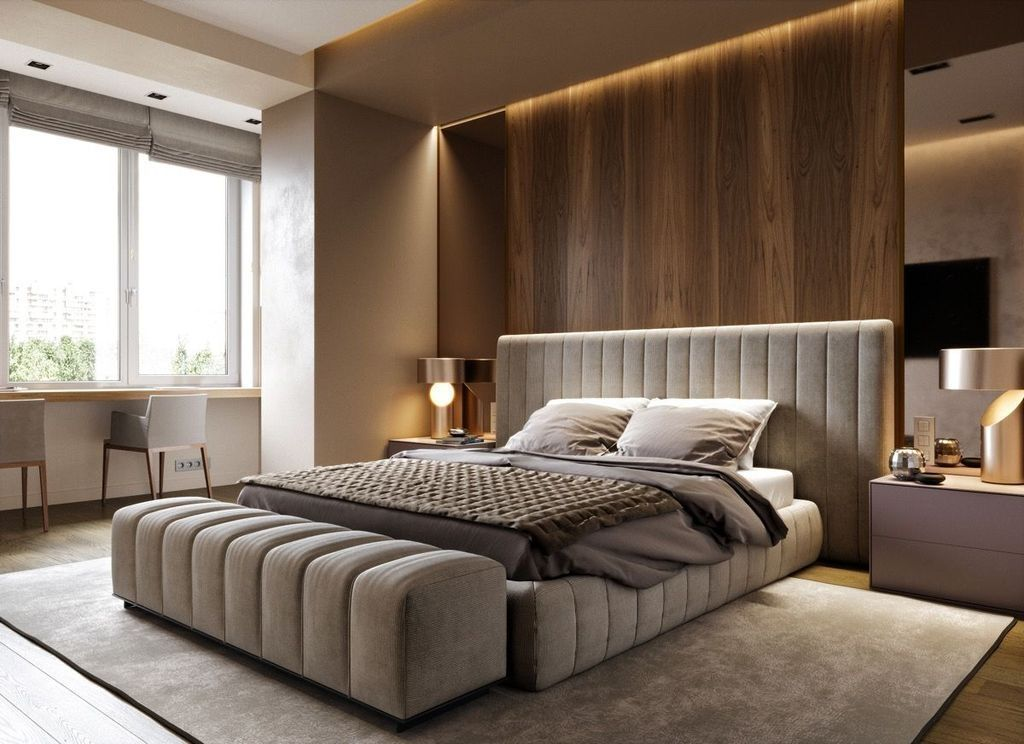
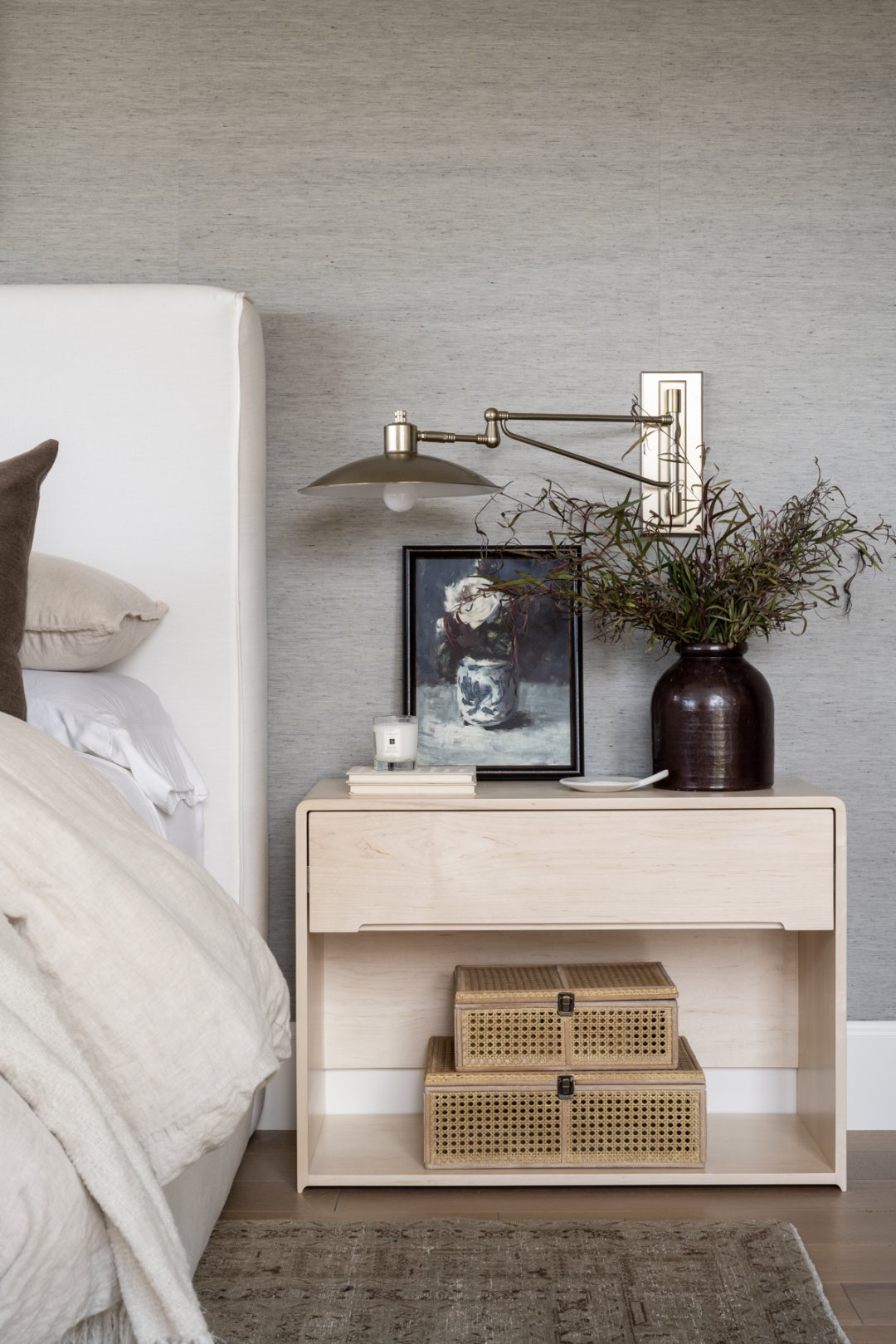
Bedroom Decor Ideas: 14 Simple Ways to Create a Cozy, Modern Retreat

Image
Image
Image
Image

Bedroom decor should create a space that feels restful, warm, and personal. The best bedrooms balance softness with structure β€” enough decoration to feel inviting, but not so much that it becomes visually noisy.

Across modern homes in Gurgaon, Noida, and Delhi NCR, bedroom decor focuses on texture, lighting, and intentional accents rather than clutter.

This guide shares versatile decor ideas that work in both small apartments and larger master bedrooms.


What Makes Good Bedroom Decor?

Strong bedroom decor prioritizes calm.

Design principles influenced by Bauhaus emphasize simplicity and proportion β€” decoration should support rest.

Core rules:

  • One focal area
  • Soft colour palette
  • Layered lighting
  • Cozy textures
  • Edited surfaces

Bedrooms should breathe.


Layer Soft Bedding

Image
Image
Image
Image

The bed defines the room.

Layer:

  • Neutral duvet
  • Knit throw
  • 3–5 pillows
  • Textured blanket

Soft fabrics signal comfort.


Create a Statement Headboard Wall

One strong backdrop replaces excess decor.

Ideas:

  • Upholstered panels
  • Wood slat wall
  • Accent paint
  • Subtle wallpaper
  • Fabric treatment

Focus simplifies styling.


Add Warm Lighting

Image
Image
Image
Image

Lighting shapes mood.

Use:

  • Bedside lamps
  • Wall sconces
  • LED accent light
  • Warm ceiling glow

Avoid harsh white light.


Use One Oversized Artwork

Large art anchors the wall.

Benefits:

  • Clean focal point
  • Less clutter
  • Visual balance
  • Easy styling

Art should feel intentional.


Introduce Greenery

Plants soften interiors.

Good choices:

  • Snake plant
  • Pothos
  • Small bedside plant
  • Dried grasses

Nature adds calm energy.


Keep Bedside Surfaces Minimal

Image
Image
Image
Image

Limit to essentials:

  • Lamp
  • Book
  • Tray
  • Small plant

Clear surfaces reduce stress.


Anchor with a Soft Rug

Rugs warm the room.

Choose:

  • Neutral tones
  • Plush texture
  • Large enough to frame the bed

Rugs soften acoustics.


Add a Bench or Ottoman

A soft bench adds function.

Uses:

  • Seating
  • Blanket storage
  • Visual balance

Keep upholstery calm.


Use Symmetry for Calm

Image
Image
Image
Image

Symmetry promotes relaxation.

Examples:

  • Matching nightstands
  • Twin lamps
  • Balanced art

Order feels restful.


Accent Wall Color

Colour adds personality.

Try:

  • Earth tones
  • Soft pastels
  • Matte neutrals
  • Deep calm hues

One wall is enough.


Add Textile Wall Decor

Soft wall decor adds warmth.

Options:

  • Woven hanging
  • Tapestry
  • Fabric panels
  • Quilted textile

Textiles soften sound.


Hide Clutter with Storage

Use:

  • Storage beds
  • Closed wardrobes
  • Under-bed boxes
  • Baskets

Organization supports calm.


Avoid Common Bedroom Decor Mistakes

Do not:

  • Overdecorate walls
  • Mix busy patterns
  • Use harsh lighting
  • Crowd furniture
  • Fill every surface
  • Ignore scale

Editing preserves elegance.


Benefits of Thoughtful Bedroom Decor

Good decor improves:

  • Sleep quality
  • Comfort
  • Visual calm
  • Mood
  • Organization
  • Warmth

The bedroom becomes a retreat.


Summary

Bedroom decor ideas succeed through soft textiles, warm lighting, and restrained accents. A strong focal wall, layered bedding, and minimal surfaces create spaces that feel cozy and modern. Whether decorating a compact Noida apartment bedroom or a spacious Gurgaon suite, the principles remain universal: calm, texture, and intention.

A beautiful bedroom should feel quiet β€”
and welcoming.

Bedroom Decor Ideas: 14 Simple Ways to Create a Cozy, Modern Retreat Read More Β»

Bedroom Decoration Ideas: 14 Simple Ways to Create a Cozy, Stylish Space

Image
Image
Image
Image

Bedroom decoration should feel calm, personal, and balanced. Unlike social spaces, bedrooms benefit from soft design that supports rest while still expressing personality. The goal is warmth without clutter.

Across apartments in Gurgaon, Noida, and Delhi NCR, modern bedroom decoration focuses on texture, lighting, and restrained accents.

This guide shares decorating ideas that instantly elevate a bedroom.


What Makes Bedroom Decoration Successful?

Good bedroom decor prioritizes calm.

Design principles influenced by Bauhaus emphasize simplicity and proportion β€” decoration should feel intentional, not busy.

Core rules:

  • One focal area
  • Soft palette
  • Balanced lighting
  • Layered textures
  • Edited surfaces

Bedrooms should breathe.


Layer Cozy Bedding

Image
Image
Image
Image

The bed is the visual anchor.

Layer:

  • Neutral duvet
  • Knit throw
  • 3–5 pillows
  • Textured blanket

Soft textiles define comfort.


Add a Statement Headboard Wall

A strong headboard replaces excess decor.

Ideas:

  • Upholstered panel
  • Wood slat wall
  • Accent paint
  • Textured wallpaper
  • Fabric treatment

One feature is enough.


Use Warm Ambient Lighting

Image
Image
Image
Image

Lighting shapes mood.

Combine:

  • Bedside lamps
  • Wall sconces
  • Hidden LED strips
  • Warm ceiling light

Avoid harsh brightness.


Decorate with One Large Artwork

Oversized art simplifies styling.

Benefits:

  • Strong focal point
  • Clean visual impact
  • Less clutter
  • Easy balance

Art should feel intentional.


Introduce Greenery

Plants soften hard edges.

Good choices:

  • Snake plant
  • Pothos
  • Small bedside plant
  • Dried grasses

Nature adds calm energy.


Keep Bedside Styling Minimal

Image
Image
Image
Image

Limit to essentials:

  • Lamp
  • Book
  • Small plant
  • Tray

Clear surfaces reduce stress.


Anchor with a Soft Rug

Rugs add warmth and quiet sound.

Choose:

  • Neutral tones
  • Plush texture
  • Large enough to extend beyond bed

Rugs frame the room.


Add a Bench or Ottoman

A soft bench adds function and style.

Uses:

  • Seating
  • Blanket storage
  • Visual balance

Keep upholstery neutral.


Use Symmetry for Calm

Image
Image
Image
Image

Symmetry feels restful.

Examples:

  • Matching nightstands
  • Twin lamps
  • Balanced wall art

Order promotes relaxation.


Accent Wall Color

Colour adds personality.

Try:

  • Earth tones
  • Soft pastels
  • Matte neutrals
  • Deep calm hues

One wall is enough.


Add Textile Wall Decor

Soft wall decor adds warmth.

Options:

  • Woven hanging
  • Fabric panel
  • Tapestry
  • Quilted textile

Textiles soften acoustics.


Hide Clutter with Storage

Use:

  • Storage beds
  • Closed wardrobes
  • Under-bed boxes
  • Baskets

Calm rooms stay organized.


Avoid Common Bedroom Decorating Mistakes

Do not:

  • Overdecorate walls
  • Use busy patterns
  • Mix too many colours
  • Crowd furniture
  • Add harsh lighting
  • Fill every surface

Editing preserves calm.


Benefits of Thoughtful Bedroom Decoration

Good decor improves:

  • Sleep quality
  • Visual calm
  • Comfort
  • Warmth
  • Mood
  • Organization

The bedroom becomes a retreat.


Summary

Bedroom decoration ideas succeed through soft textiles, warm lighting, and restrained accents. A strong focal wall, layered bedding, and minimal surfaces create spaces that feel restful and stylish. Whether decorating a compact Noida apartment bedroom or a spacious Gurgaon suite, the principles remain universal: calm, texture, and intention.

A decorated bedroom should feel quiet β€”
and welcoming.

Bedroom Decoration Ideas: 14 Simple Ways to Create a Cozy, Stylish Space Read More Β»

Bedroom Decorating Styles: 10 Looks That Define Modern Bedrooms

Image
Image
Image
Image

Bedroom decorating styles shape mood, comfort, and identity. The right style creates a cohesive environment that supports rest while expressing personality. Each style has its own palette, textures, and furniture language.

Across modern homes in Gurgaon, Noida, and Delhi NCR, bedrooms are increasingly styled with intention β€” blending aesthetics with function.

This guide explores the most popular bedroom decorating styles and how to recognize them.


Minimalist Bedroom Style

Image
Image
Image
Image

Minimalism focuses on clarity and breathing space.

Features:

  • Neutral palette
  • Clean lines
  • Sparse decor
  • Hidden storage
  • Soft textures
  • Negative space

Design thinking influenced by Bauhaus supports the idea that simplicity enhances function.

Mood: calm and quiet.


Modern Contemporary Style

Image
Image
Image
Image

Contemporary style evolves with trends.

Features:

  • Neutral base with accents
  • Sleek furniture
  • Statement lighting
  • Minimal ornamentation
  • Mixed materials

Mood: polished and urban.


Scandinavian Bedroom Style

Image
Image
Image
Image

Scandinavian design blends minimalism and warmth.

Features:

  • Light woods
  • White palette
  • Cozy textiles
  • Functional furniture
  • Natural light emphasis

Mood: bright and cozy.


Bohemian (Boho) Bedroom Style

Image
Image
Image
Image

Boho style celebrates creativity.

Features:

  • Layered textiles
  • Earth tones + color
  • Handmade decor
  • Plants
  • Mixed patterns

Mood: relaxed and artistic.


Modern Luxury Style

Image
Image
Image
Image

Luxury bedrooms emphasize sophistication.

Features:

  • Upholstered headboards
  • Rich fabrics
  • Metallic accents
  • Symmetry
  • Soft lighting

Mood: refined and indulgent.


Japandi Style (Japanese + Scandinavian)

Image
Image
Image
Image

Japandi blends Japanese restraint with Nordic warmth.

Features:

  • Earthy neutrals
  • Low furniture
  • Natural textures
  • Clean geometry
  • Organic materials

Mood: peaceful and grounded.


Industrial Bedroom Style

Image
Image
Image
Image

Industrial style highlights raw materials.

Features:

  • Exposed brick
  • Metal accents
  • Dark tones
  • Minimal textiles
  • Urban edge

Mood: bold and urban.


Soft Aesthetic / Pastel Style

Image
Image
Image
Image

Aesthetic pastel rooms feel playful yet calm.

Features:

  • Soft pinks/blues
  • Light fabrics
  • Minimal furniture
  • Decorative accents
  • Cozy lighting

Mood: gentle and dreamy.


Rustic Modern Style

Image
Image
Image
Image

Rustic modern blends raw texture with clean lines.

Features:

  • Natural wood
  • Stone accents
  • Neutral palette
  • Warm textiles
  • Simple furniture

Mood: warm and grounded.


Hotel-Inspired Style

Image
Image
Image
Image

Hotel style prioritizes comfort and polish.

Features:

  • Crisp white bedding
  • Layered pillows
  • Symmetrical layout
  • Soft lighting
  • Minimal clutter

Mood: restful and polished.


Choosing Your Bedroom Style

Ask:

  • Do I prefer calm or expressive spaces?
  • Warm tones or cool neutrals?
  • Soft textures or sleek finishes?
  • Cozy or minimal?
  • Symmetry or casual layering?

Your answers reveal your style direction.


Summary

Bedroom decorating styles range from minimalist calm to bohemian creativity and modern luxury refinement. Each style uses different palettes, textures, and furniture language to shape mood. Whether styling a compact Noida apartment or a spacious Gurgaon suite, the key is consistency: choose one dominant style and let every element support it.

A bedroom style should not fight itself.
It should feel unified and intentional.

Bedroom Decorating Styles: 10 Looks That Define Modern Bedrooms Read More Β»

Bedroom Wall Decoration: 12 Calm Ideas for a Stylish Sleep Space

Image
Image
Image
Image

Bedroom wall decoration should feel soft, intentional, and restful. Unlike social rooms, bedroom walls benefit from quiet design that supports relaxation. The goal is to add personality without overstimulation.

Across modern apartments in Gurgaon, Noida, and Delhi NCR, bedroom walls are styled to create a hotel-like calm: minimal, textured, and balanced.

This guide explains decorating ideas that elevate bedroom walls without clutter.


What Makes Bedroom Wall Decor Successful?

Bedroom design prioritizes calm.

Design principles influenced by Bauhaus emphasize restraint and proportion β€” decoration should feel organized and quiet.

Core principles:

  • One focal wall
  • Soft colour palette
  • Proper scale
  • Balanced spacing
  • Negative space

Walls should breathe.


Oversized Artwork Above the Bed

Image
Image
Image
Image

One large piece replaces many small ones.

Benefits:

  • Strong focal point
  • Clean visual impact
  • Less clutter
  • Easy styling

Width β‰ˆ 2/3 of bed size.


Textured Feature Wall

Image
Image
Image
Image

Texture adds depth quietly.

Options:

  • Wood slat panels
  • Upholstered wall panels
  • Limewash finish
  • Fabric treatment
  • Subtle plaster texture

Texture replaces excessive decor.


Minimal Gallery Arrangement

Small curated groupings add personality.

Tips:

  • Use 2–4 framed prints
  • Keep palette consistent
  • Maintain equal spacing
  • Align to headboard width

Avoid busy arrangements.


Decorative Mirrors

Image
Image
Image
Image

Mirrors add light and depth.

Best placements:

  • Above dresser
  • Side wall
  • Adjacent to bed
  • Opposite window

Reflection softens the room.


Wall-Mounted Lighting as Decor

Lighting doubles as art.

Use:

  • Sculptural sconces
  • Hanging bedside pendants
  • Linear wall lights
  • Warm accent lighting

Light adds dimension.


Accent Paint Wall

Colour defines mood.

Ideas:

  • Earth-toned matte paint
  • Soft pastel wall
  • Deep neutral accent
  • Two-tone paint split

One accent wall is enough.


Floating Shelves (Minimal Styling)

Image
Image
Image
Image

Shelves should stay edited.

Display:

  • Books
  • One plant
  • Ceramic object
  • Small art

Limit objects per shelf.


Textile Wall Hangings

Soft materials add warmth.

Options:

  • Woven tapestry
  • Fabric panels
  • Quilted textile
  • Minimal macramΓ©

Textiles improve acoustics.


Symmetrical Wall Styling

Image
Image
Image
Image

Symmetry feels calm.

Examples:

  • Twin frames
  • Paired sconces
  • Matching shelves
  • Balanced mirrors

Perfect for restful spaces.


Minimal Single Object Focus

Less can feel stronger.

Try:

  • One sculpture
  • One oversized mirror
  • One dramatic light
  • One textile piece

Negative space amplifies impact.


Avoid Common Bedroom Wall Mistakes

Do not:

  • Crowd above the bed
  • Hang art too high
  • Mix busy patterns
  • Use harsh colours
  • Fill every wall
  • Ignore scale

Editing preserves calm.


Benefits of Thoughtful Bedroom Wall Decor

Strong wall styling adds:

  • Restful atmosphere
  • Visual balance
  • Personality
  • Warmth
  • Depth
  • Calm focus

Walls shape sleep quality.


Summary

Bedroom wall decoration succeeds through scale, texture, and restraint. Statement art, textured walls, mirrors, and curated accents create focal points without noise. Whether styling a compact Noida apartment bedroom or a spacious Gurgaon suite, the principles remain universal: intention, softness, and breathing space.

A bedroom wall should soothe the eye β€”
not compete for attention.

Bedroom Wall Decoration: 12 Calm Ideas for a Stylish Sleep Space Read More Β»

Modern Bedroom Decor: 12 Clean Ideas for a Stylish, Restful Space

Image
Image
Image
Image

Modern bedroom decor is about calm structure, soft contrast, and intentional simplicity. A well-designed modern bedroom feels open, restful, and refined β€” never crowded. The focus is clean lines, balanced lighting, and texture instead of excessive decoration.

Across apartments and homes in Gurgaon, Noida, and Delhi NCR, modern bedrooms are styled to feel like private retreats: minimal, warm, and quietly elegant.

This guide explains modern decorating ideas that elevate a bedroom without clutter.


What Defines Modern Bedroom Decor?

Modern interiors prioritize clarity and function.

Design principles influenced by Bauhaus emphasize form, proportion, and simplicity.

Core elements:

  • Neutral palette
  • Clean silhouettes
  • Low visual clutter
  • Layered lighting
  • Textural warmth
  • One focal feature

Modern design is edited, not empty.


Choose a Calm Neutral Palette

Image
Image
Image
Image

Modern bedrooms rely on quiet colour.

Best tones:

  • Warm white
  • Beige
  • Soft grey
  • Taupe
  • Natural wood

Accent colours should stay subtle.


Use a Low-Profile Bed Frame

Low beds create a grounded, modern look.

Choose:

  • Platform beds
  • Upholstered frames
  • Wood slab bases
  • Floating bed styles

Lower furniture increases ceiling perception.


Make the Headboard the Focal Point

Image
Image
Image
Image

A strong headboard anchors the room.

Options:

  • Fabric upholstered panel
  • Wood slat wall
  • Extended wall headboard
  • Neutral textured fabric

One feature replaces many decorations.


Layer Soft Textures

Modern rooms still need warmth.

Add:

  • Linen bedding
  • Knit throw
  • Upholstered bench
  • Neutral rug
  • Soft cushions

Texture prevents sterility.


Use Minimal Bedside Furniture

Image
Image
Image
Image

Keep bedside areas light.

Choose:

  • Floating nightstands
  • Slim tables
  • Hidden drawer storage
  • Wall-mounted lamps

Clear floors feel spacious.


Layer Lighting for Mood

Modern lighting should feel soft.

Combine:

  • Warm bedside lamps
  • Hidden LED strips
  • Pendant bedside lights
  • Indirect ceiling light

Avoid harsh overhead brightness.


Add One Large Artwork Piece

Image
Image
Image
Image

One oversized artwork simplifies walls.

Benefits:

  • Strong focal point
  • Clean visual balance
  • Less clutter
  • Easy styling

Art should feel intentional.


Integrate Hidden Storage

Modern bedrooms hide clutter.

Use:

  • Built-in wardrobes
  • Storage beds
  • Closed shelving
  • Concealed drawers

Surfaces should stay clear.


Keep Accessories Edited

Limit decor to essentials:

  • One tray
  • One plant
  • One sculptural object
  • One candle or lamp

Too many objects break calm.


Add an Organic Element

Plants soften modern interiors.

Choose:

  • Single floor plant
  • Small bedside greenery
  • Ceramic planter

Nature adds warmth.


Avoid Common Modern Bedroom Mistakes

Do not:

  • Overdecorate walls
  • Use busy patterns
  • Mix too many colours
  • Oversize furniture
  • Add harsh lighting
  • Crowd surfaces

Editing strengthens elegance.


Benefits of Modern Bedroom Decor

Thoughtful modern design improves:

  • Sleep quality
  • Visual calm
  • Spacious feeling
  • Cleaning ease
  • Cohesion
  • Mood

Modern bedrooms support rest.


Summary

Modern bedroom decor succeeds through neutral palettes, clean lines, layered lighting, and intentional focal points. Texture replaces clutter, and simplicity creates luxury. Whether styling a compact Noida apartment bedroom or a spacious Gurgaon suite, the principles remain universal: clarity, balance, and calm.

A modern bedroom should feel quiet β€”
and beautifully composed.

Modern Bedroom Decor: 12 Clean Ideas for a Stylish, Restful Space Read More Β»

Bedroom Decorating Furniture: Key Pieces That Define Comfort & Style

Image
Image
Image

Choosing the right bedroom furniture shapes both comfort and aesthetic. Think of furniture as functional decorβ€”pieces that anchor zones, support daily routines, and set the room’s visual tone.

Below are essential furniture categories with styling tips for an aesthetic, inviting bedroom.


1. Bed Frame (The Centerpiece)

  • Choose a style that anchors the room β€” upholstered, wood, or minimalist metal.
  • Heights and proportions matter: low profiles open the space; taller headboards add drama.
  • Neutral upholstery or wood grains read calm and timeless.

Styling tip: Keep bedding simple and layered β€” a basic quilt with a textured throw β€” to highlight the furniture form.


2. Nightstands (Balanced Bedside Surfaces)

Image
Image
  • Match the scale of your bed.
  • Choose one on each side for symmetry, or pair one with other decor for a casual look.
  • Closed-drawer nightstands keep clutter hidden.

Styling tip: A single lamp and small plant or tray feel curated; avoid over-styling.


3. Dresser / Chest of Drawers (Practical Storage)

  • Tall chests are ideal for narrow rooms; wide dressers help anchor longer walls.
  • Keep top surfaces clean β€” a mirror, one art piece, and a small vase are enough.

Styling tip: Install a mirror above the dresser to reflect light and visually enlarge the room.


4. Wardrobe / Armoire (Clothes Organization)

Image
Image
Image
  • Built-ins or custom wardrobes maximize vertical space.
  • Choose finishes that match or complement the bed frame.
  • Sliding doors save space in compact rooms.

Styling tip: Keep external decoration minimal; the wardrobe itself is a major visual element.


5. Accent Chair or Reading Nook

  • A small armchair or lounge seat adds comfort and a lived-in feel.
  • Place near a window or beside a low shelf.

Styling tip: Add a simple throw or cushion that echoes the room’s palette.


6. Bench or Ottoman at the Foot of the Bed

Image
Image
Image
  • Adds surface for sitting or soft storage.
  • Works beautifully in minimalist and traditional interiors alike.

Styling tip: Keep bench upholstery neutral and texture-rich (linen, wool, leather).


7. Floating Shelves or Wall Cabinets

  • Floating shelves keep floor space open and add height.
  • Great for books, small art, or meaningful objects.

Styling tip: Limit objects per shelf to 2–3 curated pieces β€” too many break the bedroom calm.


8. Bedside Lighting & Lamps

  • Wall-mounted lights save surface space.
  • Table lamps with sculptural forms double as decor.

Styling tip: Choose warm bulbs (around 2700 K) for relaxation.


9. Small Writing Desk or Vanity (Optional)

Image
Image
  • Perfect for small work zones or a personal vanity.
  • Keep chairs lightweight and visually minimal.

Styling tip: Keep accessories minimal (one tray, one mirror).


Furniture Style Tips for Bedroom Decorating

Maintain a Neutral Base Palette

  • White, beige, grey, and soft earth tones make spaces feel larger and calm.

Mix Textures, Not Colors

  • Use wood grains, upholstery, knits, and matte finishes to add interest without clutter.

Balance Scale

  • Don’t oversize furniture β€” leave breathing room around pieces.

Keep Surfaces Edited

  • Too many decorative objects overwhelm. Aim for essentials plus one accent.

Define Zones

  • Bed = resting zone
  • Chair/bench = lounge zone
  • Dresser/desk = functional zone

Quick Checklist

  • Bed with headboard (center of design)
  • Nightstands (pair)
  • Dresser/chest of drawers
  • Wardrobe or closet system
  • Accent chair/bench
  • Functional lighting
  • Minimal wall decor or shelves

Summary

Bedroom furniture is not just about pieces β€” it’s about how they live in the space. Choose clean silhouettes, balanced scale, and purposeful storage. Keep surfaces clear and let a few key furniture forms define the room’s rhythm. Whether decorating a compact Noida apartment or a spacious Gurgaon suite, minimal, thoughtful furniture creates a bedroom that feels restful, intentional, and beautifully designed.

Bedroom Decorating Furniture: Key Pieces That Define Comfort & Style Read More Β»

Bedroom Decor Inspiration – Aesthetic Ideas for a Calm, Stylish Space

Image
Image
Image
Image

An aesthetic bedroom feels calm, intentional, and visually balanced β€” a place that supports rest and still expresses personality. Whether you love minimalist neutrals, soft cozy layers, or artistic accents, aesthetic bedroom decor creates harmony through colour, texture, and light.

This guide shares inspiring ideas you can adapt to small apartments or larger master bedrooms in Gurgaon, Noida, and Delhi NCR.


1. Start with a Soft, Neutral Palette

Image
Image
Image

Neutral or soft tones create serenity.

Best choices:

  • Warm white
  • Pale grey
  • Beige or taupe
  • Soft pastels
    These base tones make spaces feel larger and quieter.

Tip: Choose one dominant tone and use others as subtle accents.


2. Layer Textures for Cozy Comfort

Image
Image
Image
Image

Textures add depth without clutter.

Ideas to layer:

  • Linen or cotton bedding
  • Knit throw blankets
  • Velvet or linen pillows
  • Plush rug
  • Woven baskets

Texture transforms simple rooms into inviting retreats.


3. Choose a Statement Headboard

An expressive headboard sets the tone.

Good options:

  • Upholstered high headboard
  • Wooden slat or panel design
  • Arched or scalloped shape
  • Neutral fabric with subtle texture

The headboard becomes the bedroom’s visual anchor.


4. Use Ambient & Layered Lighting

Image
Image
Image
Image

Lighting shapes mood.

Combine:

  • Warm overhead light
  • Bedside lamps
  • LED strip behind headboard
  • Accent floor or wall lights

Warm light (around 2700K) feels soothing for evenings.


5. Add Aesthetic Wall Decor

Options that feel curated, not cluttered:

  • Minimal framed prints
  • One large statement art
  • Gallery wall with unified palette
  • Decorative wall shelves with small objects

Balance is key β€” leave space around artwork so walls breathe.


6. Use Greenery & Natural Elements

Plants soften interiors and improve air quality.

Good picks:

  • Snake plant
  • Pothos
  • Small potted fern
  • Dried pampas grass

Natural materials (rattan, wood, ceramics) add warmth.


7. Keep Surfaces Minimal & Curated

Clear surfaces make rooms feel calmer.

Display only:

  • One tray with essentials
  • A single sculptural object
  • A candle or diffuser
  • A small plant

Clutter can break the aesthetic.


8. Incorporate Functional Storage

Hidden storage keeps the space neat:

  • Under-bed drawers
  • Built-in wardrobe systems
  • Minimal bedside cabinets
  • Woven baskets

Neat storage supports a restful aesthetic.


9. Feature an Accent Wall or Panel

Accent ideas:

  • Matte earth-toned paint
  • Wooden slat wall behind bed
  • Soft pastel colour
  • Textured plaster

Accent walls add depth without noise.


10. Anchor with a Stylish Rug

Rugs unify furniture:

  • Neutral flat-weave or low-pile
  • Subtle pattern
  • Large enough so bed + nightstands sit partially on rug

Rugs make the room feel intentional and cozy.


11. Keep a Relaxing Nighttime Corner

Create a calming nook:

  • Small reading chair
  • Floor lamp
  • Throw & cushion
  • Small side table

A dedicated quiet zone enhances comfort.


12. Balance Symmetry & Casualness

Symmetry feels calm:

  • Matching bedside tables
  • Identical lamps

Casual touches add life:

  • Slightly varied pillows
  • One offset decor object

Blend both for a relaxed yet refined look.


Quick Aesthetic Decorating Tips

  • Limit your palette: 2–4 harmonious colours.
  • Edit frequently: Remove objects that don’t support calm.
  • Focus on comfort: Bedding and lighting matter most.
  • Textures over colour chaos: Depth without distraction.

Summary

Aesthetic bedroom decor mixes soft colours, layered textures, gentle lighting, and intentional accents to create a space that feels personal and restful. Start with a calming palette, add cosy textiles, and use minimal art and greenery to make the room feel curated yet relaxed. Whether styling a small Noida apartment bedroom or a spacious Gurgaon suite, the principles remain universal: clarity, texture, and purpose.

A well-designed bedroom doesn’t just look beautiful.
It feels peaceful.

Bedroom Decor Inspiration – Aesthetic Ideas for a Calm, Stylish Space Read More Β»

Minimalist Home Decor: 12 Principles for a Calm, Intentional Space

Image
Image
Image
Image

Minimalist home decor is about creating clarity without sacrificing warmth. It removes excess visual noise while keeping spaces livable and inviting. A minimalist home feels open, organized, and emotionally calm.

Across apartments and homes in Gurgaon, Noida, and Delhi NCR, minimalist interiors are used to make rooms feel larger, brighter, and more peaceful.

This guide explains practical principles that define successful minimalist decor.


What Defines Minimalist Decor?

Minimalism is intentional editing.

Design philosophies influenced by Bauhaus emphasize that beauty comes from function and simplicity.

Core foundations:

  • Purposeful objects
  • Neutral palette
  • Clean silhouettes
  • Hidden storage
  • Negative space
  • Controlled accents

Minimalism is structured calm.


Use a Soft Neutral Palette

Image
Image
Image
Image

Neutral colours expand perception and quiet the room.

Best tones:

  • Warm white
  • Beige
  • Pale grey
  • Soft earth tones
  • Light wood

Colour should feel cohesive.


Choose Furniture with Clean Lines

Heavy shapes crowd minimalist spaces.

Look for:

  • Slim silhouettes
  • Raised legs
  • Open bases
  • Low profiles
  • Simple geometry

Visual air increases spaciousness.


Hide Clutter with Closed Storage

Image
Image
Image
Image

Minimalism depends on organization.

Use:

  • Built-in cabinets
  • Storage ottomans
  • Closed shelving
  • Hidden drawers
  • Under-bed storage

Surfaces should stay clear.


Decorate Sparingly but Meaningfully

Minimal decor should feel personal.

Add:

  • One large artwork
  • One plant
  • One sculptural object
  • Neutral textiles
  • Meaningful keepsake

Quality replaces quantity.


Maximize Natural Light

Light defines minimalist interiors.

Strategies:

  • Sheer curtains
  • Mirrors opposite windows
  • Light wall finishes
  • Open sightlines
  • Gloss accents

Brightness expands rooms.


Keep Surfaces Mostly Empty

Image
Image
Image
Image

Clear surfaces reduce stress.

Display only:

  • Essentials
  • One accent object
  • Organized groupings

Negative space is luxury.


Use Texture Instead of Color

Texture adds warmth quietly.

Combine:

  • Linen
  • Wool
  • Natural wood
  • Matte ceramics
  • Soft upholstery

Texture replaces decoration.


One Focal Point Per Room

Too many accents create noise.

Choose:

  • Statement art
  • Sculptural light
  • Textured wall
  • Unique furniture piece

One anchor is enough.


Maintain Visual Flow

Consistent materials create calm.

Repeat:

  • Wood tones
  • Fabrics
  • Metals
  • Accent colour

Harmony prevents cluttered visuals.


Add One Organic Element

Plants soften minimalist interiors.

Choose:

  • Single large plant
  • Small greenery
  • Natural branches
  • Ceramic planter

Nature adds warmth.


Avoid Common Minimalist Mistakes

Do not:

  • Overdecorate shelves
  • Use too many colours
  • Leave clutter visible
  • Choose bulky furniture
  • Add harsh lighting
  • Confuse minimal with cold

Warm minimalism feels lived in.


Benefits of Minimalist Home Decor

Strong minimalist design provides:

  • Visual calm
  • Larger perceived space
  • Easy maintenance
  • Mental clarity
  • Cohesion
  • Timeless style

Minimalism supports wellbeing.


Summary

Minimalist home decor succeeds through editing, neutral palettes, hidden storage, and purposeful decoration. Clean lines and soft textures create interiors that feel calm and expansive. Whether styling a compact Noida apartment or a Gurgaon home, the principles remain universal: clarity, light, and intention.

Minimalist decor is not about having less.
It is about choosing better.

Minimalist Home Decor: 12 Principles for a Calm, Intentional Space Read More Β»

Minimalist Home Decorating: 14 Simple Rules for a Calm, Modern Interior

Image
Image
Image
Image

Minimalist home decorating focuses on clarity, intention, and visual calm. It removes excess while keeping warmth and personality. The goal is not emptiness β€” it is balance. A minimalist home feels breathable, organized, and quietly elegant.

Across modern homes in Gurgaon, Noida, and Delhi NCR, minimalist decorating is used to make spaces feel larger and mentally lighter.

This guide explains practical decorating rules that work in real homes.


What Defines Minimalist Decorating?

Minimalism is disciplined editing.

Design philosophies influenced by Bauhaus emphasize that form follows function β€” decoration should support living, not distract from it.

Core foundations:

  • Fewer objects
  • Neutral palette
  • Clean silhouettes
  • Hidden storage
  • Negative space
  • Purposeful accents

Minimalism values clarity.


Rule 1: Remove Before You Add

Decluttering is step one.

Ask:

  • Do I use this?
  • Does it add beauty?
  • Does it serve a function?

If not, remove it.

Space is design material.


Rule 2: Use a Soft Neutral Palette

Image
Image
Image
Image

Neutral tones expand perception.

Best colours:

  • Warm white
  • Beige
  • Pale grey
  • Soft earth tones
  • Light wood

Colour should feel quiet.


Rule 3: Invest in Fewer, Better Pieces

Quality replaces quantity.

Choose:

  • Durable furniture
  • Timeless materials
  • Functional objects
  • Long-lasting design

Minimalism favors longevity.


Rule 4: Keep Surfaces Mostly Empty

Image
Image
Image
Image

Clear surfaces reduce stress.

Display only:

  • Essentials
  • One accent piece
  • Organized groupings

Breathing space equals luxury.


Rule 5: Hide Storage Aggressively

Clutter breaks minimalism.

Use:

  • Closed cabinets
  • Storage furniture
  • Built-ins
  • Hidden drawers
  • Concealed compartments

Out of sight = calm.


Rule 6: Use Texture Instead of Color

Texture adds warmth without noise.

Layer:

  • Linen
  • Wool
  • Natural wood
  • Matte ceramics
  • Soft upholstery

Texture replaces decoration.


Rule 7: One Focal Point Per Room

Image
Image
Image
Image

Too many accents create chaos.

Choose:

  • Statement art
  • Sculptural light
  • Feature wall
  • Unique furniture

One anchor is enough.


Rule 8: Choose Lightweight Furniture

Heavy forms crowd rooms.

Look for:

  • Raised legs
  • Slim silhouettes
  • Open bases
  • Low profiles

Visual air increases space.


Rule 9: Maximize Natural Light

Light defines minimalist homes.

Strategies:

  • Sheer curtains
  • Mirrors
  • Light walls
  • Open sightlines
  • Gloss accents

Brightness expands rooms.


Rule 10: Repeat Materials for Harmony

Consistency creates calm.

Repeat:

  • Wood tones
  • Fabric textures
  • Metal finishes
  • Colour accents

Harmony prevents noise.


Rule 11: Decorate in Odd Numbers

Odd groupings feel natural.

Use:

  • 3 objects
  • 5 shelf items
  • 1 statement piece

Structure guides the eye.


Rule 12: Limit Visible Technology

Hide cables and devices.

Use:

  • Cable trays
  • Concealed charging
  • Closed media units
  • Wireless tools

Tech clutter breaks calm.


Rule 13: Let Walls Breathe

Not every wall needs art.

Empty walls:

  • Rest the eye
  • Highlight focal points
  • Increase space perception

Silence is design.


Rule 14: Add One Organic Element

Plants humanize minimal interiors.

Choose:

  • Single large plant
  • Small greenery
  • Natural branches
  • Ceramic planter

Nature adds warmth.


Benefits of Minimalist Decorating

Strong minimalist homes provide:

  • Mental clarity
  • Less stress
  • Easy cleaning
  • Visual calm
  • Spacious feeling
  • Timeless style

Minimalism supports wellbeing.


Summary

Minimalist home decorating succeeds through editing, neutral palettes, hidden storage, and intentional focal points. Texture replaces clutter, light replaces heaviness, and negative space becomes design. Whether decorating a compact Noida apartment or a Gurgaon home, the principles remain universal: clarity, restraint, and purpose.

Minimalist decorating is not about less living.
It is about better living.

Minimalist Home Decorating: 14 Simple Rules for a Calm, Modern Interior Read More Β»

Living Room Design: 14 Ideas for a Balanced, Modern Space

Image
Image
Image
Image

Living room design shapes how a home feels and functions. It is the social center, the relaxation zone, and often the first impression of the interior. A successful design balances comfort, layout, lighting, and visual harmony.

Across homes in Gurgaon, Noida, and Delhi NCR, modern living rooms are designed to feel open, calm, and welcoming rather than overcrowded.

This guide explains practical design principles that work in both small apartments and large homes.


What Defines Good Living Room Design?

Strong living room design is structured.

Design thinking influenced by Bauhaus emphasizes function and proportion β€” beauty follows layout clarity.

Core foundations:

  • Clear focal point
  • Balanced furniture layout
  • Comfortable circulation
  • Layered lighting
  • Controlled palette
  • Visual breathing space

The room should flow naturally.


Anchor the Room with a Focal Point

Image
Image
Image
Image

Every living room needs a visual anchor.

Common focal points:

  • Sofa + artwork wall
  • Fireplace
  • TV wall
  • Window view
  • Statement light fixture

Furniture should face the anchor.


Create a Conversation Layout

Furniture should support interaction.

Arrange seating to:

  • Face inward
  • Allow eye contact
  • Keep walking paths open
  • Center around a rug

Distance between seats should feel intimate.


Use a Light, Cohesive Palette

Image
Image
Image
Image

Colour controls atmosphere.

Best palettes:

  • Warm neutrals
  • Soft greys
  • Earth tones
  • Natural wood
  • Muted accents

Too many colours create noise.


Layer Lighting for Depth

Lighting should come from multiple sources.

Combine:

  • Ceiling ambient light
  • Floor lamps
  • Table lamps
  • Accent lighting
  • Natural daylight

Layered light adds warmth.


Choose Proportional Furniture

Oversized furniture crowds rooms.

Rules:

  • Sofa β‰ˆ 2/3 wall length
  • Coffee table β‰ˆ 2/3 sofa width
  • Leave walking clearance
  • Maintain visual balance

Scale defines comfort.


Add Texture for Warmth

Image
Image
Image
Image

Texture prevents flatness.

Layer:

  • Rugs
  • Cushions
  • Throws
  • Upholstery
  • Natural materials

Texture adds depth quietly.


Use Rugs to Define Zones

Rugs organize furniture visually.

Guidelines:

  • Front legs on rug
  • Large enough to anchor seating
  • Neutral or subtle pattern

A small rug shrinks a room.


Keep Surfaces Edited

Avoid decorative overload.

Limit:

  • Coffee table objects
  • Shelf accessories
  • Console styling

Negative space is elegant.


Add Vertical Interest

Walls shape the room.

Options:

  • Statement art
  • Gallery wall
  • Shelving
  • Textured panel
  • Mirror

Vertical decor balances furniture.


Include One Organic Element

Plants soften interiors.

Add:

  • Floor plant
  • Table greenery
  • Natural wood accents

Nature adds calm energy.


Maintain Open Flow

Image
Image
Image
Image

Clear walking paths improve comfort.

Avoid:

  • Blocking doors
  • Crowding seating
  • Tight traffic routes

Flow equals relaxation.


Avoid Common Living Room Mistakes

Do not:

  • Push all furniture to walls
  • Use harsh overhead lighting
  • Oversize decor
  • Mix too many styles
  • Crowd surfaces
  • Ignore scale

Editing strengthens design.


Benefits of Thoughtful Living Room Design

Strong design improves:

  • Comfort
  • Social interaction
  • Visual calm
  • Functionality
  • Spacious feeling
  • Atmosphere

The room shapes daily life.


Summary

Living room design succeeds through layout clarity, proportion, lighting, and texture. A strong focal point, balanced furniture, and edited decor create spaces that feel calm and inviting. Whether designing a compact Noida apartment or a spacious Gurgaon home, the principles remain universal: harmony, flow, and intention.

A great living room is not filled.
It is composed.

Living Room Design: 14 Ideas for a Balanced, Modern Space Read More Β»

Minimalist Home Decor Tips: 15 Rules for a Calm, Clutter-Free Space

Image
Image
Image
Image

Minimalist decor is not about emptiness β€” it is about intentional living. The goal is to remove visual noise while keeping warmth, comfort, and personality. A minimalist home feels calm, breathable, and functional.

In modern apartments and homes across Gurgaon, Noida, and Delhi NCR, minimalism is used to create spaces that feel larger and mentally quieter.

This guide explains practical minimalist tips that work in real homes.


What Defines Good Minimalist Decor?

Minimalism follows structure.

Design philosophies influenced by Bauhaus emphasize function, clarity, and restraint β€” every object should justify its presence.

Core foundations:

  • Purposeful objects
  • Neutral palette
  • Clean lines
  • Hidden storage
  • Negative space
  • Visual calm

Minimalism is editing, not deprivation.


Tip 1: Edit Before Decorating

Remove first, add later.

Ask:

  • Do I use this daily?
  • Does it add beauty?
  • Does it have meaning?

If not, it goes.

Clarity begins with subtraction.


Tip 2: Use a Soft Neutral Palette

Image
Image
Image
Image

Neutral colours expand space and calm the mind.

Best tones:

  • Warm white
  • Beige
  • Pale grey
  • Soft earth tones
  • Light wood

Colour should whisper.


Tip 3: Invest in Fewer, Better Pieces

Quality replaces quantity.

Choose:

  • Solid furniture
  • Timeless materials
  • Durable finishes
  • Functional design

Minimalism values longevity.


Tip 4: Keep Surfaces Mostly Empty

Image
Image
Image
Image

Clear surfaces reduce stress.

Display only:

  • Essentials
  • One accent object
  • Organized groupings

Breathing space is visual luxury.


Tip 5: Hide Storage Aggressively

Clutter must disappear.

Use:

  • Closed cabinets
  • Storage furniture
  • Built-ins
  • Under-bed drawers
  • Hidden compartments

Out of sight = calm.


Tip 6: Use Texture Instead of Color

Texture adds warmth without noise.

Combine:

  • Linen
  • Wood
  • Wool
  • Matte ceramics
  • Soft upholstery

Texture replaces decoration.


Tip 7: One Focal Point Per Room

Image
Image
Image
Image

Too many accents create chaos.

Choose:

  • Large artwork
  • Sculptural lamp
  • Feature wall
  • Unique furniture piece

One anchor is enough.


Tip 8: Choose Lightweight Furniture

Heavy shapes crowd rooms.

Look for:

  • Raised legs
  • Slim silhouettes
  • Open bases
  • Low profiles

Visual air increases space.


Tip 9: Maximize Natural Light

Light defines minimal homes.

Use:

  • Sheer curtains
  • Mirrors
  • Gloss accents
  • Open sightlines
  • Light walls

Brightness expands perception.


Tip 10: Repeat Materials for Cohesion

Consistency creates calm.

Repeat:

  • Wood tones
  • Fabrics
  • Metal finishes
  • Colour accents

Harmony prevents visual noise.


Tip 11: Decorate in Odd Numbers

Odd groupings feel natural.

Use:

  • 3 objects on a table
  • 5 items on a shelf
  • 1 statement piece

Structure guides the eye.


Tip 12: Limit Visible Technology

Hide cables and devices.

Use:

  • Cable trays
  • Concealed charging
  • Closed media storage
  • Wireless accessories

Tech clutter breaks calm.


Tip 13: Let Walls Breathe

Not every wall needs art.

Empty walls:

  • Rest the eye
  • Highlight focal pieces
  • Increase perceived space

Silence is part of design.


Tip 14: Add One Organic Element

Plants humanize minimal spaces.

Choose:

  • Single large plant
  • Small tabletop greenery
  • Natural branches
  • Ceramic planter

Nature adds warmth.


Tip 15: Maintain a Daily Reset Habit

Minimalism is maintenance.

End each day by:

  • Clearing surfaces
  • Returning objects
  • Resetting rooms

Order sustains calm.


Benefits of Minimalist Decor

Strong minimalist homes provide:

  • Mental clarity
  • Less stress
  • Easier cleaning
  • Visual calm
  • Spacious feeling
  • Timeless style

Minimalism supports wellbeing.


Summary

Minimalist home decor succeeds through editing, neutral palettes, hidden storage, and intentional focal points. Texture replaces clutter, light replaces heaviness, and negative space becomes design. Whether styling a compact Noida apartment or a Gurgaon home, the principles remain universal: clarity, restraint, and purpose.

Minimalism is not about owning less.
It is about choosing better.

Minimalist Home Decor Tips: 15 Rules for a Calm, Clutter-Free Space Read More Β»

Minimalistic Home Decor Apartments: 12 Smart Ideas for Calm, Clean Living

Image
Image
Image
Image

Minimalistic apartment decor is about clarity, breathing space, and purposeful design. It removes visual noise while keeping warmth and comfort. In small apartments, this approach makes rooms feel larger, lighter, and more organized.

Across modern homes in Gurgaon, Noida, and Delhi NCR, minimalistic interiors are used to create calm spaces that feel intentional rather than empty.

This guide explains practical ways to achieve minimalistic decor without making your apartment feel cold.


What Defines Minimalistic Apartment Decor?

Minimalistic design is structured simplicity.

Design philosophies influenced by Bauhaus emphasize that form should follow function β€” every item should earn its place.

Core principles:

  • Neutral palette
  • Functional furniture
  • Hidden storage
  • Clear surfaces
  • Limited decoration
  • Strong negative space

Minimalistic homes focus on essentials.


Use a Soft Neutral Color Palette

Image
Image
Image
Image

Light colours expand perception.

Best tones:

  • Warm white
  • Beige
  • Soft grey
  • Light wood
  • Pale earth tones

Colour should feel quiet and cohesive.


Choose Lightweight Furniture

Heavy furniture shrinks small rooms.

Look for:

  • Raised-leg sofas
  • Slim tables
  • Open-frame chairs
  • Low-profile seating
  • Simple silhouettes

Visual air makes rooms feel bigger.


Hide Clutter with Smart Storage

Image
Image
Image
Image

Minimalism depends on organization.

Use:

  • Storage beds
  • Built-in cabinets
  • Closed shelving
  • Under-sofa drawers
  • Hidden compartments

Clear surfaces create calm.


Decorate Sparingly but Intentionally

Minimalistic does not mean sterile.

Add:

  • One large artwork
  • One plant
  • One sculptural object
  • Neutral textiles
  • Personal meaningful piece

Quality replaces quantity.


Let Natural Light Lead

Light defines minimal spaces.

Strategies:

  • Sheer curtains
  • Mirrors opposite windows
  • Light wall finishes
  • Open sightlines
  • Gloss accents

Brightness expands rooms.


Keep Surfaces Clear

Image
Image
Image
Image

Limit visible items to essentials.

Display only:

  • Functional objects
  • One decorative accent
  • Organized groupings

Breathing space is design.


Use Texture Instead of Decoration

Texture adds warmth quietly.

Combine:

  • Linen fabrics
  • Natural wood
  • Wool rugs
  • Matte ceramics
  • Soft upholstery

Texture prevents coldness.


Maintain Open Visual Flow

Minimalistic apartments need continuity.

Keep:

  • Consistent materials
  • Repeated tones
  • Clear walking paths
  • Low furniture heights

Flow creates calm.


One Focal Element Per Room

Avoid competing accents.

Choose:

  • Statement artwork
  • Sculptural light
  • Textured wall
  • Unique furniture piece

One anchor is enough.


Avoid Common Minimalistic Mistakes

Do not:

  • Overdecorate shelves
  • Use too many colors
  • Leave clutter visible
  • Choose bulky furniture
  • Add harsh lighting
  • Confuse minimal with empty

Warm minimalism feels human.


Benefits of Minimalistic Apartment Decor

Strong minimal design provides:

  • Visual calm
  • Larger perceived space
  • Easy maintenance
  • Mental clarity
  • Cohesion
  • Timeless style

Minimalism reduces stress.


Summary

Minimalistic home decor in apartments succeeds through editing, neutral palettes, hidden storage, and purposeful decoration. Clean lines and soft textures create interiors that feel calm and expansive. Whether styling a compact Noida studio or a Gurgaon apartment, the principles remain universal: clarity, light, and intention.

Minimalistic decor is not about less living.
It is about better living.

Minimalistic Home Decor Apartments: 12 Smart Ideas for Calm, Clean Living Read More Β»

Minimalist Home Decor Apartments: 12 Calm Ideas That Make Small Spaces Feel Bigger

Image
Image
Image
Image

Minimalist apartment decor is about editing, not emptiness. It focuses on clarity, light, and intentional choices that reduce visual noise while keeping the space warm and livable. In small apartments, minimalism is not just aesthetic β€” it is functional design.

Across compact homes in Gurgaon, Noida, and Delhi NCR, minimalist interiors are used to create calm, breathable environments that feel larger than their footprint.

This guide explains practical minimalist strategies that work in real apartments.


What Defines Minimalist Apartment Decor?

Minimalism is structured simplicity.

Design philosophies influenced by Bauhaus emphasize that every object must serve a purpose β€” beauty comes from clarity.

Core principles:

  • Fewer objects, better quality
  • Neutral palette
  • Clean lines
  • Hidden storage
  • Negative space
  • Functional furniture

Minimalism is intentional living.


Choose a Soft Neutral Palette

Image
Image
Image
Image

Neutral colours expand space.

Best tones:

  • Warm white
  • Beige
  • Pale grey
  • Light wood
  • Soft earth tones

Colour should feel quiet.


Use Furniture with Clean Lines

Bulky shapes crowd small apartments.

Choose:

  • Slim sofas
  • Raised-leg furniture
  • Simple silhouettes
  • Open-base tables
  • Low-profile seating

Visual lightness matters.


Hide Storage Wherever Possible

Image
Image
Image
Image

Clutter breaks minimalism.

Use:

  • Storage ottomans
  • Built-in cabinets
  • Under-bed storage
  • Closed shelving
  • Hidden drawers

Surfaces should stay clear.


Keep Decor Sparse but Meaningful

Minimal does not mean empty.

Add:

  • One artwork piece
  • One plant
  • One sculptural object
  • Neutral textiles
  • Personal item with meaning

Quality replaces quantity.


Maximize Natural Light

Light defines minimalist interiors.

Strategies:

  • Sheer curtains
  • Mirrors opposite windows
  • Gloss accents
  • Light walls
  • Open sightlines

Brightness enlarges rooms.


Limit Visible Objects

Image
Image
Image
Image

Surfaces should breathe.

Keep visible:

  • Essentials
  • One decorative accent
  • Functional objects only

Everything else hides.


Use Texture Instead of Color

Texture adds warmth without noise.

Combine:

  • Linen
  • Wood
  • Wool
  • Stone
  • Matte ceramics

Texture replaces decoration.


Open Layout Visual Flow

Minimalist apartments need continuity.

Maintain:

  • Consistent palette
  • Repeated materials
  • Open pathways
  • Low furniture height

Flow creates calm.


One Focal Point Per Room

Too many accents break minimalism.

Choose:

  • Statement art
  • Sculptural light
  • Textured wall
  • Unique furniture piece

One anchor is enough.


Avoid Common Minimalist Mistakes

Do not:

  • Overdecorate shelves
  • Use harsh lighting
  • Add too many colours
  • Choose bulky furniture
  • Leave clutter visible
  • Confuse minimal with cold

Warm minimalism feels lived in.


Benefits of Minimalist Apartment Decor

Strong minimal design provides:

  • Visual calm
  • Perceived spaciousness
  • Easy maintenance
  • Mental clarity
  • Cohesion
  • Timeless style

Minimalism reduces stress.


Summary

Minimalist home decor in apartments succeeds through editing, neutral palettes, hidden storage, and purposeful decoration. Clean lines and soft textures create spaces that feel calm and expansive. Whether styling a studio in Noida or a compact Gurgaon apartment, the principles remain universal: clarity, light, and intention.

Minimalism is not about having less.
It is about needing less.

Minimalist Home Decor Apartments: 12 Calm Ideas That Make Small Spaces Feel Bigger Read More Β»

Small Apartment Kitchen Design: 12 Smart Ideas to Maximize Space

Image
Image
Image
Image

Small apartment kitchens succeed through efficiency, light, and organization. Every element must work harder: storage replaces clutter, layout replaces wasted motion, and visual simplicity makes the room feel larger than it is.

In compact homes across Gurgaon, Noida, and Delhi NCR, kitchens are designed to feel open, clean, and multifunctional.

This guide explains space-saving kitchen strategies that look modern and intentional.


What Defines a Good Small Kitchen Design?

Small kitchens require disciplined design.

Principles influenced by Bauhaus emphasize functional clarity β€” every item must justify its presence.

Core goals:

  • Vertical storage
  • Clear counters
  • Light palette
  • Smart layout
  • Multi-use surfaces
  • Hidden clutter

Efficiency creates beauty.


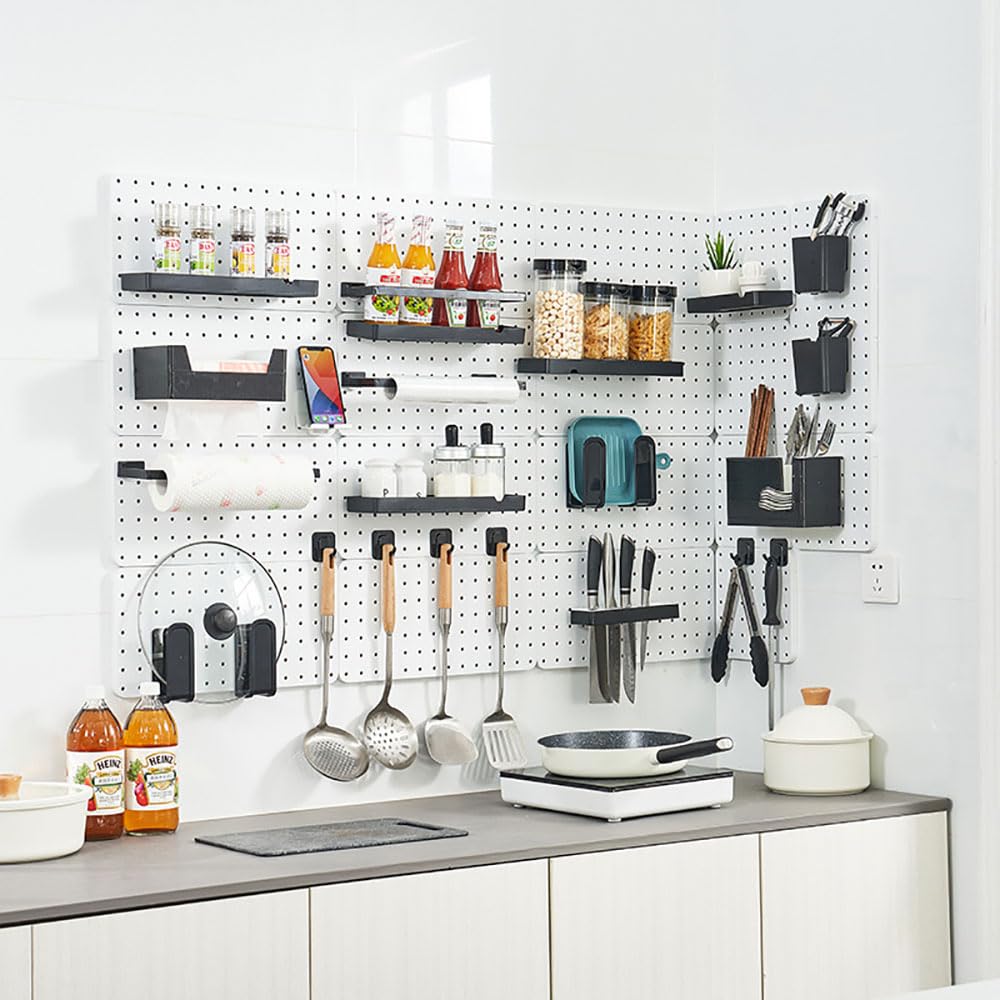
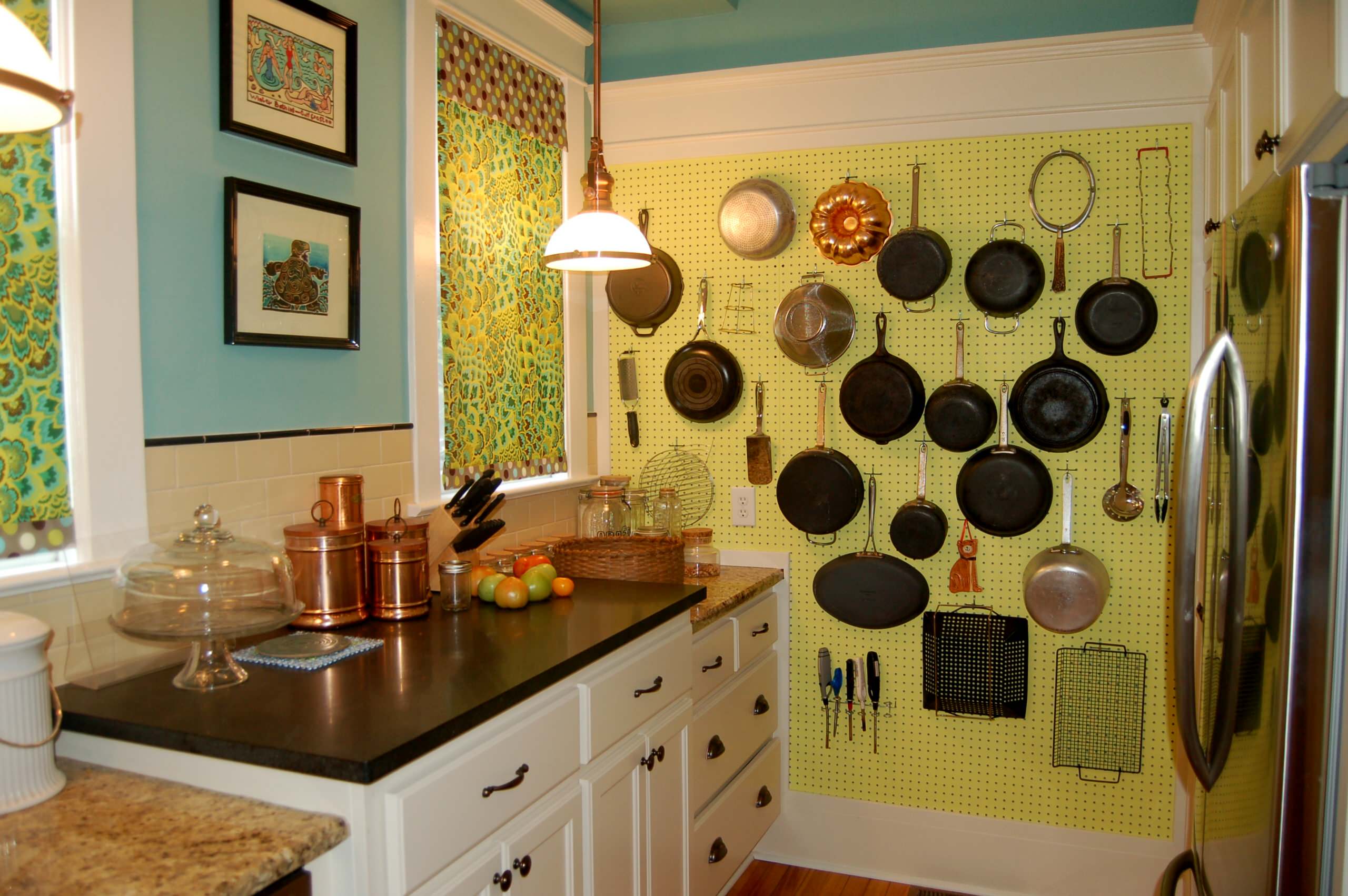
Use Vertical Storage Walls

Image
Image
Image
Image

Think upward, not outward.

Add:

  • Full-height cabinets
  • Open shelving
  • Pegboards
  • Hanging rails
  • Ceiling storage

Walls become storage systems.


Choose a Light Color Palette

Light colours expand perception.

Best small kitchen tones:

  • Warm white
  • Soft beige
  • Pale grey
  • Light wood
  • Neutral stone

Dark colours shrink visual space.


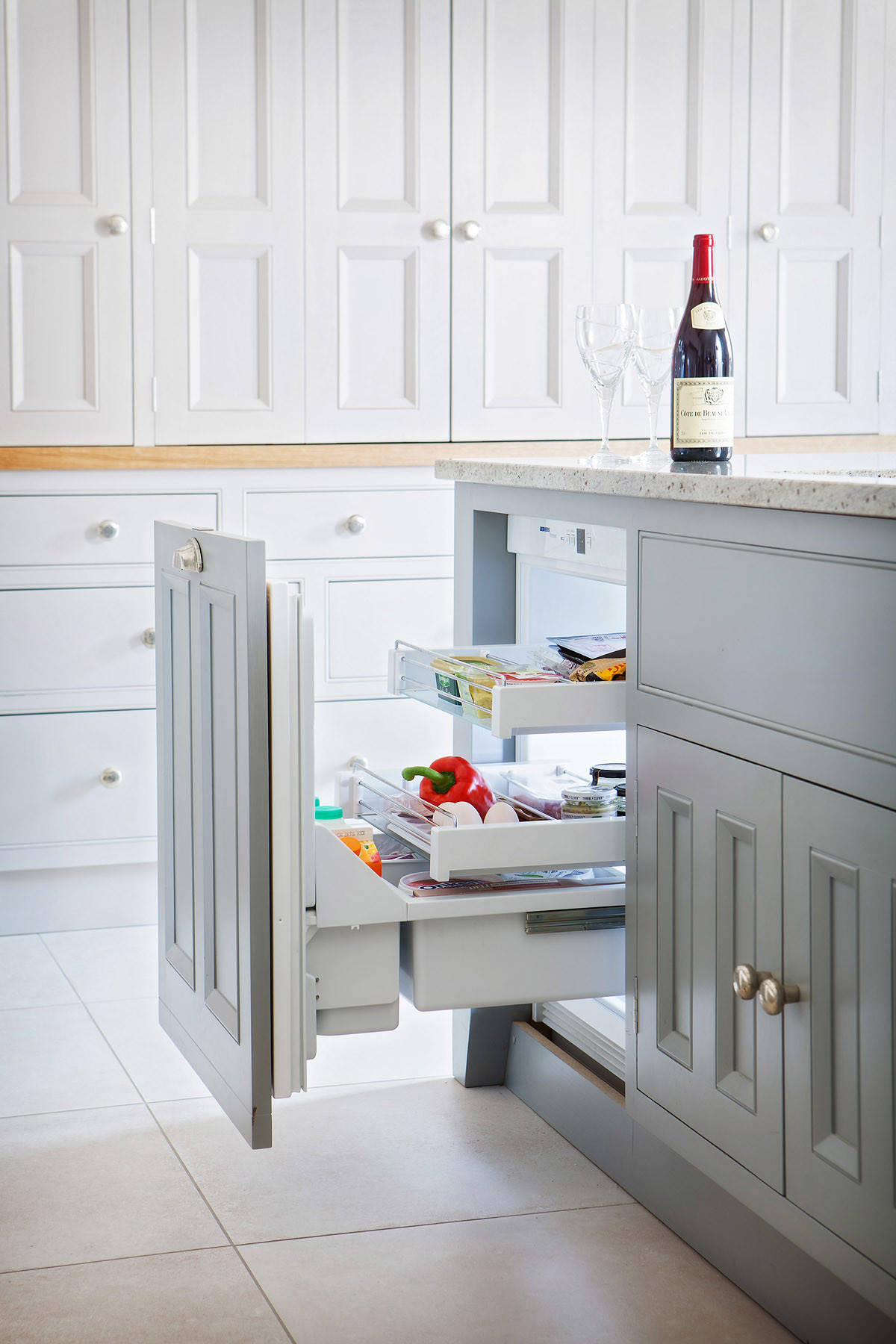
Integrated Appliances

Image
Image
Image
Image

Built-in appliances reduce visual noise.

Use:

  • Panel-ready fridge
  • Integrated dishwasher
  • Concealed microwave
  • Slim cooktop
  • Under-counter storage

Clean lines make kitchens feel larger.


Add Reflective Surfaces

Reflection increases light.

Use:

  • Gloss cabinets
  • Glass backsplash
  • Mirror accents
  • Polished stone
  • Stainless steel

Light bounce expands space.


Smart Corner Solutions

Corners are valuable.

Install:

  • Pull-out shelves
  • Lazy Susans
  • Corner drawers
  • Rotating organizers

Dead corners waste space.


Minimal Counter Styling

Image
Image
Image
Image

Clear counters feel bigger.

Limit visible items to:

  • One tray
  • Coffee station
  • Plant or herb
  • Essential tools

Hide the rest.


Foldable or Extendable Surfaces

Small kitchens need flexibility.

Try:

  • Fold-down tables
  • Pull-out counters
  • Extendable islands
  • Drop-leaf surfaces

Surfaces should adapt.


Under-Cabinet Lighting

Lighting expands perception.

Add:

  • LED strips
  • Warm task lighting
  • Hidden cabinet lights

Shadows shrink space.


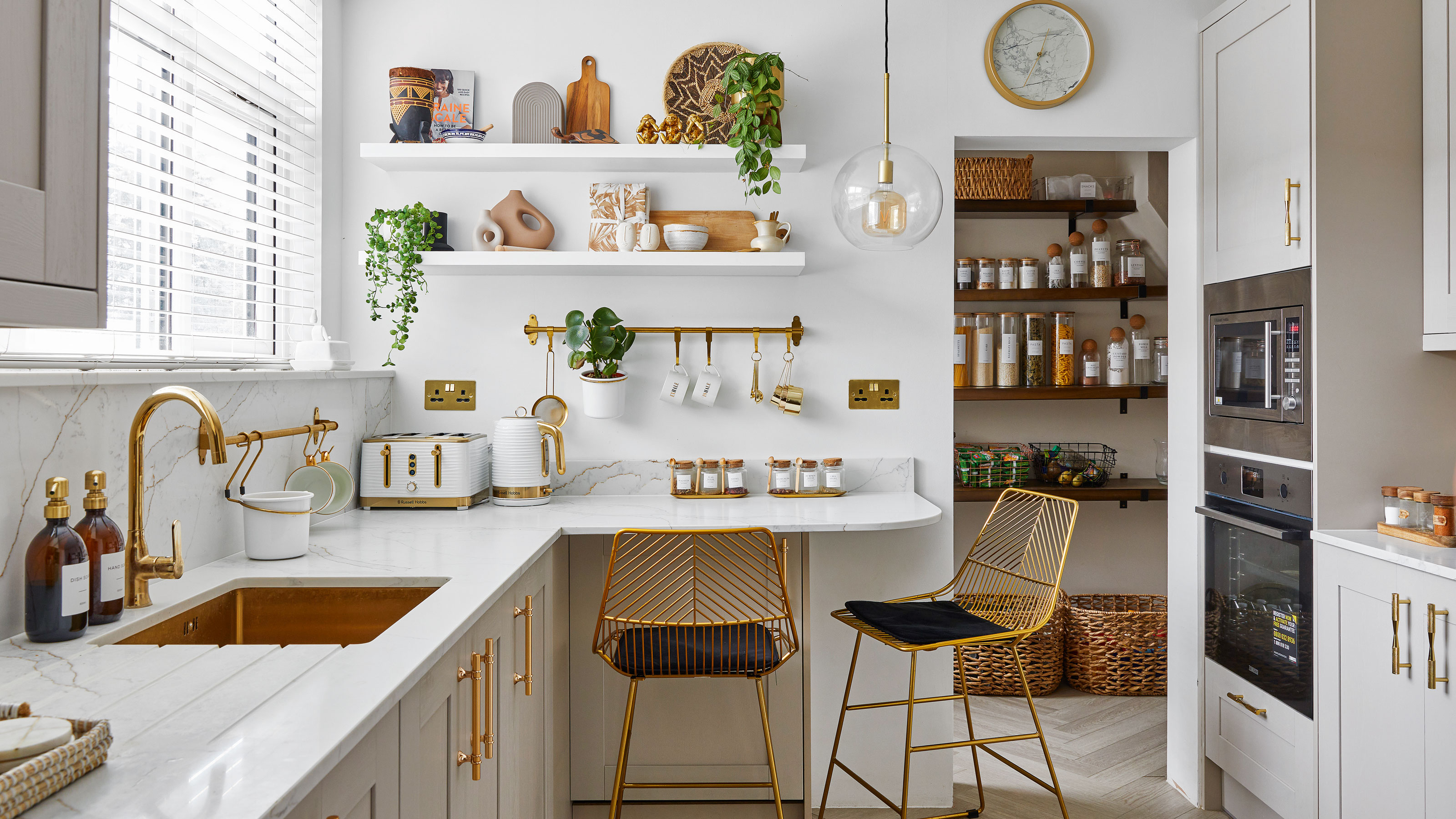
Use Open Shelves Carefully

Open storage should stay curated.

Display:

  • Matching dishes
  • Neutral containers
  • Minimal glassware

Too many items feel cluttered.


Multi-Functional Island or Cart

Image
Image
Image
Image

A mobile island adds:

  • Prep space
  • Storage
  • Seating
  • Flexibility

Choose slim designs.


Avoid Common Small Kitchen Mistakes

Do not:

  • Use dark heavy cabinets
  • Crowd countertops
  • Ignore vertical space
  • Add bulky appliances
  • Mix too many colours
  • Overdecorate

Clarity equals spaciousness.


Benefits of Smart Small Kitchen Design

Good design improves:

  • Workflow efficiency
  • Storage capacity
  • Visual calm
  • Cleaning ease
  • Light distribution
  • Daily comfort

Small kitchens can feel luxurious.


Summary

Small apartment kitchen design succeeds through vertical storage, light palettes, integrated appliances, and edited surfaces. Flexible furniture and reflective materials make compact kitchens feel open and efficient. Whether designing a studio in Noida or a compact Gurgaon apartment, the principles remain universal: function, clarity, and intelligent use of space.

A small kitchen is not a limitation.
It is a design puzzle solved with precision.

Small Apartment Kitchen Design: 12 Smart Ideas to Maximize Space Read More Β»

Bathroom Wall Decor: 12 Ideas That Add Style Without Clutter

Image
Image
Image
Image

Bathroom wall decor should enhance the space without fighting moisture, scale, or function. Unlike living rooms, bathrooms need decoration that is durable, minimal, and moisture-friendly while still adding warmth and personality.

In modern apartments across Gurgaon, Noida, and Delhi NCR, bathroom walls are styled to feel spa-like: calm, clean, and intentional.

This guide explains practical wall decor ideas that work beautifully in bathrooms.


What Makes Bathroom Wall Decor Successful?

Bathroom styling requires restraint.

Design thinking influenced by Bauhaus emphasizes simplicity and function β€” decoration should support calm, not crowd the space.

Core principles:

  • Moisture-safe materials
  • Minimal clutter
  • Proper scale
  • Soft palette
  • Clear focal point

Bathrooms benefit from quiet design.


Framed Waterproof Artwork

Image
Image
Image
Image

Art softens tiled surfaces.

Tips:

  • Use sealed frames
  • Choose abstract or botanical prints
  • Hang above toilet or towel rail
  • Keep scale proportional

One piece is often enough.


Accent Tile Feature Wall

Tiles can act as decoration.

Ideas:

  • Patterned ceramic tiles
  • Vertical tile strips
  • Mosaic panel
  • Textured stone tile
  • Matte colour tile wall

Tile replaces extra decor.


Decorative Mirrors

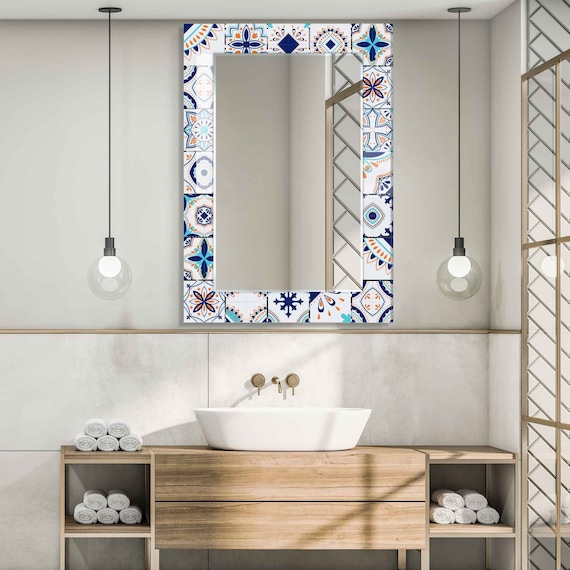
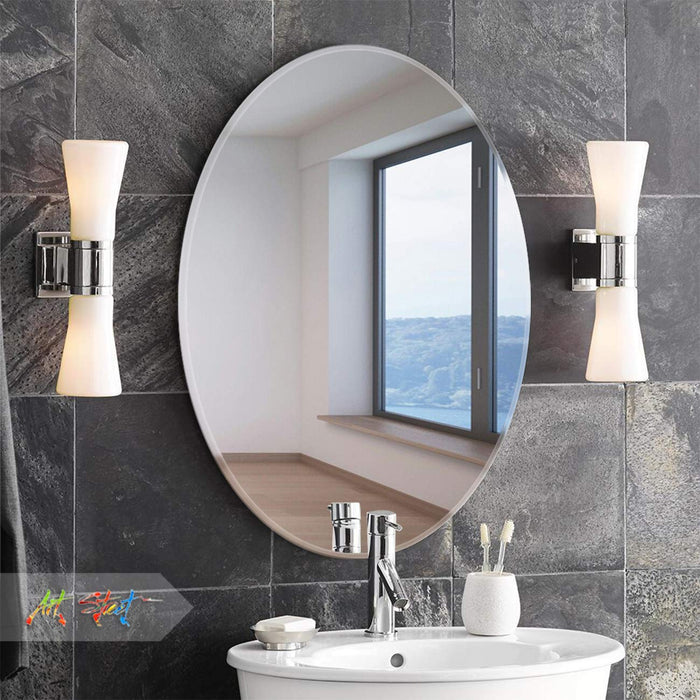
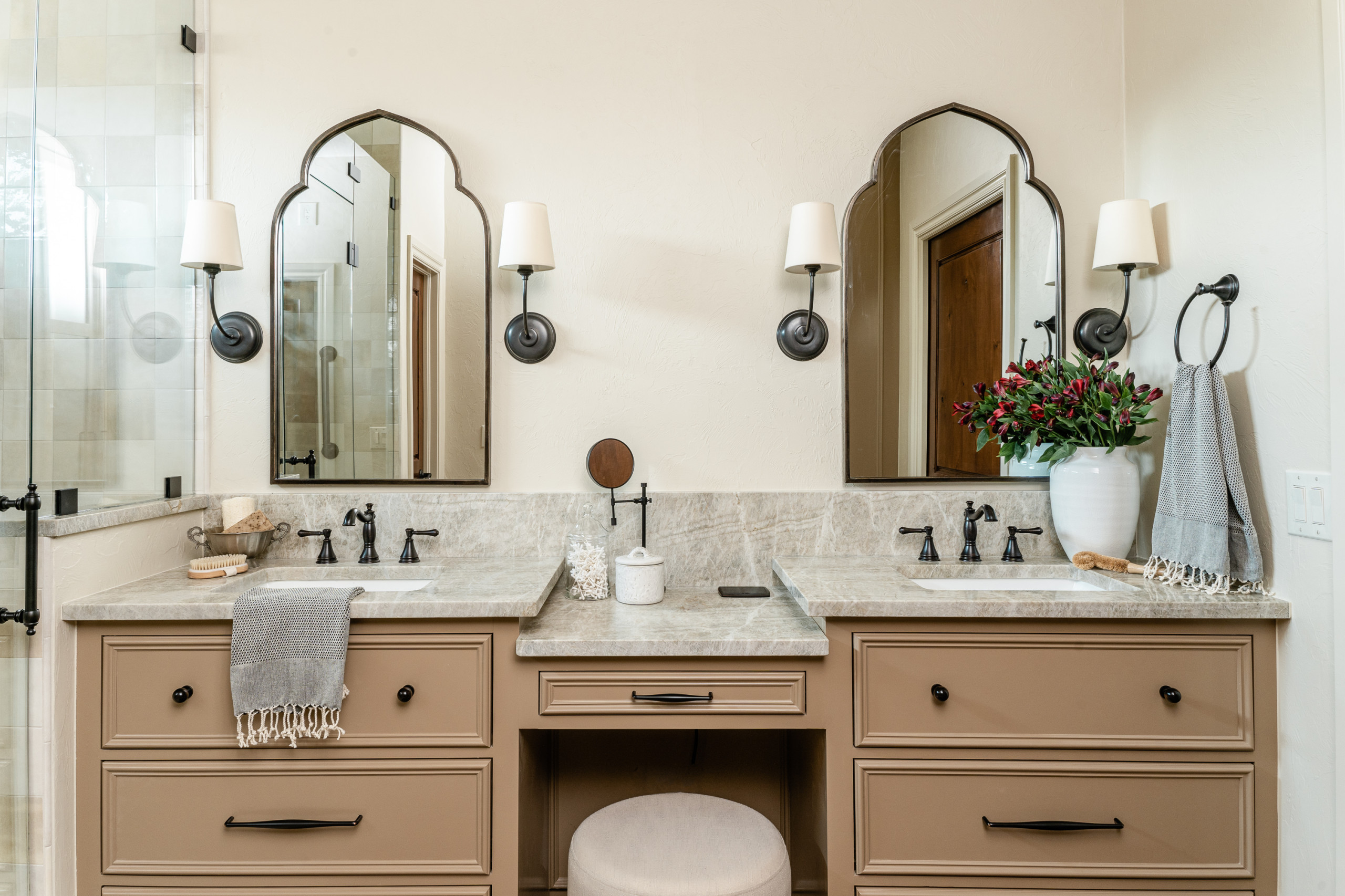
Image
Image
Image
Image

Mirrors double as art.

Options:

  • Round sculptural mirror
  • Framed mirror
  • Backlit mirror
  • Oversized mirror
  • Dual mirror setup

Reflection increases light.


Floating Shelves with Styling

Shelves combine storage and decor.

Display:

  • Rolled towels
  • Small plants
  • Ceramic containers
  • Candles
  • Bath accessories

Keep arrangements minimal.


Bathroom Wall Panels or Texture

Image
Image
Image
Image

Texture adds spa-like warmth.

Options:

  • Waterproof wood-look panels
  • Microcement walls
  • Stone texture
  • Limewash effect
  • Vertical slats

Texture replaces clutter.


Hanging Greenery

Plants thrive in humid bathrooms.

Good choices:

  • Pothos
  • Ferns
  • Hanging ivy
  • Eucalyptus
  • Air plants

Greenery softens hard surfaces.


Minimal Wall Hooks as Decor

Functional elements can be beautiful.

Use:

  • Brass hooks
  • Matte black pegs
  • Wooden knobs
  • Sculptural hardware

Hardware becomes design.


Accent Paint Above Tiles

Colour adds personality.

Ideas:

  • Deep neutral band
  • Earth tone accent
  • Soft pastel upper wall
  • Two-tone paint split

Paint defines zones.


Symmetrical Styling

Image
Image
Image
Image

Symmetry feels calm and spa-like.

Examples:

  • Twin mirrors
  • Paired shelves
  • Matching sconces
  • Balanced art

Perfect for double vanities.


Avoid Common Bathroom Wall Mistakes

Do not:

  • Overcrowd small walls
  • Use non-waterproof materials
  • Hang art too low
  • Mix too many colours
  • Add fragile decor
  • Ignore ventilation

Editing protects calm.


Benefits of Thoughtful Bathroom Wall Decor

Good styling adds:

  • Spa atmosphere
  • Visual calm
  • Warmth
  • Personality
  • Depth
  • Balance

Bathrooms should feel restful.


Summary

Bathroom wall decor succeeds through moisture-safe materials, texture, and restraint. Art, mirrors, tiles, and greenery create spa-like walls without clutter. Whether styling a compact Noida apartment bathroom or a larger Gurgaon ensuite, the principles remain universal: simplicity, durability, and calm.

A well-decorated bathroom wall should feel quiet β€” and intentional.

Bathroom Wall Decor: 12 Ideas That Add Style Without Clutter Read More Β»

Wall Decor Living Room Ideas: 12 Stylish Ways to Anchor Your Space

Image
Image
Image
Image

Living room wall decor sets the emotional tone of the home. The walls frame your seating area, guide visual focus, and create atmosphere. Strong wall styling should feel intentional β€” not empty, not crowded β€” but balanced.

In modern interiors across Gurgaon, Noida, and Delhi NCR, living room walls are treated as architectural features rather than afterthoughts.

This guide explains refined wall decor ideas that elevate the space without clutter.


What Makes Living Room Wall Decor Look Designer?

Professional wall styling follows composition rules.

Design thinking influenced by Bauhaus emphasizes clarity and structure β€” decoration should feel organized.

Core principles:

  • One focal wall
  • Proper scale
  • Consistent palette
  • Balanced spacing
  • Negative space

Walls should breathe.


Oversized Art Above the Sofa

Image
Image
Image
Image

One large artwork simplifies decorating.

Benefits:

  • Strong focal point
  • Clean visual impact
  • Less clutter
  • Easy styling

Ideal width: about 2/3 of the sofa.


Curated Gallery Wall

Gallery walls add personality when controlled.

Tips:

  • Use one colour theme
  • Match frame style
  • Mix sizes intentionally
  • Keep equal spacing
  • Build around a center line

Gallery walls should feel curated.


Textured Feature Wall

Image
Image
Image
Image

Texture replaces excessive decor.

Options:

  • Wood slats
  • Wainscoting
  • Limewash finish
  • Fabric panels
  • 3D wall surfaces

Texture adds depth quietly.


Decorative Mirrors

Image
Image
Image
Image

Mirrors increase light and space.

Best placements:

  • Opposite windows
  • Behind seating
  • Narrow living rooms
  • Above console tables

Reflection expands perception.


Floating Shelves Display

Shelves combine decor and storage.

Display:

  • Books
  • Plants
  • Ceramics
  • Sculptures
  • Small framed art

Keep shelves edited.


Accent Paint Wall

Colour defines focus.

Ideas:

  • Deep neutral tone
  • Earthy matte shade
  • Jewel accent wall
  • Two-tone split wall
  • Subtle colour block

One accent wall is enough.


Wall Lighting as Decor

Sconces double as sculpture.

Use:

  • Minimal brass sconces
  • Sculptural wall lights
  • Symmetrical pairs
  • Warm indirect glow

Lighting adds dimension.


Symmetrical Wall Styling

Image
Image
Image
Image

Symmetry feels calm and structured.

Examples:

  • Two matching frames
  • Twin mirrors
  • Paired sconces
  • Balanced shelves

Perfect for formal rooms.


Minimal Single Object Focus

Less can feel powerful.

Try:

  • One oversized mirror
  • One sculpture
  • One textile hanging
  • One dramatic light

Negative space amplifies impact.


Add Green Wall Elements

Nature softens the room.

Options:

  • Hanging plants
  • Wall planters
  • Botanical prints
  • Vertical greenery

Plants add calm energy.


Avoid Common Living Room Wall Mistakes

Do not:

  • Fill every wall
  • Hang art too high
  • Use tiny decor on large surfaces
  • Mix clashing styles
  • Crowd shelves
  • Ignore scale

Editing improves sophistication.


Benefits of Strong Wall Decor

Thoughtful wall styling adds:

  • Visual structure
  • Warmth
  • Personality
  • Depth
  • Balance
  • Identity

Walls anchor the room.


Summary

Living room wall decor succeeds through balance, scale, and restraint. Statement art, textured walls, mirrors, and curated displays create focal points without clutter. Whether styling a compact Noida apartment or a spacious Gurgaon home, the principles remain universal: intention, breathing space, and harmony.

A great wall does not compete with the room.
It completes it.

Wall Decor Living Room Ideas: 12 Stylish Ways to Anchor Your Space Read More Β»

Wall Decorating Ideas: 15 Creative Ways to Transform Any Room

Image
Image
Image
Image

Walls are the largest visual surfaces in a home. Thoughtful wall decorating adds personality, structure, and depth without filling the room with furniture. The goal is to guide the eye and create focal points while keeping the space breathable.

Across apartments and homes in Gurgaon, Noida, and Delhi NCR, decorated walls are designed to feel intentional and calm β€” never overcrowded.

This guide explains versatile decorating ideas that work in living rooms, bedrooms, dining areas, and hallways.


What Makes Wall Decorating Look Professional?

Good wall design follows composition rules.

Design thinking influenced by Bauhaus emphasizes balance and restraint β€” decoration should feel organized, not random.

Core principles:

  • One focal zone per wall
  • Proper scale
  • Consistent palette
  • Equal spacing
  • Negative space

Walls should breathe.


Oversized Statement Artwork

Image
Image
Image
Image

One large piece simplifies decorating.

Best placements:

  • Above sofa
  • Bed headboard wall
  • Dining wall
  • Entry console

Large art reduces clutter.


Curated Gallery Wall

Gallery walls add personality when controlled.

Tips:

  • Stick to one theme
  • Use matching frames
  • Mix sizes intentionally
  • Maintain consistent spacing
  • Build around a center line

Gallery walls should feel curated.


Textured Feature Wall

Image
Image
Image
Image

Texture adds architectural interest.

Options:

  • Wood slats
  • Wainscoting
  • Limewash texture
  • Fabric panels
  • 3D wall tiles

Texture replaces excess objects.


Decorative Mirrors

Image
Image
Image
Image

Mirrors expand light and depth.

Best for:

  • Small rooms
  • Hallways
  • Dining areas
  • Entry walls

Reflection increases space perception.


Floating Shelves for Display

Shelves combine storage and decor.

Display:

  • Books
  • Plants
  • Ceramics
  • Sculptures
  • Small art

Keep arrangements edited.


Accent Paint or Color Blocking

Colour defines focus.

Ideas:

  • Deep accent wall
  • Two-tone split wall
  • Geometric paint block
  • Soft matte colour
  • Earth-tone panel

One accent is enough.


Wall Lighting as Art

Lighting adds dimension.

Use:

  • Sculptural sconces
  • Linear wall lights
  • Symmetrical lighting pairs
  • Warm indirect light

Light becomes decoration.


Symmetrical Wall Styling

Image
Image
Image
Image

Symmetry creates calm structure.

Examples:

  • Twin frames
  • Paired mirrors
  • Matching shelves
  • Balanced sconces

Perfect for formal spaces.


Textile Wall Hangings

Soft materials add warmth.

Options:

  • Woven art
  • Tapestries
  • Fabric panels
  • MacramΓ©
  • Quilted textiles

Textile decor softens acoustics.


Sculptural Wall Objects

3D decor adds shadow and depth.

Try:

  • Metal wall art
  • Ceramic plates
  • Wooden carvings
  • Minimal sculptures
  • Mixed-material installations

Objects create dimension.


Add Green Wall Decor

Nature softens interiors.

Ideas:

  • Wall planters
  • Hanging greenery
  • Botanical prints
  • Vertical garden panels

Plants add calm energy.


Minimal Single Focus

Less can feel stronger.

Try:

  • One oversized mirror
  • One sculpture
  • One dramatic light
  • One textile piece

Negative space amplifies impact.


Avoid Common Wall Decorating Mistakes

Do not:

  • Fill every wall
  • Hang art too high
  • Use tiny decor on large walls
  • Mix clashing styles
  • Crowd shelves
  • Ignore scale

Editing improves sophistication.


Benefits of Thoughtful Wall Decorating

Strong wall decor adds:

  • Visual structure
  • Personality
  • Depth
  • Warmth
  • Balance
  • Identity

Walls define atmosphere.


Summary

Wall decorating ideas succeed through balance, scale, and restraint. Statement art, texture, mirrors, shelves, and curated displays create focal points without clutter. Whether decorating a compact Noida apartment or a spacious Gurgaon home, the principles remain universal: intention, breathing space, and harmony.

A decorated wall should guide the eye β€” not overwhelm it.

Wall Decorating Ideas: 15 Creative Ways to Transform Any Room Read More Β»

Wall Decoration for Living Room: 12 Ideas That Instantly Elevate the Space

Image
Image
Image
Image

Living room wall decoration sets the visual tone of the entire home. The walls frame your seating, guide attention, and create atmosphere. Strong wall decor adds personality without clutter and turns empty surfaces into intentional design features.

In modern homes across Gurgaon, Noida, and Delhi NCR, living room walls are styled to feel calm, curated, and architectural rather than busy.

This guide explains practical wall decorating ideas that look refined and balanced.


What Makes Living Room Wall Decor Work?

Successful wall decoration follows composition rules.

Design thinking influenced by Bauhaus emphasizes clarity and structure β€” walls should feel organized, not random.

Core principles:

  • One clear focal wall
  • Balanced spacing
  • Controlled colour palette
  • Proper scale
  • Negative space

Empty space is part of the design.


Oversized Statement Art Above the Sofa

Image
Image
Image
Image

One large artwork replaces many small pieces.

Benefits:

  • Clean visual impact
  • Strong focal point
  • Less clutter
  • Easy styling

The art should be about 2/3 the sofa width.


Curated Gallery Wall

Gallery walls add personality when controlled.

Tips:

  • Stick to one colour story
  • Use consistent frames
  • Mix sizes intentionally
  • Maintain equal spacing
  • Anchor around a center line

Gallery walls should feel curated, not crowded.


Textured Feature Wall

Image
Image
Image
Image

Texture adds architectural depth.

Options:

  • Wood slat panels
  • Wainscoting
  • Limewash texture
  • Fabric wall panels
  • 3D wall surfaces

Texture replaces excess decoration.


Mirrors to Expand the Room

Image
Image
Image
Image

Mirrors increase light and perceived space.

Best placements:

  • Opposite windows
  • Behind seating
  • Narrow living rooms
  • Above console tables

Reflection adds depth instantly.


Floating Shelves for Styled Displays

Shelves combine decor and storage.

Display:

  • Books
  • Ceramics
  • Small art
  • Plants
  • Sculptures

Keep shelves edited, not crowded.


Accent Paint Wall

Colour defines the living room focal point.

Ideas:

  • Deep neutral tone
  • Warm earth shade
  • Matte jewel colour
  • Two-tone split wall
  • Soft colour block

One accent wall is enough.


Wall Lighting as Decoration

Sconces double as art.

Use:

  • Sculptural wall lights
  • Minimal brass sconces
  • Symmetrical light pairs
  • Soft indirect lighting

Lighting adds dimension.


Symmetrical Wall Styling

Image
Image
Image
Image

Symmetry feels calm and structured.

Examples:

  • Two framed prints
  • Twin mirrors
  • Paired sconces
  • Matching shelves

Perfect for formal living rooms.


Minimal Single Object Focus

Less can be stronger.

Try:

  • One sculpture
  • One textile hanging
  • One oversized frame
  • One dramatic light feature

Negative space amplifies impact.


Add Green Wall Elements

Nature softens hard lines.

Options:

  • Wall planters
  • Hanging greenery
  • Botanical frames
  • Vertical mini garden

Plants add life and calm.


Avoid Common Living Room Wall Mistakes

Do not:

  • Fill every wall
  • Hang art too high
  • Use tiny pieces on large walls
  • Mix clashing styles
  • Crowd shelves
  • Ignore scale

Editing improves sophistication.


Benefits of Thoughtful Wall Decoration

Good wall styling adds:

  • Visual structure
  • Warmth
  • Personality
  • Depth
  • Balance
  • Identity

Walls shape the room’s energy.


Summary

Wall decoration for living rooms succeeds through balance, scale, and restraint. Statement art, textured walls, mirrors, and curated displays create focal points without clutter. Whether styling a compact Noida apartment or a spacious Gurgaon home, the principles remain universal: intention, breathing space, and harmony.

A great wall does not shout.
It anchors the room.

Wall Decoration for Living Room: 12 Ideas That Instantly Elevate the Space Read More Β»

Scroll to Top