Kitchen cabinets are essential components of kitchen design, providing storage space for utensils, dishes, cookware, and food items. They play a crucial role in both the functionality and aesthetics of a kitchen. Here are some key aspects to consider when it comes to kitchen cabinetry:
- Materials:
- Wood: Common materials include hardwoods like oak, maple, cherry, and birch. Each wood type has its own unique characteristics and appearance.
- MDF (Medium Density Fiberboard): An engineered wood product that is often used for painted cabinets.
- Laminate: A budget-friendly option with a variety of colors and styles.
- Cabinet Styles:
- Traditional: Often characterized by raised-panel doors, decorative molding, and a classic look.
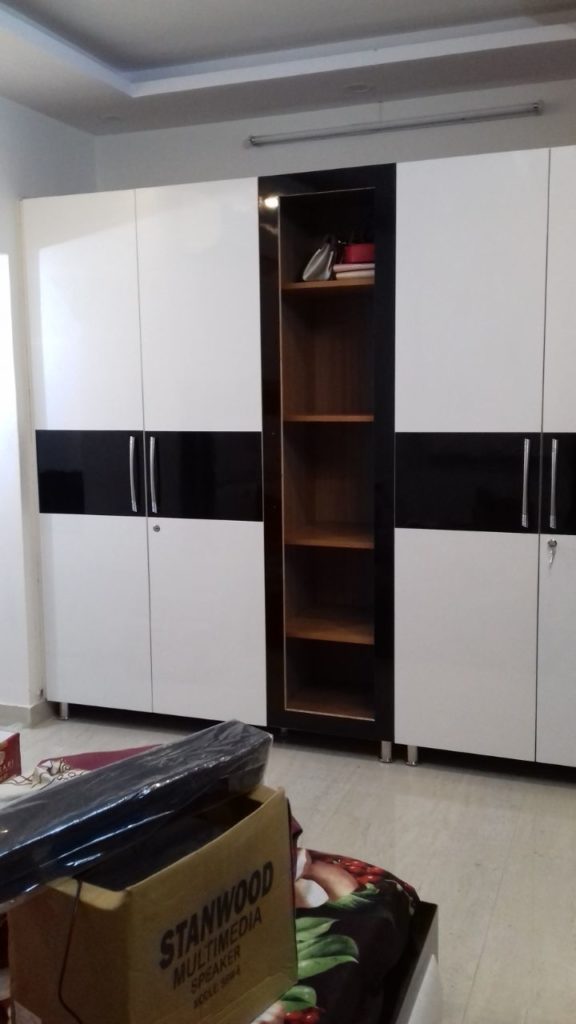
- Modern/Contemporary: Clean lines, minimalist design, and often features flat-panel doors.
- Transitional: A blend of traditional and modern styles, combining elements from both.
- Door Styles:
- Raised Panel: A classic style where the center panel of the door is raised.
- Flat Panel: A simple, sleek design with a flat center panel.
- Shaker: Features a five-piece door with a recessed center panel, known for its simplicity and clean lines.
- Finishes:
- Stained: Enhances the natural beauty of the wood, showing off its grain.
- Painted: Provides a smooth and consistent finish in various colors.
- Thermofoil: A vinyl film applied to MDF, offering a smooth and seamless appearance.
- Hardware:
- Cabinet hardware includes handles, knobs, and pulls.
- Choose hardware that complements the overall style of the kitchen.
- Storage Solutions:
- Consider features like pull-out shelves, lazy Susans, and built-in organizers for efficient storage.
- Layout and Design:
- Plan the cabinet layout to optimize storage space and accommodate appliances.
- Consider the work triangle (the arrangement of the stove, sink, and refrigerator) for a functional kitchen design.
- Budget:
- Cabinets can vary widely in cost, so it’s important to establish a budget early in the planning process.
- Installation:
- Professional installation is recommended for a precise fit and proper alignment.
- Maintenance:
- Follow care instructions based on the material and finish of the cabinets for long-lasting durability.
When designing or remodeling a kitchen, it’s crucial to consider your personal preferences, lifestyle, and the overall aesthetic you want to achieve. Additionally, consulting with a kitchen designer or cabinet professional can help ensure that your choices align with both your practical needs and design vision.