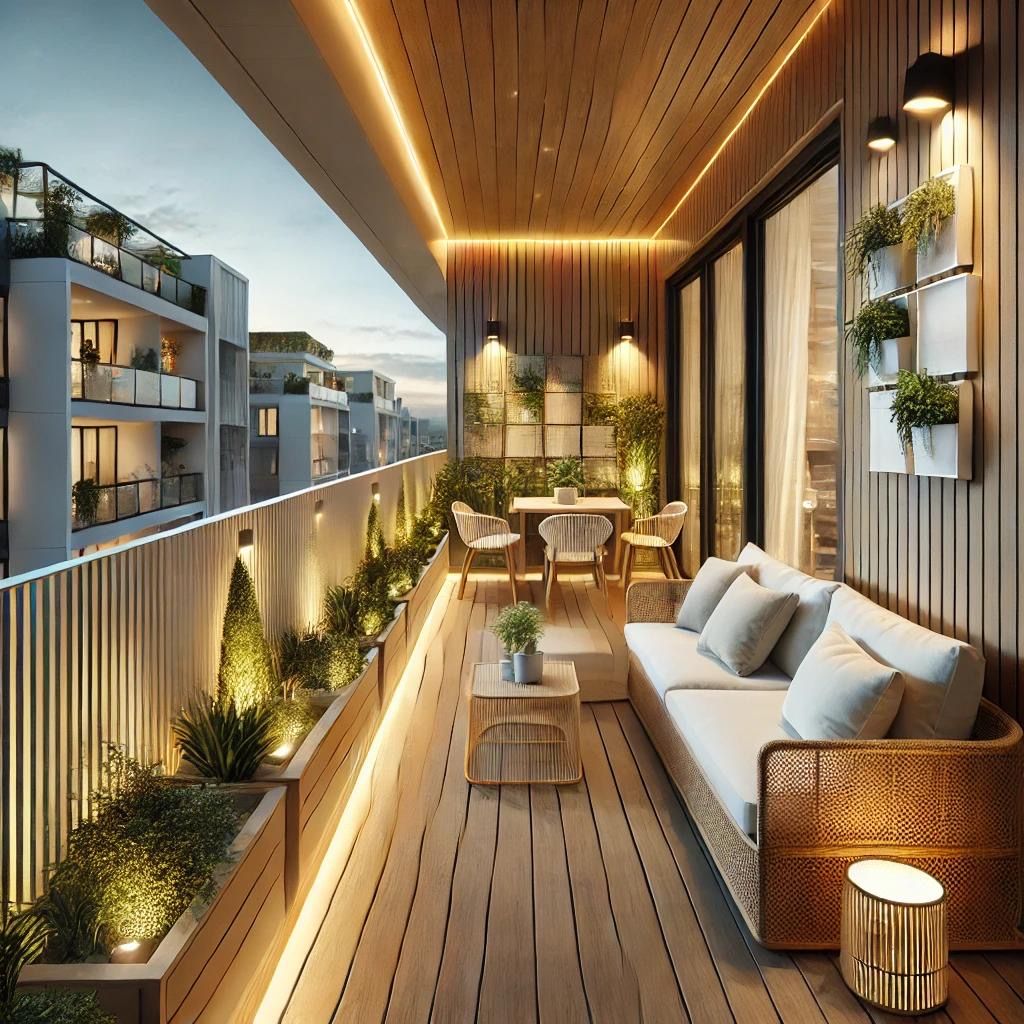
Introduction: Interior design and decoration go beyond creating visually appealing spaces; they aim to enhance spatial functionality and elevate user experience. This blog explores the nuanced insights from interior designers and perspectives from interior decorators on how they approach spatial functionality and user experience to craft environments that seamlessly blend aesthetics with practicality.
- Interior Designers: Crafting Functional Masterpieces
- User-Centric Space Planning:
- Approach: Interior designers prioritize user-centric space planning, considering the specific needs and lifestyle of the occupants. This involves a meticulous analysis of spatial flow, furniture arrangement, and ergonomic considerations to optimize functionality.
- Insight: Designers delve into the intricacies of how individuals interact with and move through a space, ensuring that the design not only looks good but also aligns with the practicalities of daily life.
- Zoning for Purposeful Living:
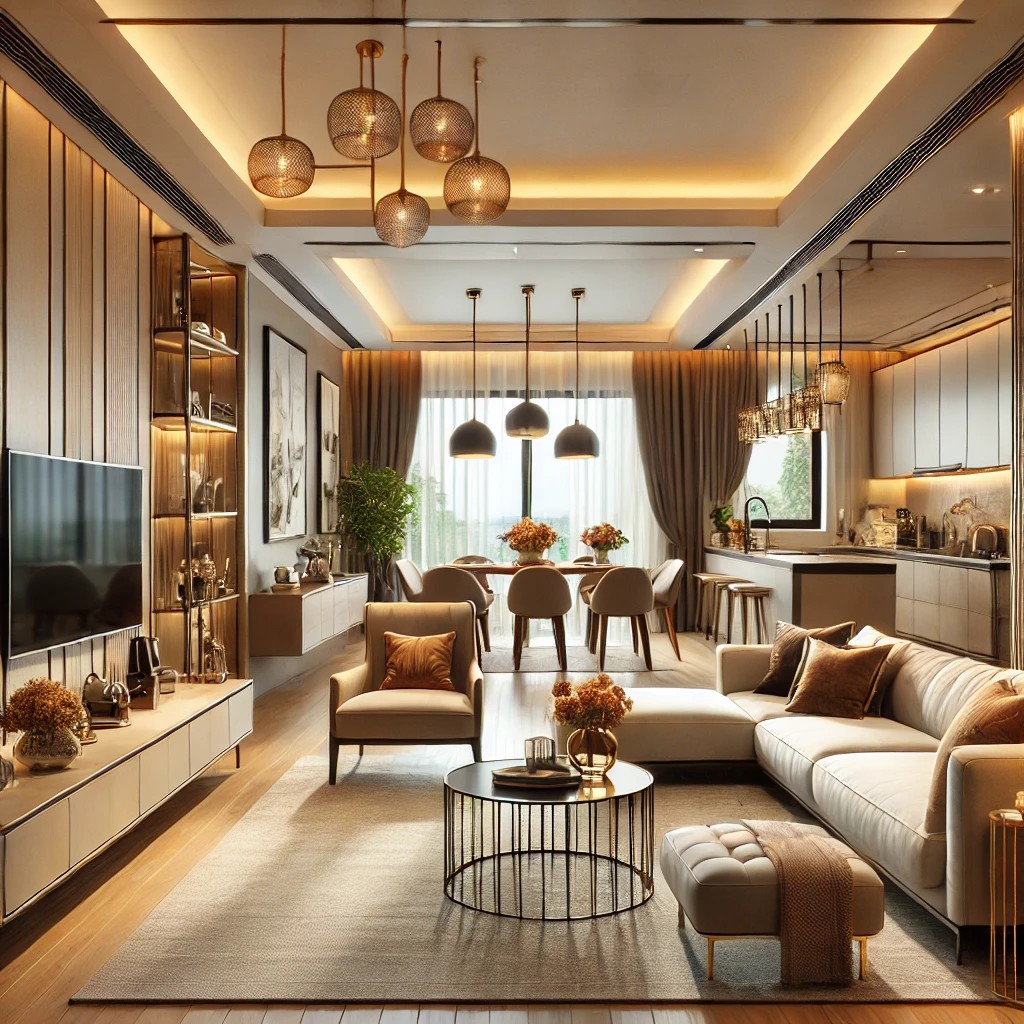
- Approach: Designers emphasize zoning within spaces, creating designated areas for various activities. Whether it’s a dedicated work corner in a living room or a multifunctional kitchen, zoning contributes to purposeful living and maximizes the usability of each area.
- Insight: The strategic delineation of zones ensures that each part of the space serves a specific function, promoting efficiency and enhancing the overall user experience.
- Incorporating Smart Technology:
- Approach: Interior designers integrate smart technology seamlessly into designs to enhance functionality. This includes smart lighting, automated temperature control, and integrated home automation systems that align with the contemporary lifestyle.
- Insight: The incorporation of smart technology not only adds convenience but also elevates the overall user experience, providing occupants with intuitive and efficient control over their living environment.
- Customized Storage Solutions:
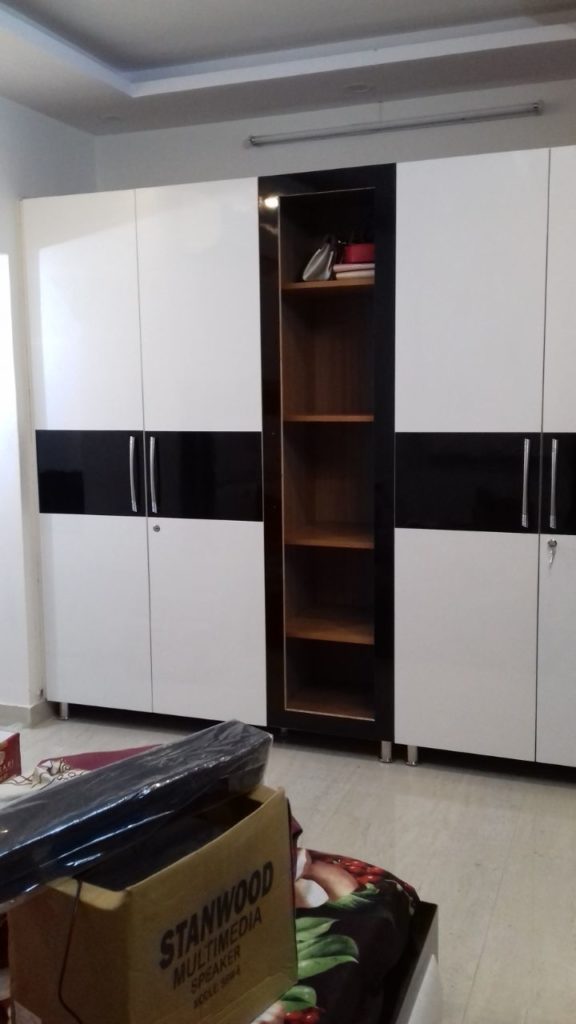
- Approach: Designers prioritize customized storage solutions tailored to the specific needs of the occupants. From built-in shelving to hidden storage compartments, the focus is on maximizing storage capacity without compromising aesthetics.
- Insight: Thoughtful storage solutions contribute to clutter-free spaces, promoting a sense of organization and enhancing the overall functionality of the interior.
- User-Centric Space Planning:
- Interior Decorators: Aesthetic Harmony with Practical Living
- Stylish and Functional Furnishings:
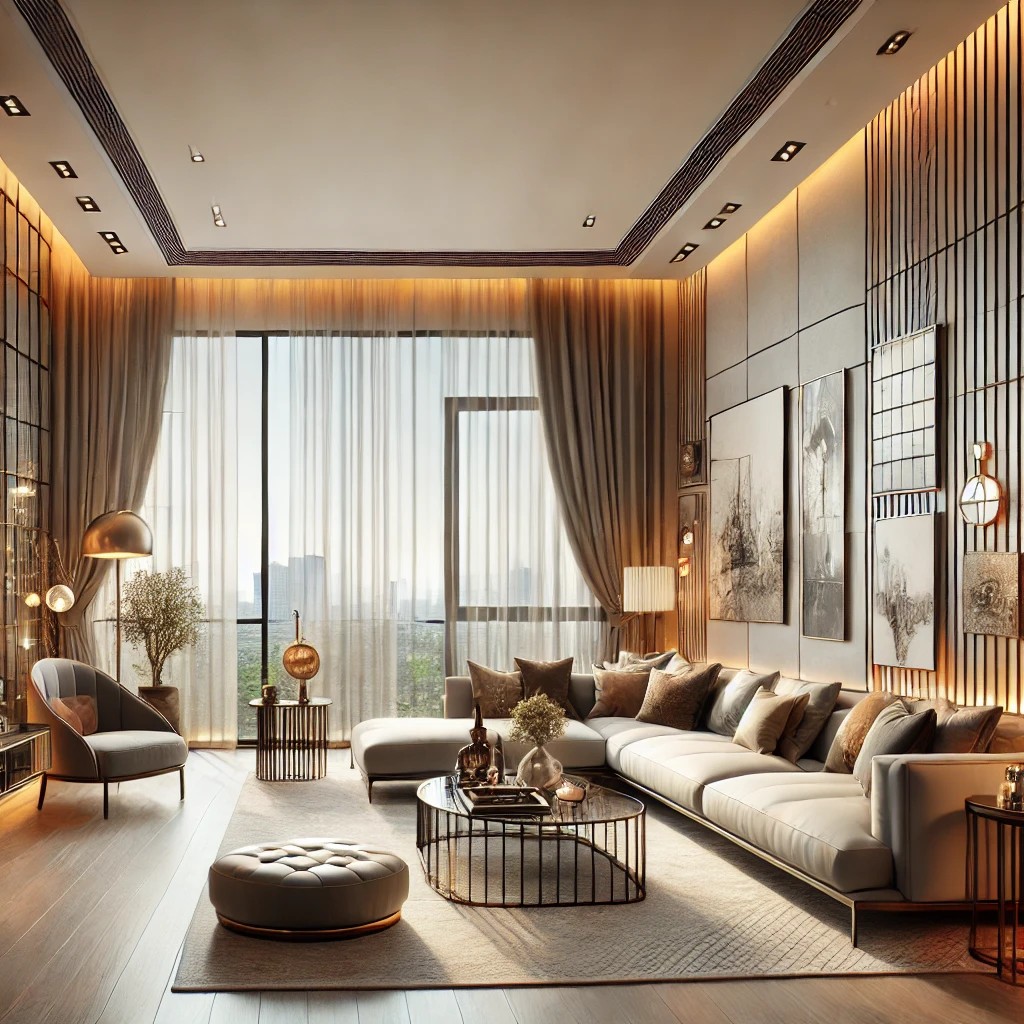
- Approach: Decorators curate furnishings that are not only aesthetically pleasing but also functional. This involves selecting pieces that enhance the visual appeal of the space while providing comfort and usability.
- Perspective: Decorators strive to strike a balance between style and functionality, ensuring that each piece contributes to the overall design narrative while serving a practical purpose for the occupants.
- Textiles and Materials for Comfort:
- Approach: Decorators pay careful attention to the selection of textiles and materials, prioritizing comfort and usability. From cozy throw blankets to durable, easy-to-clean fabrics, the focus is on creating an inviting environment that aligns with the practical needs of daily life.
- Perspective: The choice of textiles and materials is guided by the desire to enhance user comfort, creating spaces that not only look inviting but also feel comfortable and welcoming.
- Personalized Decorative Accents:
- Approach: Decorators infuse personalized decorative accents that add character to a space. Whether it’s unique art pieces, statement decor items, or customized accessories, these additions contribute to the user’s overall experience.
- Perspective: Personalized accents create a sense of identity within a space, allowing occupants to connect emotionally with their environment and enhancing the overall user experience.
- Seasonal and Trendy Updates:
- Approach: Decorators embrace the flexibility of decor elements, allowing for seasonal updates and incorporating trendy pieces to refresh the aesthetics. This adaptability ensures that the space remains visually dynamic and in tune with evolving design trends.
- Perspective: The ability to introduce seasonal and trendy updates adds an element of excitement and novelty to the interior, contributing to a dynamic user experience.
- Stylish and Functional Furnishings:
- Collaborative Synergy: Merging Practicality with Aesthetic Brilliance
- Collaboration between Designers and Decorators:
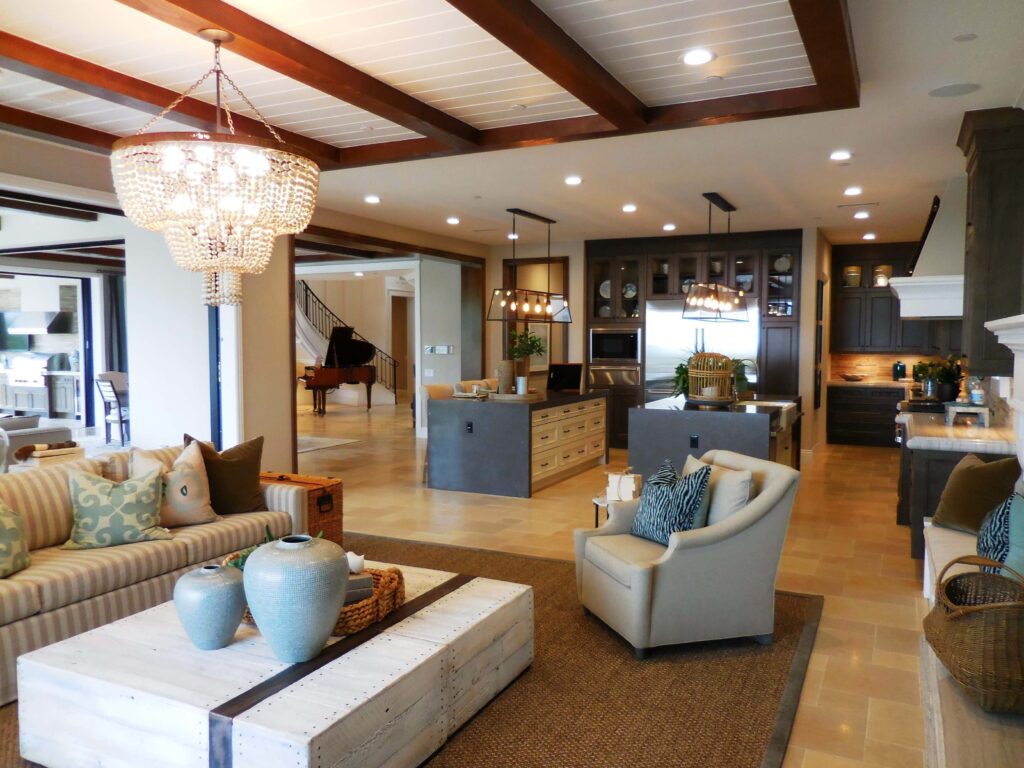
- Synergy: The collaborative synergy between interior designers and decorators ensures a holistic approach. Designers lay the foundation for functional spaces, optimizing layouts and integrating smart technology, while decorators infuse aesthetic brilliance with stylish furnishings and personalized decor.
- Impact: The combined efforts result in interiors that seamlessly blend practical functionality with aesthetic allure, creating environments that are not only visually stunning but also tailored to the unique needs and preferences of the occupants.
- User-Centric Design Education:
- Impact: Both professionals engage in client education on user-centric design principles. By helping clients understand the rationale behind functional layouts, customized storage solutions, and aesthetic choices, designers and decorators empower them to actively participate in the creation of spaces that enhance their daily lives.
- Adaptive Design for Evolving Needs:
- Impact: The collaborative approach allows for adaptive design solutions that cater to evolving user needs. As occupants’ lifestyles change, the ability to adjust layouts, furnishings, and decorative elements ensures that the interior remains functional and aesthetically pleasing over time.
- Post-Occupancy Evaluation:
- Impact: Interior designers and decorators may conduct post-occupancy evaluations to assess the effectiveness of the design in meeting user needs. This feedback loop allows for continuous improvement and adjustment based on the actual user experience within the space.
- Collaboration between Designers and Decorators:
Conclusion: Spatial functionality and user experience stand as pillars in the realm of interior design and decoration. Interior designers provide invaluable insights into optimizing layouts, incorporating smart technology, and customizing storage solutions for practical living. On the other hand, interior decorators infuse spaces with stylish and functional furnishings, personalized accents, and adaptable decor elements that enhance the overall user experience. The collaborative synergy between these professionals results in interiors that seamlessly marry practicality with aesthetic brilliance, creating environments that not only look stunning but also enrich the daily lives of the occupants.