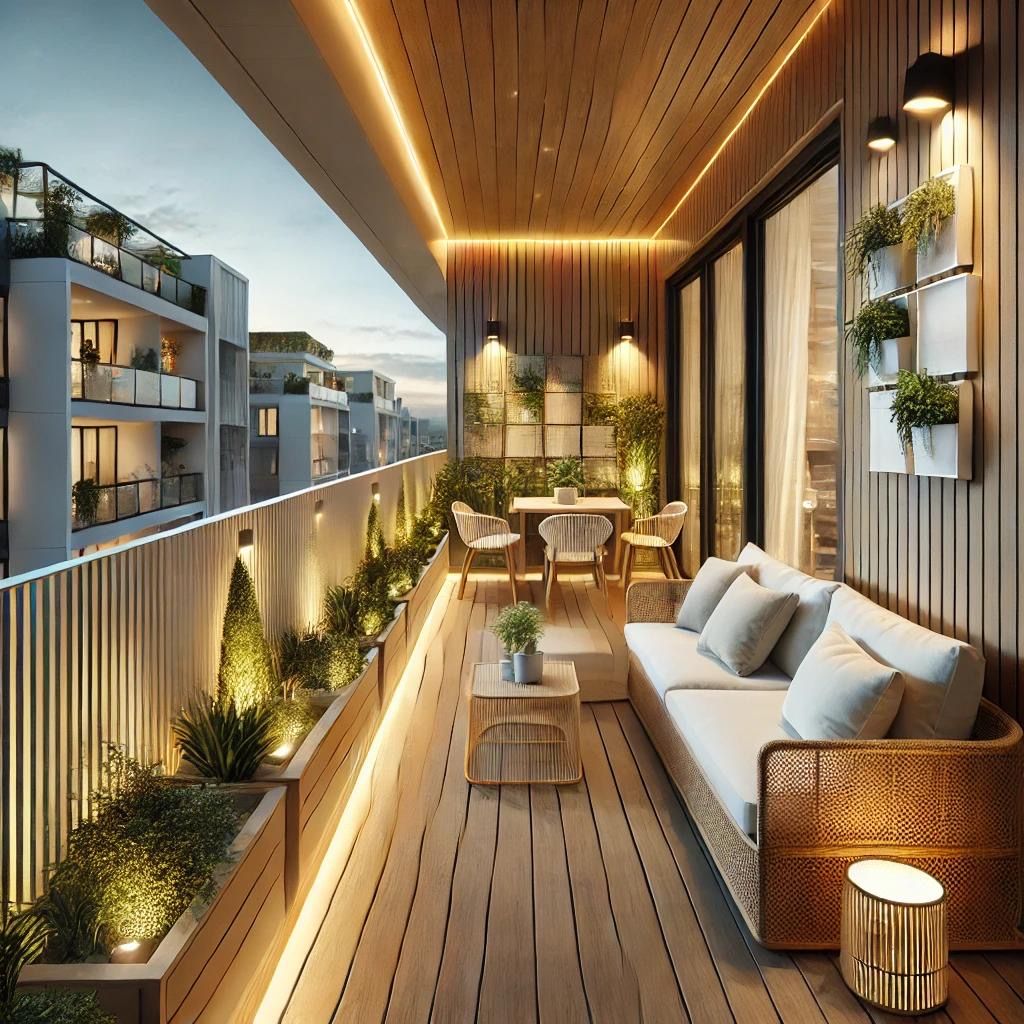
Designing a bar interior involves creating a space that is visually appealing, comfortable, and conducive to socializing. Here are some key considerations for designing a bar interior:
- Color Scheme:
- Choose a color palette that suits the atmosphere you want to create. Darker colors like deep reds, blues, or earth tones can create a cozy and intimate setting, while lighter colors can make the space feel more open and airy.
- Lighting:
- Use a combination of ambient, task, and accent lighting to create the right mood.
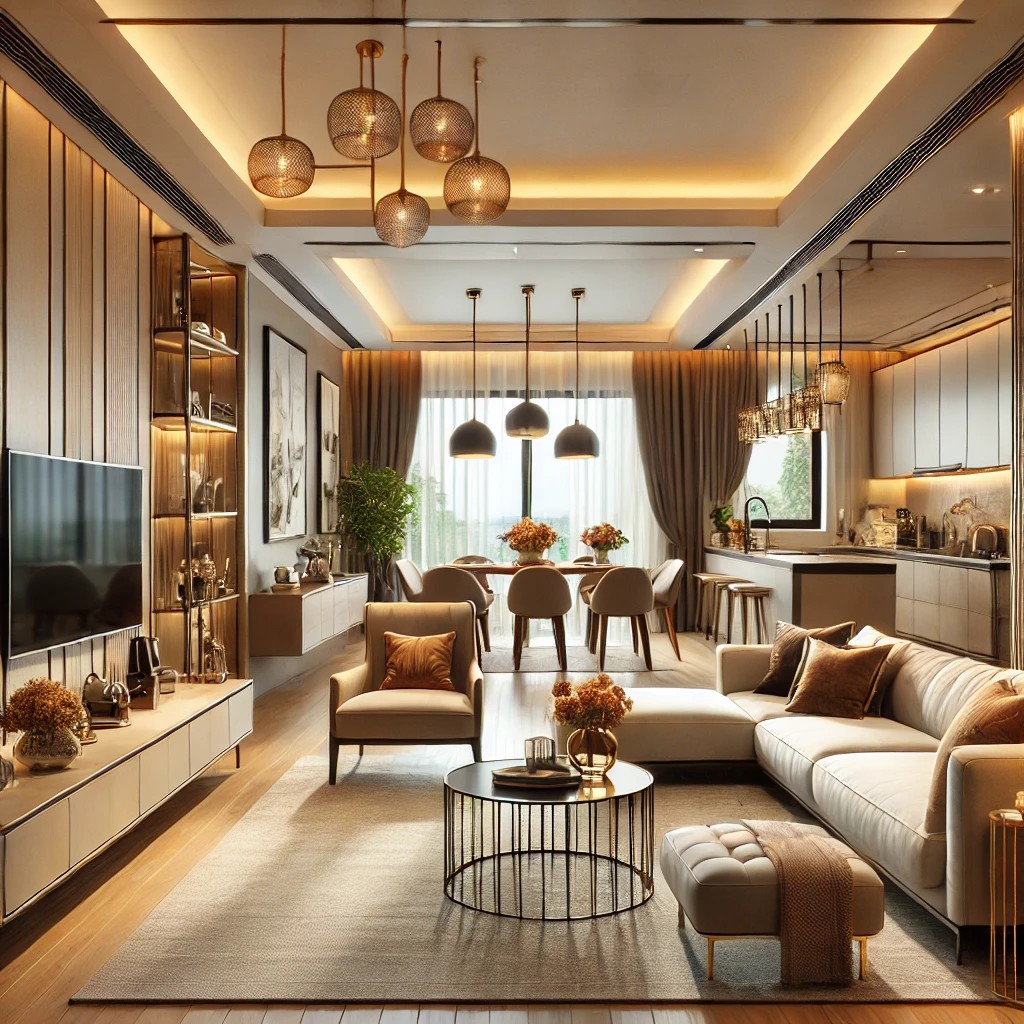
- Incorporate pendant lights over the bar area and tables, and consider adding LED strips or under-counter lighting for a modern touch.
- Adjustable lighting can help you transition between day and night settings.
- Bar Design:
- Design an inviting and functional bar area with a visually appealing layout.
- Consider the materials for the bar top, such as wood, stone, or metal, and use appropriate lighting to highlight it.
- Ensure the bar is well-equipped with storage for liquor, glassware, and tools.
- Furniture and Seating:
- Choose comfortable and stylish seating arrangements, including barstools, lounge chairs, and booths.
- Consider a mix of high and low tables to accommodate different preferences.
- Upholster furniture in durable materials that are easy to clean.
- Decor and Theming:
- Incorporate decor elements that reflect the theme or concept of the bar.
- Consider using thematic artwork, memorabilia, or unique design features.
- Create focal points, such as a statement wall or a specially designed back bar.
- Entertainment Spaces:
- Designate areas for entertainment, such as a stage for live performances, a dance floor, or game zones.
- Install audio-visual equipment for music, live bands, or sports events.
- Consider acoustics to ensure that the sound system enhances the overall atmosphere.
- Signage and Branding:
- Develop a distinctive logo and branding elements that can be incorporated into signage.
- Use signage to attract attention and communicate the theme or specials.
- Ensure consistency in branding throughout the interior.
- Flexibility in Layout:
- Design a layout that can be easily adjusted for different events or crowd sizes.
- Consider movable furniture or partitions to adapt the space as needed.
- Ensure there’s enough space for patrons to move comfortably between tables and the bar.
- Outdoor Seating:
- If applicable, create an outdoor seating area for patrons to enjoy fresh air.
- Use weather-resistant furniture and consider providing heating elements for cooler evenings.
- Extend the interior theme to the outdoor space for a cohesive look.
- Service Areas:
- Design efficient service areas for bartenders and waitstaff.
- Ensure easy access to glassware, refrigeration, and other essential tools.
- Consider an open bar design that allows patrons to interact with the bartenders.
- Comfortable Restrooms:
- Design clean and well-maintained restroom facilities with proper lighting.
- Use durable and easy-to-clean materials for flooring and surfaces.
- Consider unique or thematic decor elements in the restroom areas.
- Safety Measures:
- Implement safety features such as proper fire exits and emergency lighting.
- Ensure compliance with local safety regulations and codes.
- Train staff on safety procedures and emergency protocols.
By considering these elements, you can create a bar interior that not only attracts patrons but also provides an enjoyable and memorable experience.