- Define Your Needs and Lifestyle:
- Before starting the design process, identify your specific needs and lifestyle. Consider how you use each space and what functionalities are essential for your daily activities.
- Prioritize Functionality:
- Start with a focus on functionality. Determine the key purposes of each room and prioritize features and elements that serve those purposes effectively. This ensures that the space is practical and meets your requirements.
- Space Planning:
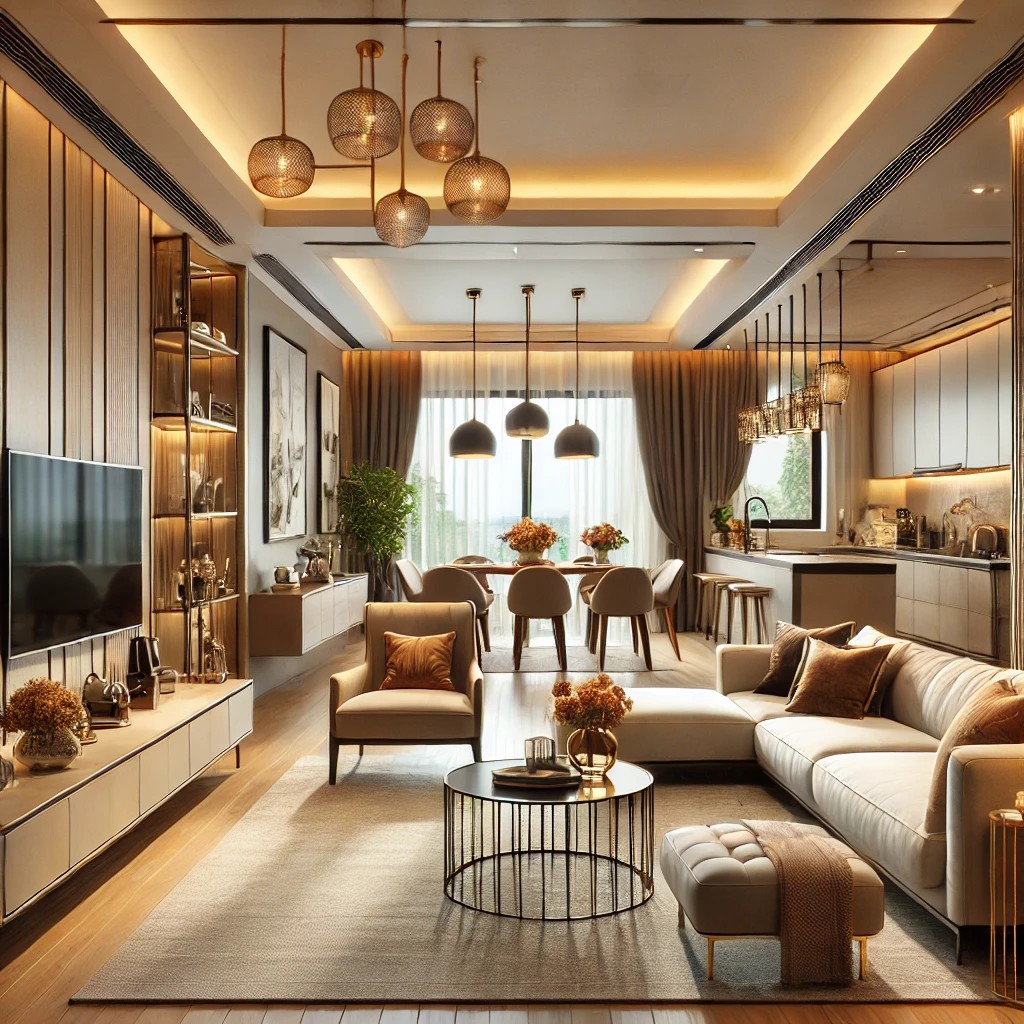
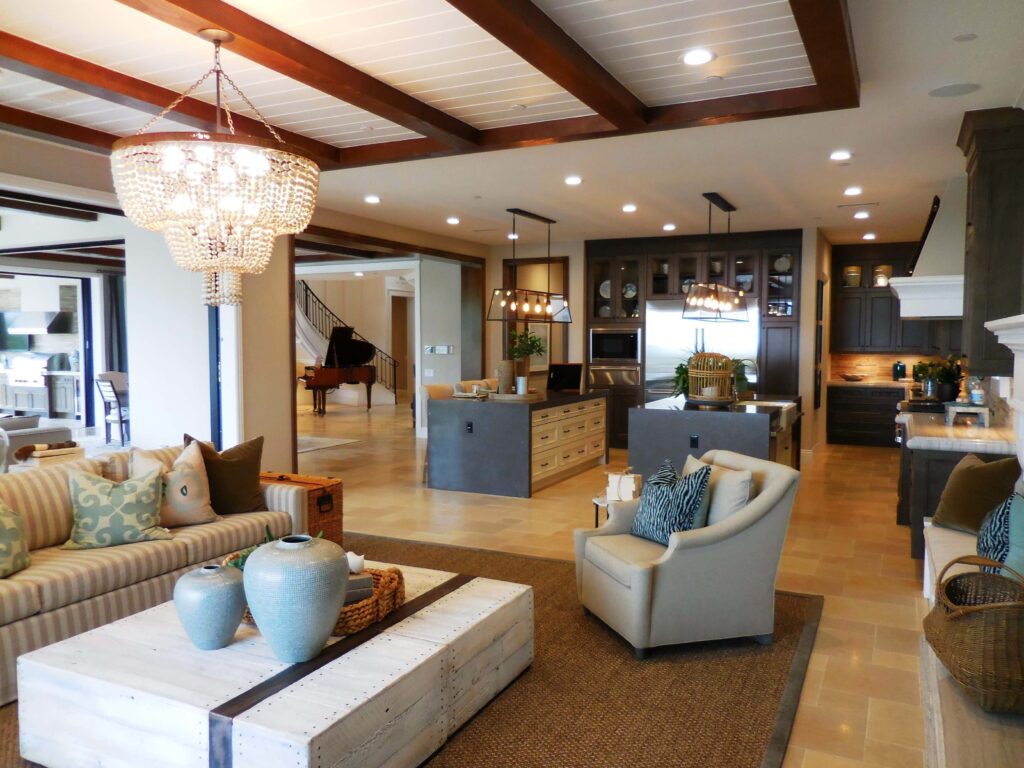
- Efficient space planning is crucial for maximizing functionality. Arrange furniture and design layouts that allow for smooth traffic flow and easy access to essential areas. Consider the placement of functional elements like storage and workspaces.
- Invest in Quality Furniture and Fixtures:
- Choose furniture and fixtures that not only look good but also provide durability and functionality. Well-made, quality pieces can enhance both the aesthetic and functional aspects of your home.
- Multifunctional Furniture:
- Opt for multifunctional furniture that serves dual purposes. Items like sofa beds, extendable dining tables, and storage ottomans contribute to both functionality and space-saving.
- Storage Solutions:
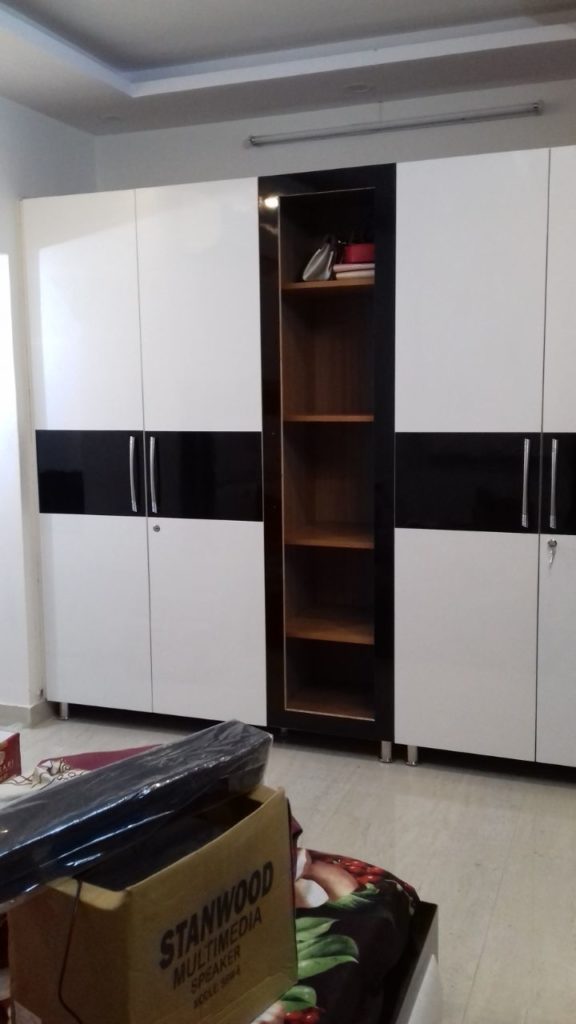
- Integrate ample storage solutions to keep the space organized and clutter-free. Consider built-in cabinets, shelves, and hidden storage to maintain a clean and functional environment.
- Lighting Design:
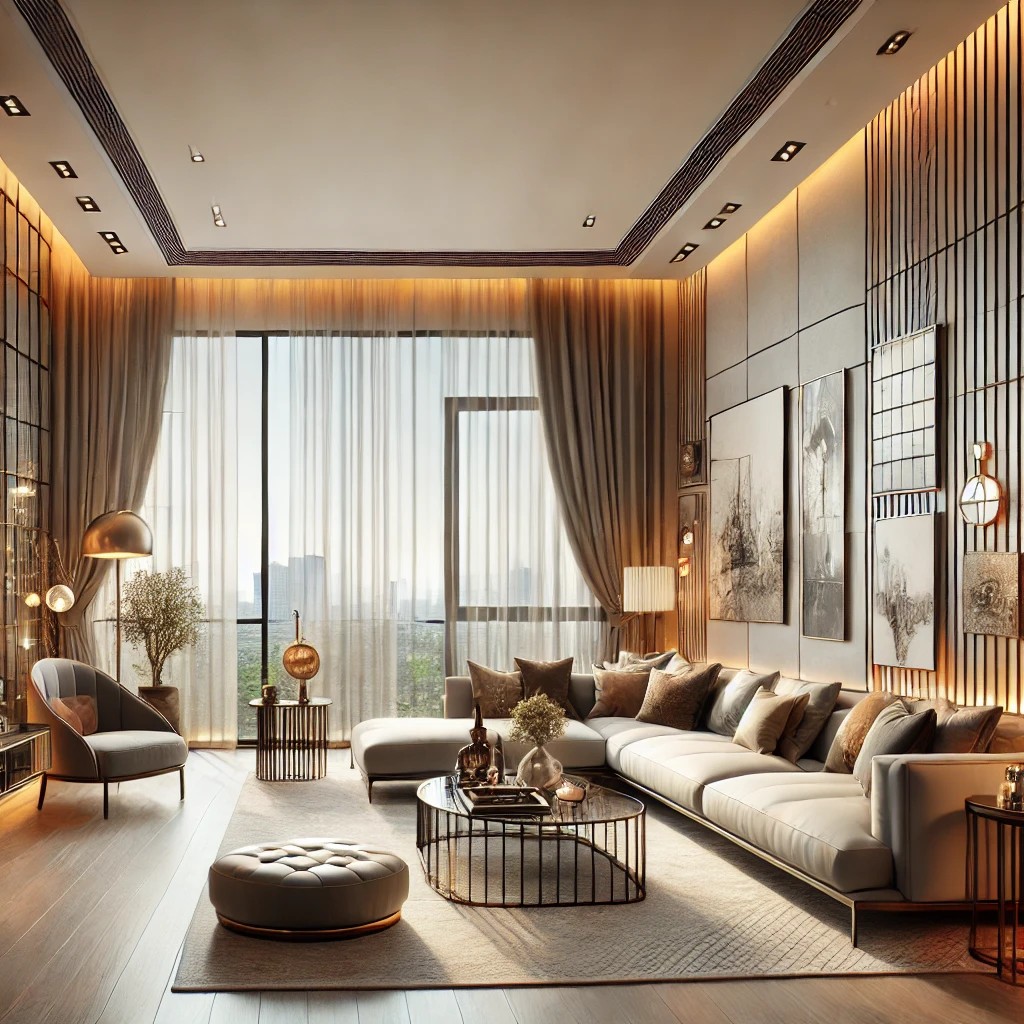
- Lighting plays a crucial role in both aesthetics and functionality. Combine ambient, task, and accent lighting to create a well-lit space that serves its purpose while enhancing the overall visual appeal.
- Color Palette:
- Choose a color palette that aligns with your style preferences while maintaining a sense of balance. Neutral colors can create a timeless backdrop, allowing you to introduce pops of color through accessories or accent pieces.
- Balance Open and Closed Storage:
- Combine open shelving for display with closed storage for a balanced look. This approach allows you to showcase decorative items while keeping everyday items hidden for a cleaner appearance.
- Consider Traffic Flow:
- Pay attention to the flow of movement within the space. Ensure that there are clear pathways and that furniture layouts don’t obstruct natural traffic flow, promoting both safety and functionality.
- Material Selection:
- Choose materials that not only contribute to the aesthetic appeal but also offer practical benefits. For example, consider easy-to-clean and durable materials in high-traffic areas.
- Personalize with Accessories:
- Use accessories and decor to personalize the space. These elements add character and contribute to the overall aesthetic without compromising functionality.
- Natural Elements:
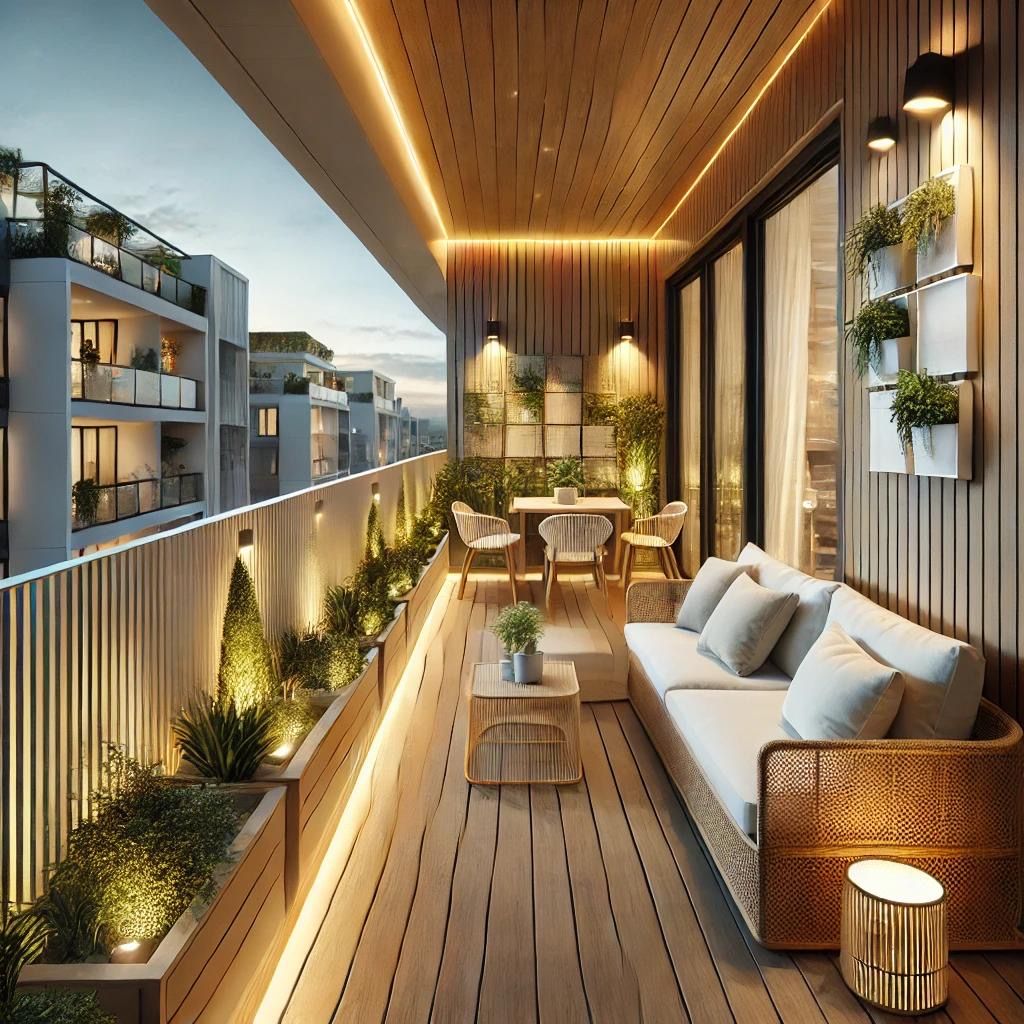
- Integrate natural elements such as plants, wood, or stone. These not only enhance the visual appeal but also contribute to a healthier and more comfortable living environment.
- Consider Long-Term Needs:
- Plan for the future by considering potential changes in your lifestyle. Choose designs and features that can adapt to evolving needs, ensuring the longevity of your home’s functionality.
Balancing functionality and aesthetics requires thoughtful consideration of both aspects throughout the design process. By prioritizing your needs, efficient space planning, and selecting quality elements, you can create a home that is both visually pleasing and practical for everyday living.
Certainly! Here’s a brief FAQ summarizing tips for balancing functionality and aesthetics in home design:
Q1: How can I achieve a balance between functionality and aesthetics in home design? A1: Start by defining your needs and lifestyle. Prioritize functionality by identifying the key purposes of each room and investing in quality furniture and fixtures.
Q2: What role does space planning play in balancing functionality and aesthetics? A2: Efficient space planning is crucial for maximizing functionality. Arrange furniture and design layouts that allow for smooth traffic flow and easy access to essential areas.
Q3: Why is investing in quality furniture important for achieving the right balance? A3: Quality furniture not only looks good but also provides durability and functionality. Well-made pieces contribute to both the aesthetic and practical aspects of your home.
Q4: How can I make my home more functional without sacrificing aesthetics? A4: Integrate multifunctional furniture, ample storage solutions, and efficient lighting design. Consider materials that offer practical benefits while contributing to the overall aesthetic.
Q5: What is the significance of a well-balanced color palette in home design? A5: Choose a balanced color palette that aligns with your style preferences. Neutral colors provide a timeless backdrop, allowing you to introduce color through accessories for visual appeal.
Q6: How can I personalize my home without compromising functionality? A6: Use accessories and decor to add personal touches. These elements contribute to the overall aesthetic without sacrificing the functionality of the space.
Q7: What role does lighting play in achieving a balance between functionality and aesthetics? A7: Lighting is crucial for both functionality and aesthetics. Combine ambient, task, and accent lighting to create a well-lit space that serves its purpose while enhancing visual appeal.
Q8: How can I balance open and closed storage for a functional yet aesthetically pleasing look? A8: Combine open shelving for display with closed storage for a balanced appearance. This allows you to showcase decorative items while keeping everyday items hidden for a cleaner look.
Q9: Why is considering long-term needs important in achieving balance in home design? A9: Plan for the future by considering potential changes in your lifestyle. Choose designs and features that can adapt to evolving needs, ensuring the longevity of your home’s functionality.
Q10: Can natural elements contribute to a balanced home design? A10: Yes, integrate natural elements such as plants, wood, or stone. These not only enhance the visual appeal but also contribute to a healthier and more comfortable living environment.
Balancing functionality and aesthetics involves thoughtful consideration throughout the design process. Prioritize your needs, invest in quality elements, and create a space that is both visually pleasing and practical for everyday living.