In the quest for creating serene and balanced living spaces, many turn to the ancient Chinese art of Feng Shui. Rooted in the belief that the arrangement of our surroundings can influence the flow of energy, or “chi,” Feng Shui offers a holistic approach to design that goes beyond aesthetics. Whether you’re a longtime follower or a newcomer to the practice, incorporating Feng Shui principles into your interior design can bring about a sense of harmony and well-being. Let’s delve into key Feng Shui concepts and how they can be applied to cultivate positive energy within your home.
1. The Bagua Map: At the heart of Feng Shui lies the Bagua Map, a tool that divides your living space into nine areas, each corresponding to different aspects of life such as wealth, love, career, and health. By aligning the Bagua Map with the layout of your home, you can identify and enhance the energy in each specific area, promoting balance and prosperity in various facets of your life.
2. Balance of Yin and Yang: The concept of Yin and Yang, representing the balance between opposite forces, is fundamental to Feng Shui. Apply this principle by integrating contrasting elements in your decor—light and dark, soft and hard, or curved and straight lines. Strive for a harmonious balance that evokes a sense of equilibrium and unity in your living spaces.
3. Command Position: Establish a “command position” in key rooms, such as the bedroom or office, to optimize the flow of energy. Place your bed, desk, or main seating area so that you have a clear view of the room’s entrance, creating a sense of security and empowerment. This arrangement is believed to enhance concentration, relaxation, and overall well-being.
4. Five Elements: The Five Elements—wood, fire, earth, metal, and water—are crucial components of Feng Shui. Integrate these elements strategically in your decor to evoke a harmonious balance. For example, incorporate wooden furniture, metal accessories, and water features to create a dynamic and enriching environment that aligns with the principles of Feng Shui.
5. Clutter-Free Spaces: One of the most practical and universally applicable Feng Shui principles is the emphasis on decluttering. Clutter is considered stagnant energy that can hinder the flow of chi. Keep your living spaces organized and clutter-free to encourage the smooth movement of positive energy. Consider minimalist design approaches to maintain a sense of simplicity and cleanliness.
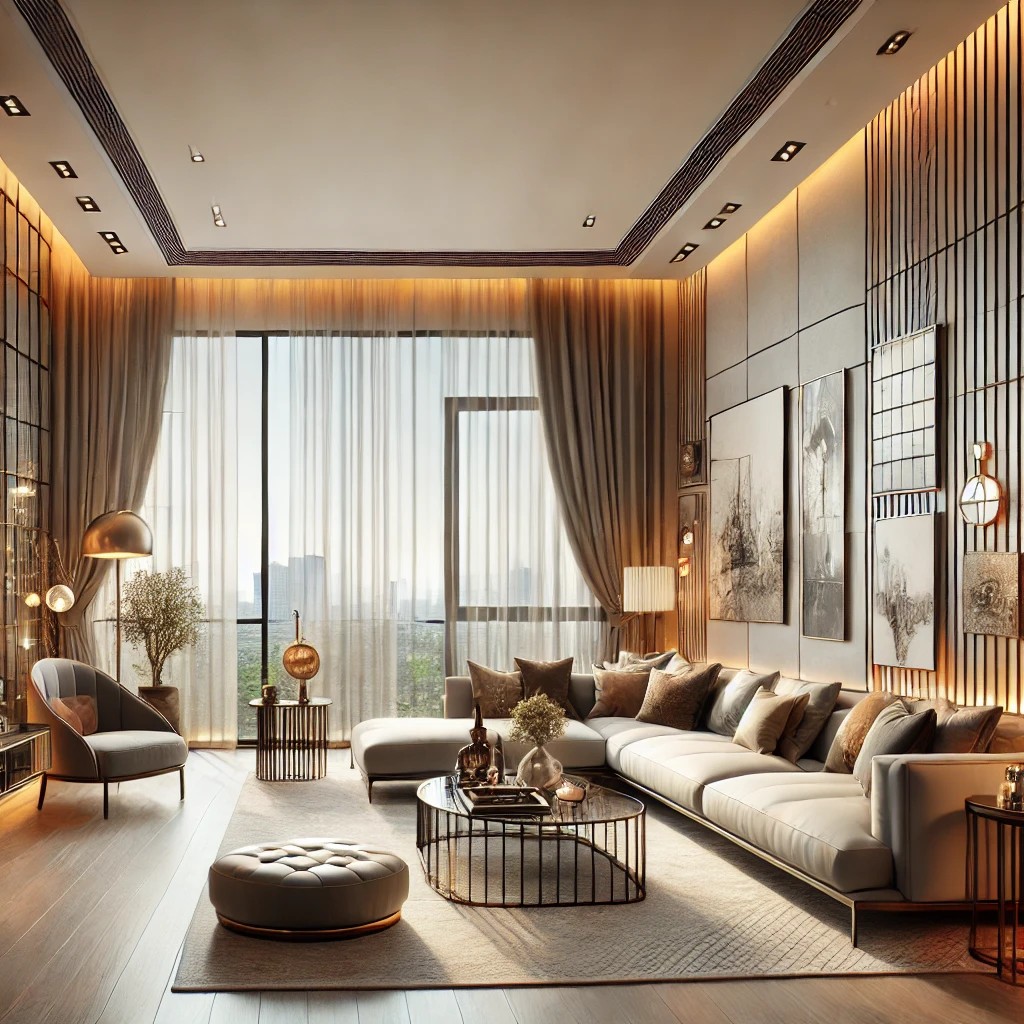
6. Natural Light and Ventilation: Maximize the flow of positive energy by welcoming natural light and fresh air into your home. Open windows regularly to allow air circulation, and use sheer curtains to let in sunlight. Natural elements are integral to Feng Shui, and by connecting with the outdoors, you invite vibrant and rejuvenating energies into your living spaces.
7. Symbolic Art and Decor: Incorporate symbolic artwork and decor that aligns with your intentions and desires. Feng Shui enthusiasts often use items like the laughing Buddha, wind chimes, or mirrors with specific bagua shapes to attract positive energy. Choose symbols that resonate with you personally, fostering an environment that reflects your aspirations and positive energy.
8. Harmonious Color Choices: Color is a powerful tool in Feng Shui, influencing the energy of a space. Use a balanced and harmonious color palette based on the Five Elements to create an atmosphere that aligns with your goals. For example, soft blues and greens may represent water, while earthy tones embody the earth element. Be mindful of color choices in different areas of your home to promote specific energies.
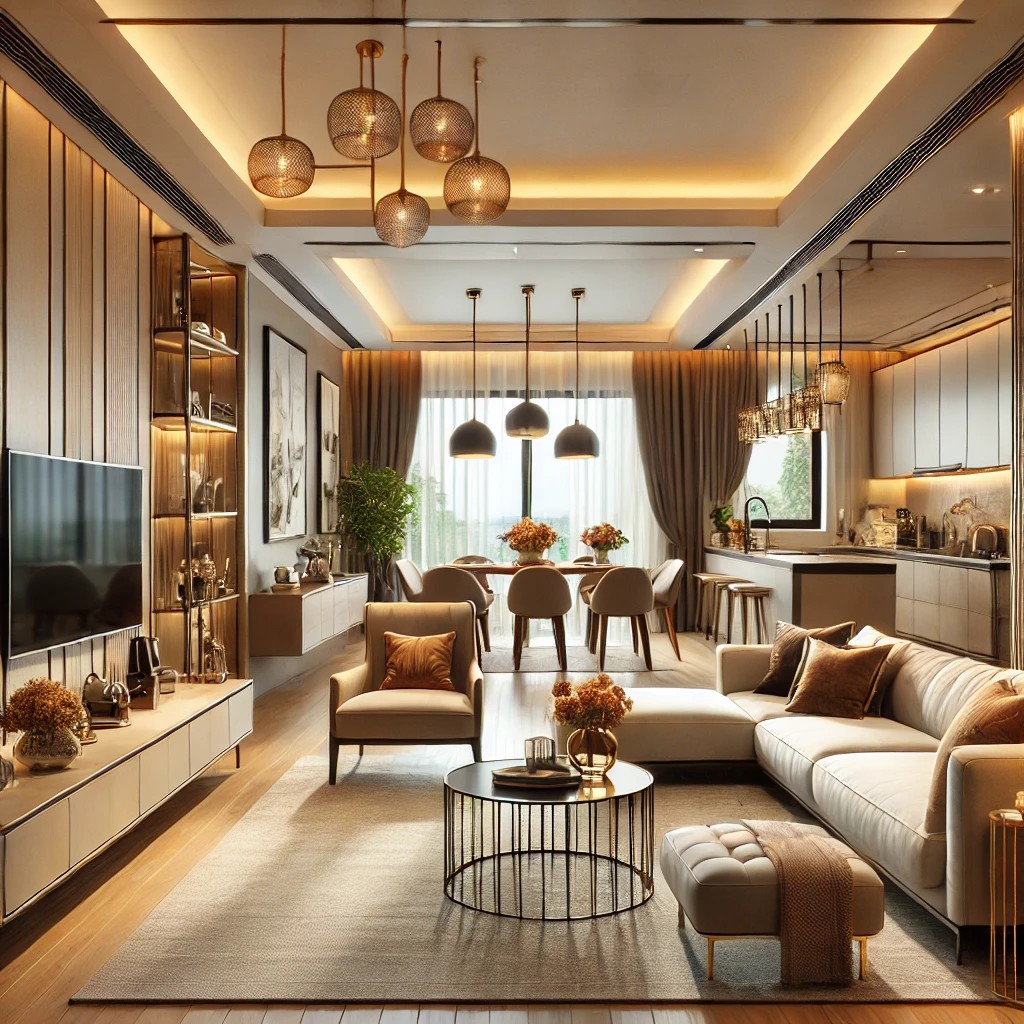
9. Proper Furniture Arrangement: Arrange furniture in a way that promotes the natural flow of energy. Avoid placing furniture in direct pathways or blocking doorways, as this can obstruct the movement of chi. Aim for a balanced and open layout that allows energy to circulate freely, creating a sense of spaciousness and tranquility.
10. Living Plants and Nature: Introduce living plants into your home to enhance the connection with nature and promote positive energy. Plants are believed to purify the air and contribute to a vibrant and healthy environment. Choose varieties that thrive indoors and suit your level of commitment to plant care.
11. Mindful Art Placement: Be intentional about the placement of artwork in your home. Avoid hanging art that depicts negative or unsettling scenes, and instead, opt for pieces that evoke positive emotions. Consider the Bagua Map and choose art that corresponds to specific areas to enhance the energy associated with those aspects of life.
12. Personalized and Meaningful Spaces: Infuse your home with personal and meaningful elements that resonate with your values and aspirations. Display cherished mementos, family photos, or items with sentimental value in prominent areas. Creating spaces that reflect your personality and story adds a layer of positive energy and connection to your living environment.
In conclusion, Feng Shui offers a holistic and mindful approach to interior design, emphasizing the profound impact our surroundings can have on our well-being. By incorporating these principles into your home, you can create spaces that not only look aesthetically pleasing but also foster a harmonious flow of energy. Whether you’re making significant design changes or subtle adjustments, embracing the principles of Feng Shui can elevate your living spaces and contribute to a more balanced and positive lifestyle.