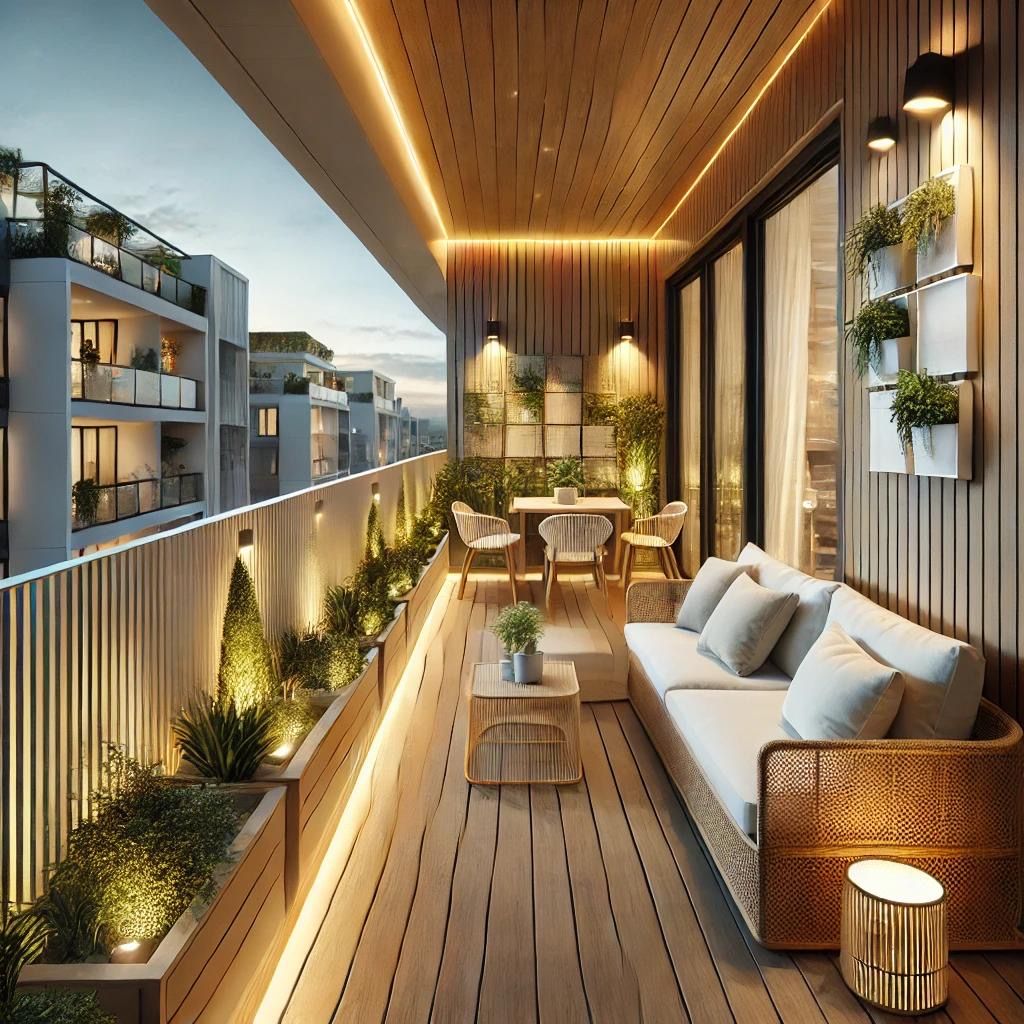
Introduction: In the intricate tapestry of interior design, professionals play distinct roles, each contributing to the creation of inviting and harmonious spaces. This blog explores the delicate balance between functional aspects and aesthetic focus, drawing a clear distinction between the roles of interior designers and interior decorators. Understanding how these professionals navigate the interplay of form and function is crucial for anyone seeking to transform spaces with both practicality and visual allure.
- Interior Designers: Masters of Functionality and Form
- Functional Prowess: Interior designers are adept at optimizing the functionality of a space. They possess a deep understanding of spatial dynamics, traffic flow, and ergonomic considerations, ensuring that the design not only looks appealing but also serves its intended purpose.
- Spatial Planning: A key focus for interior designers is spatial planning. They strategically organize layouts, considering the practical needs of occupants and incorporating elements that enhance usability and convenience.
- Architectural Integration: Interior designers often work in tandem with architects, influencing structural modifications to align the design vision with architectural elements. This integration of design and architecture contributes to a seamless marriage of functionality and aesthetics.
- Interior Decorators: Crafting Aesthetically Pleasing Environments
- Aesthetic Expertise: Interior decorators shine in the realm of aesthetics. Their primary focus is on creating visually pleasing environments by harmonizing color schemes, selecting furnishings, and curating decorative elements that align with a particular style or theme.
- Decorative Flourish: While attentive to the overall layout, interior decorators place a greater emphasis on the decorative aspects of design. They excel in choosing elements that enhance the visual appeal without delving extensively into architectural modifications.
- Style Curation: Decorators are style mavens, staying abreast of design trends and using their expertise to translate client preferences into aesthetically pleasing compositions.
- Client Interaction: Tailoring Designs to Different Priorities
- Interior Designers: Engage in in-depth consultations to understand clients’ lifestyles, functional needs, and long-term goals. The design solutions proposed by interior designers are not only visually appealing but also tailored to meet the practical requirements of the occupants.
- Interior Decorators: Work closely with clients to capture their design preferences and aesthetic aspirations. While considering comfort and functionality, decorators place a stronger emphasis on fulfilling the client’s visual desires and style preferences.
- Project Scope: From Concept to Execution
- Interior Designers: Navigate the entire design process, from conceptualization to execution. They manage projects comprehensively, overseeing everything from spatial planning and material selection to collaborating with contractors and ensuring that the design vision comes to life.
- Interior Decorators: While engaged in the design process, decorators may focus more on the visual elements. Their role often involves coordinating deliveries, arranging installations, and ensuring that the aesthetic components align with the overall design concept.
Conclusion: In the dynamic world of interior design, the distinction between interior designers and interior decorators lies in their unique approach to the balance between functionality and aesthetics. While designers seamlessly integrate form and function, decorators excel in elevating the visual appeal of a space. Recognizing the strengths of each professional allows clients to make informed decisions, ensuring that their spaces are not only beautiful but also well-suited to their practical needs.