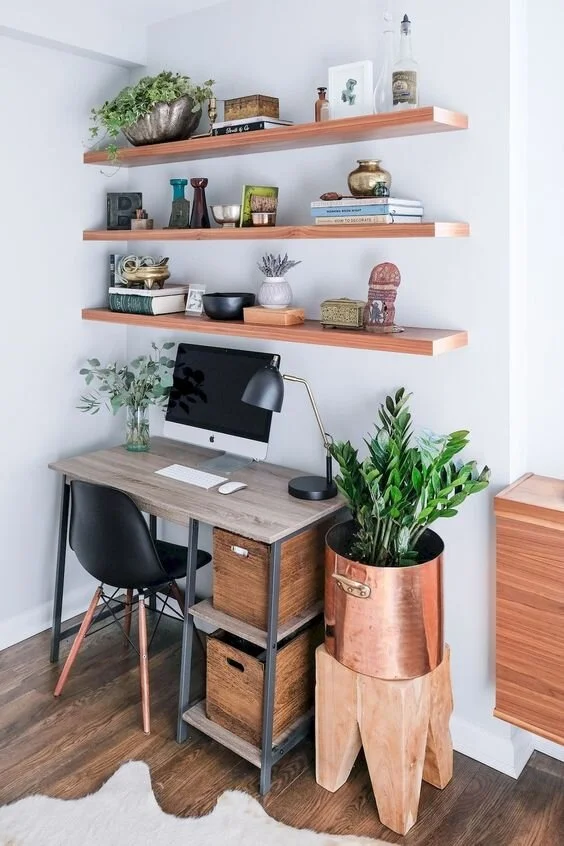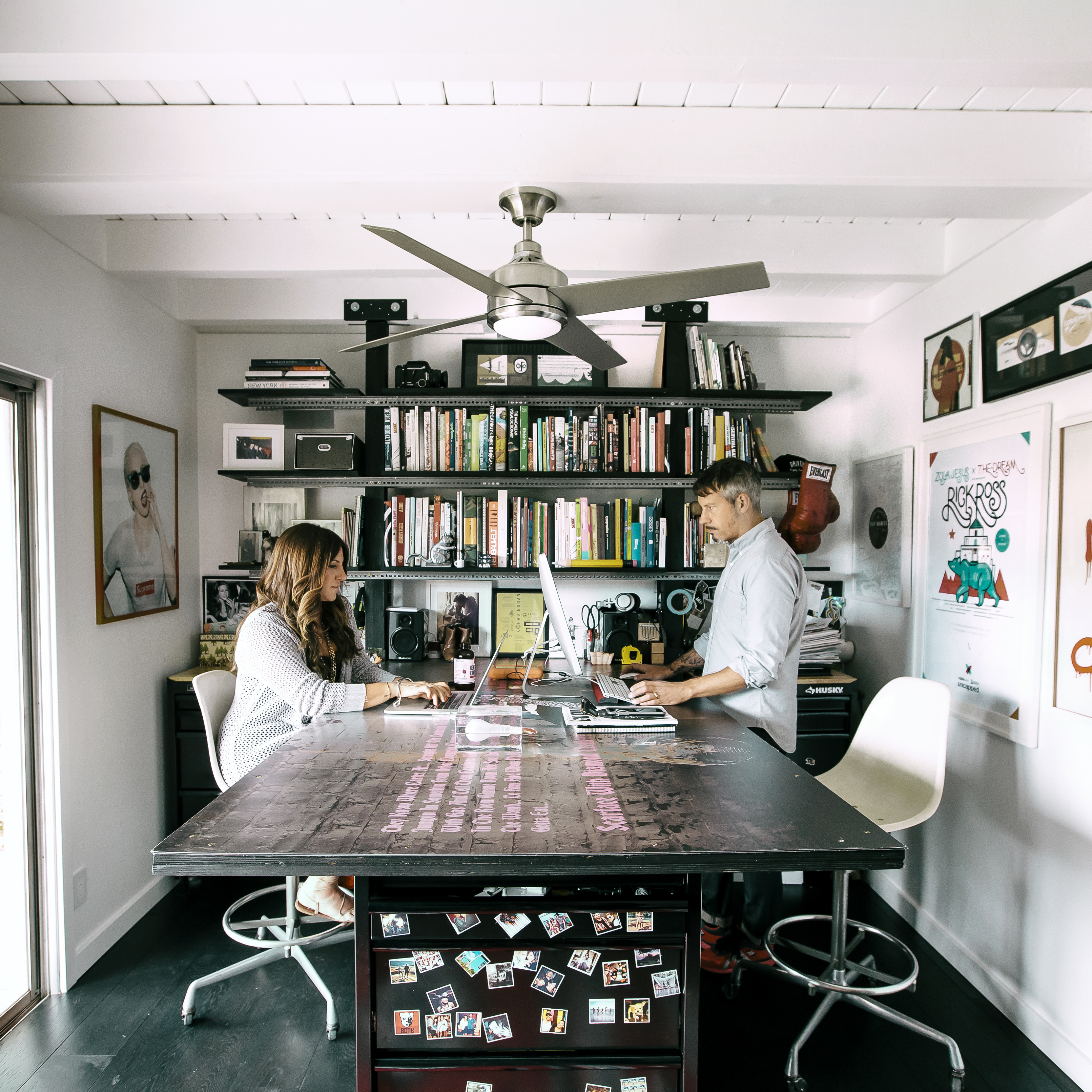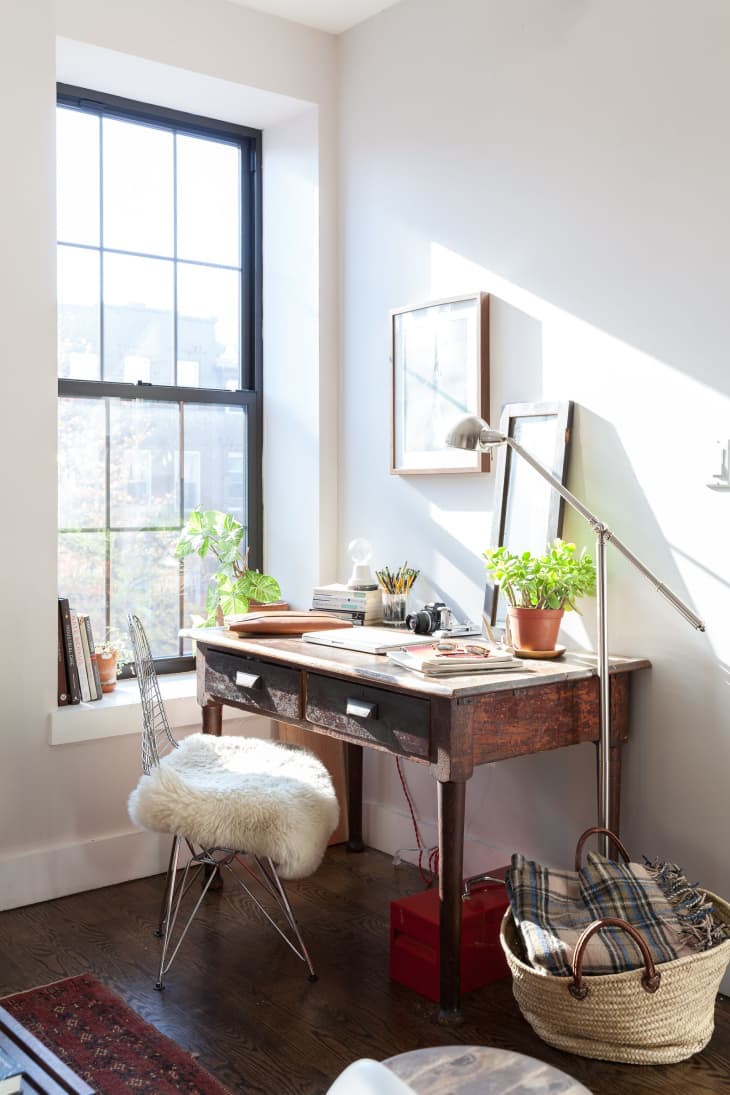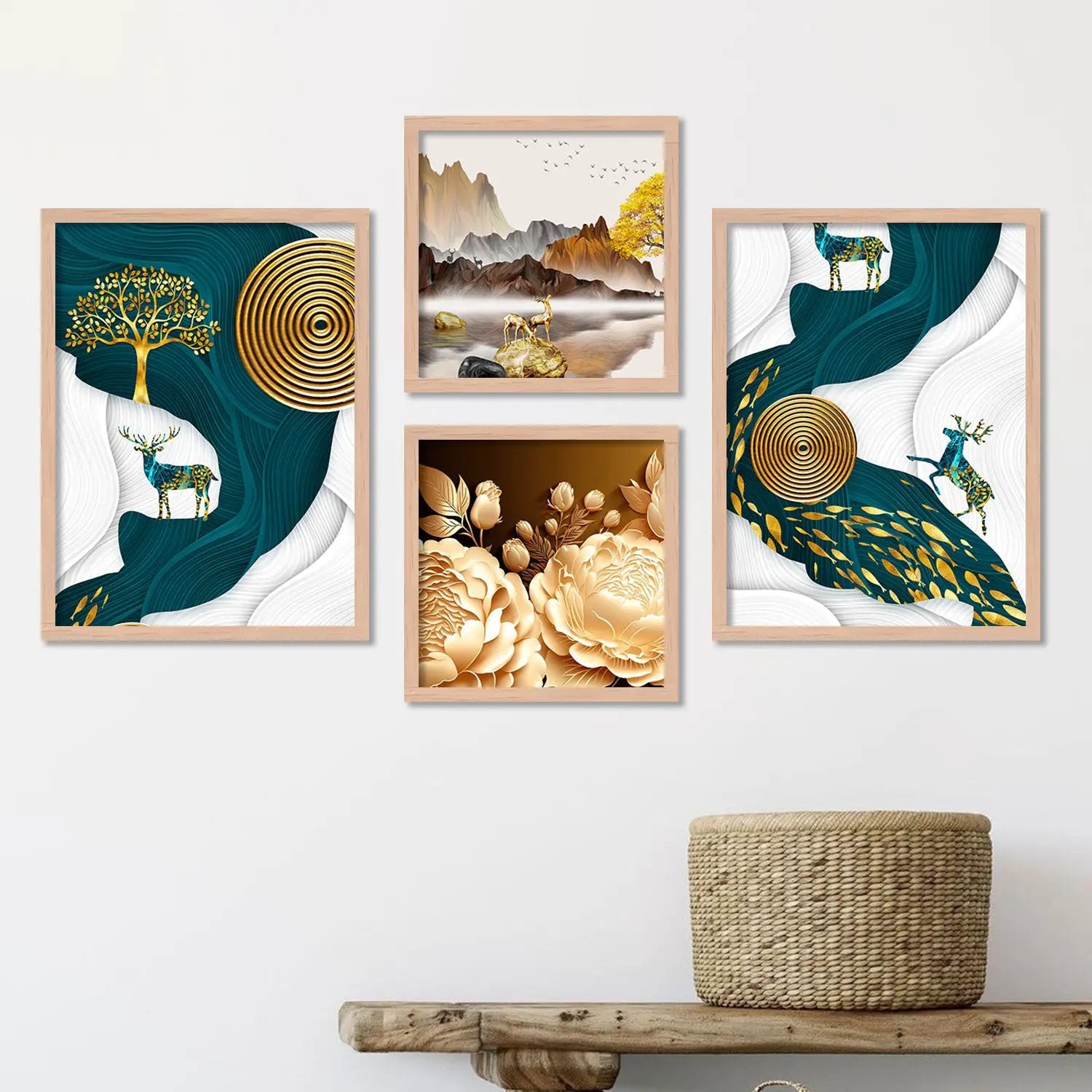
Author name: Interior A to Z - Luxury Interior Designers

Interior A to Z is a premier interior design firm specializing in luxury residential and commercial transformations across Gurgaon, Noida, and Delhi NCR. With over 15 years of expertise, we offer end-to-end solutions, from modular kitchens and minimalist bedrooms to complete home renovations. Our mission is to blend modern aesthetics with functional design. Book a Free Consultation at https://interioratoz.com/contact-us/ to start your dream project today.

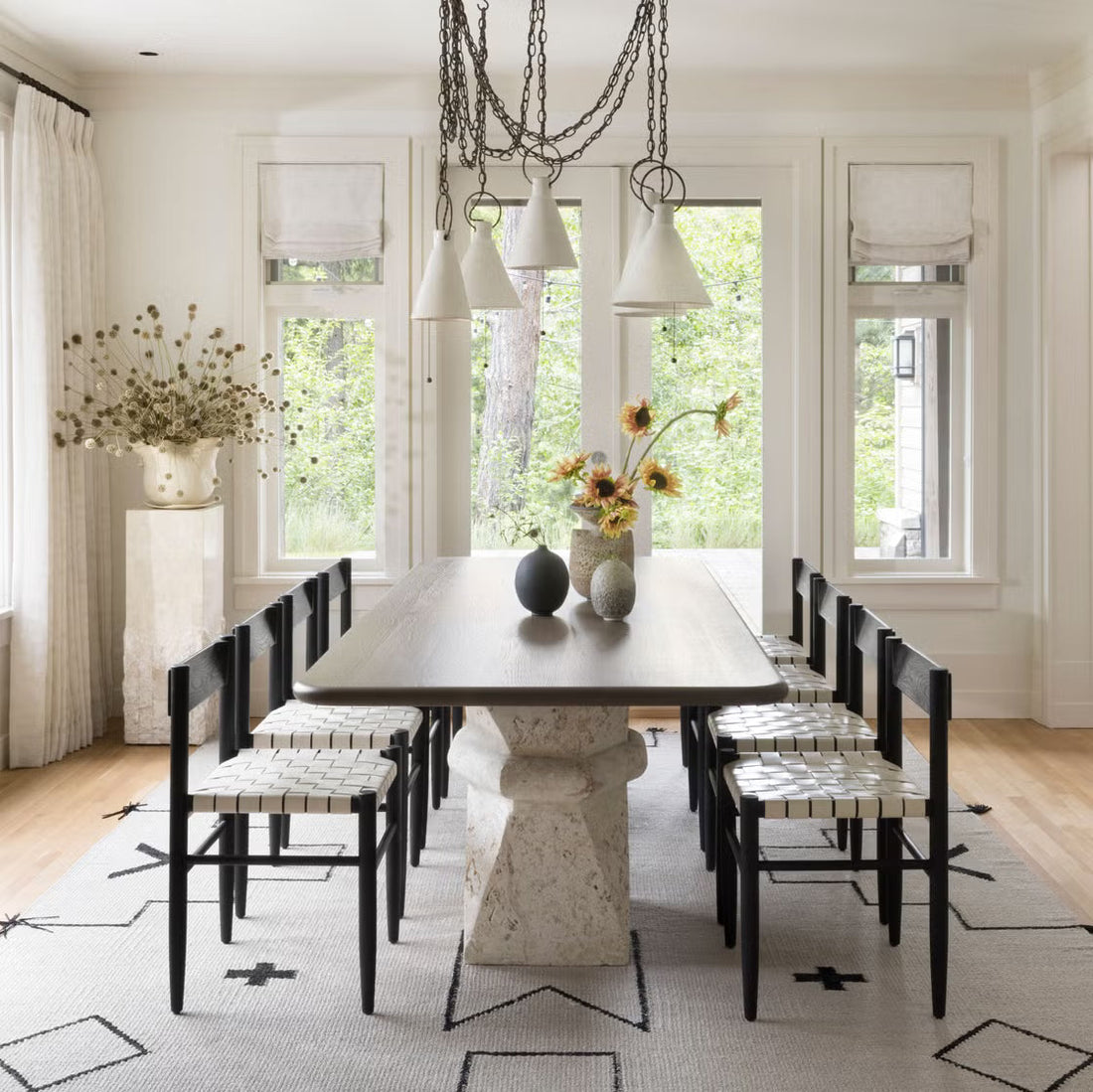
Dining Room Decor Ideas: 14 Ways to Elevate Your Space

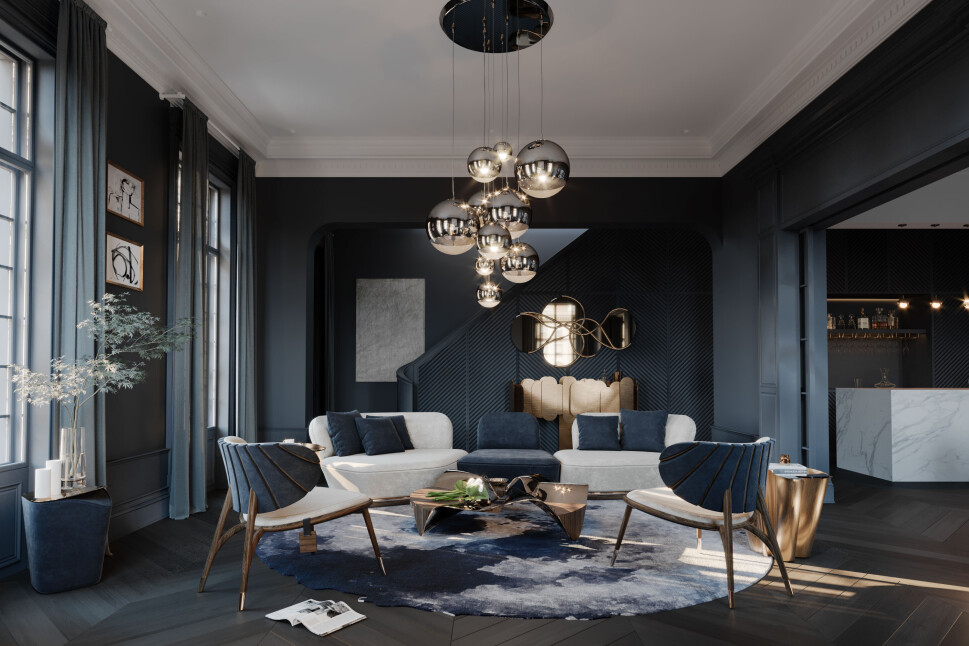
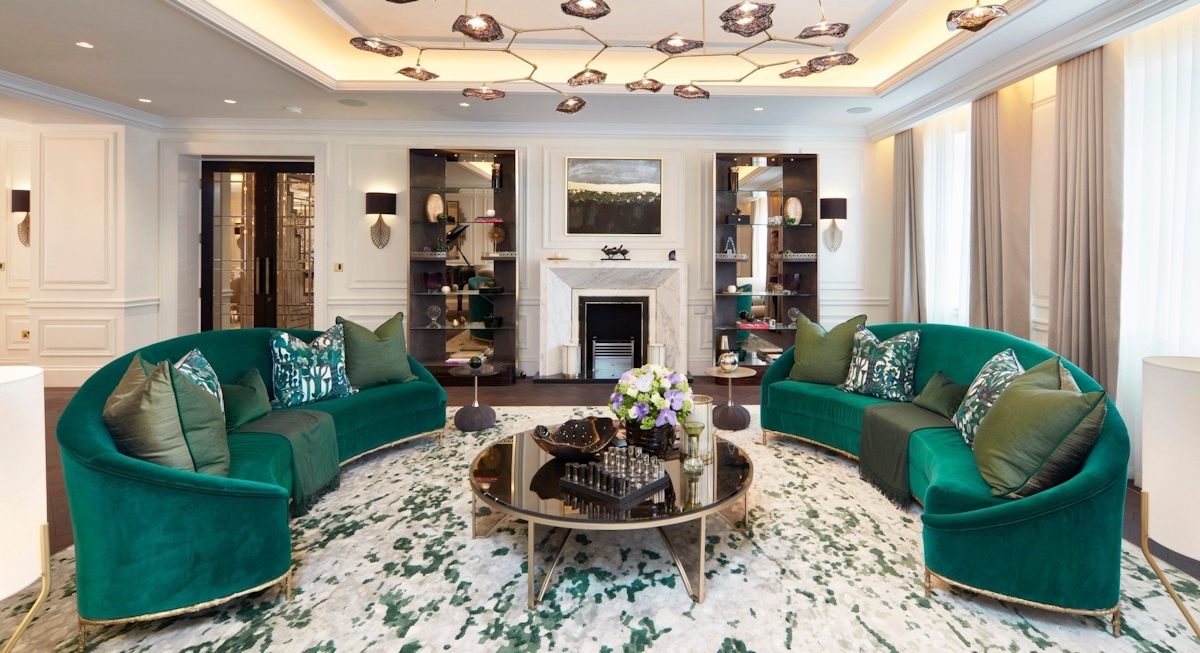
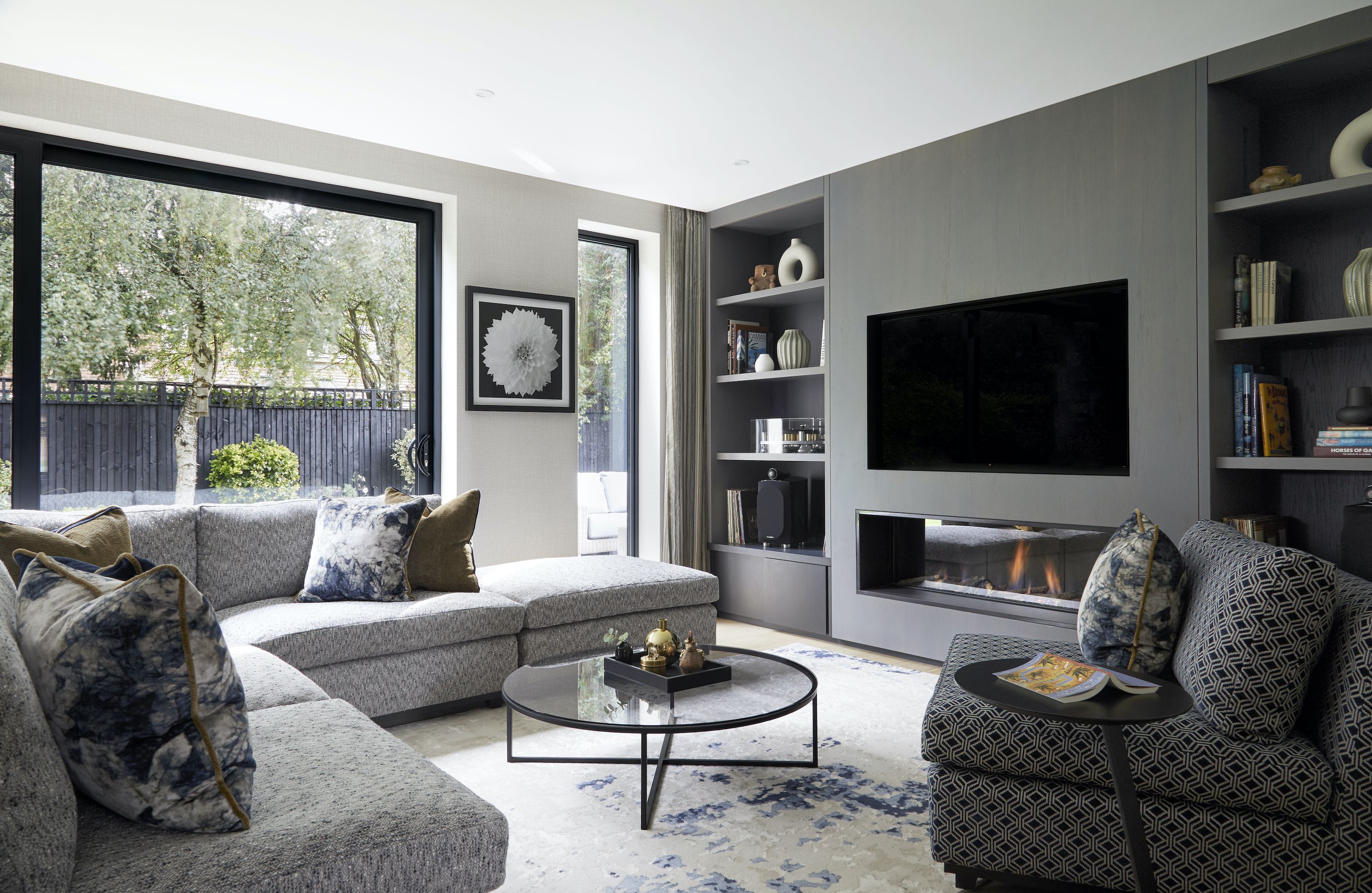
Image
Image
Image
Image

Dining room decor should create an atmosphere that encourages conversation, comfort, and visual warmth. A well-styled dining space balances aesthetics with function β€” it should feel inviting without overcrowding the table or room.

Across homes in Gurgaon, Noida, and Delhi NCR, dining areas are increasingly designed as social hubs connected to kitchens and living spaces.

This guide explores versatile decor ideas that work in both compact apartments and large homes.


What Makes Great Dining Room Decor?

Successful dining decor blends structure and personality.

Design thinking influenced by Bauhaus emphasizes balance and purpose β€” every decorative choice should contribute to harmony.

Core principles:

  • Clear focal point
  • Balanced colour palette
  • Layered lighting
  • Textural warmth
  • Proportional furniture
  • Edited accessories

Decor should enhance social comfort.


Create a Strong Lighting Feature

Image
Image
Image
Image

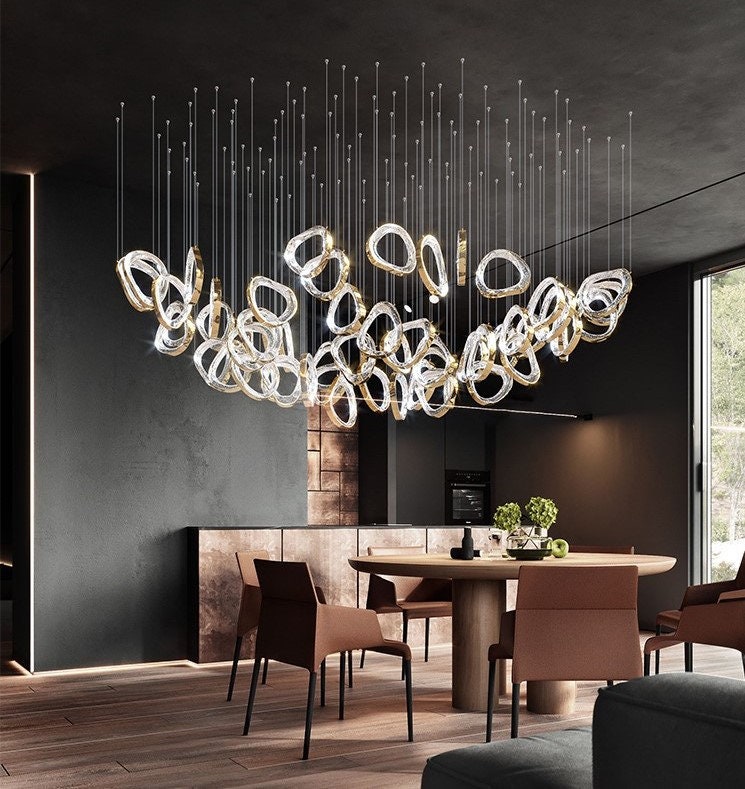
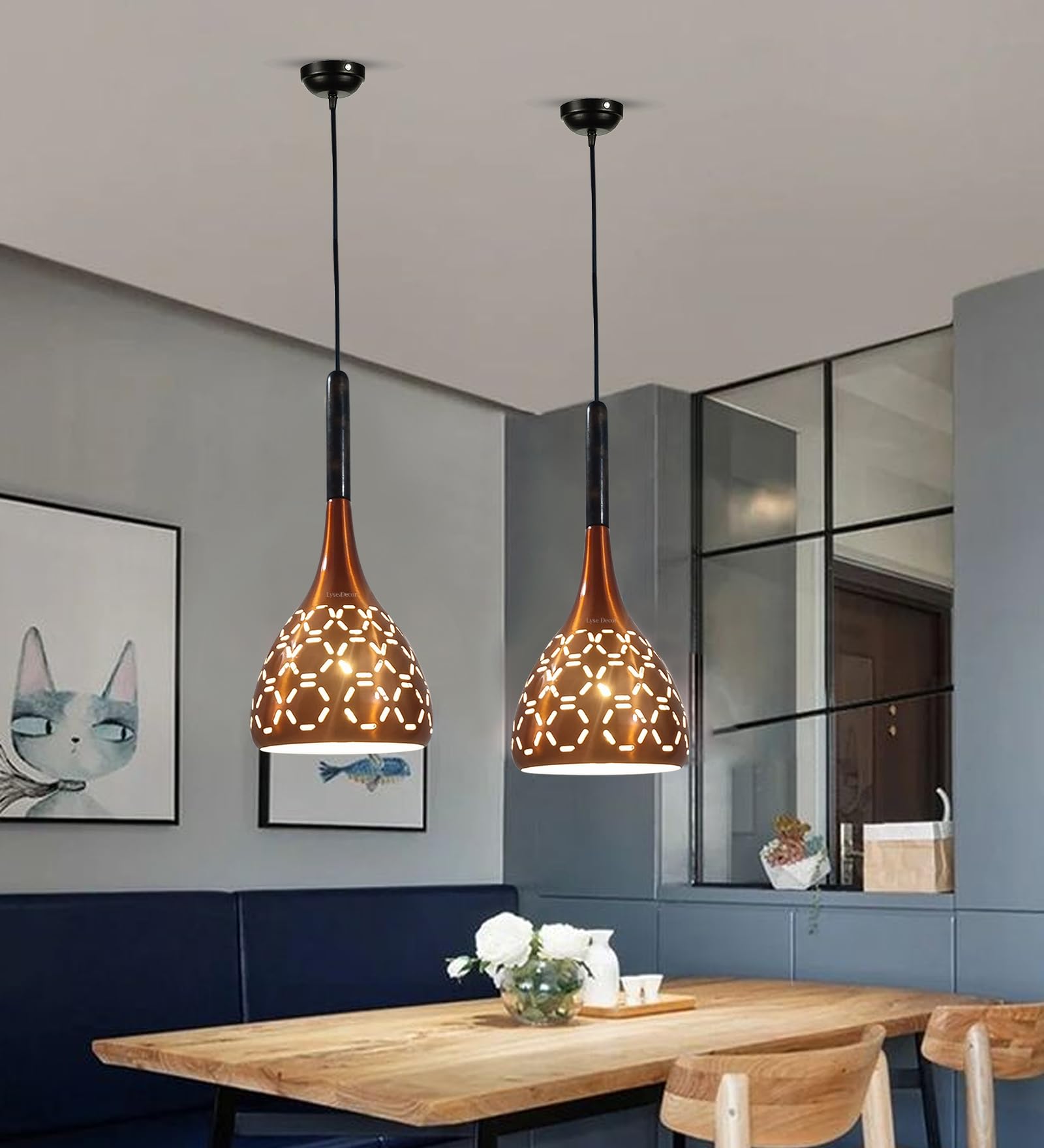
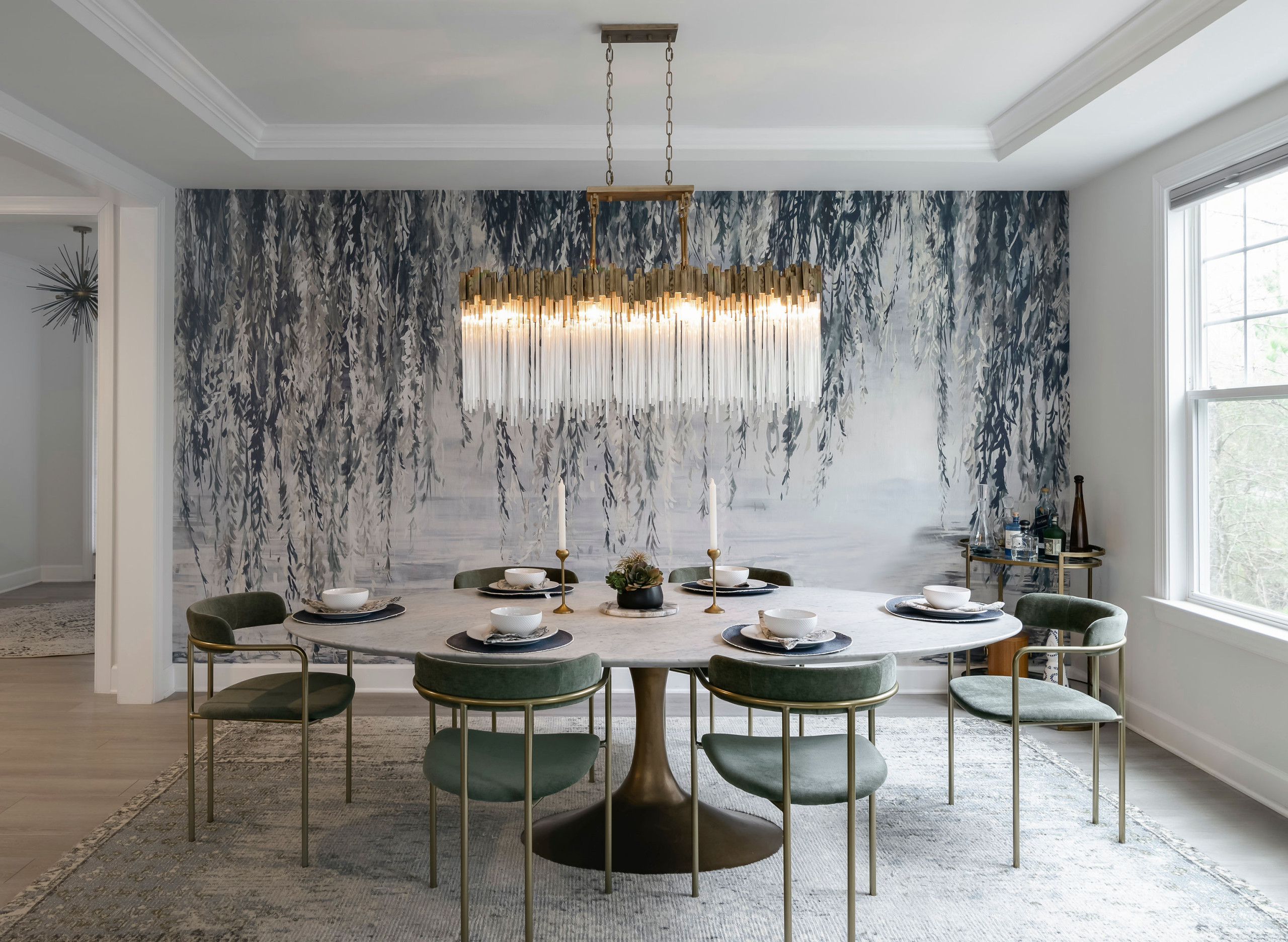
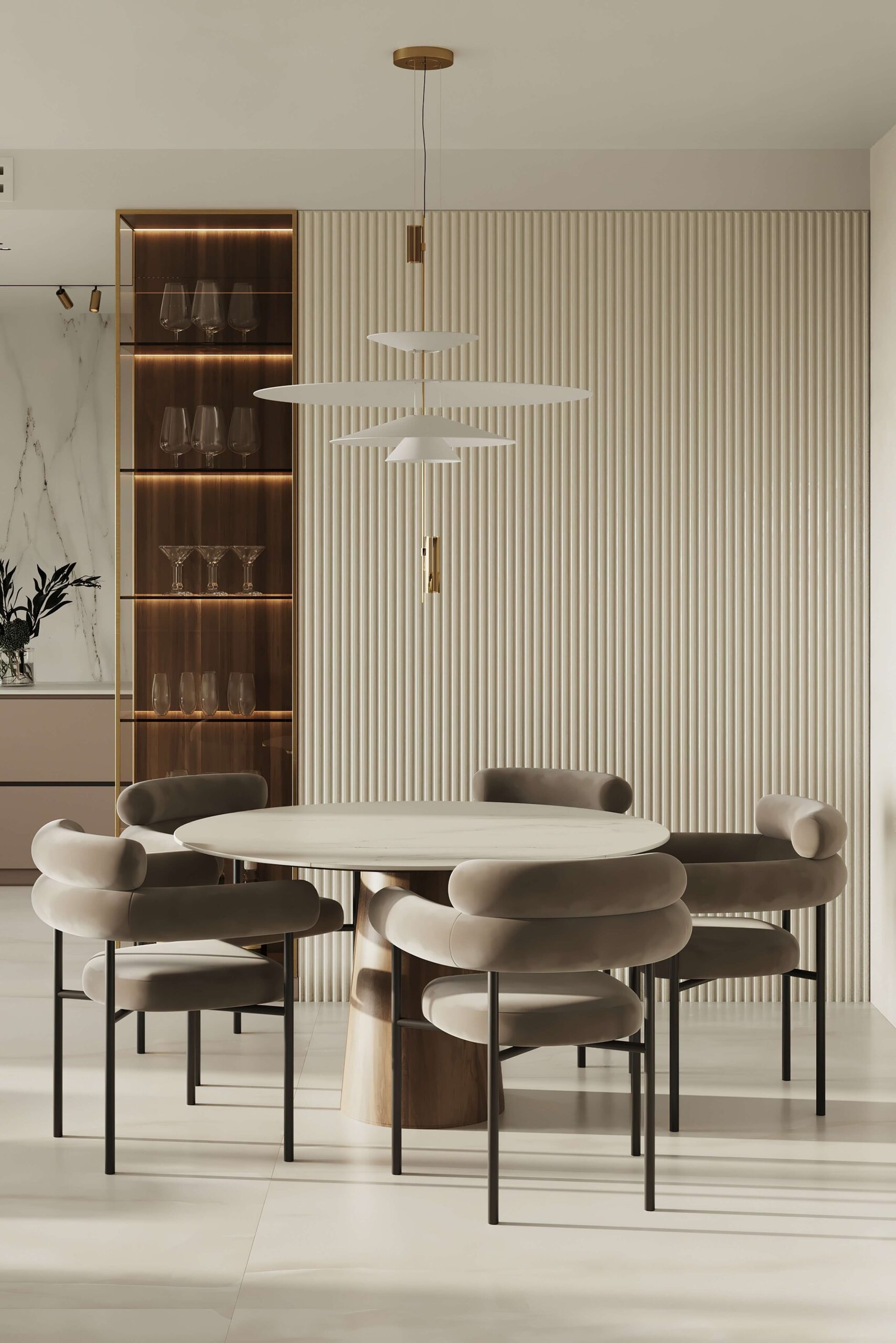
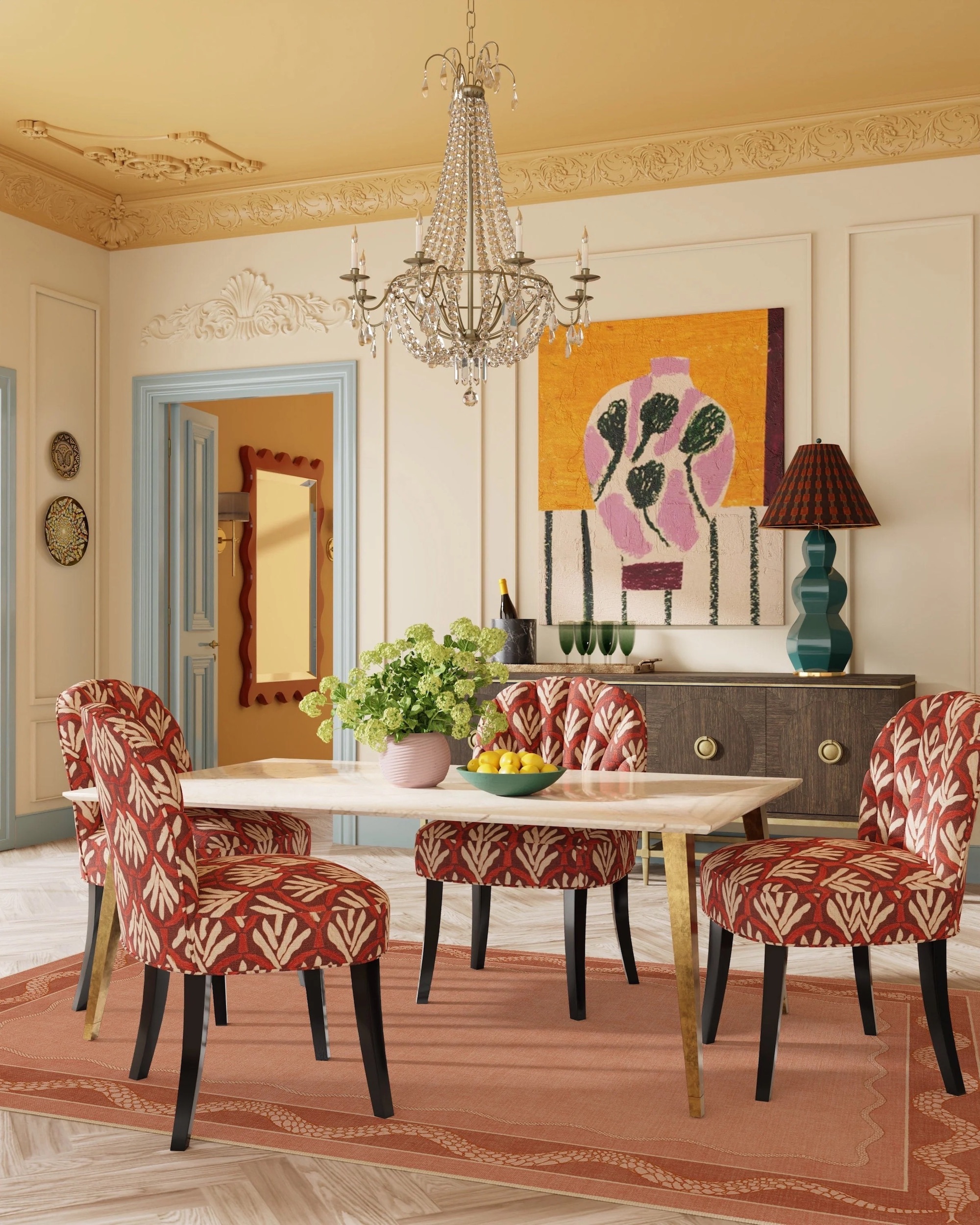
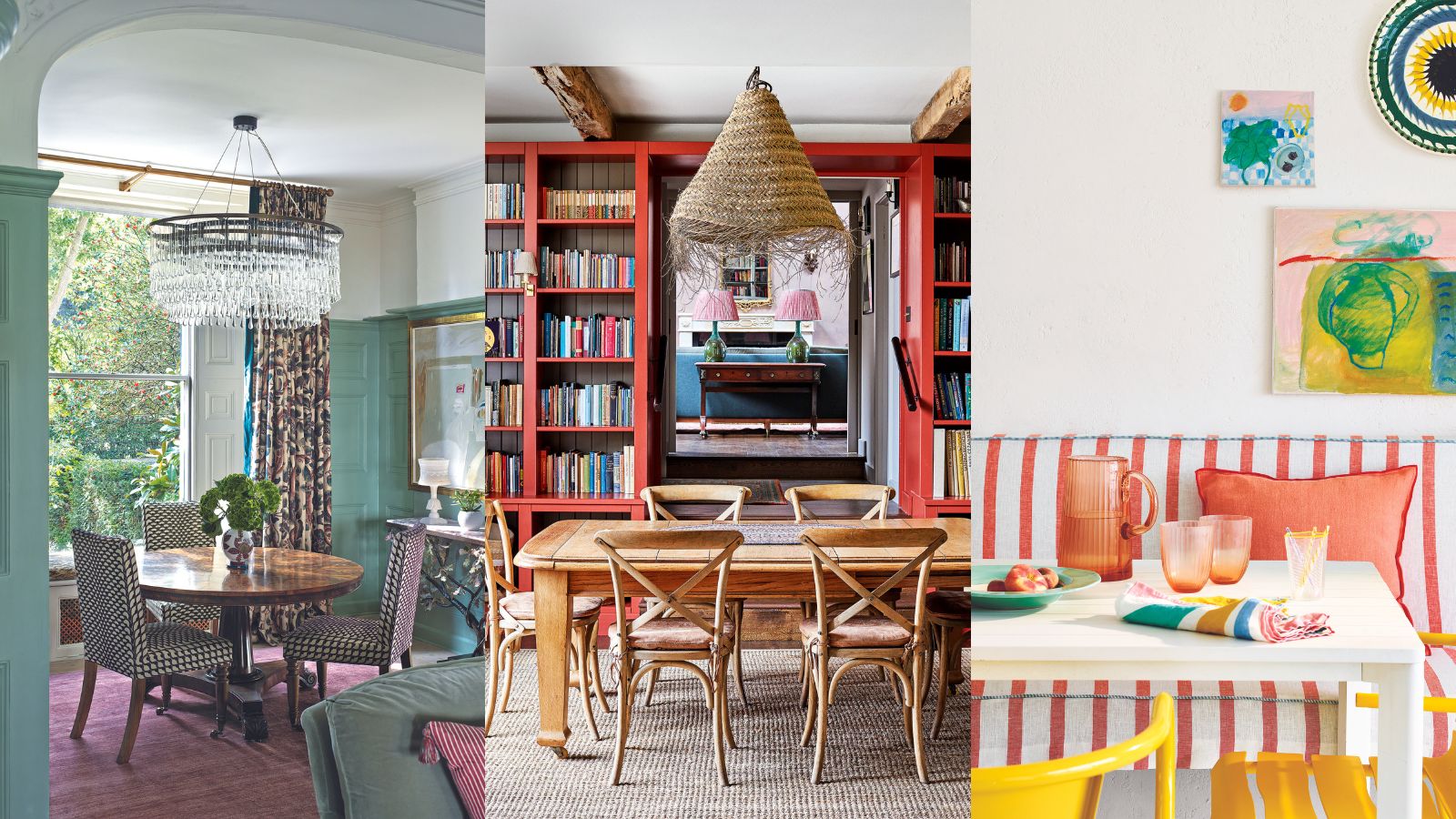
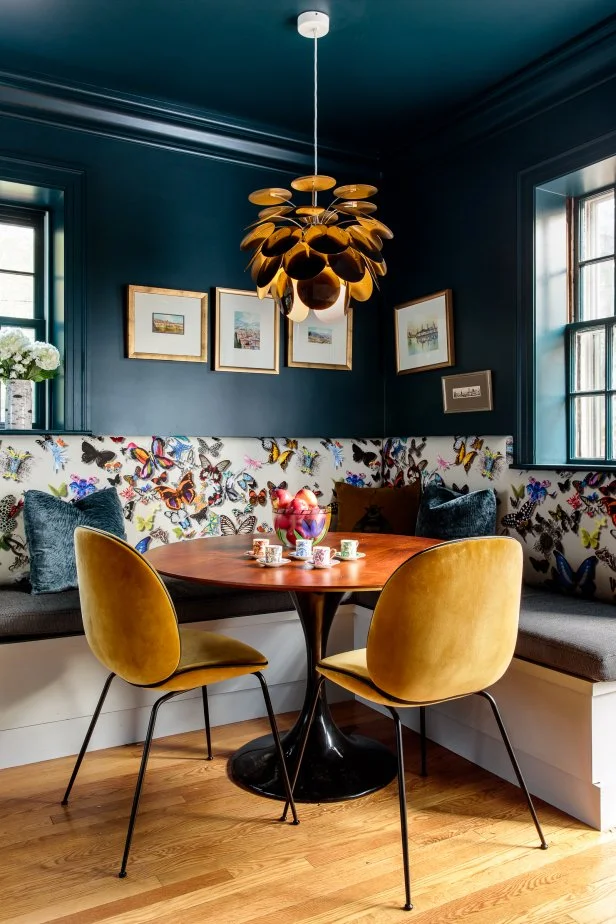
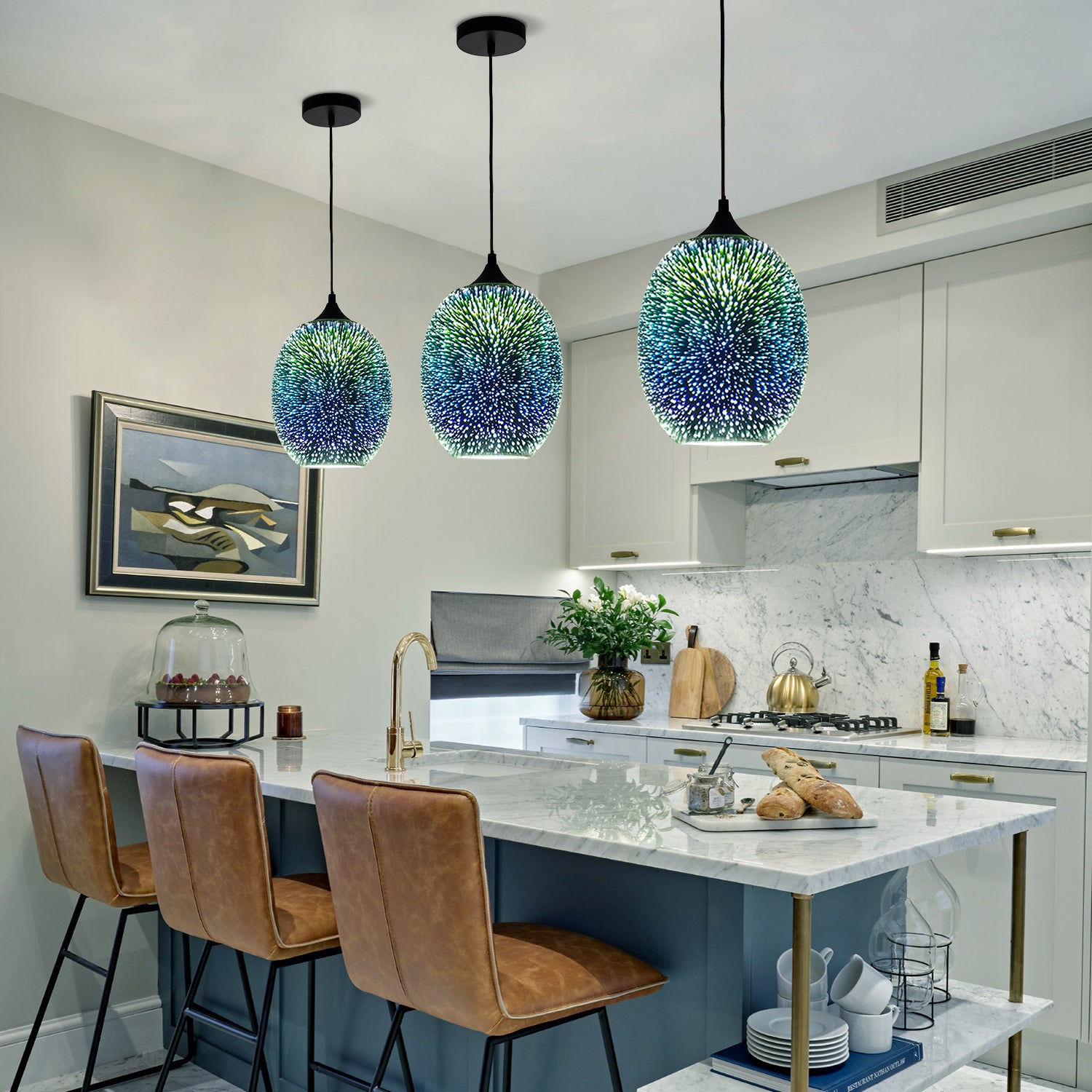
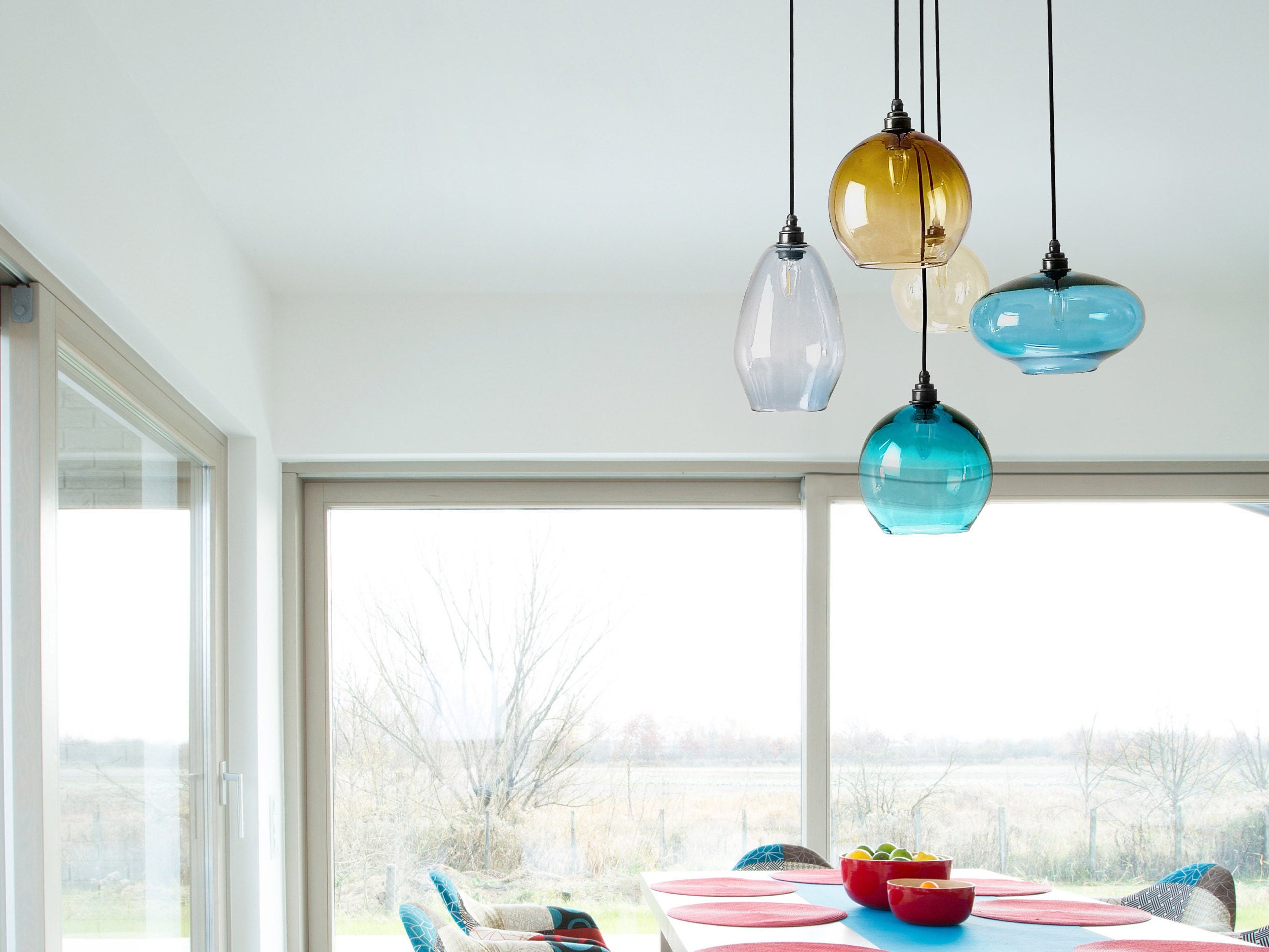
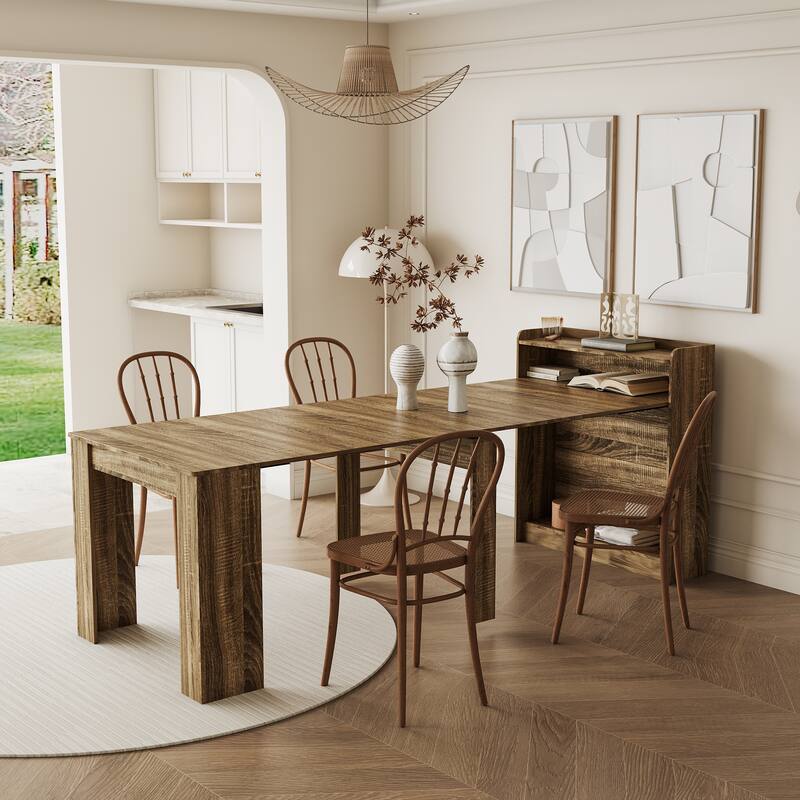
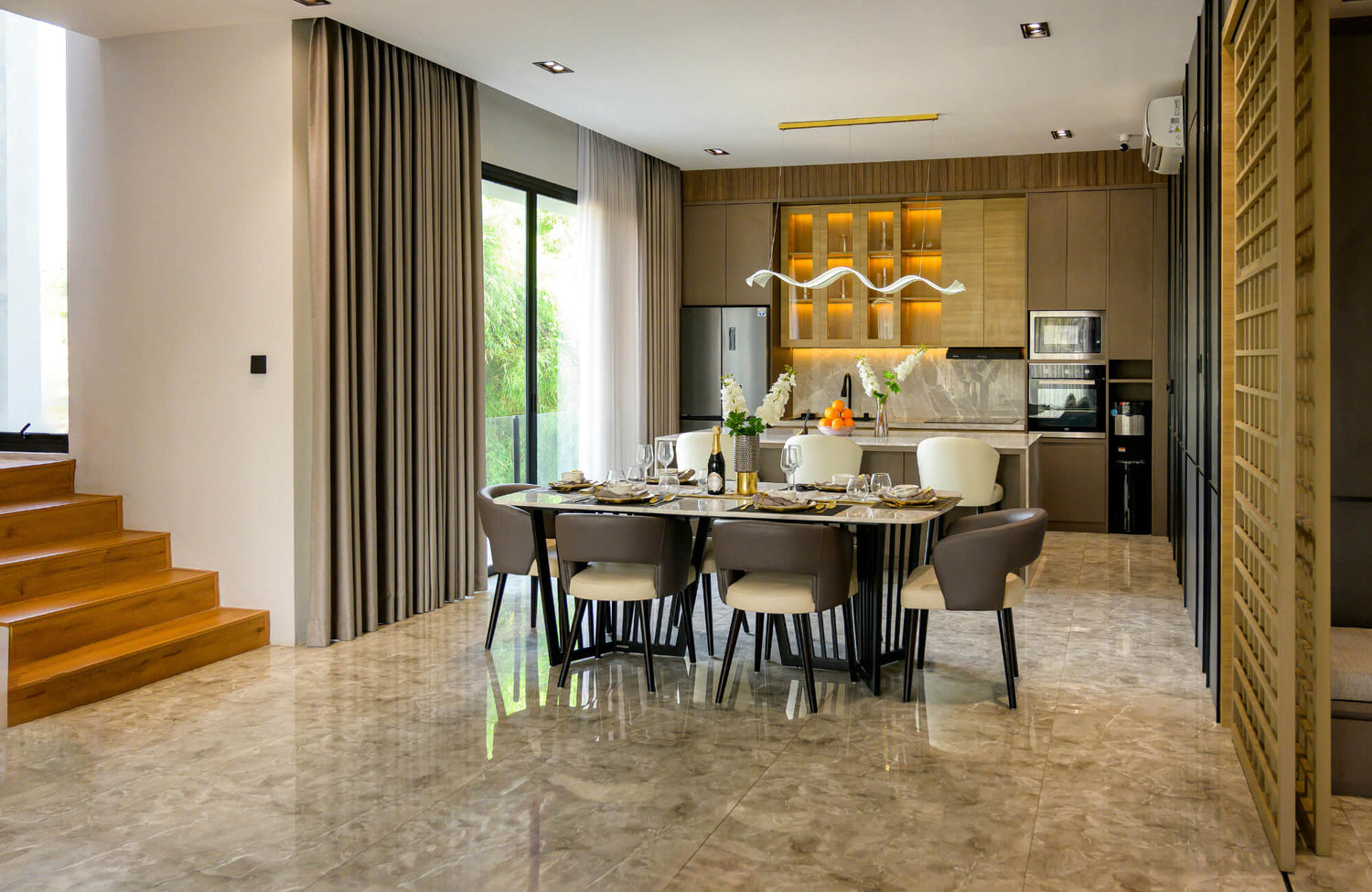
Lighting anchors the dining area.

Good choices:

  • Sculptural chandelier
  • Pendant cluster
  • Linear suspension light
  • Warm glass fixture
  • Fabric drum pendant

Lighting defines mood instantly.


Style the Dining Table Simply

Avoid overcrowded centerpieces.

Elegant table decor:

  • Ceramic vase with greenery
  • Sculptural bowl
  • Neutral runner
  • Candles in odd numbers
  • Low floral arrangement

The table should feel open for dining.


Use a Rug to Frame the Area

Image
Image
Image
Image

A rug anchors the zone visually.

Rules:

  • Rug extends beyond chairs
  • Flat weave for easy movement
  • Neutral or subtle pattern
  • Durable material

The rug unifies furniture.


Add a Feature Wall

A focal wall organizes the room.

Options:

  • Oversized artwork
  • Gallery wall
  • Painted accent colour
  • Wood paneling
  • Subtle wallpaper

One wall should hold attention.


Mix Chair Styles for Personality

Image
Image
Image
Image

Matching sets are optional.

Ideas:

  • Two head chairs + four side chairs
  • Mixed materials
  • Mixed colours within palette
  • Bench on one side
  • Upholstered ends

Variation adds character.


Add Storage with Style

Functional furniture doubles as decor.

Use:

  • Sideboard buffet
  • Display cabinet
  • Floating shelves
  • Bar cart
  • Console table

Storage should look intentional.


Bring in Natural Elements

Plants soften dining spaces.

Good additions:

  • Centerpiece greenery
  • Corner plant
  • Hanging plant
  • Ceramic planters
  • Fresh herbs

Nature adds life and texture.


Layer Textiles for Warmth

Soft materials prevent sterility.

Add:

  • Upholstered chairs
  • Linen curtains
  • Table textiles
  • Neutral rug
  • Fabric bench seat

Texture enhances comfort.


Use Mirrors for Expansion

Image
Image
Image
Image

Mirrors increase light and space perception.

Place:

  • Opposite window
  • Along long wall
  • Behind dining table

Reflection creates depth.


Keep Accessories Edited

Avoid visual clutter.

Limit to:

  • One centerpiece
  • One focal wall
  • Subtle shelving decor
  • Small greenery

Negative space is elegant.


Avoid Common Dining Decor Mistakes

Do not:

  • Crowd the table
  • Use harsh lighting
  • Oversize rugs
  • Mix clashing styles
  • Overpattern walls
  • Fill every surface

Restraint strengthens design.


Benefits of Thoughtful Dining Decor

Good decor improves:

  • Social atmosphere
  • Visual balance
  • Comfort
  • Mood
  • Perceived spaciousness
  • Style identity

Decor shapes experience.


Summary

Dining room decor ideas succeed through lighting, proportion, texture, and editing. Rugs, focal walls, mixed seating, and simple table styling create spaces that feel warm and intentional. Whether decorating a compact Noida apartment or a spacious Gurgaon dining area, the principles remain universal: balance, clarity, and personality.

A good dining room is not just seen.
It is experienced.

Dining Room Decor Ideas: 14 Ways to Elevate Your Space Read More Β»

Modern Dining Room Decor: 12 Clean Ideas for a Sophisticated Space

Image
Image
Image
Image

Modern dining room decor focuses on clarity, proportion, and intentional styling. The goal is a space that feels open, refined, and social without visual clutter. Modern design removes excess decoration and highlights form, light, and material contrast.

Across homes in Gurgaon, Noida, and Delhi NCR, modern dining rooms are styled as seamless extensions of living areas β€” cohesive, calm, and elegant.

This guide explains modern decor principles that elevate a dining space.


What Defines Modern Dining Decor?

Modern interiors prioritize structure over ornament.

Design thinking influenced by Bauhaus emphasizes function, geometry, and visual balance.

Core characteristics:

  • Clean lines
  • Neutral palette
  • Sculptural lighting
  • Minimal accessories
  • Material contrast
  • Open visual breathing space

Modern decor is deliberate and edited.


Start With a Neutral Base

Image
Image
Image
Image

Neutral tones create sophistication and flexibility.

Best base colours:

  • Warm white
  • Soft beige
  • Pale grey
  • Taupe
  • Natural wood

Accent colour should be controlled and minimal.


Make Lighting the Focal Point

Lighting is the centerpiece of modern dining rooms.

Choose fixtures that feel architectural:

  • Linear pendant bars
  • Sculptural chandeliers
  • Minimal globe lights
  • Matte metal pendants
  • Warm glass fixtures

Lighting anchors the table visually.


Keep Table Styling Minimal

Image
Image
Image
Image

Avoid crowded centerpieces.

Elegant options:

  • Single ceramic vase
  • Sculptural bowl
  • Low greenery arrangement
  • Neutral linen runner
  • One statement object

Restraint feels refined.


Use Material Contrast

Modern rooms rely on texture, not clutter.

Effective combinations:

  • Wood + black metal
  • Stone + upholstery
  • Glass + matte finishes
  • Leather + wood
  • Concrete + soft fabric

Contrast adds depth without decoration.


Add a Feature Wall

Image
Image
Image
Image

A feature wall gives the room structure.

Options include:

  • Oversized artwork
  • Wood slat panels
  • Textured plaster
  • Subtle wallpaper
  • Painted accent wall

Keep surrounding walls quiet.


Choose Sculptural Furniture

Furniture should feel intentional.

Look for:

  • Slim silhouettes
  • Open bases
  • Curved edges
  • Clean geometry
  • Minimal detailing

Furniture becomes visual architecture.


Use Mirrors for Expansion

Mirrors enhance light and depth.

Best placements:

  • Opposite windows
  • Along long dining walls
  • Behind the table
  • Full-height panels

Reflection increases perceived space.


Layer Soft Textiles

Modern decor still needs warmth.

Add:

  • Upholstered chairs
  • Neutral rug
  • Linen curtains
  • Fabric bench seating

Texture prevents sterility.


Maintain Visual Balance

Avoid overcrowding.

Limit decor to:

  • One focal wall
  • One centerpiece
  • Subtle shelving accents
  • Small greenery

Negative space is part of modern design.


Avoid Common Modern Dining Mistakes

Do not:

  • Overpattern surfaces
  • Mix too many colours
  • Use oversized furniture
  • Crowd the table
  • Install harsh lighting
  • Add excessive decor

Modern design thrives on editing.


Benefits of Modern Dining Decor

Thoughtful modern styling provides:

  • Visual calm
  • Social comfort
  • Perceived spaciousness
  • Timeless elegance
  • Easy maintenance
  • Cohesive atmosphere

Modern decor feels intentional.


Summary

Modern dining room decor succeeds through neutrality, lighting, and material contrast. Sculptural furniture, restrained styling, and clean palettes create dining spaces that feel refined and open. Whether decorating a compact Noida apartment or a spacious Gurgaon home, the principles remain universal: clarity, balance, and purpose.

Modern decor is not about less style.
It is about precise style.

Modern Dining Room Decor: 12 Clean Ideas for a Sophisticated Space Read More Β»
Colorful Dining Room Decor: 12 Bold Ideas That Still Feel Balanced

Image
Image
Image
Image

A colorful dining room should feel energetic and inviting without becoming chaotic. The key to successful colorful decor is balance β€” strong colour paired with structure, repetition, and restraint. When colour is intentional, the room feels lively rather than overwhelming.

In modern apartments and homes across Gurgaon, Noida, and Delhi NCR, colorful dining rooms are used to inject personality into otherwise neutral interiors.

This guide explains how to decorate with bold colour while keeping the space refined.


What Makes Colorful Decor Work?

Colour needs a system.

Design thinking influenced by Bauhaus emphasizes structure β€” even expressive interiors rely on composition and balance.

Core principles:

  • Choose a dominant colour
  • Add 1–2 accent colours
  • Repeat tones across the room
  • Ground colour with neutrals
  • Use negative space

Colour should feel curated, not random.


Choose a Clear Colour Story

Image
Image
Image
Image

A palette keeps colour intentional.

Popular combinations:

  • Teal + mustard + white
  • Terracotta + pink + wood
  • Blue + coral + neutral
  • Emerald + brass + cream
  • Multicolor chairs + neutral walls

Limit palette to avoid chaos.


Colorful Dining Chairs

Chairs are the easiest place to add colour.

Ideas:

  • Mixed-colour chair set
  • Upholstered bold fabric
  • Painted wood chairs
  • Transparent tinted chairs
  • Color-blocked seating

Chairs act as art pieces.


Statement Wall Colour

Image
Image
Image
Image

One strong wall anchors the room.

Options:

  • Deep jewel tone
  • Saturated matte paint
  • Graphic mural
  • Color-block wall
  • Textured wallpaper

Balance with neutral furniture.


Layer Colour Through Textiles

Soft surfaces add warmth.

Use:

  • Patterned rug
  • Vibrant curtains
  • Colourful table runner
  • Upholstered seating
  • Fabric wall art

Textiles soften bold colour.


Add Art as a Colour Anchor

Large artwork organizes colour visually.

Choose:

  • Abstract painting
  • Graphic print
  • Pop art style
  • Bold photography
  • Sculptural wall piece

Art should echo the palette.


Use Neutral Furniture as a Base

Colour shines best against calm foundations.

Ground colour with:

  • Wood table
  • Neutral cabinetry
  • White walls
  • Beige flooring
  • Soft grey tones

Neutral space gives colour room to breathe.


Colorful Lighting Accents

Image
Image
Image
Image

Lighting can double as decor.

Try:

  • Colored glass pendants
  • Sculptural painted fixture
  • Warm tinted bulbs
  • Artistic chandelier

Lighting becomes a focal piece.


Repeat Colours Around the Room

Repetition prevents randomness.

Echo colour in:

  • Chair upholstery
  • Artwork
  • Table decor
  • Rug pattern
  • Accessories
  • Lighting accents

Colour rhythm creates cohesion.


Balance Bright With Calm

Too much colour overwhelms.

Counterbalance with:

  • Empty wall space
  • Neutral tabletop
  • Simple tableware
  • Clean furniture lines
  • Soft lighting

Contrast creates harmony.


Avoid Common Colorful Decor Mistakes

Do not:

  • Use every colour at once
  • Skip neutral grounding
  • Mix clashing palettes
  • Overpattern surfaces
  • Crowd the table
  • Ignore lighting balance

Colour needs editing.


Benefits of Colorful Dining Decor

Thoughtful colour provides:

  • Energy
  • Social warmth
  • Personality
  • Emotional uplift
  • Visual interest
  • Memorable atmosphere

Colour shapes mood.


Summary

Colorful dining room decor succeeds through palette control, repetition, and neutral balance. Bold chairs, statement walls, art, and textiles add personality without chaos. Whether decorating a compact Noida apartment or a lively Gurgaon dining space, the principles remain universal: intention, rhythm, and restraint.

Colour is not noise.
It is design energy.

Colorful Dining Room Decor: 12 Bold Ideas That Still Feel Balanced Read More Β»

Modern Dining Room Decor Ideas: 12 Clean Looks That Feel Elevated

Image
Image
Image
Image

Modern dining room decor is defined by clarity, proportion, and restraint. A well-designed dining space should feel open, social, and visually calm. Modern interiors remove excess decoration and focus on strong forms, lighting, and material contrast.

In apartments and homes across Gurgaon, Noida, and Delhi NCR, modern dining rooms are designed as extensions of the living area β€” cohesive, elegant, and functional.

This guide explains modern decorating ideas that elevate a dining room without clutter.


What Defines Modern Dining Decor?

Modern decor prioritizes simplicity and purpose.

Design thinking influenced by Bauhaus emphasizes that beauty comes from function and proportion.

Core elements:

  • Clean lines
  • Neutral palette
  • Sculptural lighting
  • Minimal accessories
  • Material contrast
  • Open visual space

Modern decor is intentional, not empty.


Use a Neutral Base Palette

Image
Image
Image
Image

Neutral tones create sophistication.

Best foundations:

  • Warm white
  • Soft beige
  • Pale grey
  • Taupe
  • Natural wood tones

Add colour through small accents.


Statement Dining Lighting

Lighting is the centerpiece of modern dining rooms.

Choose:

  • Linear pendant lights
  • Sculptural chandeliers
  • Minimal globe fixtures
  • Matte metal pendants
  • Warm glass lighting

Lighting anchors the table visually.


Minimal Table Styling

Image
Image
Image
Image

Avoid overcrowded centerpieces.

Good styling:

  • Single sculptural vase
  • Low bowl with fruit
  • Ceramic object
  • Neutral runner
  • One floral arrangement

Less creates elegance.


Mix Materials for Depth

Modern interiors rely on contrast.

Combine:

  • Wood + metal
  • Stone + fabric
  • Glass + matte finishes
  • Leather + wood
  • Concrete + warm textures

Material variety prevents flatness.


Add a Feature Wall

Image
Image
Image
Image

A feature wall creates focus.

Options:

  • Large artwork
  • Textured panel
  • Painted accent wall
  • Wood slats
  • Wallpaper with subtle pattern

Keep the rest restrained.


Choose Sculptural Furniture

Modern dining chairs and tables should feel architectural.

Look for:

  • Slim silhouettes
  • Curved forms
  • Open bases
  • Clean edges
  • Minimal detailing

Furniture becomes art.


Use Mirrors for Expansion

Mirrors enlarge compact dining rooms.

Best placement:

  • Opposite window
  • Along one long wall
  • Behind dining table
  • Full-height panel mirror

Reflection adds depth.


Add Warm Textiles

Modern does not mean cold.

Use:

  • Upholstered chairs
  • Neutral rug
  • Linen curtains
  • Soft table runner

Texture adds comfort.


Keep Decor Balanced

Avoid over-accessorizing.

Limit decor to:

  • One focal piece
  • Subtle shelving accents
  • Neutral ceramics
  • Small greenery

Negative space is part of modern style.


Avoid Common Modern Dining Mistakes

Do not:

  • Use busy patterns
  • Add too many colors
  • Oversize furniture
  • Crowd the table
  • Install harsh lighting
  • Mix conflicting styles

Modern thrives on clarity.


Benefits of Modern Dining Decor

Strong modern design provides:

  • Visual calm
  • Social comfort
  • Perceived spaciousness
  • Timeless style
  • Easy maintenance
  • Elegant atmosphere

Modern decor feels intentional.


Summary

Modern dining room decor succeeds through simplicity, lighting, and material contrast. Neutral palettes, sculptural furniture, and restrained styling create dining spaces that feel open and refined. Whether decorating a compact Noida apartment or a spacious Gurgaon home, the principles remain universal: clarity, balance, and purpose.

Modern dining decor is not about adding more.
It is about choosing better.

Modern Dining Room Decor Ideas: 12 Clean Looks That Feel Elevated Read More Β»

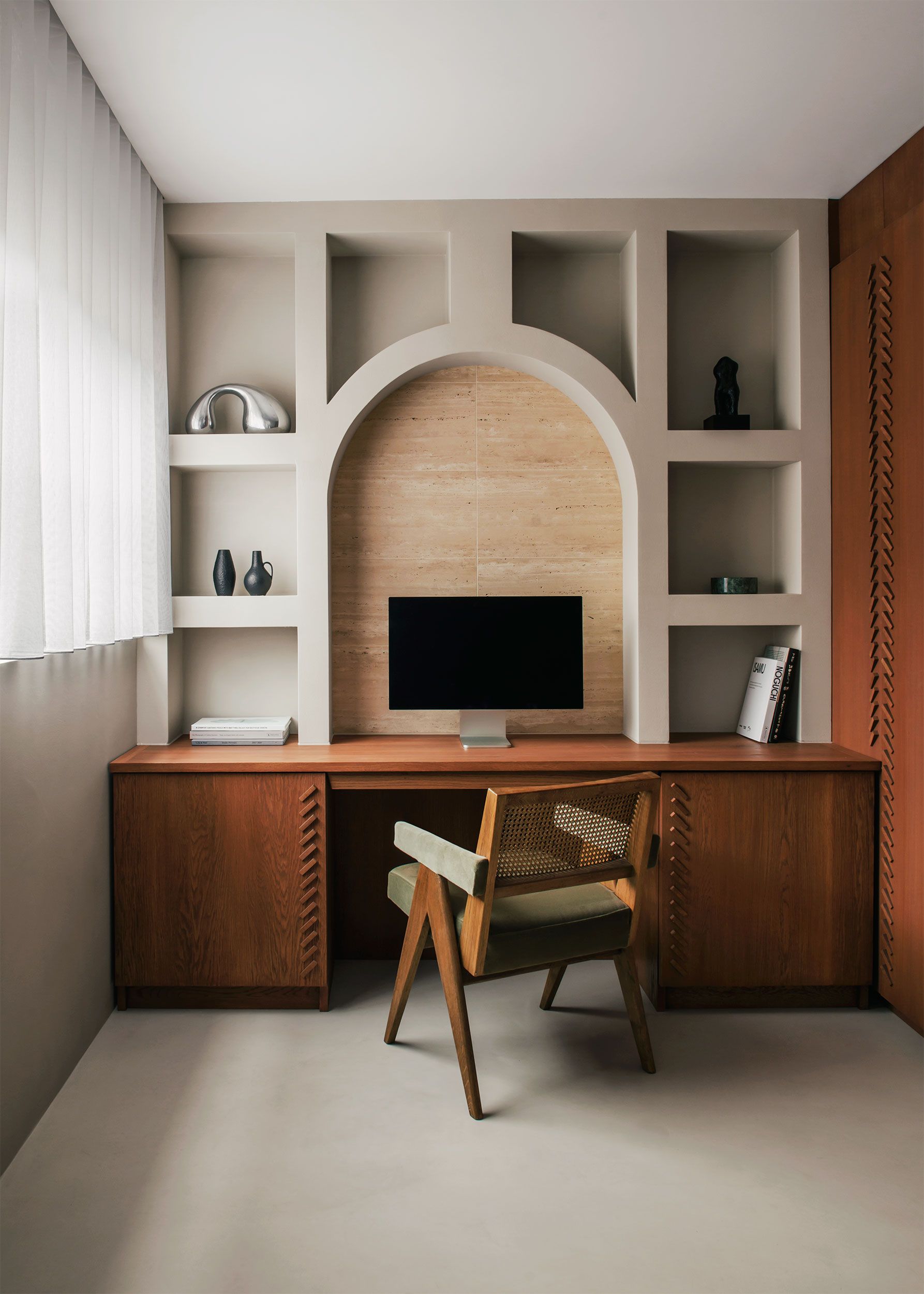
Home Office Design: 12 Principles for a Productive, Stylish Workspace

Image
Image
Image
Image

Home office design is about building a workspace that improves focus, comfort, and efficiency while blending into your home’s style. A well-designed office reduces fatigue, supports posture, and creates a mental boundary between work and rest.

Across modern homes in Gurgaon, Noida, and Delhi NCR, home offices are designed to feel calm, intentional, and integrated into daily living.

This guide explains the core design principles behind effective home office spaces.


What Defines Strong Home Office Design?

A good office is structured around function first.

Design philosophies influenced by Bauhaus emphasize that form should follow purpose. A workspace must serve how you work.

Core priorities:

  • Ergonomics
  • Lighting
  • Storage
  • Minimal distraction
  • Clear layout
  • Visual calm

Design should support productivity, not compete with it.


Choose the Right Location

The location shapes how the office functions.

Options include:

  • Dedicated room for full-time work
  • Bedroom corner for compact homes
  • Living room integrated desk
  • Hallway niche workstation
  • Window-facing desk zone

Choose the quietest, brightest area available.


Ergonomic Layout First

Image
Image
Image
Image

Comfort determines long-term performance.

Essentials:

  • Chair with lumbar support
  • Desk at elbow height
  • Monitor at eye level
  • Feet flat on floor
  • Keyboard aligned with wrists

Physical strain reduces productivity.


Use Layered Lighting

Lighting should prevent eye fatigue.

Combine:

  • Natural daylight
  • Adjustable desk lamp
  • Soft ambient lighting
  • Warm LED bulbs
  • Glare-free screen positioning

Light affects energy and mood.


Keep the Desk Surface Clear

A clean desk improves mental clarity.

Limit visible items to:

  • Laptop or monitor
  • Lamp
  • Notebook
  • Plant
  • Tray organizer

Clutter increases distraction.


Vertical Storage Strategy

Image
Image
Image
Image

Use walls instead of desk space.

Solutions:

  • Floating shelves
  • Pegboards
  • Wall cabinets
  • Grid organizers
  • Built-in shelving

Vertical storage protects surface space.


Colour for Focus

Colour influences concentration.

Best office palettes:

  • Warm white
  • Soft grey
  • Muted blue
  • Pale green
  • Natural wood tones

Avoid high-contrast bright colours.


Integrate Technology Cleanly

Hidden tech improves calm.

Use:

  • Cable trays
  • Wireless accessories
  • Monitor arms
  • Charging drawer
  • Concealed outlets

Visible cables create visual noise.


Add Natural Elements

Image
Image
Image
Image

Nature improves mood and air quality.

Good additions:

  • Snake plant
  • Pothos
  • Small ficus
  • Ceramic planters
  • Wooden textures

Organic elements soften the space.


Define the Work Zone

If sharing space:

  • Use a rug to anchor desk
  • Add a small divider
  • Position desk against a wall
  • Create visual boundaries
  • Keep office items contained

Separation improves work-life balance.


Personalise with Restraint

Add identity without clutter.

Examples:

  • One artwork piece
  • Minimal photo frame
  • Meaningful object
  • Neutral decor accents

Decoration should inspire, not distract.


Avoid Common Home Office Design Mistakes

Do not:

  • Work from the bed or sofa
  • Use harsh lighting
  • Ignore ergonomics
  • Overdecorate walls
  • Block natural light
  • Crowd the desk

Comfort and clarity are essential.


Benefits of Good Home Office Design

Thoughtful design improves:

  • Productivity
  • Posture and health
  • Focus
  • Mood
  • Work-life separation
  • Efficiency

Environment shapes performance.


Summary

Home office design succeeds through ergonomics, lighting, storage, and visual calm. Whether creating a compact apartment corner or a dedicated workspace, the principles remain universal: clarity, comfort, and intention. In modern Noida and Gurgaon homes, well-designed offices blend seamlessly into interiors while supporting serious work.

A good workspace is not decorative.
It is engineered for focus.

Home Office Design: 12 Principles for a Productive, Stylish Workspace Read More Β»

Home Office Inspiration: 12 Stylish & Productive Workspace Ideas

Image
Image
Image

Home office inspiration brings together comfort, style, and productivity. A well-designed workspace boosts focus and mood while fitting naturally into your home’s aesthetic. The best home offices feel intentional β€” not cluttered β€” and reflect your workflow and personality.

Here are inspiring ideas you can adapt to your space.


1. Calm Minimalist Workspace

Keep the design clean and focused.

  • Neutral palette (warm whites, soft greys)
  • Sleek desk with minimal clutter
  • Subtle decor (one artwork, small plant)
  • Hidden storage to keep surfaces clear

This style enhances concentration.


2. Corner Office Nook

Turn an unused corner into a dedicated zone.

  • Compact desk and ergonomic chair
  • Floating shelves for books and supplies
  • Accent lighting for ambience
  • Low visual weight furniture

Perfect for small apartments and multi-use spaces.


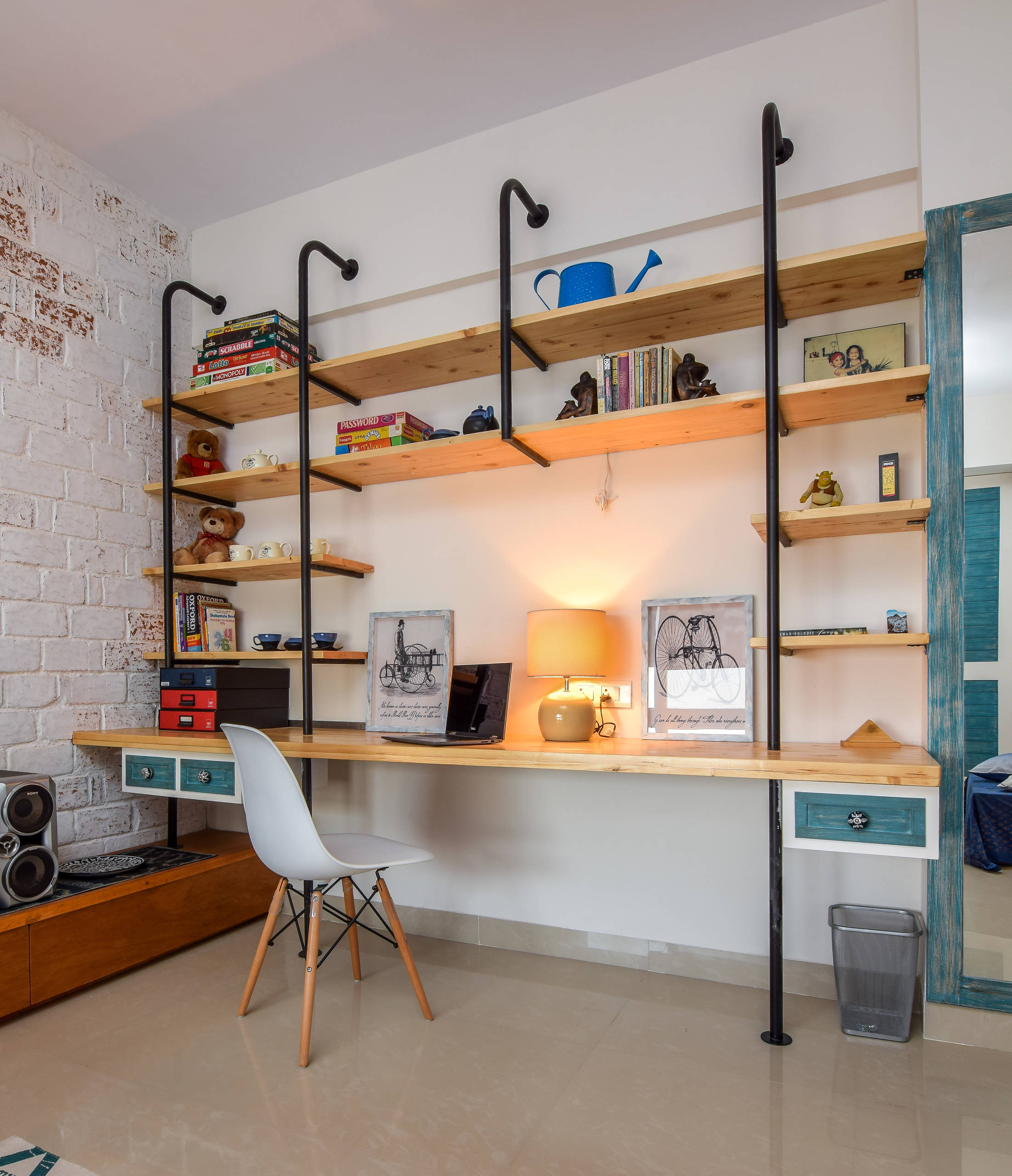
3. Built-In Wall Desk Setup

Create a custom feel with integrated storage.

  • Wall-to-wall shelving above desk
  • Hidden cable management
  • Under-desk drawers
  • Coordinated material palette

This maximises vertical space and keeps your workflow organized.


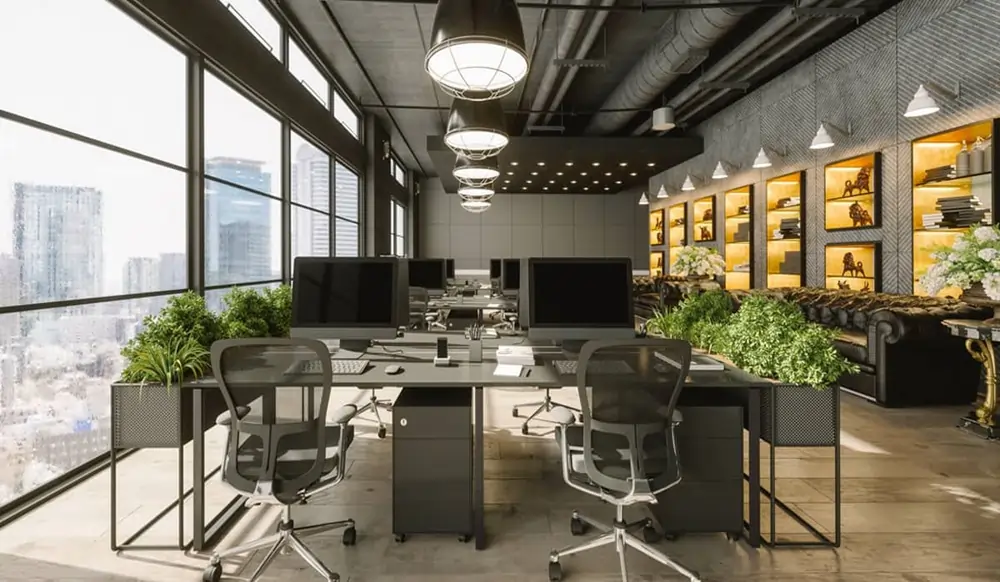
4. Open Plan Office Zone

In open layouts, define the office without walls.

  • Use a rug to anchor the workspace
  • Console or bookshelf as zone divider
  • Matching tones with living area
  • Stylish chair to bridge comfort and decor

A cohesive extension of your main living space.


5. Natural Light Focus

Let daylight lead the design.

  • Desk facing or beside a window
  • Sheer curtains to diffuse light
  • Reflective surfaces to amplify brightness
  • Light tonnes to open up the room

Natural light improves mood and reduces eye strain.


6. Green & Calming Workspace

Plants make any office feel welcoming.

  • Snake plant or pothos for low maintenance
  • Ceramic or woven planters for texture
  • Small desk plants for focussed work zone
  • Vertical greenery if floor space is limited

Plants soften hard lines and improve air quality.


7. Creative & Artistic Hub

Make your office a place that sparks ideas.

  • Wall art or a vision board
  • Colourful stationery neatly displayed
  • Cork or grid board for inspiration
  • Personalised objects that motivate

Organisation + personality inspires creativity.


8. Elegant Executive Office

For larger spaces or formal work from home.

  • Rich wood or stone desk finishes
  • Structured shelving and cabinets
  • Layered lighting (ambient + task)
  • Comfortable, supportive seating

A refined look that still feels lived-in.


9. Dual Purpose Zones

Combine work with other needs without clashing.

  • Stylish fold-away desk
  • Modular shelving that can hide work items
  • Desk that doubles as vanity or craft table
  • Room divider to separate work and play

Flexibility is key in smaller homes.


10. Warm & Cozy Work Corner

Soft textures promote comfort without distraction.

  • Area rug under work zone
  • Upholstered desk chair
  • Warm ambient lighting
  • Textured throw or cushions nearby

Comfort supports long work sessions.


11. Tech-Smart Productivity Setup

Organise tech for efficiency.

  • Monitor arm for screen height
  • Wireless accessories
  • Hidden charging station
  • Cable trays and clips

A clean tech setup keeps focus sharp.


12. Personalised Inspiration Wall

Build a mood or idea board.

  • Gallery of favourite prints
  • Inspirational quotes
  • Calendar and to-do boards
  • Floating shelves with objects that motivate

Visual focus anchors work habits.


Quick Inspiration Summary

Focus on:

  • Light: Natural + layered lighting
  • Clarity: Clear desk + smart storage
  • Comfort: Ergonomic seating + soft textiles
  • Personality: Meaningful art and plants
  • Flow: Defined work zone within your home

Great home office inspiration balances function and feeling. Whether designing a small apartment corner in Noida or a dedicated office room in Gurgaon, the same principles apply: calm palette, smart organisation, and intentional details.

A home office should not feel like work from home.
It should feel like working well at home.

Home Office Inspiration: 12 Stylish & Productive Workspace Ideas Read More Β»

Home Office Decorating: 12 Smart Ideas for a Stylish Workspace

Image
Image
Image
Image

Home office decorating should support focus while adding warmth and personality. A workspace that feels visually calm and intentional improves productivity and mood. Decoration is not about filling space β€” it is about creating an environment that encourages clear thinking.

In apartments and homes across Gurgaon, Noida, and Delhi NCR, decorated workspaces are designed to blend with interiors while staying functional.

This guide explains professional decorating strategies for a balanced home office.


What Makes Good Home Office Decor?

Workspace decor should enhance function, not distract.

Design principles influenced by Bauhaus emphasize purposeful simplicity β€” every element should serve a role.

Core decorating goals:

  • Visual calm
  • Clear desk surface
  • Soft colour palette
  • Personal identity
  • Good lighting
  • Organized storage

Decoration should support concentration.


Use a Calm Colour Palette

Image
Image
Image
Image

Colour influences mental clarity.

Best office palettes:

  • Warm white
  • Soft beige
  • Pale grey
  • Muted blue
  • Light earth tones

Avoid overly bright colours.


Decorate Vertically

Wall space reduces desk clutter.

Vertical ideas:

  • Floating shelves
  • Wall grid organizers
  • Pegboards
  • Minimal gallery wall
  • Hanging planters

Use height instead of surface crowding.


Add One Statement Artwork

Image
Image
Image
Image

One focal piece anchors the workspace.

Choose:

  • Abstract art
  • Typography print
  • Calm landscape
  • Minimal photography

Avoid busy wall clutter.


Bring in Natural Elements

Plants soften work environments.

Good options:

  • Snake plant
  • Pothos
  • Small ficus
  • Dried grasses
  • Ceramic planters

Nature improves mood and air quality.


Layer Soft Lighting

Lighting doubles as decor.

Use:

  • Warm desk lamp
  • Floor lamp
  • Wall sconces
  • Hidden LED strip
  • Natural daylight

Soft lighting prevents eye strain.


Keep the Desk Minimal

Clear surfaces support clarity.

Limit desk decor to:

  • Lamp
  • Plant
  • Tray organizer
  • Notebook
  • One personal object

Crowded desks increase stress.


Add Texture for Warmth

Texture prevents sterile spaces.

Use:

  • Area rug
  • Linen curtains
  • Upholstered chair
  • Woven basket
  • Soft textiles

Texture adds comfort without clutter.


Hide Cables and Supplies

Organization is decoration.

Solutions:

  • Cable clips
  • Drawer organizers
  • Storage boxes
  • Closed cabinets
  • Desk trays

Visual order equals calm.


Personalise with Intention

Add identity without distraction:

  • Family photo
  • Travel object
  • Favourite book
  • Meaningful art
  • Small sculpture

Decor should inspire, not overwhelm.


Avoid Common Home Office Decorating Mistakes

Do not:

  • Overdecorate walls
  • Use harsh lighting
  • Mix too many colours
  • Crowd the desk
  • Ignore ergonomics
  • Add distracting objects

Balance improves focus.


Benefits of Thoughtful Office Decor

Good decorating improves:

  • Productivity
  • Mood
  • Focus
  • Comfort
  • Creativity
  • Work-life separation

Environment shapes performance.


Summary

Home office decorating succeeds through restraint, calm colours, vertical styling, and intentional personal touches. Clear desks, soft lighting, and natural textures create spaces that support productivity and wellbeing. Whether styling a compact Noida apartment corner or a dedicated Gurgaon office, the principles remain universal: clarity, warmth, and purpose.

A decorated office should not distract. It should support work.

Home Office Decorating: 12 Smart Ideas for a Stylish Workspace Read More Β»

Home Offices Designs: 12 Smart Layouts for Productive Spaces

Image
Image
Image
Image

Home office designs must balance productivity, comfort, and aesthetics. A good workspace reduces distraction, supports posture, and fits naturally into the home environment. Whether working full-time or occasionally, intentional design improves focus and energy.

Across homes in Gurgaon, Noida, and Delhi NCR, home offices are increasingly integrated into living spaces without sacrificing style.

This guide explains practical design strategies for creating an efficient and attractive home office.


What Defines a Good Home Office Design?

A strong home office supports workflow and wellbeing.

Design principles influenced by Bauhaus emphasize function-first thinking β€” form should serve purpose.

Core priorities:

  • Ergonomic seating
  • Clear desk surface
  • Good lighting
  • Smart storage
  • Minimal distraction
  • Defined work zone

The workspace should encourage concentration.


Dedicated Room Office

Image
Image
Image
Image

A separate room provides maximum focus.

Key features:

  • Large desk surface
  • Closed storage
  • Sound control
  • Neutral calming palette
  • Adjustable lighting
  • Comfortable chair

This suits full-time remote work.


Small Apartment Office Corner

Compact homes can still host efficient offices.

Solutions:

  • Wall-mounted desk
  • Corner workstation
  • Fold-down table
  • Slim shelving
  • Vertical storage
  • Laptop-focused setup

Small offices depend on editing.


Built-In Wall Office

Image
Image
Image
Image

Built-ins maximize vertical space.

Benefits:

  • Seamless storage
  • Clean appearance
  • Hidden cables
  • Efficient footprint
  • Architectural feel

Perfect for compact layouts.


Living Room Integrated Office

Shared spaces need visual harmony.

Design tips:

  • Match desk finish to furniture
  • Use decorative storage boxes
  • Hide cables
  • Choose stylish chair
  • Keep palette cohesive

The office should blend into decor.


Bedroom Workspace Design

Image
Image
Image
Image

Bedroom offices require calm design.

Rules:

  • Avoid facing bed directly
  • Keep surfaces minimal
  • Use soft lighting
  • Maintain neutral colours
  • Hide work clutter

Work zones should not disturb rest.


Ergonomic Furniture Essentials

Comfort prevents fatigue.

Must-haves:

  • Adjustable chair
  • Desk at elbow height
  • Monitor at eye level
  • Foot support
  • Wrist-friendly keyboard placement

Health supports productivity.


Lighting Strategy

Image
Image
Image
Image

Lighting affects focus.

Combine:

  • Natural daylight
  • Task desk lamp
  • Soft ambient light
  • Warm tone bulbs

Avoid glare on screens.


Storage Without Clutter

Smart storage keeps surfaces clear.

Options:

  • Floating shelves
  • Drawer units
  • Pegboards
  • Filing cabinets
  • Hidden boxes

Clear desk equals clear mind.


Colour Psychology for Offices

Colour influences concentration.

Good choices:

  • Soft grey for neutrality
  • Warm white for calm
  • Pale green for focus
  • Muted blue for clarity
  • Natural wood tones

Avoid overstimulation.


Personalisation Without Distraction

Add identity without clutter:

  • One artwork piece
  • Small plant
  • Meaningful object
  • Neutral textiles
  • Minimal decor

Personality should support work.


Avoid Common Home Office Mistakes

Do not:

  • Work from the bed or sofa
  • Use harsh lighting
  • Ignore ergonomics
  • Overdecorate desk
  • Place screen in glare
  • Skip storage

Comfort and clarity are essential.


Benefits of Good Home Office Design

Thoughtful offices improve:

  • Focus
  • Productivity
  • Physical health
  • Mental clarity
  • Work-life boundaries
  • Daily comfort

Design shapes performance.


Summary

Home office designs succeed through ergonomics, lighting, storage, and visual calm. Whether a dedicated room or a compact apartment corner, the principles remain universal: function, comfort, and clarity. In modern Gurgaon and Noida homes, well-designed workspaces blend seamlessly into interiors while supporting serious productivity.

A good home office does not distract. It enables.

Home Offices Designs: 12 Smart Layouts for Productive Spaces Read More Β»

Interior Design: 12 Core Principles That Shape Beautiful Spaces

Image
Image
Image
Image

Interior design is the art and science of shaping indoor spaces to improve how they function and feel. It combines architecture, furniture, lighting, colour, and texture to create environments that support daily life while expressing personality.

In modern homes across Gurgaon, Noida, and Delhi NCR, interior design focuses on clarity, comfort, and intentional styling β€” spaces that feel calm, efficient, and welcoming.

This guide explains the essential principles that define strong interior design.


What Is Interior Design?

Interior design is not decoration alone. It is a structured discipline that balances:

  • Function
  • Aesthetics
  • Ergonomics
  • Light
  • Scale
  • Movement

Design movements influenced by institutions like Bauhaus established the idea that beauty and function must coexist. A well-designed interior improves everyday living.

Interior design is how a space works, not just how it looks.


1. Balance

Balance distributes visual weight evenly.

Types of balance:

  • Symmetrical (formal and calm)
  • Asymmetrical (casual and dynamic)
  • Radial (circular layouts)

Balanced rooms feel stable and restful.


2. Proportion and Scale

Furniture must match room size.

Guidelines:

  • Oversized furniture overwhelms small rooms
  • Tiny pieces feel lost in large spaces
  • Leave visible floor space
  • Maintain air between objects

Scale determines comfort.


3. Harmony and Cohesion

Image
Image
Image
Image

A strong interior feels unified.

Create harmony through:

  • Repeated colours
  • Consistent materials
  • Similar shapes
  • Controlled palette
  • Complementary textures

Cohesion prevents visual noise.


4. Focal Points

Every room needs an anchor.

Common focal points:

  • Fireplace
  • Artwork
  • Accent wall
  • Statement lighting
  • Large window
  • Feature furniture

A focal point organizes attention.


5. Lighting Layers

Image
Image
Image
Image

Lighting defines atmosphere.

A balanced interior uses:

  • Ambient light (overall glow)
  • Task light (function)
  • Accent light (depth)
  • Decorative light (style)

Layered lighting replaces harsh brightness.


6. Colour Strategy

Colour influences emotion.

Common approaches:

  • Neutral base + accents
  • Monochrome layering
  • Earthy tones
  • Soft contrast
  • Warm palettes for comfort

Colour should support mood.


7. Texture and Material Contrast

Texture adds depth.

Combine:

  • Wood
  • Fabric
  • Stone
  • Glass
  • Metal
  • Natural fibres

Texture prevents flat interiors.


8. Negative Space

Empty space is intentional.

Benefits:

  • Visual calm
  • Better movement
  • Highlighted focal points
  • Reduced stress
  • Perceived spaciousness

Space is part of design.


9. Function First

Design must serve daily life.

Ask:

  • How is the room used?
  • Where do people walk?
  • What needs storage?
  • How long do people sit?
  • What lighting is needed?

Function guides form.


10. Movement and Flow

Rooms should feel easy to navigate.

Maintain:

  • Clear pathways
  • Open sightlines
  • Logical furniture placement
  • Comfortable spacing

Good flow reduces friction.


11. Personal Identity

Design should reflect the resident.

Personal elements:

  • Art
  • Books
  • Travel objects
  • Family pieces
  • Favourite colours
  • Meaningful textures

Identity prevents generic interiors.


12. Editing

Good design removes excess.

Avoid:

  • Overcrowding
  • Too many styles
  • Excess accessories
  • Visual clutter
  • Competing colours

Editing strengthens impact.


Benefits of Strong Interior Design

Thoughtful interiors provide:

  • Emotional comfort
  • Better functionality
  • Visual clarity
  • Increased property value
  • Reduced stress
  • Strong identity

Design shapes daily experience.


Summary

Interior design succeeds through balance, scale, light, colour, and intention. When function leads aesthetics, spaces feel calm, efficient, and expressive. Whether designing a compact Noida apartment or a spacious Gurgaon residence, the principles remain universal: clarity, harmony, and purpose.

Interior design is not decoration. It is structured living.

Interior Design: 12 Core Principles That Shape Beautiful Spaces Read More Β»

Apartment Decor: 12 Smart Ideas to Maximize Style and Function

Image
Image
Image
Image

Apartment decor transforms a house into a home β€” making spaces feel personal, comfortable, and visually balanced. Because apartments often have limited square footage, thoughtful decor plays a key role in maximizing space, light, and utility without overcrowding.

In cities like Gurgaon, Noida, and across Delhi NCR, strong apartment decor balances style with practicality.

This guide explains creative and intentional decor ideas for every part of your apartment.


What Is Apartment Decor?

Apartment decor refers to decorative and functional styling choices that enhance interiors without structural renovation. It includes furniture, accessories, lighting, textiles, art, and layout decisions that support comfort and daily living.

Good apartment decor harmonizes:

  • Colour
  • Texture
  • Scale
  • Lighting
  • Function

The goal is spaces that feel open, inviting, and purposeful.


1. Start With a Light Colour Palette

Image
Image
Image

Light colours make spaces feel larger and brighter.

Best choices:

  • Warm white
  • Soft beige
  • Pale grey
  • Light earth tones

Use deeper accent colours through accessories, not walls.


2. Maximise Natural Light

Walls and windows should work for you.

Tips:

  • Use sheer or light curtains
  • Keep window areas uncluttered
  • Place mirrors opposite windows to reflect light
  • Avoid heavy dark drapes

Natural light opens perception.


3. Define Zones in Open Plans

Image
Image
Image

In open apartments, use decor to define areas.

Strategies:

  • Rugs under seating zones
  • Console tables to separate living and dining
  • Low shelves as room dividers
  • Curtains or screens for flexible partitioning

Visual boundaries create structure.


4. Choose Multi-Functional Furniture

Image
Image
Image
Image

Small spaces benefit from furniture that does more:

  • Sofa beds
  • Storage ottomans
  • Nested tables
  • Extendable dining tables
  • Wall desks

Function replaces clutter.


5. Bring in Textures

Textures add warmth and dimension without crowding.

Try:

  • Area rugs
  • Cushions and throws
  • Woven baskets
  • Linen curtains
  • Wooden or cane furniture

Texture makes spaces feel layered and cosy.


6. Layer Lighting

Image
Image
Image
Image

Good lighting adds mood and depth:

  • Ambient ceiling light
  • Task lighting (desk, reading)
  • Accent lighting (wall sconces, table lamps)
  • Hidden LED strips

Warm lighting enhances comfort.


7. Create Focal Points

Every zone needs a visual anchor.

Ideas:

  • Statement artwork
  • Accent wall
  • Unique rug
  • Sculptural lighting
  • Feature headboard

Focus gives purpose to decor.


8. Personalise With Art and Accessories

Image
Image
Image

Accessories give personality.

Use:

  • Wall art
  • Sculptural objects
  • Indoor plants
  • Ceramics and vases
  • Books and trays

Group items β€” avoid spreading clutter.


9. Add Greenery

Plants bring life and softness.

Good choices:

  • Snake plant
  • Fiddle leaf fig
  • Pothos
  • Ferns
  • Succulents

Plants improve air quality and mood.


10. Keep Surfaces Clean and Minimal

Avoid overcrowding:

  • Clear countertops
  • Limit decorative clusters
  • Use trays or bowls for small items
  • Keep shelving curated

Minimal surfaces feel open.


11. Kitchen & Bathroom Decor

Small utilitarian areas benefit from simple styling:

  • Matching containers
  • Coordinated textiles (rugs, towels)
  • Small cutting boards or trays
  • Potted herbs or plants
  • Wall hooks for organisation

Cohesion matters even in utility zones.


12. Seasonal Refresh

Update decor with seasons:

  • Light textiles in summer
  • Warm throws in winter
  • Seasonal plants
  • Colours that reflect mood

Rotation keeps spaces dynamic.


Summary

Apartment decor is about balance and intention. Light palettes, layered lighting, multi-functional furniture, and curated accessories create homes that feel open and comfortable. Whether decorating a compact Noida studio or a spacious Gurgaon apartment, the same principles apply: clarity, cohesion, and purpose.

Great apartment decor doesn’t just look good.
It feels right.

Apartment Decor: 12 Smart Ideas to Maximize Style and Function Read More Β»

Home Office Setups: Practical & Stylish Ideas for Productive Workspaces

Home office setups should be functional, comfortable, and inspiring. Whether you’re working full-time, studying, or just need a dedicated corner for bills and planning, a well-designed workspace improves focus and reduces fatigue. Experts emphasize choosing a designated spot and equipping it with the right furniture and lighting to make your home office feel intentional and efficient. (tribeloo.com)

Here are smart home office setup ideas you can adapt to your space and style.


1. Dedicated Desk Area

Start with a solid foundation:

  • Work desk: Choose a size that fits your workload β€” compact desks for laptops, wider desks for dual screens.
  • Ergonomic chair: Adjustable height and good lumbar support help maintain posture and reduce strain.
  • Place your desk near a window if possible for natural light β€” it enhances mood and visual comfort. (The Sleep Company)

2. Small Space & Multi-Functional Setups

Even tiny homes or apartments can support a home office:

  • Use floating desks that mount to walls to save floor space.
  • Fold-away tables can tuck away when the workday is over.
  • A narrow corner desk or a wall niche can become a functional workstation. (studio-shed.com)

3. Vertical Storage & Organization

Maximize storage without cluttering your desk:

  • Floating shelves keep books and supplies off the desktop.
  • Pegboards or grid organizers hold tools and accessories, freeing up visual space.
  • Use under-desk drawers or bins to hide cables and supplies while keeping them within reach. (Mount-It!)

4. Ergonomic & Functional Furniture

Comfort and productivity go hand in hand:

  • Choose a desk with adjustable height or an add-on riser to switch between sitting and standing. (Ergonomics matter for long hours.) (Lenovo)
  • Office chairs with lumbar support and adjustable features protect your back.
  • Keep essentials at arm’s reach and move non-essentials off your workspace to reduce eye and mental strain.

5. Zone Integration & Layout

Arrange your setup so it feels intentional:

  • If your home office is part of another room, use a rug, low shelf, or divider to define the zone. (Copenhagen Imports)
  • In bigger areas, try an L-shaped layout with storage on one side and workspace on the other. (Lifewire)
  • Ensure outlets, internet access, and lighting are positioned conveniently.

6. Lighting That Supports Work

Good lighting boosts productivity:

  • Natural light should be the first choice.
  • Use task lamps for focused work and ambient lighting for overall comfort.
  • Position screens to avoid glare from windows. (IKEA)

7. Personalised & Inspiring Touches

Make the space feel your own:

  • Add greenery or plants for calm ambience and improved air quality. (Homes and Gardens)
  • Display meaningful art or photos β€” this can boost motivation.
  • Use colour accents or textured elements that make the space feel alive.

8. Efficient Cable & Tech Management

A tidy tech setup keeps your workspace efficient:


Quick Setup Checklist

  • Dedicated desk and chair
  • Natural and task lighting
  • Vertical storage (shelves, pegboards)
  • Ergonomic layout
  • Defined zone (if shared space)
  • Personalised decor
  • Hidden cables and neat tech

Summary

A great home office setup combines function, comfort, and personal style. Start with a designated space and the right desk and chair, maximise storage vertically, focus on layered lighting, and add personal touches that enhance focus and comfort. Even small spaces can become productive workstations with clever furniture choices and organisation. Use these ideas to reflect your workflow and lifestyle β€” intentional design supports both productivity and well-being. (IKEA)

Home Office Setups: Practical & Stylish Ideas for Productive Workspaces Read More Β»

Mixed Media Furniture Ideas for Your Living Room

Mixed media furniture refers to pieces that combine different materials β€” such as wood with metal, fabric with cane, or glass with stone β€” to create unique, layered looks that feel curated and balanced. It’s similar to the design concept of mixing art mediums together to add depth and personality. In interiors, this approach adds texture, contrast, and visual interest without compromising functionality. (YouTube)

Key Benefits of Mixed Media Furniture

  • Visual depth: Different materials catch the eye and create richness. (Pepperfry)
  • Versatility: Works with modern, eclectic, traditional, or transitional interiors. (Pepperfry)
  • Personalised styling: Combining styles and textures expresses your design taste. (YouTube)
  • Durability & function: Material combinations often enhance strength or comfort. (YouTube)

Living Room Mixed Media Furniture Picks

Vedic 3 Seater Mixed Media Sofa

β‚Ή45,989

Rattan Cane Work Two Seater Sofa

β‚Ή17,099.05

Rose Sheesham 3+1+1 Sofa Set

β‚Ή65,000

FURNY Mintona L Shape Sofa Set

β‚Ή22,949

Teakwood Art Sofa Set

β‚Ή2,00,000

Wooden Sofa Set with Center Table

β‚Ή31,999

Mixed Material Seating & Statement Pieces


How to Style Mixed Media Furniture

1. Balance Materials
Pair heavy materials (wood, metal) with lighter textures (fabric, cane) to avoid visual clutter. (Pepperfry)

2. Tie Pieces Together
Create cohesion with shared colour accents, such as cushions or throws that pick up tones from different materials. (livingdesignsfurniture.com)

3. Maintain Scale & Proportion
Ensure furniture fits the room β€” large pieces should anchor the space, while lighter items add contrast without overwhelming it. (Treehouse Interiors)

4. Choose an Anchor Element
Start with one statement piece (e.g., a mixed wood sofa or centre table) and build the rest of the layout around it. (Alankaram)


Mixed Media Styling Tips

  • Wood + Metal: Adds industrial edge to traditional warmth. (Pepperfry)
  • Fabric + Cane: Softens contemporary spaces with organic texture. (Pepperfry)
  • Stone + Wood: Creates luxury focal pieces like coffee tables or consoles. (Pepperfry)
  • Leather + Wood: Classic contrast for timeless living rooms. (Pepperfry)

Summary

Mixed media furniture combines different materials and textures to create depth, character, and individuality in your living room. Use it to blend styles β€” modern with traditional, rustic with contemporary β€” while maintaining cohesion through colour, proportion, and anchor pieces. Whether you choose bold statement sofas or textured wood-and-cane seating, mixed media furniture adds a layered, curated feel to your home. (YouTube)

Mixed Media Furniture Ideas for Your Living Room Read More Β»

Living Room Furniture Essentials & Stylish Picks

Saket 3 Seater Ash Wood Cane Sofa

β‚Ή69,989

Home Centre Helios 3‑Seater Sofa

β‚Ή24,999

Home Centre Berry Fabric 3‑Seater Sofa

β‚Ή16,999

Nilkamal Aspire 3+1+1 Seater Sofa Set

β‚Ή30,030

Wakefit Barcelona Single Seater Sofa

β‚Ή19,038

IKEA VIHALS TV Bench

β‚Ή9,990

Top Living Room Furniture Options for Comfort & Style

Saket 3 Seater Ash Wood Cane Sofa β€” Premium wooden frame sofa with cane detailing and neutral upholstery. Stylish centre seating that blends modern and natural aesthetics.

Home Centre Helios 3‑Seater Sofa β€” Spacious, comfortable 3-seater sofa with clean, modern lines. Great as the main seating piece in contemporary living rooms.

Home Centre Berry Fabric 3‑Seater Sofa β€” Budget-friendly sofa with soft fabric upholstery, ideal for casual and family setups.

Nilkamal Aspire 3+1+1 Seater Sofa Set β€” Complete 3+1+1 seating set that includes a main sofa and two lounge chairs, perfect for medium to large living rooms.

Wakefit Barcelona Single Seater Sofa β€” Comfortable accent chair that works as extra seating or reading nook furniture.

IKEA VIHALS TV Bench β€” Sleek TV stand/bench that pairs well with sofas and keeps media components organized.


Key Living Room Furniture Types

Sofa / Seating

  • Sofa: Central anchor for comfort and social gatherings. Choose size based on space: 2–3 seater for apartments, sectional or 3+1+1 set for larger rooms. (designerliving.com)
  • Armchairs & Accent Chairs: Add extra seating and style diversity. (Parachute Home)
  • Ottomans or Sofa Beds: Multifunctional seating or guest sleeping option. (Mare Blu)

Tables

  • Coffee Table: Central surface for drinks, books, and decor β€” anchor of seating layouts. (designerliving.com)
  • Side / End Tables: Complement sofas and chairs with functional surfaces. (Parachute Home)

Media & Storage

  • TV Unit / Media Console: Keeps electronics, cables, and accessories neat. (Wooden Street)
  • Bookshelves & Cabinets: Add display space and vertical storage. (Houzz)

Furniture Arrangement & Style Tips

Anchor with Scale

Start with the largest piece (usually the sofa) and orient it toward the main focal point like a TV or fireplace. (Better Homes & Gardens)

Create Conversation Zones

Group seating so people face or angle toward each other β€” not just toward the walls. Designers recommend a balanced setup, such as a sofa with two chairs opposite, to support interaction. (Good Housekeeping)

Proportion & Flow

Avoid pushing furniture flat against walls where possible β€” floating sofas slightly inward often creates better flow and a more inviting setup. (Good Housekeeping)

Balance & Cohesion

Mix textures and materials (wood, upholstery, metal) for depth. Keep furniture proportions consistent to prevent a cramped or visually unbalanced room. (DesignCafe)

Scale for Space

In compact living rooms, choose slimmer sofa profiles and legs that reveal floor space to make the room feel larger. (Mare Blu)


Quick Furniture Checklist

  • Main sofa (anchor piece)
  • Additional seating (armchairs, accent chairs)
  • Coffee table (central surface)
  • Side tables (function & symmetry)
  • TV stand or entertainment unit (media storage)
  • Optional storage (bookshelves, cabinets)

Summary

Choosing the right living room furniture means balancing comfort, function, and style. Start with a comfortable sofa or sofa set, add accent seating and practical tables, and include storage or media units that support everyday use. Arrange pieces to create conversation zones and ensure clear pathways. Across small or large living rooms, the right furniture and layout make the space feel welcoming and intentional. (designerliving.com)

Living Room Furniture Essentials & Stylish Picks Read More Β»

Living Room Furniture Ideas: 12 Stylish Concepts to Inspire Your Space

Image
Image
Image
Image

Living room furniture shapes how a space feels and functions. The right pieces create comfort, define zones, and enhance flow. Whether you’re designing a compact apartment in Noida or a spacious living room in Gurgaon, thoughtful furniture ideas help you make the most of your space.

This guide presents practical and stylish living room furniture ideas that work across styles and sizes.


1. Balanced Sofa + Accent Chairs

Image
Image
Image
  • Pair a central sofa with one or two accent chairs for conversation flow.
  • Place chairs opposite or angled toward the sofa to create a gathering zone.
  • Choose chairs with slim arms to keep visual weight light.

This layout suits family rooms and formal living spaces.


2. Sectional Sofa for Comfort and Function

Image
Image
Image
Image
  • Sectionals maximize seating without crowding.
  • Best for open plans and large rooms.
  • Add a coffee table and ottoman for flexibility.

Modular sectionals adapt to layout changes.


3. Small Sofa + Pair of Chairs for Compact Spaces

Image
Image
Image
Image
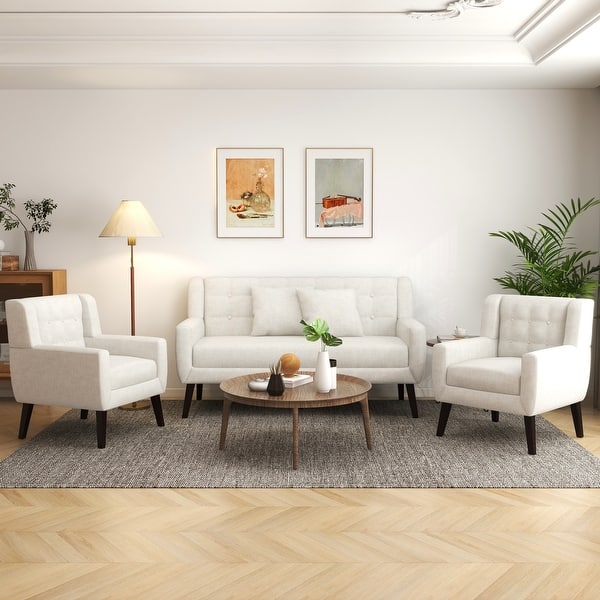
  • Use a loveseat or 2-seater sofa with two chairs to balance seating in a compact room.
  • Keep scale small to avoid crowding.
  • Choose light upholstery to open up space.

This combination works well in apartments.


4. Floating Furniture Arrangement

Image
Image
Image
Image
  • Float seating away from walls to create cozy zones.
  • Add a console table behind a sofa to anchor layout.
  • Define zones with a rug.

This layout feels intentional and modern.


5. Multi-Functional Pieces

  • Choose storage ottomans that double as seating.
  • Use coffee tables with drawers or shelves.
  • Opt for side tables with hidden compartments.

Multi-functional furniture is ideal for small living rooms.


6. Mix of Textures

Image
Image
Image
  • Combine wood, metal, upholstery, and glass.
  • Textured fabrics add depth.
  • Wood or rattan brings warmth.

Mixing materials adds richness and balance.


7. Minimalist Furniture with Clean Lines

Image
Image
Image
Image
  • Sleek sofas with slim legs appear lighter.
  • Pair with matching minimal tables.
  • Avoid bulky pieces.

Minimal furniture keeps compact rooms feeling open.


8. Add a Statement Piece

Image
Image
Image
Image
  • Use one standout chair or sculptural coffee table.
  • A bold silhouette or color can anchor the room.
  • Keep surrounding pieces neutral for balance.

A statement piece adds personality.


9. Entertainment-Focused Layout

Image
Image
Image
Image
  • Center seating around the TV unit for viewing comfort.
  • Use low media consoles to maintain sightlines.
  • Add shelves for storage and decor.

This works for family and media rooms.


10. Cozy Corner Nook

Image
Image
Image
Image
  • Create a reading nook with a comfy chair and floor lamp.
  • Add a side table for books or tea.
  • Use soft cushions and throws.

A nook adds comfort without major layout changes.


11. Circular Flow Arrangement

Image
Image
Image
  • Position seating to encourage conversation in a circular pattern.
  • Avoid sharp angles facing away from each other.
  • Keep a round coffee table at the center.

This supports social flow in gatherings.


12. Layered Tables and Storage

Image
Image
Image
Image
  • Use nested tables for flexibility.
  • Add a console behind seating for storage.
  • Use low shelves to display decor.

Layers add function without crowding.


Quick Tips for Every Living Room

  • Measure first: Know your room dimensions before choosing furniture.
  • Scale matters: Smaller, lighter pieces keep rooms open.
  • Balance: Mix large and small pieces for visual harmony.
  • Clear paths: Keep circulation routes open.
  • One focal point: Decide whether it’s the sofa, TV, or fireplace.

Summary

Living room furniture ideas revolve around smart seating combinations, functional pieces, and thoughtful layouts. Whether decorating a compact apartment in Noida or a spacious Gurgaon lounge, principles remain universal: proportion, balance, and purpose.

Furniture should not just fill space. It should shape experience.

Living Room Furniture Ideas: 12 Stylish Concepts to Inspire Your Space Read More Β»

Living Room Furniture for Sale (India)

Ajmer 5 Seater Sofa Set with Coffee Table

β‚Ή74,809

Rose Sheesham Wood Sofa Set with Pink Velvet Fabric

β‚Ή55,000

Furniture Online Wooden Sofa Set

β‚Ή66,499.05

Home furniture Wooden Sofa Set with Center Table

β‚Ή31,999

Kotaro Ribbed Round Wooden Coffee Table

β‚Ή22,654

Korbin Coffee Table with Centre Storage

β‚Ή14,999

Living Room Furniture Picks to Elevate Your Space

Ajmer 5 Seater Sofa Set with Coffee Table – Complete seating solution for spacious living rooms; includes a matching coffee table and roomy seating for guests and family gatherings.

Rose Sheesham Wood Sofa Set with Pink Velvet Fabric – Stylish blend of solid wood and plush upholstery; the pink velvet adds subtle colour while maintaining sophistication.

Furniture Online Wooden Sofa Set – Elegant wooden frame sofa set that fits both modern and classic interiors; ideal as the core seating piece in a living area.

Home furniture Wooden Sofa Set with Center Table – Budget-friendly sofa set with a coordinated center table; solid teak finish for durability and visual warmth.

Kotaro Ribbed Round Wooden Coffee Table – Premium coffee table with sculptural ribbed design; perfect as a focal point and practical surface in front of sofas.

Korbin Coffee Table with Centre Storage – Stylish centre table with hidden storage; great for keeping remotes, magazines, or small items organised.


Where to Shop More Living Room Furniture

You can explore a wider range of living room furniture online from these trusted stores, offering sofas, chairs, coffee tables, TV units, shelves, and more to suit different interiors and budgets: (Pepperfry)

  • Pepperfry – Large selection of living room furniture and occasional discounts. (Pepperfry)
  • Urban Ladder – Contemporary sofas, accent chairs, and tables with occasional sales. (urbanladder.com)
  • Home Centre – Sofas, consoles, storage ottomans, and modular units. (https://www.homecentre.in/in/en)
  • IKEA India – Wide range of sofas, recliners, coffee tables, and storage options. (IKEA)
  • Nilkamal Furniture – Affordable sofas, recliners, tables, and TV units with varying styles. (Nilkamal Furniture)
  • Nismaaya Decor – Designer furniture with wood and upholstered options. (Nismaaya Decor)
  • Ashley Furniture India – Premium living room furniture designed for comfort and style. (Ashley Homestore Furniture – India)

Tips for Buying Living Room Furniture

  • Measure your space first to ensure the sofa or coffee table will fit comfortably without blocking walkways. (Good Housekeeping)
  • Mix and match styles lightly β€” avoid everything matching exactly to prevent a sterile look; choose a cohesive palette instead. (Homes and Gardens)
  • Consider multifunctional pieces like storage tables or sofa beds in smaller homes for added utility. (people.com)

Summary

These living room furniture options β€” from sofa sets to coffee tables β€” help you create a comfortable, stylish seating area suited to your home’s scale and aesthetic. Whether you want a traditional solid wood set, modern upholstered pieces, or functional centre tables with storage, there are options available at different price points and styles online. (Pepperfry)

Living Room Furniture for Sale (India) Read More Β»

Living Room Furniture Style: 12 Timeless Looks That Always Work

Image
Image
Image
Image

Living room furniture style defines the personality of a home. It shapes how the room feels β€” formal or relaxed, warm or sleek, classic or modern. Choosing a consistent furniture style creates visual harmony and makes decorating easier.

Across homes in Gurgaon, Noida, and Delhi NCR, curated furniture styles help living rooms feel intentional instead of random.

This guide explores major living room furniture styles and how to use them successfully.


What Defines a Strong Furniture Style?

A good furniture style is cohesive. Shapes, materials, and proportions should speak the same design language.

Modern design thinking influenced by Bauhaus emphasizes clarity and purpose β€” furniture should be functional and visually balanced.

Key elements that define style:

  • Silhouette (shape)
  • Materials
  • Color palette
  • Texture
  • Scale
  • Detailing

Consistency creates sophistication.


Modern Furniture Style

Image
Image
Image
Image

Modern style is clean and architectural.

Traits:

  • Low profiles
  • Straight lines
  • Neutral colors
  • Minimal ornamentation
  • Metal and glass accents
  • Open-leg furniture

Modern furniture feels light and precise.


Contemporary Furniture Style

Contemporary evolves with trends.

Features:

  • Soft curves
  • Sculptural shapes
  • Mixed materials
  • Neutral base with accents
  • Comfort-focused seating

It feels current but not extreme.


Scandinavian Style

Image
Image
Image
Image

Scandinavian furniture blends minimalism with warmth.

Characteristics:

  • Light wood
  • Soft textiles
  • Slim silhouettes
  • Neutral tones
  • Cozy proportions
  • Functional simplicity

It feels airy and welcoming.


Mid-Century Modern Style

Mid-century remains timeless.

Key traits:

  • Tapered legs
  • Organic curves
  • Walnut finishes
  • Compact scale
  • Iconic silhouettes
  • Retro warmth

It balances style and comfort.


Minimalist Furniture Style

Image
Image
Image
Image

Minimalist style removes excess.

Features:

  • Few pieces
  • Simple geometry
  • Hidden storage
  • Monochrome palette
  • Smooth surfaces
  • Visual calm

Minimalism emphasizes space.


Modern Farmhouse Style

Farmhouse adds softness to modern homes.

Elements:

  • Deep comfortable sofas
  • Natural wood tables
  • Neutral upholstery
  • Rustic accents
  • Cozy textures
  • Casual proportions

It feels lived-in and warm.


Luxury Contemporary Style

Image
Image
Image
Image

Luxury contemporary mixes minimalism with richness.

Traits:

  • Plush upholstery
  • Marble surfaces
  • Metallic accents
  • Statement lighting
  • Sculptural furniture
  • Deep color accents

It feels refined and dramatic.


Transitional Style

Transitional bridges classic and modern.

Features:

  • Balanced proportions
  • Neutral tones
  • Soft curves
  • Subtle detailing
  • Timeless upholstery
  • Elegant comfort

It suits almost any home.


How to Choose the Right Style

Choose based on:

  • Room size
  • Natural light
  • Lifestyle needs
  • Maintenance level
  • Existing architecture
  • Personal comfort

Style must match daily living.


Avoid Common Furniture Style Mistakes

Do not:

  • Mix too many styles randomly
  • Oversize furniture
  • Ignore color cohesion
  • Copy trends blindly
  • Choose looks over comfort
  • Fill every corner

Curated beats crowded.


Benefits of a Consistent Furniture Style

A clear style provides:

  • Visual harmony
  • Easier decorating decisions
  • Strong identity
  • Better resale appeal
  • Emotional comfort
  • Timeless atmosphere

Consistency creates elegance.


Summary

Living room furniture style defines how a space feels and functions. Whether modern, Scandinavian, minimalist, farmhouse, or luxury contemporary, strong style comes from cohesion and proportion. The best living rooms balance aesthetics with comfort. Whether styling a compact Noida apartment or a spacious Gurgaon home, the principles remain universal: clarity, consistency, and intention.

Furniture style is not trend chasing. It is visual identity.

Living Room Furniture Style: 12 Timeless Looks That Always Work Read More Β»

12 Smart Living Room Furniture Placement Layouts for Better Flow

Image

Living room furniture placement determines how a space flows, feels, and functions. Even beautiful furniture can look wrong if arranged poorly. A strong layout supports conversation, movement, and visual balance.

In apartments and homes across Gurgaon, Noida, and Delhi NCR, smart placement is essential because many living rooms serve multiple purposes β€” lounging, entertaining, and working.

This guide explains professional layout strategies that make living rooms feel intentional and comfortable.


What Makes a Good Furniture Layout?

A successful layout balances function and openness.

Design principles influenced by Bauhaus emphasize purposeful arrangement β€” furniture should support how people actually live.

Core layout goals:

  • Clear walking paths
  • Conversation zones
  • Visual anchor (TV or focal wall)
  • Balanced proportions
  • Breathing space
  • Defined seating area

Layout is architecture in motion.


Anchor the Room with a Rug

A rug defines the seating zone. Rules: Front legs of furniture sit on the rug, and the rug should extend beyond sofa edges.


Create a Conversation Triangle

Seating should encourage interaction with 6–8 feet between main seats and chairs angled toward the sofa.


Summary

Living room furniture placements succeed through balance, scale, and flow. For more professional tips, explore our Interior Design category or contact our designers for a custom layout.

12 Smart Living Room Furniture Placement Layouts for Better Flow Read More Β»

Best Bar Chairs & Stools for Kitchen Islands

Seating That Elevates Your Kitchen Island

Choosing the right seating for your kitchen island is essential for both comfort and aesthetics. Whether you’re looking for modern bar stools or traditional kitchen chairs, our guide helps you find the perfect match for your home decor.

Maven Lane Alexander Bar Stool – Classic silhouette with a great balance of comfort and style. A versatile stool that works in modern and transitional kitchens.

IKEA NORDVIKEN Bar stool with Backrest – Ergonomic with back support and footrest, ideal for longer seating or social kitchen islands.

Kabir Beige Elmore Bar Stool (Set of 2) – Stylish upholstered stools in neutral tones β€” perfect for warm or minimal interiors.


How to Choose the Right Bar Chairs

Most kitchen island counters are 36–39 inches tall. Choose stools with seat heights of 24–26 inches for comfortable seating and legroom. For more professional layout tips, see our guide on living room furniture placements.


Summary

Finding the best bar chairs and stools for kitchen islands depends on your specific space and style needs. For a professional consultation on your kitchen layout, you can contact our interior designers or explore more in our Interior Design section.

Best Bar Chairs & Stools for Kitchen Islands Read More Β»

Kitchen Island Ideas: 14 Stylish Designs to Transform Your Kitchen

Image

A kitchen island is more than extra counter space. It is a functional centerpiece that defines the kitchen’s layout, workflow, and social energy. The right island can improve storage, cooking efficiency, and visual balance while becoming the heart of the home.

In kitchens across Gurgaon, Noida, and Delhi NCR, islands are increasingly designed as multi-purpose hubs for cooking, dining, and gathering.

This guide explores 14 smart kitchen island ideas that combine beauty and usability.


What Makes a Great Kitchen Island?

A successful island balances proportion, function, and flow. Design philosophies influenced by Bauhaus emphasize purposeful design β€” every element should serve daily life.

A good island provides extra prep surface, smart storage, and a seating option. To find the perfect seating, check out our guide on the best bar chairs and stools for kitchen islands.


Island with Seating

Seating turns the island into a social zone. Whether you prefer a breakfast bar or wraparound stools, proper clearance ensures comfort. For more on optimizing your home layout, see our living room furniture placement tips.


Summary

Kitchen island ideas succeed through proportion, multi-functionality, and strong visual design. For a professional consultation on your kitchen design, you can contact our interior designers or browse our Interior Design category for more inspiration.

Kitchen Island Ideas: 14 Stylish Designs to Transform Your Kitchen Read More Β»

Kitchen Island with Seating: 12 Smart Designs for Style and Function

Image

A kitchen island with seating turns the kitchen into a social hub. It becomes a space for dining, conversation, work, and casual gatherings β€” not just cooking. When designed correctly, island seating improves workflow while adding comfort.

In homes across Gurgaon, Noida, and Delhi NCR, islands with seating are increasingly used to replace formal dining tables in compact layouts.

This guide explains how to design a kitchen island with seating that is ergonomic, stylish, and space-efficient.


Why Add Seating to a Kitchen Island?

Island seating blends function with lifestyle. Design principles influenced by Bauhaus emphasize purposeful design β€” furniture should serve real living patterns.

For more inspiration on island styles, see our 14 stylish kitchen island designs.


Choose the Right Stools

Stools define comfort and style. Good stool features include back support, footrests, and a slim profile. To find the perfect match for your counter, read our detailed review of the best bar chairs and stools for kitchen islands.


Summary

A kitchen island with seating combines ergonomics, storage, and social design. For a professional consultation on your kitchen layout, you can contact our interior designers or explore more in our Interior Design section.

Kitchen Island with Seating: 12 Smart Designs for Style and Function Read More Β»

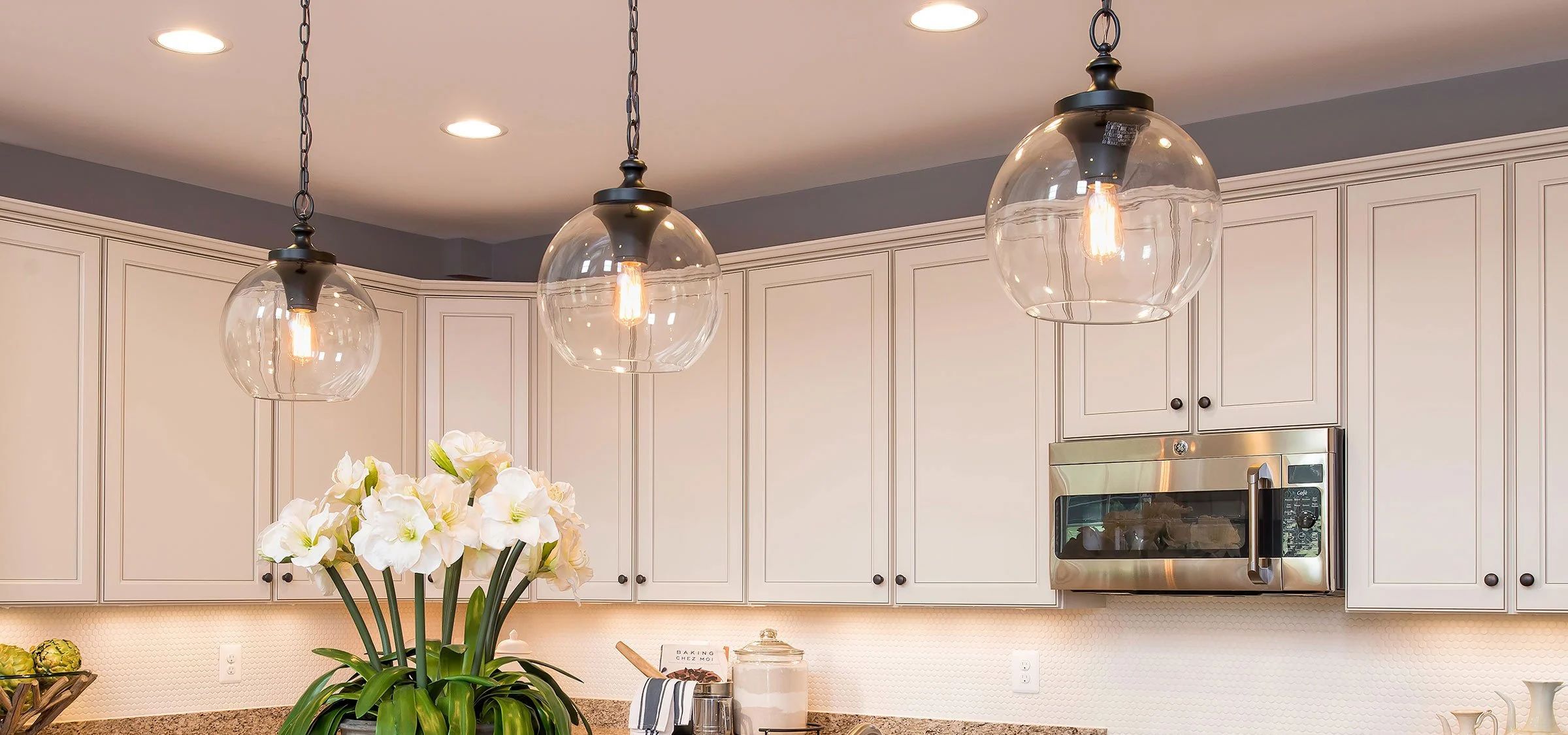
Kitchen Islands Lighting: 10 Expert Ideas for Style and Function

Image

Kitchen island lighting must balance task clarity and atmosphere. The island is both a work surface and a social hub, so lighting should be bright enough for prep while soft enough for conversation.

Modern kitchens across Gurgaon, Noida, and Delhi NCR increasingly use layered island lighting to create focus without glare.

This guide explains professional kitchen island lighting strategies that combine beauty and usability.


Why Kitchen Island Lighting Matters

Island lighting anchors the kitchen visually and functionally. Design principles influenced by Bauhaus emphasize clarity and purpose β€” light should support activity while enhancing form.

For a complete look, ensure your lighting complements your furniture. See our guide on the best bar chairs and stools for kitchen islands.


Pendant Lights: The Classic Choice

Pendant lights remain the most effective solution. Hang them 30–36 inches above the countertop for optimal balance. If you’re still planning your island, explore our 14 stylish kitchen island designs.


Summary

Kitchen island lighting succeeds through warmth, symmetry, and layered design. For a professional consultation on your kitchen’s lighting and layout, you can contact our interior designers or browse our Interior Design category for more inspiration.

Kitchen Islands Lighting: 10 Expert Ideas for Style and Function Read More Β»

Scroll to Top