
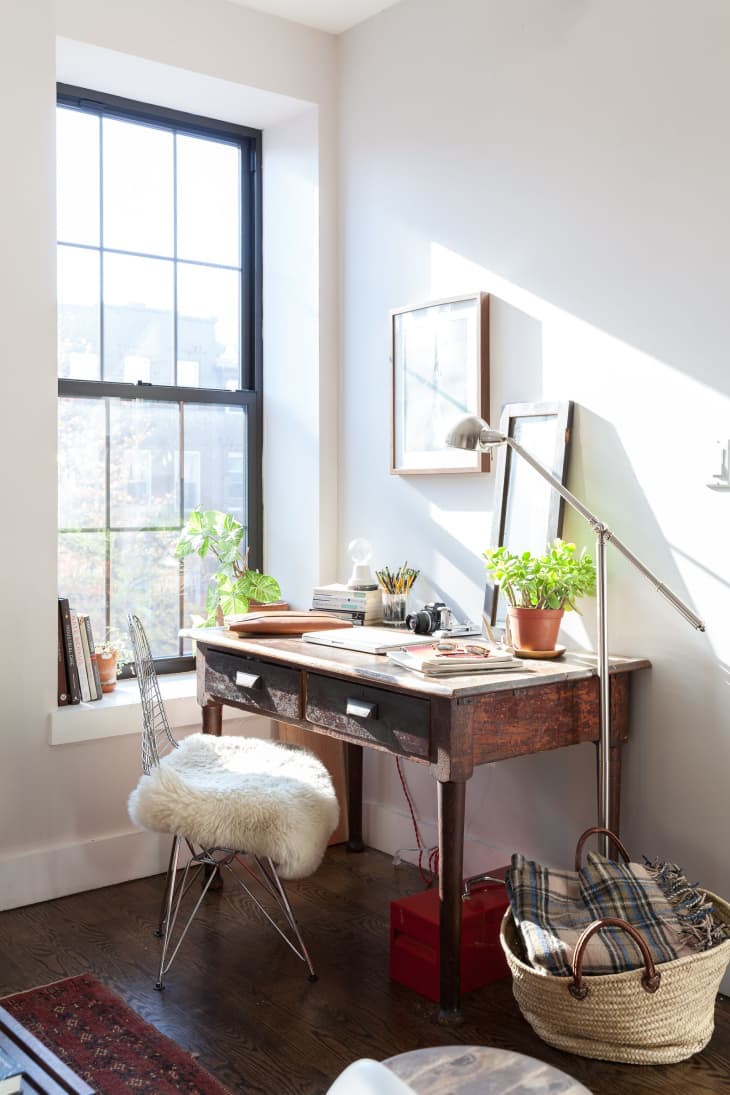

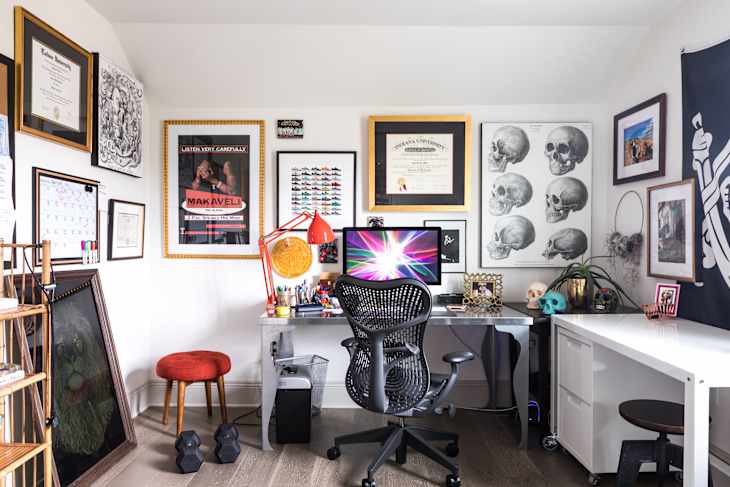
Home office designs must balance productivity, comfort, and aesthetics. A good workspace reduces distraction, supports posture, and fits naturally into the home environment. Whether working full-time or occasionally, intentional design improves focus and energy.
Across homes in Gurgaon, Noida, and Delhi NCR, home offices are increasingly integrated into living spaces without sacrificing style.
This guide explains practical design strategies for creating an efficient and attractive home office.
What Defines a Good Home Office Design?
A strong home office supports workflow and wellbeing.
Design principles influenced by Bauhaus emphasize function-first thinking — form should serve purpose.
Core priorities:
- Ergonomic seating
- Clear desk surface
- Good lighting
- Smart storage
- Minimal distraction
- Defined work zone
The workspace should encourage concentration.
Dedicated Room Office


A separate room provides maximum focus.
Key features:
- Large desk surface
- Closed storage
- Sound control
- Neutral calming palette
- Adjustable lighting
- Comfortable chair
This suits full-time remote work.
Small Apartment Office Corner
Compact homes can still host efficient offices.
Solutions:
- Wall-mounted desk
- Corner workstation
- Fold-down table
- Slim shelving
- Vertical storage
- Laptop-focused setup
Small offices depend on editing.
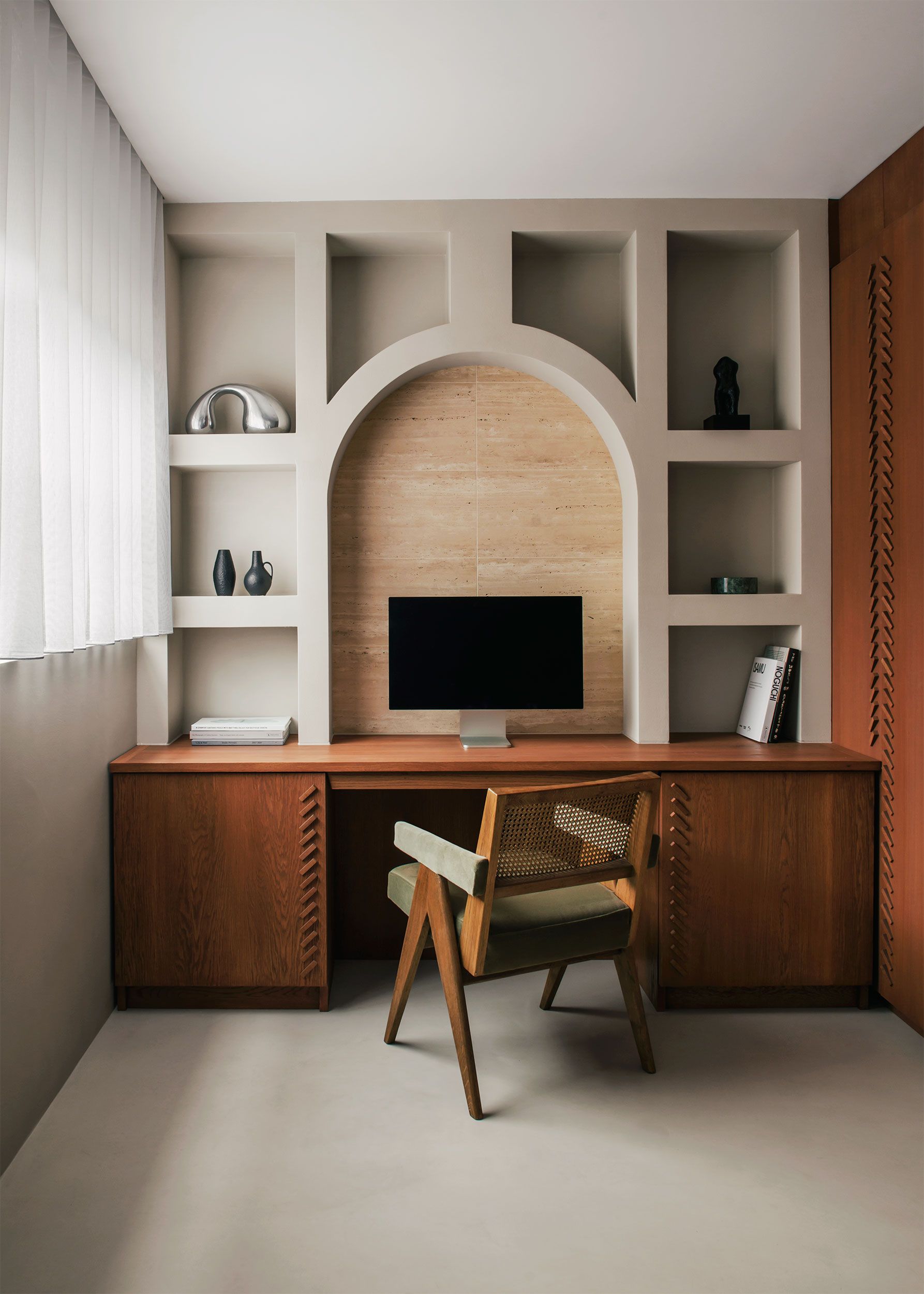
Built-In Wall Office

Built-ins maximize vertical space.
Benefits:
- Seamless storage
- Clean appearance
- Hidden cables
- Efficient footprint
- Architectural feel
Perfect for compact layouts.
Living Room Integrated Office
Shared spaces need visual harmony.
Design tips:
- Match desk finish to furniture
- Use decorative storage boxes
- Hide cables
- Choose stylish chair
- Keep palette cohesive
The office should blend into decor.
Bedroom Workspace Design

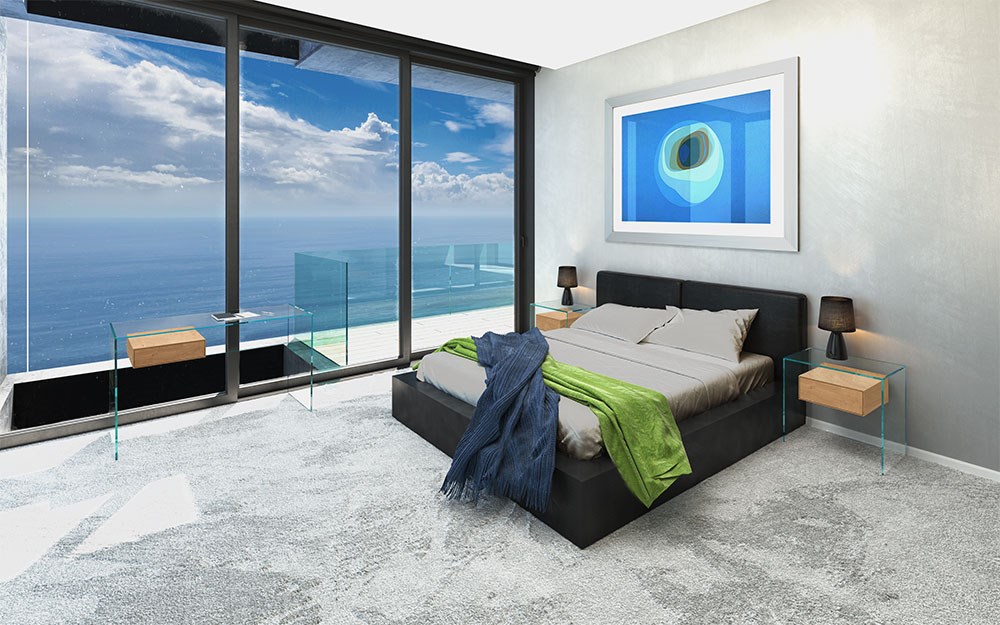


Bedroom offices require calm design.
Rules:
- Avoid facing bed directly
- Keep surfaces minimal
- Use soft lighting
- Maintain neutral colours
- Hide work clutter
Work zones should not disturb rest.
Ergonomic Furniture Essentials
Comfort prevents fatigue.
Must-haves:
- Adjustable chair
- Desk at elbow height
- Monitor at eye level
- Foot support
- Wrist-friendly keyboard placement
Health supports productivity.
Lighting Strategy


Lighting affects focus.
Combine:
- Natural daylight
- Task desk lamp
- Soft ambient light
- Warm tone bulbs
Avoid glare on screens.
Storage Without Clutter
Smart storage keeps surfaces clear.
Options:
- Floating shelves
- Drawer units
- Pegboards
- Filing cabinets
- Hidden boxes
Clear desk equals clear mind.
Colour Psychology for Offices
Colour influences concentration.
Good choices:
- Soft grey for neutrality
- Warm white for calm
- Pale green for focus
- Muted blue for clarity
- Natural wood tones
Avoid overstimulation.
Personalisation Without Distraction
Add identity without clutter:
- One artwork piece
- Small plant
- Meaningful object
- Neutral textiles
- Minimal decor
Personality should support work.
Avoid Common Home Office Mistakes
Do not:
- Work from the bed or sofa
- Use harsh lighting
- Ignore ergonomics
- Overdecorate desk
- Place screen in glare
- Skip storage
Comfort and clarity are essential.
Benefits of Good Home Office Design
Thoughtful offices improve:
- Focus
- Productivity
- Physical health
- Mental clarity
- Work-life boundaries
- Daily comfort
Design shapes performance.
Summary
Home office designs succeed through ergonomics, lighting, storage, and visual calm. Whether a dedicated room or a compact apartment corner, the principles remain universal: function, comfort, and clarity. In modern Gurgaon and Noida homes, well-designed workspaces blend seamlessly into interiors while supporting serious productivity.
A good home office does not distract. It enables.