


Interior design is the art and science of shaping indoor spaces to improve how they function and feel. It combines architecture, furniture, lighting, colour, and texture to create environments that support daily life while expressing personality.
In modern homes across Gurgaon, Noida, and Delhi NCR, interior design focuses on clarity, comfort, and intentional styling — spaces that feel calm, efficient, and welcoming.
This guide explains the essential principles that define strong interior design.
What Is Interior Design?
Interior design is not decoration alone. It is a structured discipline that balances:
- Function
- Aesthetics
- Ergonomics
- Light
- Scale
- Movement
Design movements influenced by institutions like Bauhaus established the idea that beauty and function must coexist. A well-designed interior improves everyday living.
Interior design is how a space works, not just how it looks.
1. Balance
Balance distributes visual weight evenly.
Types of balance:
- Symmetrical (formal and calm)
- Asymmetrical (casual and dynamic)
- Radial (circular layouts)
Balanced rooms feel stable and restful.
2. Proportion and Scale
Furniture must match room size.
Guidelines:
- Oversized furniture overwhelms small rooms
- Tiny pieces feel lost in large spaces
- Leave visible floor space
- Maintain air between objects
Scale determines comfort.
3. Harmony and Cohesion

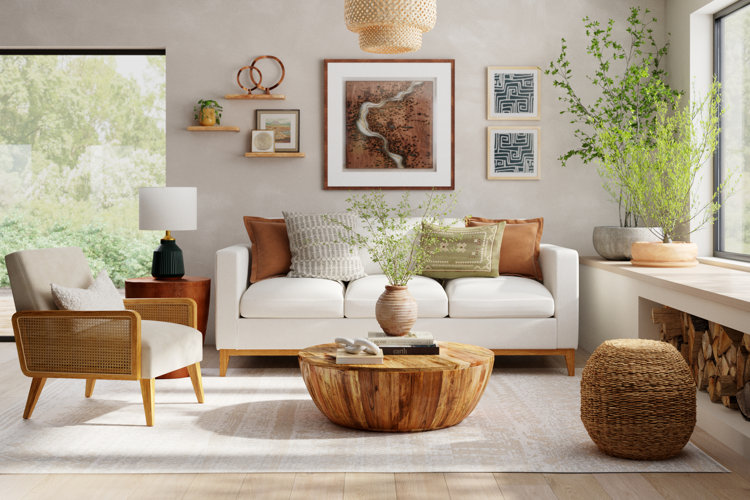


A strong interior feels unified.
Create harmony through:
- Repeated colours
- Consistent materials
- Similar shapes
- Controlled palette
- Complementary textures
Cohesion prevents visual noise.
4. Focal Points
Every room needs an anchor.
Common focal points:
- Fireplace
- Artwork
- Accent wall
- Statement lighting
- Large window
- Feature furniture
A focal point organizes attention.
5. Lighting Layers
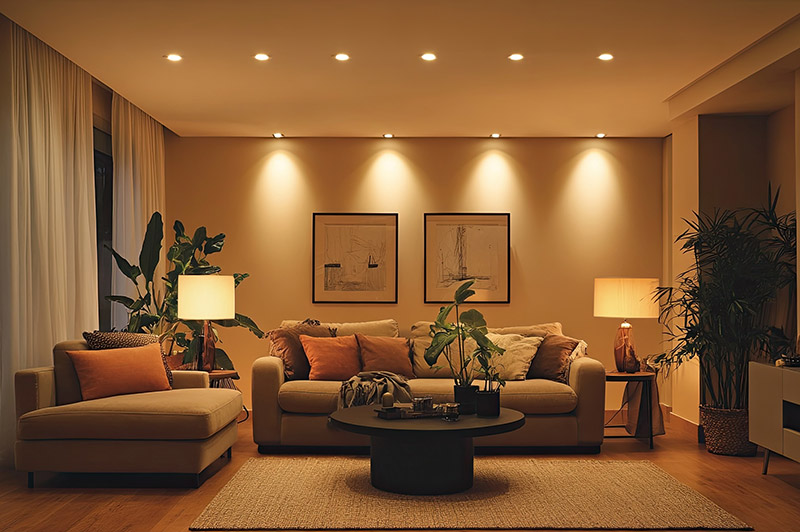


Lighting defines atmosphere.
A balanced interior uses:
- Ambient light (overall glow)
- Task light (function)
- Accent light (depth)
- Decorative light (style)
Layered lighting replaces harsh brightness.
6. Colour Strategy
Colour influences emotion.
Common approaches:
- Neutral base + accents
- Monochrome layering
- Earthy tones
- Soft contrast
- Warm palettes for comfort
Colour should support mood.
7. Texture and Material Contrast
Texture adds depth.
Combine:
- Wood
- Fabric
- Stone
- Glass
- Metal
- Natural fibres
Texture prevents flat interiors.
8. Negative Space
Empty space is intentional.
Benefits:
- Visual calm
- Better movement
- Highlighted focal points
- Reduced stress
- Perceived spaciousness
Space is part of design.
9. Function First
Design must serve daily life.
Ask:
- How is the room used?
- Where do people walk?
- What needs storage?
- How long do people sit?
- What lighting is needed?
Function guides form.
10. Movement and Flow
Rooms should feel easy to navigate.
Maintain:
- Clear pathways
- Open sightlines
- Logical furniture placement
- Comfortable spacing
Good flow reduces friction.
11. Personal Identity
Design should reflect the resident.
Personal elements:
- Art
- Books
- Travel objects
- Family pieces
- Favourite colours
- Meaningful textures
Identity prevents generic interiors.
12. Editing
Good design removes excess.
Avoid:
- Overcrowding
- Too many styles
- Excess accessories
- Visual clutter
- Competing colours
Editing strengthens impact.
Benefits of Strong Interior Design
Thoughtful interiors provide:
- Emotional comfort
- Better functionality
- Visual clarity
- Increased property value
- Reduced stress
- Strong identity
Design shapes daily experience.
Summary
Interior design succeeds through balance, scale, light, colour, and intention. When function leads aesthetics, spaces feel calm, efficient, and expressive. Whether designing a compact Noida apartment or a spacious Gurgaon residence, the principles remain universal: clarity, harmony, and purpose.
Interior design is not decoration. It is structured living.