


Living room furniture style defines the personality of a home. It shapes how the room feels — formal or relaxed, warm or sleek, classic or modern. Choosing a consistent furniture style creates visual harmony and makes decorating easier.
Across homes in Gurgaon, Noida, and Delhi NCR, curated furniture styles help living rooms feel intentional instead of random.
This guide explores major living room furniture styles and how to use them successfully.
What Defines a Strong Furniture Style?
A good furniture style is cohesive. Shapes, materials, and proportions should speak the same design language.
Modern design thinking influenced by Bauhaus emphasizes clarity and purpose — furniture should be functional and visually balanced.
Key elements that define style:
- Silhouette (shape)
- Materials
- Color palette
- Texture
- Scale
- Detailing
Consistency creates sophistication.
Modern Furniture Style

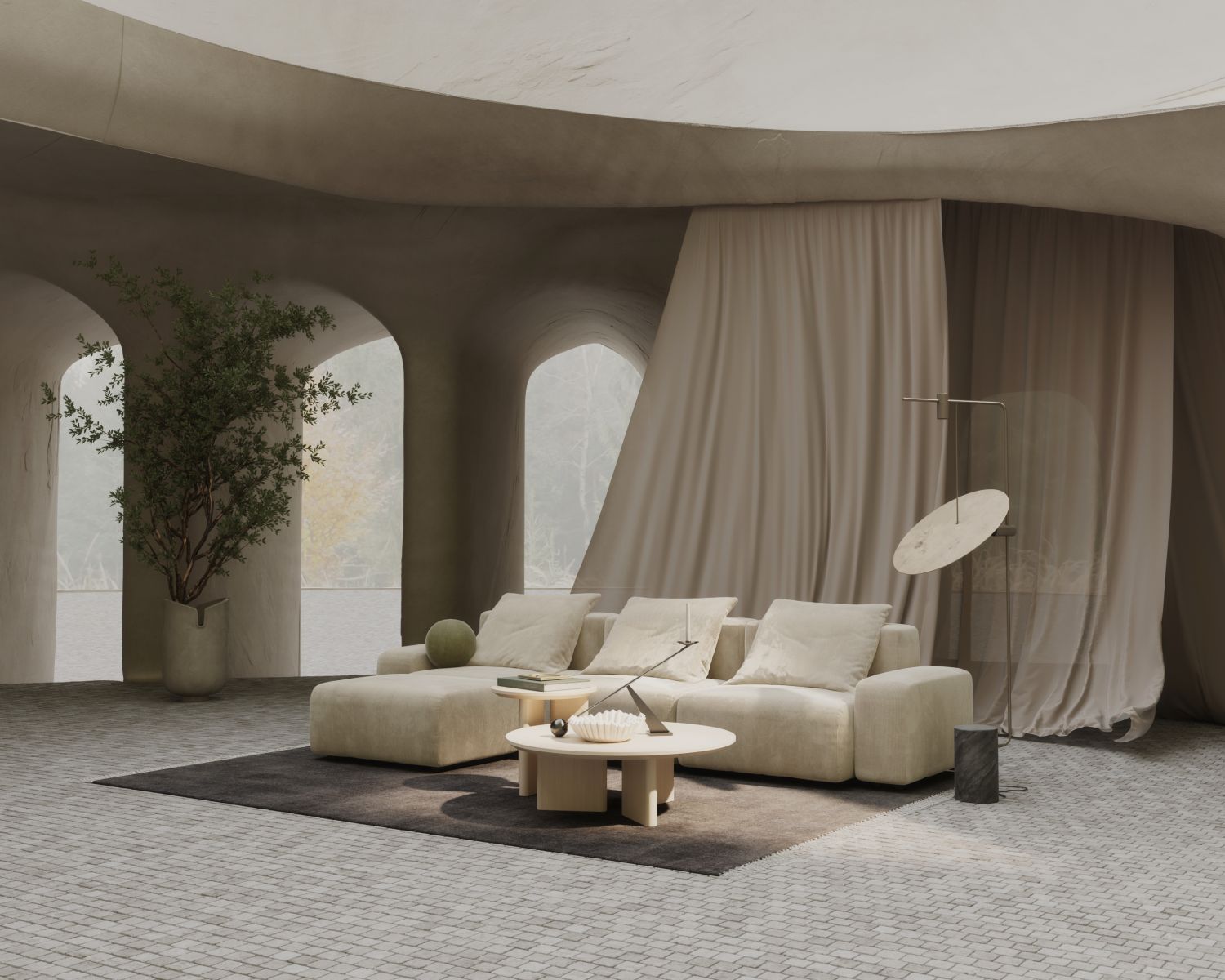


Modern style is clean and architectural.
Traits:
- Low profiles
- Straight lines
- Neutral colors
- Minimal ornamentation
- Metal and glass accents
- Open-leg furniture
Modern furniture feels light and precise.
Contemporary Furniture Style
Contemporary evolves with trends.
Features:
- Soft curves
- Sculptural shapes
- Mixed materials
- Neutral base with accents
- Comfort-focused seating
It feels current but not extreme.
Scandinavian Style


Scandinavian furniture blends minimalism with warmth.
Characteristics:
- Light wood
- Soft textiles
- Slim silhouettes
- Neutral tones
- Cozy proportions
- Functional simplicity
It feels airy and welcoming.
Mid-Century Modern Style
Mid-century remains timeless.
Key traits:
- Tapered legs
- Organic curves
- Walnut finishes
- Compact scale
- Iconic silhouettes
- Retro warmth
It balances style and comfort.
Minimalist Furniture Style


Minimalist style removes excess.
Features:
- Few pieces
- Simple geometry
- Hidden storage
- Monochrome palette
- Smooth surfaces
- Visual calm
Minimalism emphasizes space.
Modern Farmhouse Style
Farmhouse adds softness to modern homes.
Elements:
- Deep comfortable sofas
- Natural wood tables
- Neutral upholstery
- Rustic accents
- Cozy textures
- Casual proportions
It feels lived-in and warm.
Luxury Contemporary Style


Luxury contemporary mixes minimalism with richness.
Traits:
- Plush upholstery
- Marble surfaces
- Metallic accents
- Statement lighting
- Sculptural furniture
- Deep color accents
It feels refined and dramatic.
Transitional Style
Transitional bridges classic and modern.
Features:
- Balanced proportions
- Neutral tones
- Soft curves
- Subtle detailing
- Timeless upholstery
- Elegant comfort
It suits almost any home.
How to Choose the Right Style
Choose based on:
- Room size
- Natural light
- Lifestyle needs
- Maintenance level
- Existing architecture
- Personal comfort
Style must match daily living.
Avoid Common Furniture Style Mistakes
Do not:
- Mix too many styles randomly
- Oversize furniture
- Ignore color cohesion
- Copy trends blindly
- Choose looks over comfort
- Fill every corner
Curated beats crowded.
Benefits of a Consistent Furniture Style
A clear style provides:
- Visual harmony
- Easier decorating decisions
- Strong identity
- Better resale appeal
- Emotional comfort
- Timeless atmosphere
Consistency creates elegance.
Summary
Living room furniture style defines how a space feels and functions. Whether modern, Scandinavian, minimalist, farmhouse, or luxury contemporary, strong style comes from cohesion and proportion. The best living rooms balance aesthetics with comfort. Whether styling a compact Noida apartment or a spacious Gurgaon home, the principles remain universal: clarity, consistency, and intention.
Furniture style is not trend chasing. It is visual identity.