


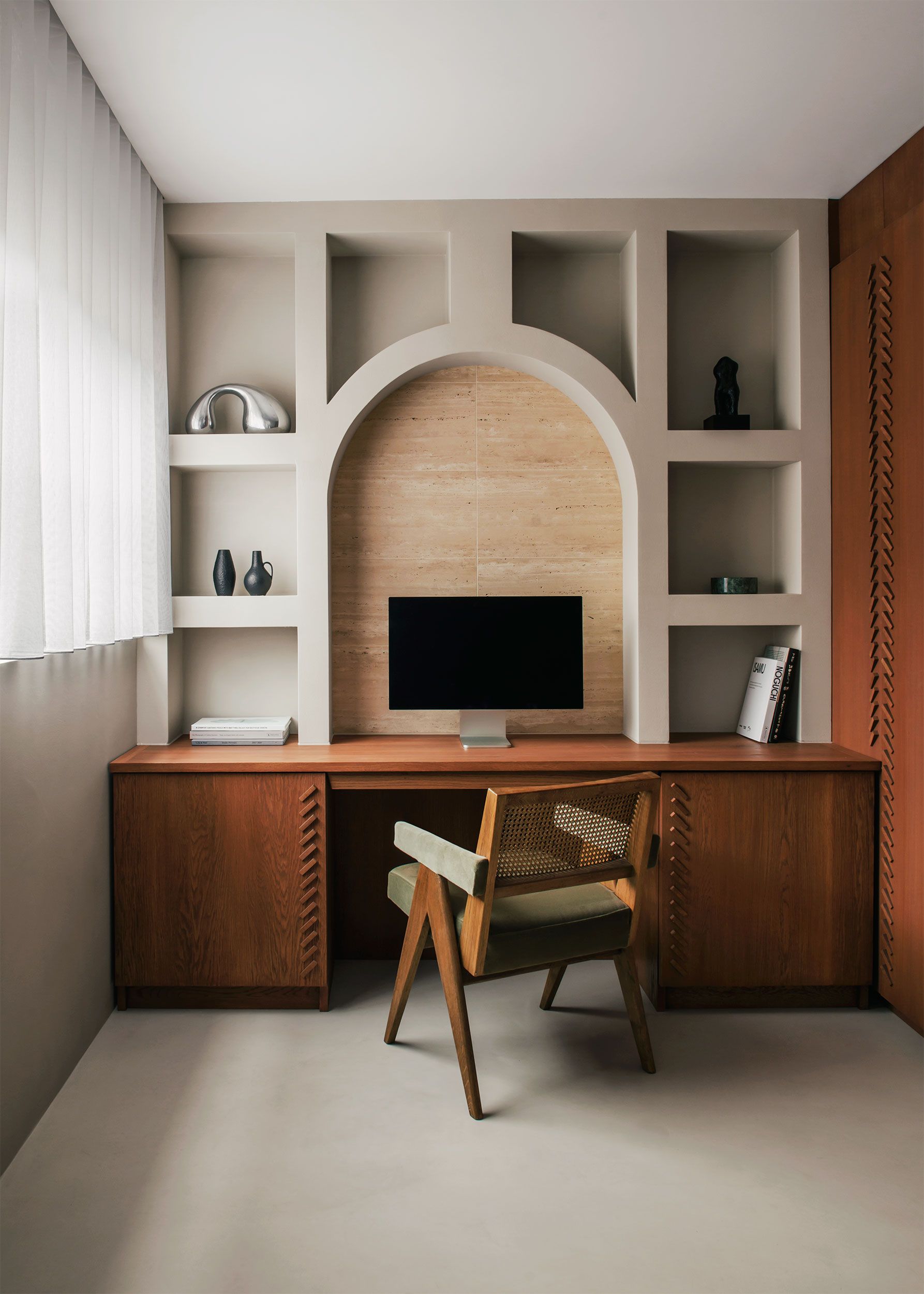
Home office design is about building a workspace that improves focus, comfort, and efficiency while blending into your home’s style. A well-designed office reduces fatigue, supports posture, and creates a mental boundary between work and rest.
Across modern homes in Gurgaon, Noida, and Delhi NCR, home offices are designed to feel calm, intentional, and integrated into daily living.
This guide explains the core design principles behind effective home office spaces.
What Defines Strong Home Office Design?
A good office is structured around function first.
Design philosophies influenced by Bauhaus emphasize that form should follow purpose. A workspace must serve how you work.
Core priorities:
- Ergonomics
- Lighting
- Storage
- Minimal distraction
- Clear layout
- Visual calm
Design should support productivity, not compete with it.
Choose the Right Location
The location shapes how the office functions.
Options include:
- Dedicated room for full-time work
- Bedroom corner for compact homes
- Living room integrated desk
- Hallway niche workstation
- Window-facing desk zone
Choose the quietest, brightest area available.
Ergonomic Layout First


Comfort determines long-term performance.
Essentials:
- Chair with lumbar support
- Desk at elbow height
- Monitor at eye level
- Feet flat on floor
- Keyboard aligned with wrists
Physical strain reduces productivity.
Use Layered Lighting
Lighting should prevent eye fatigue.
Combine:
- Natural daylight
- Adjustable desk lamp
- Soft ambient lighting
- Warm LED bulbs
- Glare-free screen positioning
Light affects energy and mood.
Keep the Desk Surface Clear
A clean desk improves mental clarity.
Limit visible items to:
- Laptop or monitor
- Lamp
- Notebook
- Plant
- Tray organizer
Clutter increases distraction.
Vertical Storage Strategy
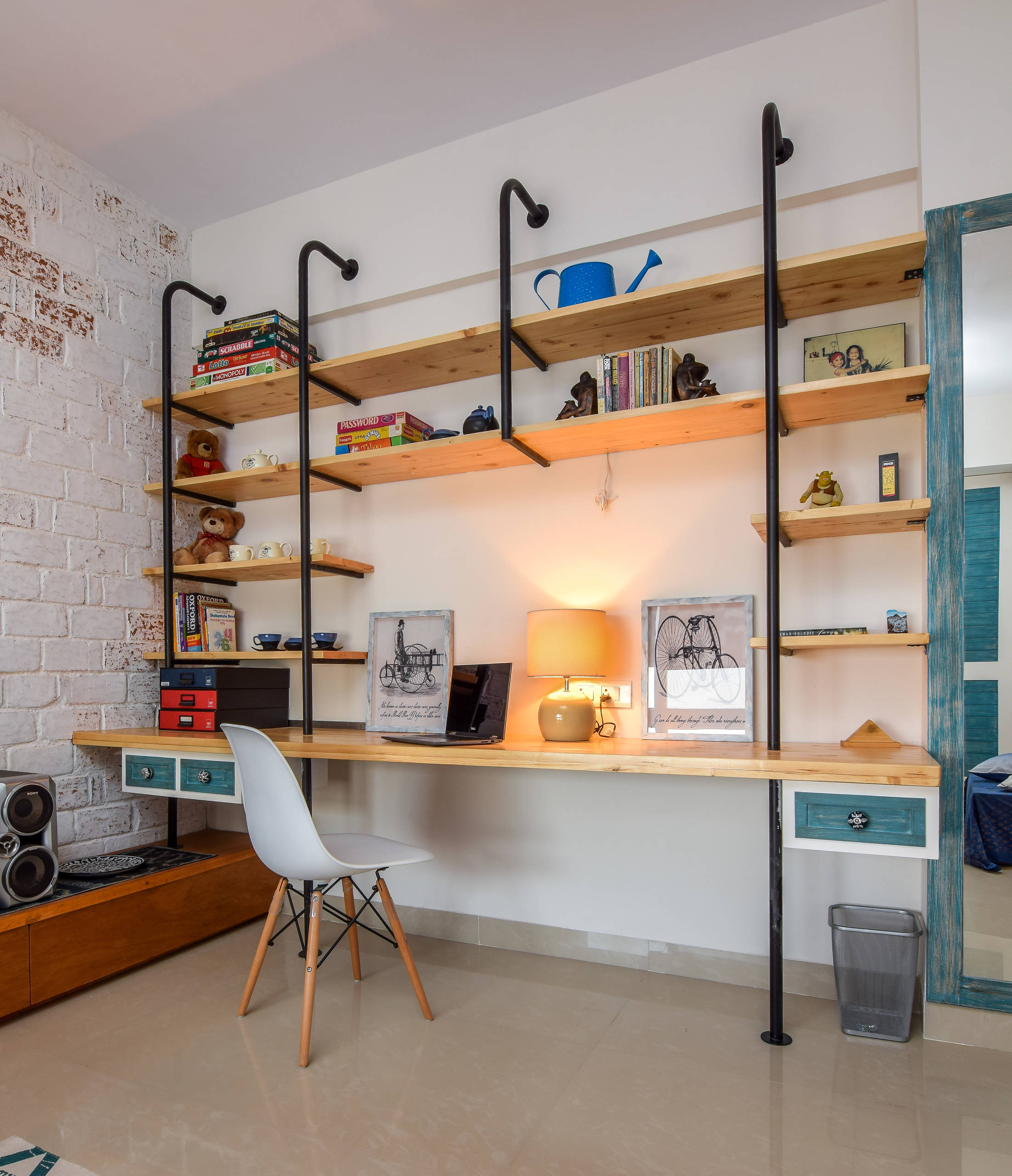


Use walls instead of desk space.
Solutions:
- Floating shelves
- Pegboards
- Wall cabinets
- Grid organizers
- Built-in shelving
Vertical storage protects surface space.
Colour for Focus
Colour influences concentration.
Best office palettes:
- Warm white
- Soft grey
- Muted blue
- Pale green
- Natural wood tones
Avoid high-contrast bright colours.
Integrate Technology Cleanly
Hidden tech improves calm.
Use:
- Cable trays
- Wireless accessories
- Monitor arms
- Charging drawer
- Concealed outlets
Visible cables create visual noise.
Add Natural Elements


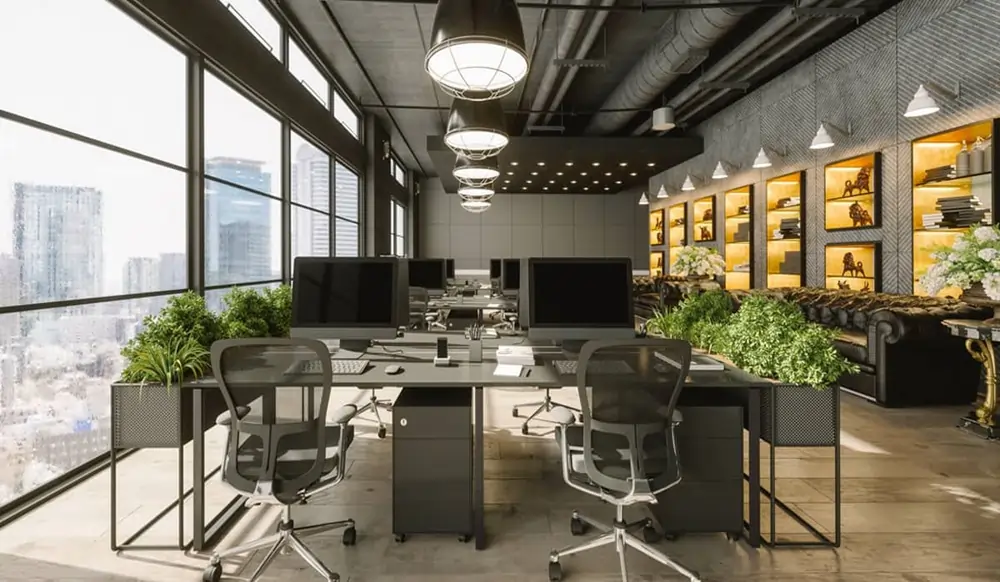
Nature improves mood and air quality.
Good additions:
- Snake plant
- Pothos
- Small ficus
- Ceramic planters
- Wooden textures
Organic elements soften the space.
Define the Work Zone
If sharing space:
- Use a rug to anchor desk
- Add a small divider
- Position desk against a wall
- Create visual boundaries
- Keep office items contained
Separation improves work-life balance.
Personalise with Restraint
Add identity without clutter.
Examples:
- One artwork piece
- Minimal photo frame
- Meaningful object
- Neutral decor accents
Decoration should inspire, not distract.
Avoid Common Home Office Design Mistakes
Do not:
- Work from the bed or sofa
- Use harsh lighting
- Ignore ergonomics
- Overdecorate walls
- Block natural light
- Crowd the desk
Comfort and clarity are essential.
Benefits of Good Home Office Design
Thoughtful design improves:
- Productivity
- Posture and health
- Focus
- Mood
- Work-life separation
- Efficiency
Environment shapes performance.
Summary
Home office design succeeds through ergonomics, lighting, storage, and visual calm. Whether creating a compact apartment corner or a dedicated workspace, the principles remain universal: clarity, comfort, and intention. In modern Noida and Gurgaon homes, well-designed offices blend seamlessly into interiors while supporting serious work.
A good workspace is not decorative.
It is engineered for focus.