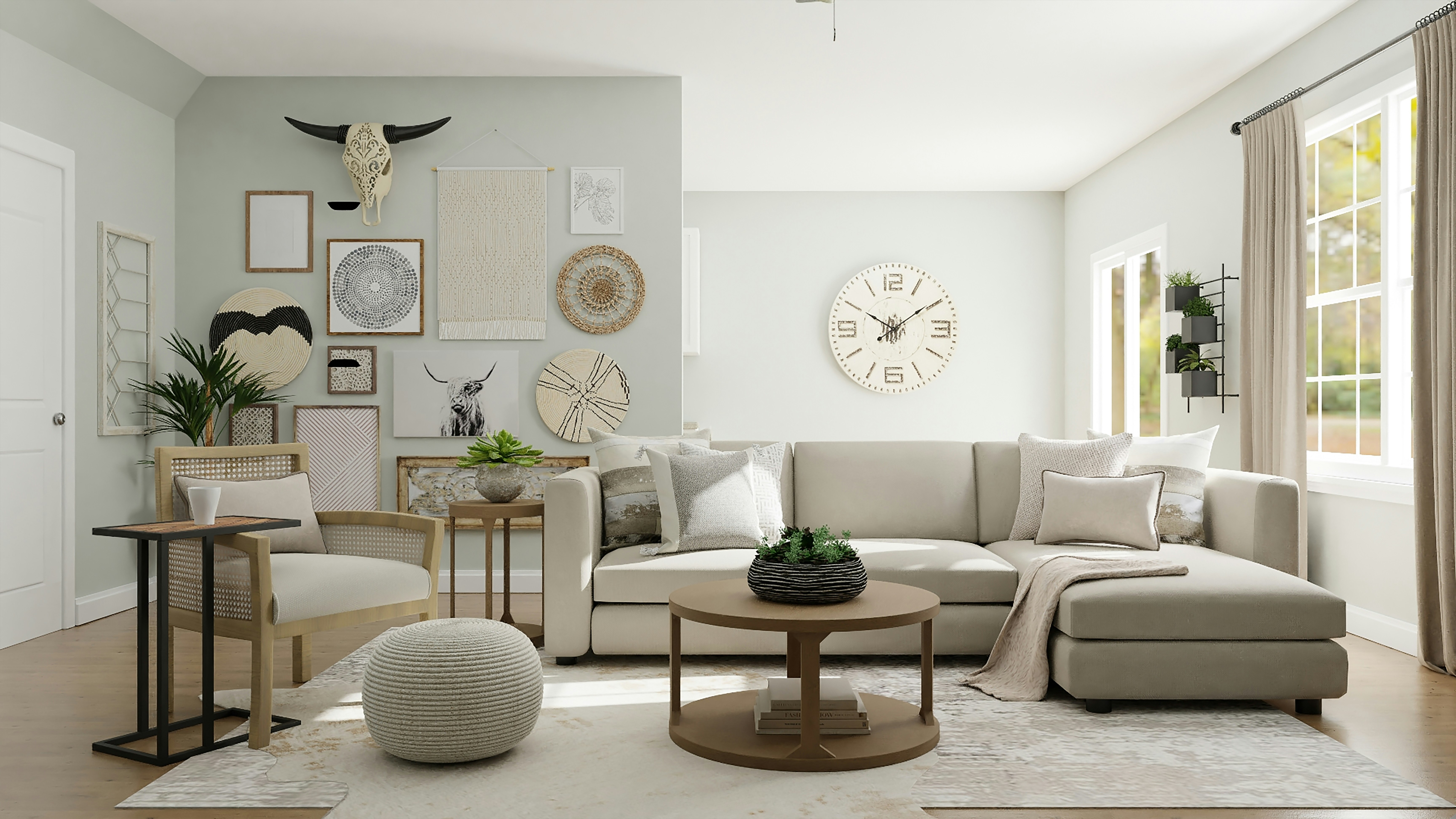
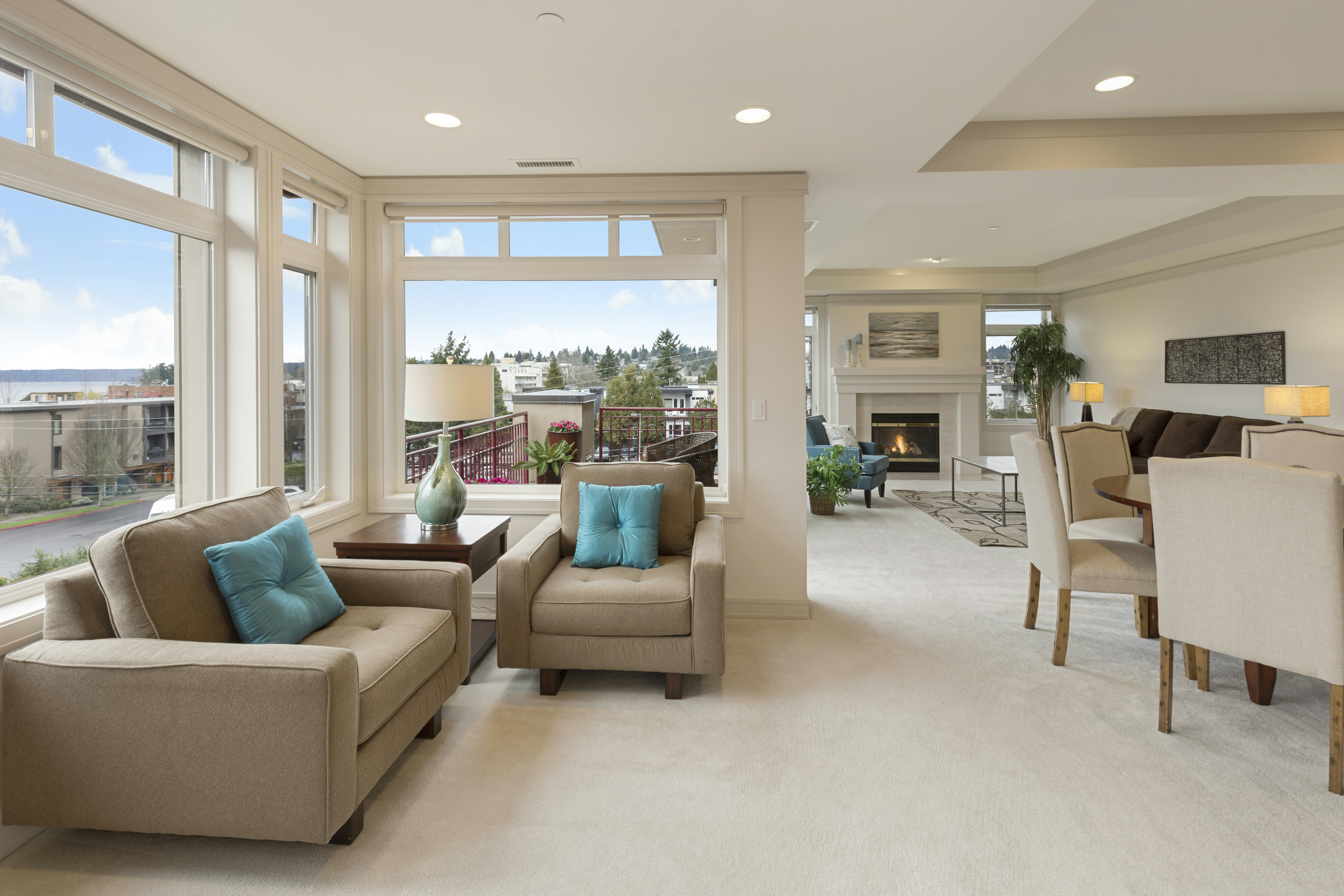
Author name: Interior A to Z - Luxury Interior Designers
Interior A to Z is a premier interior design firm specializing in luxury residential and commercial transformations across Gurgaon, Noida, and Delhi NCR. With over 15 years of expertise, we offer end-to-end solutions, from modular kitchens and minimalist bedrooms to complete home renovations. Our mission is to blend modern aesthetics with functional design. Book a Free Consultation at https://interioratoz.com/contact-us/ to start your dream project today.
Interior designing is the art and science of enhancing the interior of a building to create a more functional and aesthetically pleasing environment. It involves carefully planning and designing the layout, color schemes, furniture, lighting, textures, and decorative elements to achieve a harmonious and efficient space. The primary aim of interior design is to ensure that the space is not only visually appealing but also meets the practical needs of its users.
Interior designers work with both residential and commercial spaces to transform them based on the needs, tastes, and lifestyles of their clients. They integrate various elements like furniture, color, lighting, and spatial organization to create an environment that reflects the client’s personality while serving their everyday needs.
The Role of an Interior Designer
Interior designers are trained professionals who understand both the creative and functional aspects of design. They assess the space, determine the most effective layout, and choose appropriate materials, colors, and furniture. The interior designer’s role is to strike a balance between functionality, aesthetics, and comfort, ensuring that the space serves its intended purpose while being visually cohesive.
Some of the tasks involved in interior designing include:
Space Planning: Understanding how to use space effectively.
Color Theory: Choosing color palettes that enhance the mood of the space.
Furniture and Fixture Selection: Picking the right furniture to fit the space and style.
Lighting Design: Implementing proper lighting for both function and ambiance.
Decor and Accessories: Adding decorative elements that complement the overall design.
In regions like Delhi, Noida, and Gurgaon, interior designing has become increasingly popular, as people are looking for creative and innovative ways to optimize their living and working spaces. These cities have a growing demand for residential and commercial interior design, with many professional designers offering specialized services to cater to the unique needs of clients in these areas.
Interior design can range from contemporary styles with sleek lines and modern furnishings to more traditional designs with intricate details and classical elements. Regardless of style, the goal is always the same: to enhance the space and improve the quality of life for the people who use it.
Interior designing is the art and science of enhancing the interior of a building to achieve a more aesthetically pleasing and functional environment. The goal of interior design is to create spaces that not only look beautiful but also serve the needs of the people who live or work in them. This involves a combination of creative and technical skills to transform a space into one that is visually appealing, comfortable, and functional.
Key Elements of Interior Designing
Space Planning: Space planning is the foundation of interior design. It involves the arrangement and organization of furniture, fixtures, and other elements to make the best use of the available space. Good space planning ensures that the layout is functional and visually balanced.
Color Schemes: Color plays a significant role in setting the mood and atmosphere of a room. Designers choose color schemes that align with the desired ambiance of the space—whether it’s calming, energetic, cozy, or sophisticated.
Furniture Selection: Choosing the right furniture is essential for both aesthetics and functionality. The furniture must fit the scale of the space and be comfortable while complementing the overall design style.
Lighting: Lighting is crucial to interior design as it enhances the atmosphere and functionality of a space. A variety of lighting options—ambient, task, and accent—are used to create the right mood and highlight specific features of the room.
Materials and Textures: The materials and textures chosen for flooring, walls, and furniture contribute to the overall feel of the space. Designers use various materials like wood, metal, glass, and fabric to add dimension and warmth.
Interior Decor and Accessories: The finishing touches, such as rugs, curtains, artwork, and decorative items, add personality and charm to a room. These elements help personalize the space and make it feel inviting and lived-in.
Functionality and Comfort: Ultimately, interior design should ensure that the space works well for the people who use it. This includes considering the flow of traffic, the placement of furniture for optimal functionality, and providing comfort through design elements such as seating and temperature control.
Types of Interior Design
Interior design encompasses many different styles, including:
Modern: Clean lines, neutral colors, and minimalism.
Traditional: Classic furniture and rich, elegant details.
Contemporary: Reflects current design trends, mixing elements from various styles.
Industrial: Uses raw materials like exposed brick, metal, and wood, often seen in urban spaces.
Minimalist: A focus on simplicity and functionality with a “less is more” approach.
Bohemian: Eclectic, colorful, and relaxed with a mix of vintage and handmade items.
The Importance of Interior Design
Functionality: Good interior design makes spaces easier to navigate and use.
Aesthetic Appeal: It enhances the visual appeal of a space, making it more pleasant to live or work in.
Comfort: Thoughtfully designed interiors promote relaxation and well-being.
Increased Property Value: Well-designed spaces can increase the value of a home or commercial property.
Summary of Interior Design in Delhi, Noida, and Gurgaon
In summary, interior designing is a comprehensive process that blends creativity with technical skills to craft spaces that are beautiful, functional, and tailored to meet the specific needs and preferences of the people who inhabit them. Whether for residential or commercial purposes in Delhi, Noida, or Gurgaon, interior design plays a crucial role in shaping the atmosphere and functionality of any space. The growing demand for stylish and efficient living and working environments in these cities has led to an increase in professional interior designers who specialize in making spaces not only visually appealing but also practical for everyday use.
Delhi, as a historical and cosmopolitan city, presents a rich tapestry of interior design styles. From traditional havelis to modern apartments, the design requirements vary significantly.
There’s a strong demand for residential interior design, with homeowners seeking to personalize their spaces.
Commercial design is also thriving, with numerous offices, restaurants, and retail outlets requiring professional design services.
Delhi’s design scene often incorporates a blend of traditional Indian aesthetics with contemporary international trends.
Noida’s Growing Residential Focus:
Noida, a planned city, is characterized by its modern apartment complexes and gated communities.
Residential interior design is a major focus, with homeowners prioritizing functionality and comfort.
There’s a rising trend of minimalist and contemporary design in Noida’s homes.
The demand for modular kitchen and storage solutions is high.
Gurgaon’s Corporate and Luxury Design:
Gurgaon, a major corporate hub, sees a significant demand for commercial interior design, particularly for offices and co-working spaces.
Luxury residential design is also prevalent, with high-end apartments and villas requiring sophisticated design solutions.
Gurgaon’s design scene often reflects international standards and trends, with a focus on modern and sleek aesthetics.
The demand for high end materials is very common.
Common Trends Across the Region:
Space Optimization: With rising property prices, maximizing space is a key concern.
Sustainable Design: There is a growing awareness of eco-friendly materials and practices.
Technology Integration: Smart home features and integrated technology are becoming increasingly popular.
Personalization: Homeowners and businesses are seeking unique and personalized design solutions.
Vastu Shastra: remains a consideration for many clients.
Interior Designing in Delhi Noida and Gurgaon focuses on transforming residential and commercial spaces into functional and aesthetically pleasing environments. In the fast-growing urban landscape of Delhi NCR, interior design plays a crucial role in enhancing lifestyle, comfort, and property value.
Whether it’s a compact apartment or a luxury villa, professional interior design ensures optimal use of space and modern aesthetics.
Interior Designing in Delhi Noida and Gurgaon plays a vital role in creating functional and stylish spaces. By adopting modern design principles and professional expertise, homeowners and businesses can transform their environments effectively.
Invest in smart interior design to enhance comfort, style, and value.
Delhi, Noida, and Gurgaon are bustling metropolitan cities in India, known for their modern infrastructure, luxurious homes, and thriving commercial spaces. Interior design plays a crucial role in enhancing the aesthetics and functionality of these spaces. Whether you’re looking to design a cozy home, a sleek office, or a stylish retail space, here’s a guide to interior designing in these cities.
1. Interior Design Trends in Delhi, Noida, and Gurgaon
Modern Minimalism: Clean lines, neutral tones, and clutter-free spaces are highly popular.
Luxury Themes: High-end materials like marble, gold accents, and custom furniture are in demand.
Sustainable Design: Eco-friendly materials and energy-efficient solutions are gaining traction.
Smart Homes: Integration of technology for lighting, security, and climate control.
Cultural Fusion: Blending traditional Indian elements with contemporary designs.
2. Residential Interior Design
Delhi
Known for spacious homes and heritage-inspired designs.
Popular styles: Traditional, contemporary, and fusion.
Focus on creating warm and inviting living spaces.
Noida
Modern apartments and villas with sleek designs.
Emphasis on functionality and space optimization.
Popular styles: Modern, Scandinavian, and industrial.
Gurgaon
Luxurious apartments and penthouses with high-end finishes.
Focus on open layouts and premium materials.
Popular styles: Minimalist, luxury, and smart home designs.
3. Commercial Interior Design
Offices
Ergonomic furniture and collaborative workspaces.
Use of vibrant colors and creative layouts to boost productivity.
Smart office solutions for tech-driven businesses.
Retail Spaces
Eye-catching displays and customer-friendly layouts.
Use of lighting and decor to enhance brand identity.
Focus on creating immersive shopping experiences.
Restaurants and Cafes
Thematic interiors that reflect the cuisine and concept.
Comfortable seating and ambient lighting.
Use of local art and materials for a unique touch.
4. Choosing the Right Interior Designer
Portfolio: Review their past projects to understand their style and expertise.
Experience: Look for designers with experience in residential or commercial projects.
Budget: Ensure the designer can work within your budget.
Client Reviews: Check testimonials and reviews for reliability and quality.
5. Top Interior Design Firms in Delhi, Noida, and Gurgaon
Design Qube: Known for innovative and sustainable designs.
Livspace: Offers end-to-end interior solutions for homes.
Bonito Designs: Specializes in modular interiors and custom designs.
The KariGhars: Focuses on luxury residential projects.
Acropolis Architecture: Renowned for commercial and residential designs.
6. Cost of Interior Design in Delhi, Noida, and Gurgaon
Residential Projects: ₹1,000–₹3,000 per sq. ft. (basic to premium).
Commercial Projects: ₹1,500–₹4,000 per sq. ft. (depending on complexity).
Factors affecting cost: Materials, labor, customization, and designer fees.
7. Tips for Interior Design Projects
Plan Ahead: Define your requirements, budget, and timeline.
Optimize Space: Use multifunctional furniture and smart storage solutions.
Lighting Matters: Combine natural and artificial lighting for a balanced look.
Personal Touch: Add decor and accessories that reflect your personality.
Sustainability: Choose eco-friendly materials and energy-efficient solutions.
8. Why Invest in Professional Interior Design?
Saves time and effort in planning and execution.
Ensures a cohesive and well-designed space.
Adds value to your property.
Creates a functional and aesthetically pleasing environment.
Whether you’re in Delhi, Noida, or Gurgaon, professional interior design can transform your space into a reflection of your style and needs. From modern homes to innovative offices, the right design can make all the difference!
Interior designing is the art and science of enhancing the interior of a building to create a healthier and more aesthetically pleasing environment for the people who use the space. Whether it’s in Delhi, Noida, or Gurgaon, interior designers bring creativity and functionality together to design spaces that reflect the personality and lifestyle of the inhabitants.
Key Aspects of Interior Designing
Space Planning Space planning is a critical part of interior design. It involves arranging furniture and other elements to optimize the use of space. Designers in Delhi, Noida, and Gurgaon ensure that the layout supports the unique needs of their clients, providing a seamless balance between style and practicality.
Color Schemes Choosing the right colors for walls, furniture, and decor is essential in setting the mood of a room. Color choices can have a significant impact on the ambiance of a space. Whether you’re in Delhi, Noida, or Gurgaon, selecting the right colors can help create a comfortable, inviting environment.
Furniture Selection The choice of furniture plays a significant role in interior design. It must be both functional and visually pleasing. Interior designers in Delhi, Noida, and Gurgaon know how to select pieces that complement the overall design and maximize space, making rooms feel more open and inviting.
Lighting Proper lighting is one of the most important elements in interior design. It enhances the aesthetic appeal of a space and ensures it is functional. Designers in Delhi, Noida, and Gurgaon use various lighting techniques to create the right mood and emphasize the architectural features of a space.
Materials and Textures The selection of materials, textures, and finishes is essential to achieving the desired aesthetic. In the competitive markets of Delhi, Noida, and Gurgaon, designers work with a variety of high-quality materials, ensuring that each project stands out.
Interior Decor Accessories like rugs, paintings, throw pillows, and sculptures bring life and personality to a room. Whether you’re in a modern high-rise in Noida, a traditional home in Gurgaon, or a chic apartment in Delhi, interior decor adds the perfect finishing touch to any space.
Sustainability Sustainable interior design is gaining popularity, particularly in urban areas like Delhi, Noida, and Gurgaon. Using eco-friendly materials, energy-efficient designs, and sustainable practices are increasingly becoming essential for those conscious of environmental impact.
Types of Interior Design Styles
Modern Interior Design Characterized by clean lines, neutral colors, and minimalistic decor, modern interior design emphasizes simplicity and functionality. This style is prevalent in the metropolitan areas of Delhi, Noida, and Gurgaon, where urban spaces demand a contemporary aesthetic.
Contemporary Interior Design Reflecting current trends, contemporary interior design blends various styles to create a fresh and dynamic look. Whether you’re looking to redesign your home in Delhi, Noida, or Gurgaon, contemporary interiors offer endless possibilities.
Traditional Interior Design Traditional design uses classic furniture, rich colors, and detailed patterns. In Gurgaon, where traditional values often blend with modern trends, traditional interior design remains a popular choice for many homeowners.
Industrial Interior Design Inspired by urban, industrial spaces, this style incorporates raw materials like exposed brick, metal, and wood. Industrial design is particularly suited to loft-style apartments and commercial spaces in areas like Delhi, Noida, and Gurgaon.
Minimalist Interior Design Minimalism focuses on “less is more,” with an emphasis on simplicity, clean lines, and a lack of clutter. It is a perfect fit for the modern, compact apartments and offices found in bustling cities like Delhi, Noida, and Gurgaon.
Bohemian Interior Design Bohemian style is eclectic, featuring vibrant colors, vintage pieces, and a mix of textures and patterns. In Delhi, Noida, and Gurgaon, Bohemian design can add a playful, artistic touch to homes and workspaces.
Transitional Interior Design This style blends elements of both traditional and modern design, offering a more balanced and versatile look. It’s ideal for those in Delhi, Noida, and Gurgaon who wish to harmonize old-world charm with contemporary flair.
Importance of Interior Designing
Functionality: Interior designers in Delhi, Noida, and Gurgaon ensure that spaces are not only beautiful but functional, meeting the needs of their clients.
Aesthetic Value: Good interior design enhances the beauty of a space, making it more attractive and enjoyable.
Comfort and Well-being: A well-designed interior can improve comfort levels, creating an environment conducive to relaxation or productivity.
Increases Property Value: In rapidly growing areas like Delhi, Noida, and Gurgaon, investing in good interior design can significantly raise the value of residential or commercial properties.
Choosing the Right Interior Designer in Delhi, Noida, and Gurgaon
When selecting an interior designer, it’s important to consider several factors:
Portfolio: Review their past work to determine if their style aligns with your preferences.
Budget: Ensure their services fit within your financial plan.
Communication: Choose a designer who listens to your ideas and collaborates effectively to bring your vision to life.
Experience: A designer with a wide range of experience is more likely to handle complex projects and design challenges.
Interior design is a dynamic and ever-evolving field, combining creativity with practicality to create environments that not only look good but function well. Whether you’re renovating your home in Delhi, designing an office in Noida, or creating a commercial space in Gurgaon, interior designers are the key to transforming spaces into aesthetically pleasing and functional areas tailored to your needs and desires.
Office Interiors Contractors in Noida: 10 Best Experts for Modern Workspaces
Office Interiors Contractors in Noida: Complete Guide for Modern Workspaces
Office interiors contractors in Noida help businesses design productive, modern, and visually appealing workspaces. In Delhi NCR, Gurgaon, and Noida, companies rely on professional contractors to create offices that improve employee efficiency, reflect brand identity, and optimize available space.
Top Office Interiors Contractors in Noida
Serein Spaces – Innovative and functional office interiors
SKV India – Turnkey office interior design and contracting
Vistaar Designs – Corporate and commercial interiors
Office interiors contractors in Noida provide complete solutions for designing modern, efficient, and visually appealing workspaces. With expert firms across Delhi NCR, Gurgaon, and Noida, businesses can create offices that boost productivity and reflect their brand identity.
Call to Action
Looking to upgrade your office space? Visit Interior A to Z and get expert office interior solutions today.
If you’re looking for office interior contractors in Noida, there are several well-established companies offering top-notch services to create functional and aesthetic workspaces. Here are some of the best options:
1. Officebanao
Location: Noida, India Services: Officebanao specializes in tech-enabled solutions for corporate office interior design. They offer customized designs that enhance brand identity, employee productivity, and the overall work environment. Website: Officebanao
2. Chaukor Studio
Location: Noida, India Services: Chaukor Studio is an award-winning firm that provides office interior designs focused on creating spaces that reflect brand identity and foster productivity. They are known for their innovative designs and attention to detail. Website: Chaukor Studio
3. SKV India
Location: Noida, India Services: SKV India offers turnkey solutions for office interior design, providing general contracting services, including design, construction, and installation. Their solutions are tailored to meet business objectives and enhance workspace efficiency. Website: SKV India
4. DdecorArch
Location: Noida, India Services: DdecorArch specializes in luxury office interiors, offering complete design-build solutions for various sectors. Their designs are known for combining elegance, functionality, and comfort. Website: DdecorArch
5. Vistaar Designs
Location: Noida, India Services: Vistaar Designs is known for providing comprehensive office interior design services, with a focus on functionality, innovation, and creating comfortable workspaces that reflect a company’s culture. Website: Vistaar Designs
6. Amodini Systems
Location: Noida, India Services: Amodini Systems offers office interior design services, emphasizing functionality and modern aesthetics. They provide customized solutions that cater to client requirements, including space planning and furniture design. Website: Amodini Systems
7. Serein Spaces
Location: Noida, India Services: Serein Spaces offers innovative and functional office interior designs, focusing on creating environments that are both aesthetically pleasing and conducive to productivity. Website: Serein Spaces
8. Reecan Interiors
Location: Noida, India Services: With over 10 years of experience, Reecan Interiors specializes in commercial office interior designs, delivering modern and stylish office makeovers and redesigns. Website: Reecan Interiors
Conclusion
Choosing the right office interiors contractor in Noida depends on your specific needs and preferences. You can reach out to any of these companies to discuss your project and get a custom quote based on your requirements. Always review their previous work, client feedback, and approach to ensure they align with your design vision.
Yes, interior designing at home is absolutely possible, and with the right approach, you can transform your space into a beautiful and functional environment without needing a professional interior designer. Whether you live in Delhi, Noida, Gurgaon, or any other city, you can follow certain steps to bring out the best in your living space.
Here are some tips on how to approach DIY interior design for your home:
1. Assess Your Space and Needs
Before jumping into any design decisions, it’s crucial to understand your space and its requirements. Take a step back and evaluate the following:
Room Dimensions: Measure your space carefully to understand the scale and proportions.
Functionality: Determine the primary function of each room (e.g., living room for relaxation, bedroom for rest, etc.).
Lifestyle Considerations: Take your personal style, hobbies, and daily routines into account when designing the space.
This assessment will give you clarity on how you want to arrange furniture, colors, and decor.
2. Set a Budget
Interior design can get expensive if you don’t plan ahead. Setting a budget is one of the first things you should do when designing your space.
Prioritize Essentials: Invest in key items like furniture or lighting, and allocate more budget toward them.
DIY Projects: Consider doing some projects yourself, like painting walls, creating artwork, or reupholstering furniture to save money.
Allocate Funds for Accessories: Small items like cushions, rugs, and lamps can make a big impact, so budget accordingly for accessories.
3. Choose a Design Style
Selecting a design style is the foundation of any interior design project. Whether you prefer modern, traditional, bohemian, minimalist, or a mix of styles, choose a theme that reflects your personality and works with your space.
Research Styles: Look for inspiration online (Pinterest, Instagram, design websites) to find a style that resonates with you.
Consistency: Ensure that the style is consistent across the room to create a cohesive look. Use complementary colors, furniture, and accessories.
4. Start with the Basics: Walls, Floors, and Furniture
The main elements of any home interior design are the walls, flooring, and furniture. You can begin by working on the layout and color scheme to create a solid foundation.
Walls: Decide on a color palette. Light tones make spaces appear larger, while dark hues add intimacy. Consider wallpapers or accent walls for added texture.
Flooring: If you’re not replacing flooring, choose rugs that fit the design style and bring warmth and texture.
Furniture Arrangement: Arrange the furniture in a way that promotes easy movement and functionality. Make sure each piece fits well in the room without overcrowding the space.
5. Lighting is Key
Lighting plays an essential role in setting the mood and function of each room. Proper lighting can make even a small room feel spacious and bright.
Ambient Lighting: General lighting that illuminates the entire space (ceiling lights, pendant lights).
Task Lighting: Specific lighting for tasks like reading or cooking (desk lamps, under-cabinet lighting).
Accent Lighting: Adds drama and highlights decorative features, like artwork or plants (floor lamps, sconces).
6. Incorporate Personal Touches
One of the best ways to make your home feel cozy and unique is by adding personal touches.
Artwork and Photography: Frame family photos or artwork that reflects your interests and style.
DIY Projects: Create your own art, or repurpose old furniture to give it a new life.
Decorative Items: Use decorative items like vases, throw pillows, plants, and candles to add personality and style to your home.
7. Use Smart Storage Solutions
Good interior design isn’t just about aesthetics; it’s also about creating functional spaces. If you’re working with limited space, focus on maximizing storage.
Built-In Shelves: Create built-in shelves or cabinets for storage to keep things organized.
Furniture with Storage: Use multifunctional furniture, such as storage ottomans, sofa beds, or coffee tables with hidden compartments.
Decluttering: Keep your space organized and clutter-free by having designated areas for everything.
8. Add Greenery
Plants are an easy way to liven up a space. Whether you prefer indoor plants, succulents, or hanging plants, greenery can bring vibrancy and freshness to your home.
Placement: Position plants in corners, on tables, or hanging from the ceiling for a decorative effect.
Plant Varieties: Choose plants that thrive in indoor conditions, such as snake plants, pothos, or peace lilies.
9. Use Online Tools and Resources
If you’re unsure about design aspects like color schemes or layout, there are many free tools available online to help you visualize and plan your space.
Room Planners: Websites and apps like Roomstyler, SketchUp, or Homestyler allow you to create digital floor plans and experiment with designs.
Color Palette Tools: Tools like Coolors or Sherwin-Williams’ ColorSnap can help you pick the perfect color palette for your home.
10. Take Your Time and Be Patient
Interior design is a process, and it doesn’t have to be completed all at once. Take your time to find the right pieces, experiment with different layouts, and make adjustments until you’re happy with the results.
Conclusion: Can You Do Interior Designing at Home?
Absolutely! With a little research, planning, and creativity, you can successfully design your home without the help of a professional interior designer. While hiring an expert can be beneficial for complex projects, doing it yourself gives you the freedom to tailor your space to your specific tastes and budget. Whether you’re in Delhi, Noida, or Gurgaon, the key is to start small, focus on functionality, and infuse your unique style into the space.
Yes, drawing is an essential aspect of the interior design process. While interior designers use a variety of tools and techniques to plan and execute a design, drawings are critical for visually representing the layout, spatial arrangements, and design concepts. Here’s why drawing is necessary in interior design:
1. Visualization of Ideas
Drawing allows interior designers to visualize their ideas and communicate them clearly to clients, contractors, and other stakeholders. It serves as a reference point for what the final design will look like, helping clients see how the design will come together before any actual work begins.
2D Drawings: Floor plans and layout drawings help visualize space planning, room dimensions, and furniture arrangements.
3D Renderings: In some cases, designers create 3D models or renderings to give clients a more realistic view of the space.
2. Accurate Space Planning
Accurate measurements and layouts are crucial when designing a space, especially in smaller rooms or spaces with unusual shapes. Interior designers rely on technical drawings to scale the space correctly, ensuring that furniture, lighting, and other elements fit within the available area.
Floor Plans: Detailed floor plans allow designers to place furniture, determine traffic flow, and optimize room layout for functionality and comfort.
Elevations: These drawings help visualize how furniture and décor will look on walls or in relation to other design elements.
3. Communication Tool
Drawings are an excellent way for interior designers to communicate with other professionals involved in the project, such as contractors, electricians, or carpenters. By providing accurate drawings, the designer ensures that their vision is executed correctly.
Contractor Instructions: Designers use drawings to provide specific instructions for construction or renovation work, ensuring structural changes, wall placements, and other details are correct.
Collaboration: Drawings help the design team (plumbers, electricians, etc.) understand the vision and how to work together to bring the design to life.
4. Customization and Detail Design
When creating custom furniture or fixtures, drawings become even more important. They help designers craft detailed plans for bespoke pieces that are made to fit the specific space and design requirements.
Custom Furniture Design: Detailed sketches and technical drawings allow the designer to specify dimensions, materials, and finishes for custom furniture pieces.
Interior Details: Designers can also draw details of specific design elements like wall treatments, ceilings, light fixtures, or storage solutions.
5. Legal and Regulatory Compliance
In some cases, especially for larger projects or commercial spaces, drawings may be required for regulatory approval or permitting. Interior designers may need to submit floor plans and layouts to meet building codes or other local regulations, ensuring the design is safe, functional, and compliant with standards.
Building Codes: Drawings may need to comply with safety, fire regulations, and accessibility standards.
Permit Applications: Drawings can be part of the application process for necessary building or renovation permits.
6. Project Management and Coordination
Drawings play a crucial role in the project management process. They help the designer stay on track by providing a clear guide to follow during installation and construction. Additionally, they help manage the budget by providing accurate cost estimates for materials, labor, and finishes.
Time Efficiency: Detailed drawings reduce errors, delays, and confusion during the implementation phase.
Cost Management: Accurate drawings help with material procurement and ensure everything is within the budget.
7. Technological Tools in Modern Design
With advancements in technology, many interior designers now use 3D modeling software, CAD (Computer-Aided Design), and BIM (Building Information Modeling) tools to create detailed and accurate designs. These tools allow designers to visualize, simulate, and adjust their designs with greater precision and efficiency.
CAD Software: Provides highly accurate floor plans, elevations, and 3D renderings.
BIM: A digital model that helps simulate the construction process, integrating architectural, structural, and interior elements.
Conclusion: Is Drawing Necessary for Interior Designing?
Yes, drawing is an essential skill for interior designers. Whether creating detailed floor plans, 3D renderings, or custom furniture designs, drawings help ensure the design process is organized, precise, and communicative. They play a key role in visualizing ideas, accurate space planning, and project coordination. With the advancement of design software, interior designers today have even more powerful tools to create accurate, detailed, and realistic representations of their designs, making drawing an indispensable part of the profession.
Interior design is much more than just decorating a space. It involves a comprehensive process of creating and enhancing the interior environments of a building, making them both aesthetically pleasing and functional. Here’s a breakdown of what interior design typically includes:
1. Space Planning and Layout Design
Space planning is the foundation of any interior design project. It involves optimizing the layout of the space to ensure that it is both functional and aesthetically pleasing.
Floor Planning: Determining the best placement of furniture, fixtures, and accessories.
Room Functionality: Ensuring that each room’s layout matches its intended function, such as designing living rooms for relaxation or kitchens for cooking.
Traffic Flow: Designing layouts that facilitate easy movement and use of space, preventing overcrowding or awkward room configurations.
2. Furniture Selection and Customization
A significant part of interior design is selecting and arranging the furniture that complements the space and fulfills its function.
Furniture Design & Selection: Choosing furniture pieces that suit the design style and space requirements. This can range from sofas, tables, chairs, to storage units.
Custom Furniture: Interior designers may recommend or design custom furniture pieces for unique spaces or needs.
Ergonomics: Ensuring furniture is comfortable and supportive, especially in spaces like offices or home offices.
3. Lighting Design
Lighting plays a critical role in both the ambiance and functionality of a space. Interior designers often plan and install various lighting systems.
Ambient Lighting: General lighting that illuminates the entire room.
Task Lighting: Focused lighting for specific tasks, like reading or cooking.
Accent Lighting: Decorative lighting used to highlight artwork or architectural features.
Natural Lighting: Maximizing the use of natural light through windows, skylights, and openings.
4. Color Schemes and Materials Selection
The color palette and materials chosen for a space can transform its entire feel, and interior designers work carefully to select combinations that complement each other.
Wall Colors: Choosing suitable paint colors that reflect the room’s personality and purpose.
Textures and Finishes: Using materials like wood, metal, glass, or fabric to create different textures and finishes for walls, floors, and furniture.
Flooring: Selecting flooring options such as tiles, wood, carpet, or vinyl based on the look and functionality required.
5. Decor and Accessories
While furniture and layout are vital, decor and accessories bring a room to life, adding style, color, and personality.
Wall Art & Sculptures: Choosing and placing artwork, murals, or sculptures that complement the space’s aesthetic.
Curtains and Drapes: Selecting the appropriate window treatments for style and functionality.
Rugs and Carpets: Using area rugs or carpets to define spaces and add warmth.
Cushions, Throw Pillows, and Blankets: Adding texture and color through soft furnishings.
6. Storage Solutions
Interior designers are experts at integrating functional storage into a space, ensuring that it remains clutter-free while maintaining a stylish appearance.
Built-in Cabinets: Custom-designed cabinets that maximize storage space, often in kitchens, bathrooms, or home offices.
Shelving Units: Installing shelves or bookcases for additional storage without compromising on style.
Closet Design: Organizing and designing closets to optimize space and usability.
7. Renovations and Structural Changes
Some interior design projects may require renovations or structural changes to improve the functionality and appearance of a space. These can range from minor modifications to significant overhauls.
Wall Removal or Addition: Creating open-plan layouts or adding partitions to separate areas.
Ceiling Designs: Designing unique ceiling treatments like false ceilings or lighting features.
Plumbing and Electrical Work: Updating or adding electrical outlets, lighting, and plumbing fixtures in kitchens or bathrooms.
8. Project Management and Coordination
Interior designers often handle the coordination of the entire project, ensuring that the vision is executed seamlessly.
Vendor Coordination: Managing relationships with furniture suppliers, contractors, electricians, painters, and other vendors.
Timeline Management: Ensuring the project is completed within a set timeframe.
Budgeting: Keeping the project within the approved budget by making wise selections and managing costs efficiently.
Quality Control: Ensuring the highest standards are met during installation and throughout the design process.
9. Sustainability and Green Design
Many modern interior designers focus on sustainable design, using eco-friendly materials and energy-efficient solutions.
Eco-Friendly Materials: Incorporating materials that are renewable, recycled, or sustainably sourced.
Energy-Efficient Lighting and Appliances: Installing LED lighting, energy-efficient appliances, and optimizing natural lighting.
Indoor Air Quality: Using materials that do not release harmful chemicals and promoting proper ventilation.
10. Smart Home Integration
Incorporating technology into interior design is becoming increasingly common. Interior designers can integrate smart home systems that enhance the convenience, comfort, and security of a space.
Smart Lighting: Automated lighting systems that adjust based on time of day or occupancy.
Home Automation: Integrating heating, air conditioning, and security systems that can be controlled remotely.
Voice Control Systems: Installing voice-activated devices for convenience and functionality.
Conclusion: What Does Interior Design Include?
Interior design is a multi-faceted profession that goes beyond just choosing colors and furniture. It involves:
Space Planning & Layout Design
Furniture Selection & Customization
Lighting Design
Color Schemes & Material Selection
Decor & Accessories
Storage Solutions
Renovations & Structural Changes
Project Management & Coordination
Sustainability & Green Design
Smart Home Integration
Interior design is a holistic approach to creating spaces that are not only visually appealing but also functional, comfortable, and tailored to the specific needs of the inhabitants. Whether you’re in Delhi, Noida, or Gurgaon, skilled interior designers can help transform your space into a place that truly feels like home.
The cost of interior design for a 2BHK apartment in Delhi can vary significantly depending on factors such as design complexity, materials used, designer experience, and whether you require renovations or furnishing services. Delhi, being a metro city, generally has higher rates for interior design due to its competitive market and the demand for quality services.
Here’s a breakdown of what you can expect for a 2BHK interior design project in Delhi:
1. Basic Interior Design (Minimalistic Approach)
For a 2BHK apartment, if you’re aiming for a basic design focusing on functional furnishings and simple aesthetics (without major renovations or custom work), your budget will be more affordable.
Cost Range: ₹1,00,000 to ₹3,00,000
This includes furnishings, lighting, color schemes, wall treatments, and basic décor.
The designer’s role will primarily involve space planning, choosing affordable furniture, and creating a cohesive design using ready-made products.
Budget Breakdown:
Designer Fees: ₹50,000 to ₹1,00,000
Furniture & Furnishings: ₹50,000 to ₹1,50,000
Decor: ₹10,000 to ₹50,000 (basic accessories like curtains, rugs, and cushions)
2. Mid-Range Interior Design (Contemporary Look)
For a mid-range design, which might include better-quality materials, customized furniture, and a more personalized aesthetic, the cost increases. This budget typically covers more detailed planning, including layout optimization and higher-end decor.
Cost Range: ₹3,00,000 to ₹6,00,000
The designer may suggest premium furniture, more attention to details like lighting fixtures, and customization for your needs.
This includes soft furnishings like curtains, carpets, and a curated design for each room.
Budget Breakdown:
Designer Fees: ₹1,00,000 to ₹2,00,000
Furniture & Fixtures: ₹1,50,000 to ₹3,00,000
Lighting and Decor: ₹50,000 to ₹1,00,000
3. High-End Interior Design (Luxury or Customized Design)
For a luxury 2BHK design project, the budget goes up significantly, especially when you opt for high-end materials, luxury furniture, and customized solutions. You might also include renovation work, such as modifying floor plans, changing wall positions, or creating bespoke furniture.
Cost Range: ₹6,00,000 to ₹12,00,000 or more
The project will include premium furniture, luxury fittings, and high-end decor items. Custom-made pieces, smart home integrations, and quality finishes will raise the cost.
These projects often involve working with well-known interior designers who bring a higher level of expertise and attention to detail.
Budget Breakdown:
Designer Fees: ₹2,00,000 to ₹5,00,000
Custom Furniture & Decor: ₹2,00,000 to ₹5,00,000
Renovation Costs: ₹1,00,000 to ₹3,00,000 (depending on structural changes or specialized work)
4. Factors Affecting the Cost in Delhi
Location: The cost of living in Delhi affects designer fees, and costs can be higher in premium areas like South Delhi, Central Delhi, and New Delhi.
Scope of Work: The more extensive the project, the higher the costs. If you require structural changes, bespoke furniture, or high-end fittings, the price will rise.
Experience of the Designer: Established designers with a strong portfolio in Delhi will charge more compared to freelance or less-experienced designers.
Materials & Furnishings: Higher-end materials (e.g., marble flooring, luxury lighting fixtures) and custom furniture will contribute to a significant portion of the overall cost.
Time Frame: Expedited timelines may lead to additional charges. Designers may charge more for quick turnarounds or if they need to prioritize your project.
Conclusion: What is the Cost of 2BHK Interior Design in Delhi?
Basic Interior Design: ₹1,00,000 to ₹3,00,000
Mid-Range Interior Design: ₹3,00,000 to ₹6,00,000
Luxury Interior Design: ₹6,00,000 to ₹12,00,000 or more
The cost depends on the level of customization, design complexity, and the quality of materials you choose. For a 2BHK apartment in Delhi, you can get a well-designed, functional space even with a modest budget, but if you’re aiming for a premium or luxury finish, be prepared to allocate more for the project.
The minimum budget for hiring an interior designer in India depends on several factors, including the type of project, location, and scope of work. In general, the minimum budget will vary for small apartments versus larger homes or commercial projects.
Here’s a breakdown of what you can expect in terms of the minimum budget for different types of interior design projects:
1. For Small Residential Projects (1BHK or 2BHK)
If you’re designing a 1BHK or 2BHK apartment, which is common for small to mid-sized homes, the budget can be quite manageable, especially if you’re aiming for a simple design or basic furniture without major renovations.
Minimum Budget Range: ₹50,000 to ₹2,00,000
This budget typically covers furniture selection, color schemes, wall treatments, lighting design, and basic decor.
For a minimalist approach, you can spend less, focusing only on essentials like furniture and layout planning.
Budget Allocation:
Furniture and Decor: ₹25,000 to ₹1,00,000 (for essential furnishings like a sofa, bed, or dining set).
Consultation Fees: ₹15,000 to ₹50,000 (depending on the designer’s expertise and city).
Renovation Work (if needed): ₹20,000 to ₹50,000 (minor touch-ups like painting or wall installation).
2. For Mid-Range Residential Projects (3BHK or Larger Apartments)
For a 3BHK apartment or a slightly more expansive design, your minimum budget will increase because of the larger space and more detailed work involved.
Minimum Budget Range: ₹2,00,000 to ₹5,00,000
This range typically covers more furniture customization, design development, and professional consultancy for layout and aesthetic treatments.
The budget also includes basic electrical work, lighting, and minor renovations (such as wall removal or flooring changes).
Budget Allocation:
Furniture & Furnishings: ₹1,00,000 to ₹2,50,000 (depending on the style and quality).
Designer Fees: ₹50,000 to ₹1,50,000 (flat or hourly charge).
Construction Work: ₹50,000 to ₹1,00,000 (minor structural changes, like moving walls or installing custom cabinetry).
3. For Luxury Residential Projects (High-End Apartments or Villas)
For luxury homes, the minimum budget for hiring an interior designer is higher due to the increased complexity and focus on premium materials and bespoke furniture.
Minimum Budget Range: ₹5,00,000 to ₹15,00,000 or more
This budget includes luxury furnishings, custom-designed elements, high-end materials, and unique decor pieces.
Major renovations and structural changes (like flooring, lighting installations, or home automation systems) are often part of the project.
Budget Allocation:
Furniture & Custom Designs: ₹2,00,000 to ₹7,00,000.
Designer Fees: ₹1,00,000 to ₹5,00,000.
Renovation or Structural Work: ₹2,00,000 to ₹5,00,000.
4. For Commercial Projects (Offices, Small Retail, Cafes, etc.)
For smaller commercial projects, like designing an office space, retail store, or a small restaurant, the minimum budget will depend on the design’s complexity and size.
Minimum Budget Range: ₹1,00,000 to ₹5,00,000
This budget covers office layout planning, furniture selection, lighting, and decor for a small office or commercial space.
For a retail shop or restaurant, the budget will also include branding, customer-facing aesthetics, and functional design.
Budget Allocation:
Furniture & Fixtures: ₹50,000 to ₹1,50,000.
Designer Fees: ₹50,000 to ₹2,00,000.
Renovation and Construction: ₹50,000 to ₹2,00,000 (for small modifications to the space, like adding partitions or changing flooring).
5. For Freelance or Low-Cost Interior Design Solutions
If you’re working on a tight budget, you can opt for more affordable interior design services. Freelance designers or interior decorators may offer budget-friendly packages that allow for some degree of customization while staying within your budget.
Minimum Budget Range: ₹20,000 to ₹1,00,000
Freelance interior designers often work on smaller projects or provide consultation services, helping clients with space planning, color choices, and product recommendations.
Conclusion: What is the Minimum Budget for Interior Design in India?
The minimum budget for hiring an interior designer in India varies depending on the scope of the project, location, and desired level of customization. Here’s a quick overview:
Small Residential Projects (1BHK or 2BHK): ₹50,000 to ₹2,00,000
Mid-Range Residential Projects (3BHK or Larger): ₹2,00,000 to ₹5,00,000
Luxury Residential Projects: ₹5,00,000 to ₹15,00,000 or more
Commercial Projects (Offices, Retail, Cafes): ₹1,00,000 to ₹5,00,000
Freelance or Budget-Friendly Solutions: ₹20,000 to ₹1,00,000
Ultimately, your minimum budget should align with the scale and complexity of the design you envision. For projects in cities like Delhi, Noida, and Gurgaon, you may need a slightly higher budget due to the demand for interior design services in these metropolitan areas.
The cost of hiring an interior designer in India can vary significantly depending on several factors, such as location, experience, the scope of the project, and the type of design work you require. In cities like Delhi, Noida, and Gurgaon, the demand for interior design services is high, which can influence the pricing. Let’s break down the various cost factors to give you a better understanding of how much you can expect to pay.
1. Types of Fee Structures for Interior Designers
Interior designers charge based on several fee structures. The most common ones are:
Hourly Rate: Interior designers may charge an hourly rate, especially for smaller projects or consultations.
Rate Range: ₹500 to ₹5,000 per hour, depending on the experience and the complexity of the project.
The hourly rate typically applies when you need assistance for a specific task, such as picking furniture, styling a room, or advising on color schemes.
Flat Fee: For complete design projects, some interior designers charge a fixed amount. This is often for smaller to medium-sized residential projects.
Flat Fee Range: ₹50,000 to ₹5,00,000, depending on the scope, location, and designer’s reputation.
For a small apartment, a flat fee could range from ₹50,000 to ₹1,50,000, while luxury homes or larger projects could reach higher fees.
Percentage of Total Project Cost: Some interior designers charge a percentage of the total cost of the project. This is common for larger, more complex projects, especially when dealing with high-end clients or commercial spaces.
Percentage Range: 10% to 20% of the total project cost.
For example, if the overall budget for your renovation or furnishing project is ₹20,00,000, the designer’s fee could range from ₹2,00,000 to ₹4,00,000.
Per Square Foot: This pricing structure is commonly used for both residential and commercial projects. Designers charge a fixed price based on the area (square footage) of the space to be designed.
Rate Range: ₹50 to ₹500 per square foot.
For a 1,000-square-foot apartment, the cost could range from ₹50,000 to ₹5,00,000 depending on the designer’s expertise and the quality of materials used.
2. Factors Influencing Interior Designer Fees
Several factors can impact the final cost of hiring an interior designer in India:
Location: Interior designers in Delhi, Noida, and Gurgaon tend to charge higher fees due to the higher demand and cost of living in these cities. Designers in smaller towns or less competitive areas may charge lower fees.
Experience and Reputation: Experienced interior designers with a strong portfolio or those working with high-end clients will often charge more than those just starting their careers or working with smaller budgets.
Project Scope: The larger and more complex your project, the higher the cost. For example, a luxury home renovation will cost significantly more than decorating a single room.
Materials and Furnishings: The quality of materials, furnishings, and finishes that the designer selects can greatly impact the cost. If you want premium or custom-made furniture, expect higher fees.
Time Frame: Urgent or time-sensitive projects may incur additional costs, especially if the designer needs to prioritize your project over others.
3. Cost Breakdown for Different Types of Projects
Here’s a general breakdown of the cost for different types of projects:
Residential Projects
Small Apartments (1BHK or 2BHK):
Cost Range: ₹50,000 to ₹3,00,000 for the entire design, depending on the complexity and the designer’s expertise.
This could include designing the layout, selecting furniture, and providing styling advice.
Luxury Homes:
Cost Range: ₹3,00,000 to ₹20,00,000 or more.
High-end homes often involve custom furnishings, intricate design details, and premium materials, which increase the overall cost.
Independent Homes or Villas:
Cost Range: ₹1,00,000 to ₹10,00,000 or more.
Larger spaces may require more elaborate designs, including landscaping, lighting design, and specialized furniture.
Commercial Projects
Small Offices:
Cost Range: ₹1,00,000 to ₹10,00,000 depending on the space size and design complexity.
Large Offices:
Cost Range: ₹5,00,000 to ₹50,00,000.
Designing commercial spaces like offices or retail stores usually involves the design of multiple areas, including reception areas, workstations, conference rooms, and lounges.
Hotels or Restaurants:
Cost Range: ₹10,00,000 to ₹1,00,00,000 or more.
Commercial interior designers for these projects are required to focus on creating unique atmospheres while maintaining functionality. These types of designs often involve a high degree of customization.
4. Additional Costs to Consider
When budgeting for an interior design project, you should also account for additional costs beyond the designer’s fees:
Furniture and Decor: Whether you’re purchasing furniture yourself or through the designer, furniture and decor can account for a significant portion of the budget.
Cost: ₹50,000 to ₹10,00,000 or more, depending on the style and quality.
Renovation or Structural Work: If your project involves structural changes, such as moving walls, adding windows, or rewiring, you may need to account for the cost of renovation work in addition to the designer’s fee.
Cost: ₹1,00,000 to ₹20,00,000, depending on the scale of the renovation.
Project Management Fees: If the interior designer is managing contractors or overseeing construction work, there could be additional project management fees.
Conclusion: What Should You Expect to Pay for an Interior Designer in India?
The cost of hiring an interior designer in India varies greatly depending on the scope, location, and expertise required. Here are the key takeaways:
Entry-Level interior designers may charge ₹2,00,000 to ₹3,00,000 per year, with freelance designers often charging hourly or per project.
Experienced Designers in cities like Delhi, Noida, and Gurgaon may charge ₹5,00,000 to ₹20,00,000 for large-scale or luxury projects.
The flat fee for a residential design project may range from ₹50,000 to ₹5,00,000, while commercial projects can be priced from ₹1,00,000 to ₹1,00,00,000 or more.
It’s important to set a clear budget, communicate your expectations upfront, and choose a designer who aligns with your style and budget to ensure a successful collaboration.
The lowest salary for an interior designer in India can vary based on factors such as experience, location, and type of employer. For those just starting out in their career or working in smaller cities or towns, the salary might be on the lower end of the spectrum.
Here’s an overview of what you can typically expect as the lowest salary for an interior designer in various scenarios:
1. Entry-Level Interior Designers
Salary Range: ₹2,00,000 to ₹3,00,000 per year.
For interior designers who are just starting their careers (0-2 years of experience), especially in smaller cities or as assistants to senior designers, the salary tends to be on the lower side. Entry-level positions at small firms or startups often come with a lower pay scale.
2. Interior Designers in Smaller Cities
In cities like Noida, Gurgaon, or Delhi NCR, where competition may not be as intense as in the most prominent urban hubs (like Mumbai or Bengaluru), the salary may also be on the lower end for designers with fewer years of experience.
Salary Range: ₹2,00,000 to ₹4,00,000 per year.
3. Freelance Interior Designers
Freelancers often experience more fluctuation in income, depending on how many projects they take on. For beginners or those with limited client bases, the salary can start low, especially if they are working on smaller residential projects.
Income Range: A freelance interior designer might earn ₹1,00,000 to ₹2,50,000 per year at the start, depending on the volume of work and the clients they can secure.
4. Internships or Junior Positions
For fresh graduates or those interning in established interior design firms, the salary can be as low as ₹1,50,000 to ₹2,00,000 per year, especially if they are not yet fully experienced or are gaining experience on smaller tasks and assisting senior designers.
Conclusion
The lowest salary for an interior designer in India typically ranges from ₹1,50,000 to ₹3,00,000 annually, especially for entry-level positions, internships, or freelance work in smaller cities or with less experienced professionals. As designers gain experience, expand their portfolios, and work on larger projects in cities like Delhi, Noida, or Gurgaon, they can expect their salaries to increase accordingly.
Choosing the right interior decorator is a crucial step in transforming your space into something that reflects your style and meets your functional needs. Whether you’re based in Delhi, Noida, or Gurgaon, the process of selecting the right professional can make all the difference in the outcome of your project. Here’s a step-by-step guide on how to choose an interior decorator that fits your vision and budget.
1. Understand the Role of an Interior Decorator
Before you begin your search, it’s important to understand the role of an interior decorator. While an interior designer typically works on structural aspects and layout planning (including lighting, flooring, and walls), an interior decorator focuses on aesthetic elements such as furniture, colors, textures, and decorative accents. If you’re looking for someone to enhance the look and feel of your space without making major structural changes, an interior decorator is the professional for the job.
2. Define Your Style and Needs
Identify what you want from the project before approaching decorators in Delhi, Noida, or Gurgaon. Consider the following:
Design Style: Do you prefer a modern, minimalist, traditional, or eclectic style? Knowing your design preferences will help you find a decorator who aligns with your vision.
Budget: Establish a budget for your project. This will guide you when discussing potential decorators and their offerings.
Scope of Work: Are you looking to decorate a single room, a whole home, or a commercial space? Understanding the scale of your project will help you choose a decorator with the right experience.
3. Look for Experience and Expertise
Experience plays a key role in the success of any interior decoration project. Consider the following when evaluating potential decorators:
Portfolio: A professional interior decorator should have a portfolio of completed projects that reflects their style, creativity, and expertise. Review their past work to see if it aligns with your tastes.
References: Ask for references or client testimonials. A reputable decorator should be able to provide feedback from previous clients, which can help you gauge their work ethic and professionalism.
Specialization: Some decorators specialize in particular areas, such as residential, office, or hospitality design. Make sure the decorator you choose has experience in the type of space you want to decorate.
4. Check Their Qualifications and Certifications
While interior decorators don’t always need formal certifications, some may have completed training or courses in interior decoration. Look for decorators who are members of professional organizations such as the Indian Institute of Interior Designers (IIID). Certifications and associations can be a sign of their commitment to the profession and adherence to industry standards.
5. Evaluate Their Communication and Collaboration Skills
Good communication is key to a successful design project. During your initial consultation:
Listening Skills: A good decorator should listen carefully to your ideas, needs, and preferences. They should ask questions to understand your vision.
Collaboration: Your decorator should be willing to collaborate with you and offer suggestions. They should work with you as a team to bring your vision to life, rather than simply imposing their own ideas.
Clear Communication: Ensure that they can communicate design ideas effectively, both visually (through mood boards or sketches) and verbally.
6. Set a Budget and Discuss Fees
Interior decorators typically charge based on the scope of work and project complexity. Fees can vary widely based on location, experience, and the size of your project. In Delhi, Noida, and Gurgaon, where demand for decorating services is high, decorators may charge a premium rate. Be clear about your budget and ensure that the decorator can work within it. Some decorators charge:
Hourly Rate: They may charge an hourly rate that ranges from ₹1,000 to ₹5,000 per hour, depending on experience and project complexity.
Flat Fee: For smaller projects, decorators might charge a flat fee for the entire project.
Percentage of Total Cost: Some decorators charge a percentage of the overall cost of the project, usually between 10% to 30%.
7. Review Their Timeline
Timeliness is important in any design project. Make sure to discuss the timeline for the project in advance. Ask how long they expect the decoration process to take, and whether they have experience working within tight deadlines. A professional decorator will be able to provide a clear and realistic timeline for your project, including any potential delays.
8. Trust Your Instincts
While professional experience, references, and portfolios are important, it’s also crucial to trust your gut feeling. If you feel comfortable and confident in a particular decorator’s abilities and approach, it’s likely they’re the right fit for you. A good relationship and mutual respect are vital for the success of any decorating project.
9. Ask About Their Process
The decorating process can vary depending on the decorator. Some might start by creating a design concept or mood board, while others might present you with a complete plan. Ask them to walk you through their process and ensure that it aligns with your expectations.
Key questions to ask include:
How do they handle design revisions or changes during the project?
Will they assist with purchasing furniture and decor, or will you need to source items yourself?
Do they manage the installation and placement of items?
10. Check the Fine Print
Finally, ensure that you have a clear contract in place that outlines the scope of work, payment terms, timelines, and any warranties or guarantees. A well-drafted contract ensures that both you and the decorator are on the same page and prevents misunderstandings later on.
Conclusion: Choosing the Right Interior Decorator for Your Space
Choosing an interior decorator in Delhi, Noida, or Gurgaon is an exciting step in transforming your space. By understanding your needs, evaluating potential decorators’ experience and portfolios, checking qualifications, and ensuring clear communication, you can find the perfect professional to bring your vision to life. Be sure to discuss your budget, timeline, and expectations upfront to ensure a smooth and successful project. When you find a decorator who aligns with your style and understands your requirements, you can be confident that your space will be beautifully transformed.
The salary of an interior designer in India can vary significantly depending on various factors such as experience, location, type of projects, and whether the designer works independently or for a firm. In cities like Delhi, Noida, and Gurgaon, where the demand for interior design services is high, the salaries can be on the higher end of the spectrum.
Here’s an overview of what you can expect to earn as an interior designer in India based on different factors:
1. Average Salary Range
Entry-Level (0-2 years experience): An interior designer just starting their career can expect to earn between ₹2,00,000 to ₹4,00,000 per year. This is typically the range for freshers working in small firms or as assistants.
Mid-Level (3-5 years experience): With a few years of experience and a solid portfolio, an interior designer can earn between ₹4,00,000 to ₹8,00,000 per year. Designers in this range often have more autonomy and may start handling larger projects and clients.
Senior-Level (5+ years experience): A highly experienced interior designer with a strong reputation in the industry can earn between ₹8,00,000 to ₹15,00,000 or more per year. Senior designers often manage big residential or commercial projects and lead design teams.
Freelance Designers: Freelance interior designers’ earnings vary based on the number of projects they take on and their reputation. Depending on their clientele, they can earn anywhere between ₹3,00,000 and ₹20,00,000 per year or more. Freelancers in high-demand cities like Delhi, Noida, and Gurgaon can potentially earn a lot more.
2. Salary Based on Location
Delhi NCR: In cities like Delhi, Noida, and Gurgaon, which are known for their bustling real estate markets and thriving commercial sectors, interior designers tend to earn higher salaries compared to other regions of India. The salaries here can range from ₹4,00,000 to ₹15,00,000 or more annually, depending on experience and the scale of projects.
Mumbai: Mumbai is another city where interior designers can earn higher salaries due to the high demand for design services, with salaries ranging from ₹5,00,000 to ₹18,00,000 annually.
Bengaluru: Bengaluru is another top city for interior designers, and salaries typically range from ₹3,50,000 to ₹12,00,000 annually, depending on the level of experience.
Other Cities: In smaller cities or towns, salaries tend to be on the lower end of the spectrum. Entry-level salaries can start at around ₹2,00,000 per year, while senior designers may earn up to ₹8,00,000 annually.
3. Factors That Affect Salary
Several factors influence the salary of an interior designer:
Experience: More experienced designers command higher salaries as they bring valuable skills and expertise to the table.
Specialization: Designers specializing in certain areas like commercial spaces, luxury interiors, or sustainable design may earn more than those focusing on residential spaces.
Location: As mentioned, the salary varies depending on the city. Designers in metropolitan cities like Delhi NCR typically earn more compared to those in smaller towns.
Type of Employer: Interior designers working with large firms or design agencies may earn more than those working independently. Some designers also work as consultants, which can also increase earnings.
Clientele: High-end clients and luxury projects generally offer higher-paying opportunities. A designer working on high-budget projects in commercial sectors (offices, restaurants, hotels) will likely earn more than those working on residential projects.
4. Freelance and Self-Employed Interior Designers
Freelance interior designers or those who run their own design firms can have more flexibility in terms of earnings. Freelance designers usually charge based on the type and complexity of the project:
Hourly Rates: Freelancers can charge anywhere from ₹500 to ₹2,500 per hour, depending on their reputation and the nature of the project.
Project Fees: Many freelance designers charge a flat fee for a project, which can range from ₹50,000 for small residential projects to ₹20,00,000 or more for large commercial projects.
Although freelancing can offer higher earning potential, it also comes with the risk of income instability, depending on the number of projects they secure.
5. Additional Benefits and Perks
In addition to their salary, interior designers may also receive additional benefits, depending on their employer or client:
Bonus and Incentives: Some interior designers receive performance-based bonuses, especially if they work for large design firms or as part of a project-based team.
Health Benefits: Some companies offer health insurance or allowances for their employees.
Travel Allowance: Designers working on-site may receive travel allowances if their projects are located away from their home city or office.
Training and Development: Many employers provide access to workshops, courses, and design certifications to enhance skills.
Conclusion
The salary of an interior designer in India can vary significantly based on factors like experience, location, type of work, and clientele. In cities like Delhi, Noida, and Gurgaon, the salaries tend to be on the higher end, reflecting the demand for interior design services in these urban areas. With experience and a strong portfolio, interior designers in India can earn lucrative salaries, especially if they take on high-profile projects or work with luxury clients. Whether you’re a fresh graduate or an experienced professional, the interior design field offers exciting earning potential and career growth opportunities.
Deciding whether to hire an interior designer is a significant decision when working on your home, office, or commercial space. In cities like Delhi, Noida, and Gurgaon, where spaces range from compact apartments to expansive offices, the question of whether it’s good to hire an interior designer is even more pertinent. Let’s explore why hiring an interior designer can be beneficial and when it makes the most sense.
1. Professional Expertise and Knowledge
Hiring an interior designer brings a wealth of professional knowledge to the table. Interior designers have extensive training and experience, making them experts in creating functional and aesthetic spaces. Here’s why their expertise matters:
Design Principles: An interior designer knows how to apply principles like balance, proportion, and scale, ensuring your space looks harmonious and flows well.
Up-to-Date Trends: Designers are always in touch with the latest design trends and can introduce innovative ideas that you might not have considered.
Problem-Solving: Whether it’s working with limited space or awkward layouts, interior designers are experts in finding solutions to design challenges that homeowners or business owners might overlook.
2. Time-Saving and Stress-Free Experience
Renovating or decorating a space can be time-consuming and stressful. Hiring an interior designer helps you avoid the overwhelming aspects of design, especially in bustling cities like Delhi, Noida, and Gurgaon:
Project Management: Interior designers handle everything from sourcing materials to coordinating contractors, saving you the hassle of dealing with multiple vendors.
Decision Fatigue: With so many options available, choosing furniture, wall colors, and finishes can be exhausting. Designers help you make quick and informed decisions that match your taste and budget.
Reduced Mistakes: Designers help prevent costly mistakes that can arise from purchasing the wrong pieces or choosing the wrong color palette. Their knowledge ensures that your space is designed perfectly the first time.
3. Access to Resources and Vendor Connections
An interior designer has access to exclusive resources and a network of trusted vendors, contractors, and suppliers. Here’s how this benefits you:
Trade Discounts: Many designers receive discounts from furniture and decor suppliers, which can save you money.
Quality Products: Interior designers know where to source high-quality furniture, materials, and decor that match your style and budget.
Reliable Contractors: Designers often work with a team of trusted contractors (electricians, carpenters, painters) and ensure that the work is done efficiently and professionally.
4. Customized Designs Tailored to Your Needs
One of the biggest advantages of hiring an interior designer is that they will create a personalized design that suits your needs, style, and space. Here’s what you get:
Bespoke Design Solutions: Designers tailor their ideas to your preferences, whether you prefer a modern style in Delhi, a minimalist aesthetic in Noida, or a traditional look in Gurgaon.
Maximized Space: An interior designer can help optimize your space, especially if you’re dealing with a small apartment or a crowded office. They know how to arrange furniture and use layouts that make the most of every inch.
Functionality: A good interior designer considers how you live or work in the space and designs accordingly, ensuring that every piece of furniture and every detail is practical as well as beautiful.
5. Cost Efficiency in the Long Run
Hiring an interior designer might seem like an upfront investment, but in the long run, it can actually save you money. Here’s why:
Avoiding Mistakes: Without professional guidance, it’s easy to make design mistakes, such as purchasing furniture that doesn’t fit or buying materials that don’t work well together. An interior designer helps you avoid these costly errors.
Budget Control: Designers can help you stick to your budget by recommending affordable solutions or by finding discounts. They also know how to prioritize spending on key areas that will make the biggest impact.
Increased Property Value: A professionally designed home or office often increases its market value, making it a worthwhile investment if you’re planning to sell or rent in the future.
6. Creative Solutions for Unique Spaces
In cities like Delhi, Noida, and Gurgaon, you may be dealing with spaces that have unique layouts or architectural features. A skilled interior designer can offer creative solutions that maximize the potential of these spaces, making them both functional and beautiful:
Small or Irregular Spaces: Designers are skilled in making small rooms appear larger, utilizing vertical space, and selecting compact yet functional furniture.
Combining Styles: If you want to blend modern design with traditional elements, or mix different materials and colors, a designer can create a cohesive look that reflects your taste while respecting the space’s architecture.
7. Eco-Friendly and Sustainable Design Options
As sustainability becomes more important, many interior designers offer eco-friendly design options. In a region like Delhi NCR, where air quality and environmental concerns are on the rise, an interior designer can help create a healthier, greener space by:
Sourcing Sustainable Materials: Designers are knowledgeable about eco-friendly furniture and materials, such as reclaimed wood, low-VOC paints, and energy-efficient lighting.
Incorporating Green Design: They can incorporate plants, natural lighting, and other design elements that improve air quality and create a more sustainable environment.
8. When It Might Not Be Good to Hire an Interior Designer
While there are many benefits to hiring an interior designer, there are certain scenarios where it might not be necessary:
Small Budget: If your budget is very limited and you’re comfortable with DIY design, you might not need a professional.
Small Projects: If you’re only making minor updates or small changes (such as changing wall colors or rearranging furniture), you may not need a designer.
DIY Enthusiasts: If you have a strong personal vision and enjoy working on design projects yourself, you may feel confident handling the design on your own.
Conclusion: Is It Good to Hire an Interior Designer?
Hiring an interior designer in Delhi, Noida, and Gurgaon can be incredibly beneficial, especially if you’re looking for a customized, functional, and aesthetically pleasing space. Designers bring professional expertise, save you time, help you avoid costly mistakes, and provide access to high-quality materials and trusted vendors. They also offer creative solutions for unique spaces and can incorporate sustainable design practices.
If you’re tackling a major renovation or redesign and want a polished, professional result, an interior designer is definitely worth the investment. However, if your project is small and you’re on a tight budget, DIY solutions might be more appropriate. Ultimately, it depends on your needs, preferences, and budget, but in most cases, hiring an interior designer can significantly enhance the value and functionality of your space.
Hiring an interior designer in cities like Delhi, Noida, and Gurgaon can be a significant investment, but it can also offer immense value to your space. Whether you’re renovating your home, designing a new office, or creating a commercial space, the question of whether interior designers are worth it is a common concern. Let’s break down the various factors to help you determine if hiring a professional is the right choice for you.
1. Expertise and Experience
One of the main reasons to hire an interior designer is their expertise. Professional interior designers bring years of training and hands-on experience to the table. Here’s how they make a difference:
Design Knowledge: They understand design principles such as balance, scale, proportion, and color theory. This ensures that your space looks cohesive and aesthetically pleasing.
Functional Design: Interior designers are trained to design spaces that are not only beautiful but also functional. They consider flow, lighting, furniture arrangement, and ergonomics.
Problem Solvers: They can offer creative solutions to design challenges, such as maximizing small spaces or working with architectural limitations, which can be particularly beneficial in cities like Delhi, Noida, or Gurgaon with varied types of properties.
2. Time and Stress Savings
Designing or renovating a space can be time-consuming and overwhelming. Here’s how interior designers can save you time and reduce stress:
Project Management: Designers take the lead on managing the entire design process, from concept to execution. This includes coordinating contractors, suppliers, and vendors, ensuring everything runs smoothly and on schedule.
Decision-Making: With so many choices available, making decisions about furniture, paint colors, and finishes can be exhausting. An interior designer simplifies the decision-making process by curating options based on your preferences and needs.
Minimizing Mistakes: Without professional guidance, it’s easy to make costly mistakes, such as purchasing furniture that doesn’t fit or choosing colors that clash. Interior designers help you avoid these mistakes, saving both time and money.
3. Access to Quality Products and Vendors
Interior designers often have established relationships with suppliers, vendors, and contractors, giving them access to high-quality products and services at competitive prices:
Exclusive Discounts: Designers often get trade discounts from furniture stores, paint suppliers, and decor brands. This can translate into significant savings on the items you purchase for your space.
Quality Materials: Whether it’s flooring, furniture, or wall treatments, designers know where to source high-quality, durable materials that align with your budget.
Preferred Vendors: They also have a network of trusted contractors, electricians, and painters, ensuring that the work is done to a high standard.
4. Tailored Design for Your Needs
One of the most valuable aspects of hiring an interior designer is that they create a customized design based on your lifestyle, preferences, and specific needs:
Personalized Solutions: Interior designers take the time to understand your vision and translate it into a design that reflects your personality and lifestyle. Whether it’s a cozy, minimalist apartment in Noida or a luxurious, modern office in Gurgaon, the design will be tailored to you.
Space Optimization: They can maximize every inch of your space, which is especially useful in smaller homes or apartments. They know how to design spaces that feel larger, more functional, and aesthetically pleasing.
5. Increased Property Value
A well-designed space can increase the value of your property, making it a good long-term investment. Whether it’s a residential property or a commercial space, interior design plays a key role in enhancing its appeal:
Curb Appeal: For homes or offices in areas like Delhi NCR, having a professionally designed space can significantly improve its market value and attractiveness to potential buyers or tenants.
Stylish Interiors: A beautifully designed home or office has the power to leave a lasting impression, increasing its desirability and value in a competitive market.
6. Cost-Effectiveness in the Long Run
While hiring an interior designer may seem like an added expense, it can actually save you money in the long term:
Avoiding Costly Mistakes: A designer helps prevent costly mistakes, such as purchasing the wrong furniture or choosing a design that doesn’t work well with the space.
Budget Management: Experienced designers can help you stay within your budget by recommending cost-effective options and prioritizing where to spend and where to save. They also know how to achieve a high-end look without overspending.
7. Sustainable and Eco-Friendly Solutions
More interior designers today are incorporating sustainable design into their projects. If you care about environmental impact, an interior designer can help:
Eco-friendly Materials: They are knowledgeable about sustainable materials and eco-friendly furniture options, which can contribute to a healthier environment.
Energy Efficiency: Designers can recommend energy-efficient lighting, insulation, and appliances, which can save you money on utilities in the long term.
8. When is Hiring an Interior Designer Not Worth It?
While interior designers can bring tremendous value to your project, there are certain situations where hiring one may not be necessary:
Small Projects: If you’re only making minor changes or updates (like painting walls or rearranging furniture), hiring an interior designer might not be needed.
Tight Budgets: If your budget is extremely limited and you’re comfortable handling the design process on your own, you may choose to DIY your interior design.
Personal Style: If you have a clear vision for your space and enjoy working on design projects, you may not feel the need to hire a designer.
Conclusion: Are Interior Designers Worth It?
In Delhi, Noida, and Gurgaon, where modern living spaces and design trends continue to evolve, hiring an interior designer is often a worthwhile investment. Interior designers bring expertise, save you time, help you avoid costly mistakes, and create customized designs that reflect your personality and needs. If you’re looking for a professional, polished, and functional space that adds value and style to your home or office, an interior designer is absolutely worth the investment.
The question of whether interior designers provide furniture is a common one among clients, especially in cities like Delhi, Noida, and Gurgaon, where interior design projects can vary greatly in scope and style. The answer can vary depending on the designer’s services, but in general, interior designers often play a role in furnishing a space as part of their overall design services. Let’s dive into the details of how interior designers typically handle furniture.
1. Furniture Selection and Sourcing
While interior designers may not always manufacture furniture themselves, they are experts at selecting and sourcing the right pieces for your space. Here’s how they typically work with furniture:
Furniture Selection: Designers will help choose furniture that fits your design style, complements the layout of the room, and meets your functional needs. Whether it’s a modular sofa for a living room in Gurgaon or a stylish office chair for a workspace in Noida, they ensure the furniture aligns with the overall aesthetic.
Sourcing Furniture: In many cases, interior designers have strong relationships with furniture suppliers, manufacturers, and retailers in Delhi NCR. They can source unique or custom-made furniture pieces from their trusted vendors or showrooms.
2. Custom Furniture Design
For more specific design needs, interior designers in Delhi, Noida, or Gurgaon may suggest custom furniture pieces that align perfectly with the client’s preferences and the space’s dimensions. Some designers work directly with carpenters or furniture makers to create bespoke items. Custom furniture is particularly useful in spaces with:
Unconventional Layouts: Small apartments, open-plan areas, or spaces with irregular dimensions.
Personalized Design: When the client has very specific needs, such as a one-of-a-kind dining table or an entertainment unit that complements the style of the home.
3. Furniture Procurement and Installation
In some cases, interior designers manage the procurement and installation of furniture, ensuring that it is delivered and set up in the space as per the design plan. This includes:
Coordinating Deliveries: Ensuring that furniture arrives on time and in perfect condition.
Placement: Helping to place and arrange furniture in the space to maximize functionality and aesthetic appeal.
Assembly: For items that require assembly, some designers may offer to coordinate this process with their team or third-party professionals.
4. Furniture Budgeting
Interior designers also assist in budgeting for furniture. They work with clients to determine how much can be spent on furniture and suggest pieces that fit within the established budget. This is particularly useful when working on a tight budget or when trying to balance high-end items with more affordable furniture. In cities like Delhi, Noida, and Gurgaon, furniture can range from budget-friendly options to luxurious designer pieces, so designers will help prioritize what to invest in.
5. Furniture Styling
In addition to selecting and sourcing furniture, interior designers often offer styling services. This includes:
Accessorizing: Adding finishing touches like pillows, throws, vases, and lighting that complement the furniture.
Layering: Creating a cohesive look by layering furniture with textiles such as curtains, rugs, and wall art to make the space feel complete.
This aspect of furniture styling enhances the overall aesthetic and ensures that the furniture chosen fits seamlessly into the design of the room.
6. Do Interior Designers Always Provide Furniture?
While interior designers often help clients select, source, and style furniture, they may not always provide furniture directly, especially if the designer is focused on the architectural aspects of the design (like layout, lighting, and color schemes). The decision depends on:
Type of Service: Some interior designers provide end-to-end services, which include furniture procurement, while others may offer consultative services where they guide clients on what to purchase, but the client handles procurement independently.
Client Preferences: Some clients may prefer to shop for their own furniture or have specific stores they like to buy from.
Conclusion
In Delhi, Noida, and Gurgaon, interior designers typically do play a role in providing and sourcing furniture as part of their design services. Whether through selecting pieces that match the overall aesthetic, custom designing furniture, or managing procurement and installation, designers ensure that furniture enhances the functionality and look of your space. However, the extent of this service can vary depending on the designer’s offerings, the client’s needs, and the project’s scope. Always discuss furniture-related expectations during the consultation phase to ensure both parties are on the same page.
Interior design is often considered a blend of talent and skill. While some people may have a natural flair for creating aesthetically pleasing spaces, becoming a proficient interior designer in Delhi, Noida, or Gurgaon also requires a deep understanding of design principles, functionality, and problem-solving. Let’s explore whether interior design is purely a talent or if it involves other factors as well.
1. Talent vs. Skill in Interior Design
Talent: Talent refers to natural abilities that make certain individuals more inclined toward creativity and design. Some people have a natural sense of spatial awareness, color coordination, and the ability to visualize how spaces will look once decorated. These innate talents can help interior designers craft stunning environments with ease.
Skill: However, interior design also requires developed skills, which include an understanding of design principles, knowledge of materials, architectural awareness, and the ability to manage client expectations. Even the most talented designers need to hone these skills to deliver functional, safe, and beautiful designs.
2. Creativity and Visual Aesthetics
A significant part of interior design is creative thinking and visual aesthetics, which can be considered a natural talent. Some designers have an inherent ability to:
Choose colors, textures, and patterns that harmonize well together.
Visualize spaces and how different design elements will interact within them.
Generate creative solutions to problems related to space planning or design challenges.
In cities like Delhi, Noida, and Gurgaon, where interior design is often influenced by a blend of modern trends and traditional styles, creativity plays a crucial role in balancing different elements to create a cohesive look.
3. Learned Skills and Knowledge
While talent can offer a strong foundation, interior design also requires a range of learned skills that help professionals succeed in the field:
Design Principles: Knowledge of scale, proportion, balance, and rhythm is essential for designing spaces that are visually appealing and functional.
Technical Knowledge: Interior designers must understand the technical side of things, such as measurements, floor plans, and how to adapt a design to suit architectural features and constraints.
Materials and Finishes: Knowledge about different materials, finishes, and their applications is crucial to ensure designs are both beautiful and practical.
Problem Solving: Interior designers often face challenges like limited space or a client’s specific requirements. They need to find creative solutions to make the space functional and visually pleasing.
In places like Noida or Gurgaon, designers must also keep in mind local climate conditions, availability of materials, and the cultural context to create designs that are both comfortable and suitable.
4. Experience and Practical Application
Experience plays a key role in shaping an interior designer’s talent. Over time, professionals learn from their projects and fine-tune their craft. This real-world experience helps develop a keen eye for design and a deep understanding of how to balance style with functionality.
Client Interaction: Effective communication with clients is a learned skill that helps interior designers understand their needs and transform them into practical designs.
Project Management: Managing budgets, timelines, and coordinating with contractors requires organizational skills, which can be cultivated with experience.
5. Formal Education and Training
In many cases, formal education in interior design helps individuals transform their natural talent into professional skills. Many interior designers in Delhi, Noida, and Gurgaon complete degree programs or certification courses in interior design that teach them the technical aspects of the profession. Some of the key areas of training include:
Design Theory: Principles of design, color theory, and spatial planning.
Computer-Aided Design (CAD): Learning to use design software to create floor plans and 3D visualizations.
Building Codes and Safety: Understanding the regulations and safety standards that affect design choices.
Sustainability and Materials: Knowledge of eco-friendly materials and energy-efficient design practices.
6. Is Interior Design a Talent or a Skill?
Ultimately, interior design is a combination of both talent and skill. A natural sense of style and creativity can give a designer a head start, but technical knowledge, experience, and a deep understanding of design principles are essential to turning that talent into a successful career.
Whether you’re in Delhi, Noida, or Gurgaon, hiring an interior designer with a balance of natural talent and professional skills ensures that your space is not only beautiful but also functional, well-planned, and in line with your needs.
Conclusion
Interior design is both an art and a science. While some may have a natural talent for visualizing spaces, the technical knowledge and experience needed to create functional, safe, and aesthetically pleasing designs can be learned over time. If you’re thinking of pursuing interior design as a career, developing both your creative talents and technical skills will set you up for success. Similarly, if you’re hiring a designer, it’s crucial to choose someone who combines innate creativity with a strong foundation of learned skills and experience.
If you’re looking to hire an interior designer in Delhi, Noida, or Gurgaon, it’s essential to approach the process thoughtfully to ensure you choose the right professional for your project. Here’s a step-by-step guide on how to inquire about an interior designer, and what key factors to keep in mind during the process:
1. Define Your Project Scope
Before reaching out to an interior designer, take the time to define the scope of your project. This helps you communicate your needs clearly and allows the designer to understand what’s expected:
Type of Space: Are you decorating a residential space, office, commercial establishment, or retail area in Delhi NCR?
Style Preferences: Do you have a particular design style in mind (e.g., modern, traditional, minimalist, bohemian)?
Functionality Needs: What functional requirements do you have (e.g., maximizing storage, creating open spaces, incorporating energy-efficient design)?
Budget: Have a general idea of your budget to help narrow down your options.
2. Research Interior Designers in Delhi, Noida, and Gurgaon
Take the time to research designers who specialize in the type of space you’re working on. Look for designers who are known for the style and quality of work you’re seeking.
Online Search: Use platforms like Google, social media, and design websites to find interior designers in Delhi, Noida, and Gurgaon.
Referrals: Ask friends, family, or colleagues who have recently remodeled or designed their homes for recommendations.
Portfolios: Review the designer’s portfolio on their website or social media to ensure their work aligns with your vision.
3. Initial Inquiry – Contacting the Designer
Once you’ve identified a few potential designers, the next step is to reach out for an initial inquiry. Here’s how you can make the process efficient:
Email or Contact Form: Many designers have contact forms on their websites. Fill out the necessary details, including your project’s scope, desired style, and location.
Phone Call: Calling a designer allows you to have a direct conversation and discuss your needs in real time. Prepare a list of questions to ask.
Social Media: Many interior designers are active on social media. You can message them directly via Instagram, Facebook, or LinkedIn to inquire about their services.
4. Prepare Key Questions to Ask
When you make your initial inquiry, be prepared with a list of important questions to ensure the designer is a good fit for your needs. Here are some key questions to ask:
Availability: Are they available for the timeline of your project?
Experience: What kind of projects have they worked on, especially similar to yours in Delhi NCR?
Design Process: How do they typically approach a design project? Will they be involved in every step, from concept to execution?
Budget Management: How do they help manage budgets, and are they open to working within your budget?
Fees and Charges: What are their fees, and how do they charge? Do they work on hourly rates or flat fees? Are there additional charges for materials or furniture?
References: Can they provide references from past clients or examples of completed projects in Noida or Gurgaon?
5. Consultation and Site Visit
Many interior designers offer an initial consultation (sometimes free or for a nominal fee) to better understand your needs and give you a sense of their work style. This is the perfect time to ask further questions and clarify any doubts. Here’s what to expect during this consultation:
Site Visit: Some designers may want to visit the space to get a better understanding of the layout, lighting, and any challenges that might need to be addressed.
Idea Discussion: Share your vision for the space, including your preferences, budget, and desired outcome. They may provide suggestions or concepts at this stage.
Estimate: After assessing the project, the designer may give you an estimate or proposal, outlining the cost, timeline, and scope of services.
6. Review the Designer’s Proposal and Contract
After the consultation, the interior designer will likely provide a detailed proposal. This document will typically include:
Scope of Work: A detailed description of what will be done.
Timeline: Estimated start and completion dates for the project.
Budget: Breakdown of costs, including fees, furniture, materials, and other charges.
Contract Terms: Any terms and conditions, payment schedules, and other legal requirements.
Take the time to review the proposal carefully and make sure all aspects align with your expectations.
7. Discuss and Finalize the Agreement
Once you’re happy with the proposal, discuss the terms and finalize the agreement with the interior designer. Make sure both parties are clear about:
Design Vision: Ensure that the designer understands your vision and goals for the project.
Timeline: Agree on realistic project milestones and deadlines.
Payment Terms: Clarify payment schedules and any potential additional costs.
Conclusion
Inquiring an interior designer in Delhi, Noida, or Gurgaon requires careful planning and clear communication. Start by defining your project scope, researching potential designers, and asking key questions about their experience, process, and fees. From there, schedule a consultation, review proposals, and finalize an agreement to ensure that your design vision comes to life. By following these steps, you’ll be on your way to creating a space that reflects your style and meets your functional needs.
When hiring an interior decorator in cities like Delhi, Noida, or Gurgaon, it’s essential to establish a realistic budget to ensure your vision aligns with the available resources. The cost of hiring an interior decorator can vary significantly depending on factors such as the project’s scope, the decorator’s experience, and the materials and furniture you choose. Here’s a breakdown of what you should consider when budgeting for an interior decorator:
1. Hourly or Flat Fees
Interior decorators may charge either an hourly rate or a flat fee depending on the nature and complexity of the project. Here’s what to expect:
Hourly Rate: Typically, decorators in Delhi NCR may charge anywhere from ₹1,500 to ₹4,000 per hour, depending on their experience and reputation.
Flat Fee: For larger projects, interior decorators may offer a flat rate, which can range from ₹25,000 to ₹1,50,000 or more for full-service design, depending on the size of the space and the level of customization.
2. Project Size and Scope
The overall cost of hiring an interior decorator also depends on the scale of the project. Whether you’re decorating a small apartment or a large office or home in Gurgaon can significantly influence the budget. Here’s a general estimate for different types of projects:
Small Apartments/Rooms: Decorating a single room or a small apartment can cost between ₹50,000 to ₹2,00,000.
Larger Spaces: For larger homes or office spaces, the budget can range from ₹2,00,000 to ₹10,00,000 or more depending on the size and the level of luxury you desire.
3. Materials and Furniture
The materials and furniture chosen will play a significant role in determining the cost. Interior decorators will often help source and recommend furniture, textiles, and decorative items. The cost of furniture and materials can vary greatly depending on style and quality:
Budget: For more affordable options, such as ready-made furniture, the cost can be lower, but the decorator will still ensure it suits the overall design.
Mid-Range: For custom or designer pieces, expect the cost to increase, as quality furnishings and decor tend to be more expensive.
Luxury: High-end materials, designer furniture, and custom-made pieces can drive the cost up significantly, particularly in luxury residences in Delhi or Noida.
4. Additional Costs to Consider
When budgeting for an interior decorator, there are other associated costs that you should factor in, including:
Designer Fees: These are typically charged separately or included in the overall budget, depending on the contract with the decorator.
Sourcing Costs: If your decorator is sourcing unique pieces of furniture or decorative items, there could be additional costs for procurement and shipping.
Renovation or Structural Changes: If the decorator suggests structural changes such as altering walls or installing custom-built furniture, this can add a significant cost to the overall project.
Project Management Fees: If the decorator is managing contractors and overseeing the entire project, they might charge a project management fee, usually around 10-15% of the total project cost.
5. Experience of the Interior Decorator
More experienced or renowned decorators in Delhi, Noida, and Gurgaon tend to charge higher fees for their expertise. However, the cost may reflect the quality of service, design vision, and access to high-end furnishings. It’s important to balance the decorator’s experience with your overall budget to ensure you’re getting value for your investment.
6. Hourly vs. Full-Service Contracts
Hourly Charges: Some interior decorators offer hourly rates, which are ideal for smaller projects or consultations. However, the overall cost may add up quickly depending on how much time the decorator spends on your project.
Full-Service: A full-service contract typically includes design planning, sourcing materials, furniture placement, and styling. These contracts often come with a premium price but offer a comprehensive approach to your project.
7. DIY vs. Professional Help
If you’re looking to save money, consider working with an interior decorator on a partial project rather than hiring them for the entire home or office. For example, you might ask the decorator to assist with color schemes, furnishing a few rooms, or helping with final decorative touches. This reduces the total cost while still benefiting from their expertise.
Conclusion
The budget for hiring an interior decorator in Delhi, Noida, or Gurgaon can vary significantly based on factors like project size, materials, and the decorator’s expertise. For smaller spaces, costs might range from ₹50,000 to ₹2,00,000, while larger, more complex projects can reach ₹10,00,000 or more. Be sure to discuss the scope of your project, the types of materials and furniture you prefer, and the total budget with your decorator to ensure that your vision aligns with your finances. By planning ahead and considering the decorator’s fees, sourcing costs, and additional expenses, you can create a realistic budget for your interior decoration project.