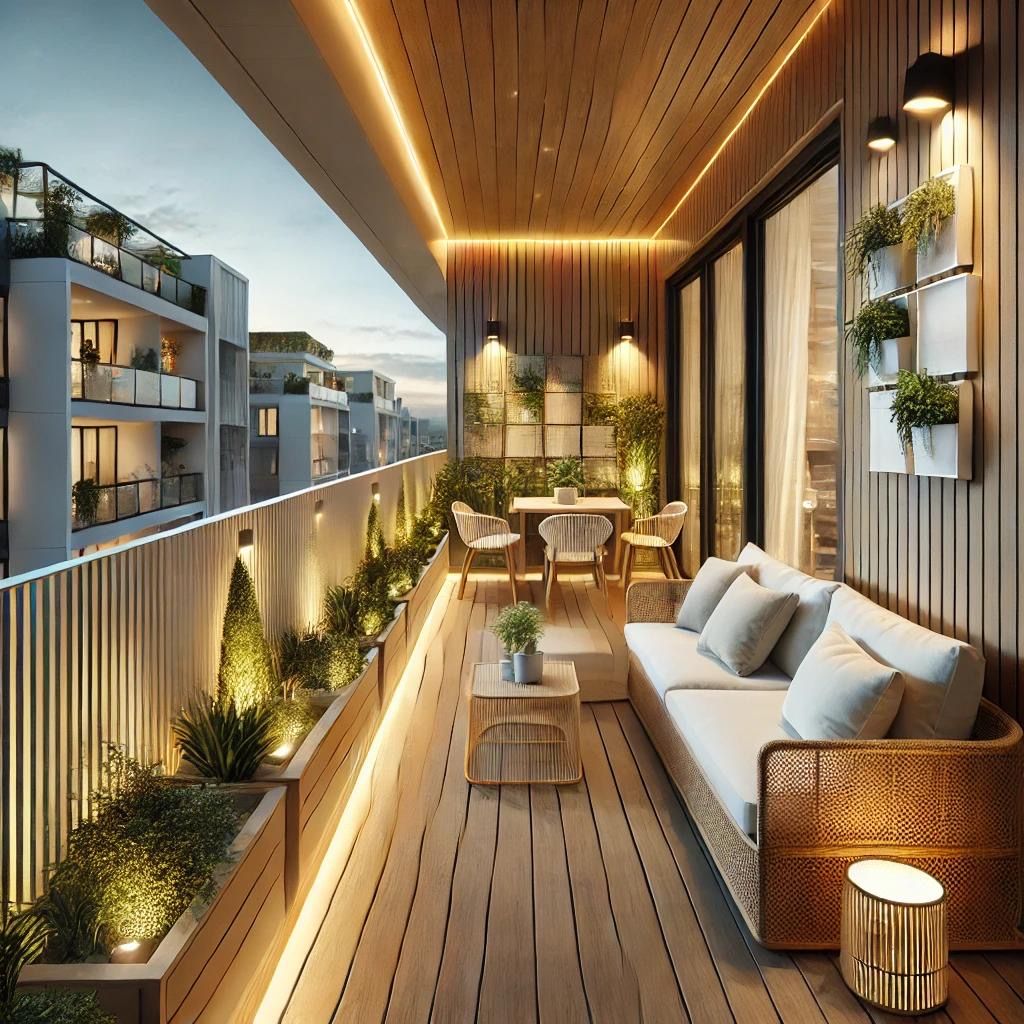
Interior designing is a multifaceted field that involves creating aesthetically pleasing and functional spaces within a given environment. Here’s a comprehensive overview covering key aspects of interior designing:
1. Fundamental Principles:
- Balance: Achieving visual equilibrium in a space by distributing visual weight.
- Harmony: Ensuring all elements work together to create a cohesive look.
- Contrast: Using opposing elements (colors, textures) for visual interest.
- Proportion and Scale: Ensuring elements are appropriately sized for the space.
- Rhythm: Creating visual flow and repetition throughout the space.
2. Space Planning:
- Functionality: Designing spaces that meet the needs of occupants.
- Traffic Flow: Ensuring easy movement within a space.
- Zoning: Dividing spaces based on function (e.g., living, dining, sleeping areas).
3. Color Theory:
- Psychology of Color: Understanding how colors impact mood and perception.
- Color Schemes: Employing complementary, analogous, or monochromatic color schemes.
4. Materials and Finishes:
- Selection: Choosing appropriate materials for durability and aesthetics.
- Texture: Adding visual and tactile interest through various textures.
5. Furniture and Accessories:
- Selection: Choosing furniture that complements the overall design.
- Arrangement: Placing furniture for optimal flow and functionality.
- Accessories: Adding decorative elements to enhance the space.
6. Lighting Design:
- Natural Light: Maximizing sunlight for a bright and airy feel.
- Artificial Lighting: Strategically placing fixtures for ambiance and task lighting.
7. Architectural Elements:
- Molding and Trim: Adding architectural details for visual interest.
- Ceilings: Using different ceiling designs to enhance the overall aesthetic.
8. Technology Integration:
- Smart Home Systems: Incorporating technology for convenience and efficiency.
9. Sustainability:
- Environmentally Friendly Practices: Choosing eco-friendly materials and designs.
10. Styles and Themes:
- Historical Styles: Incorporating elements from different design eras.
- Contemporary Trends: Staying updated with current design trends.
11. Client Communication:
- Needs Assessment: Understanding the client’s preferences and requirements.
- Presentation Skills: Effectively communicating design concepts to clients.
12. Education and Training:
- Formal Education: Pursuing degrees or certifications in interior design.
- Continuous Learning: Staying informed about industry trends and innovations.
13. Legal and Ethical Considerations:
- Building Codes: Adhering to regulations for safety and compliance.
- Ethical Practices: Maintaining professionalism and integrity in design projects.
14. Project Management:
- Budgeting: Managing project costs effectively.
- Timeline: Ensuring projects are completed within specified timeframes.
15. Portfolio Development:
- Showcasing Work: Building a portfolio to demonstrate design capabilities.
Interior designing is a dynamic field that requires creativity, adaptability, and a deep understanding of the principles and practices mentioned above. Whether you are a professional interior designer or someone interested in enhancing their living space, these aspects provide a foundational understanding of interior design.