Current Trends in Interior Design: 12 Powerful Ideas Shaping Modern Homes
The current trends in interior design are moving beyond simple decoration. Modern homes are becoming more personal, sustainable, comfortable, technology-friendly and adaptable to changing lifestyles.
From warm minimalism and natural materials to bold colors, smart homes, multifunctional furniture and wellness-focused spaces, discover the interior design trends shaping homes in Delhi NCR, Gurgaon and Noida.
What Are the Current Trends in Interior Design?
The current trends in interior design include warm minimalism, personalized interiors, sustainable materials, natural textures, bold accent colors, multifunctional furniture, smart-home technology, layered lighting, wellness-focused spaces and flexible room layouts.
The strongest trend is not one particular color or furniture style. It is the move toward interiors that are beautiful, practical, comfortable and tailored to the people who live in them.
Why Current Interior Design Trends Matter
Interior design trends provide inspiration, but the best trends are the ones that improve the way a space works. Modern homeowners are looking for homes that are visually attractive while also being easy to live in and maintain.
This has created a shift from purely decorative interiors toward people-centred design. Storage, lighting, comfort, technology, sustainability and flexibility are becoming just as important as color and furniture.
For homeowners in Delhi NCR, Gurgaon and Noida, this approach is especially useful because many modern apartments and urban homes need to make the most of available space.
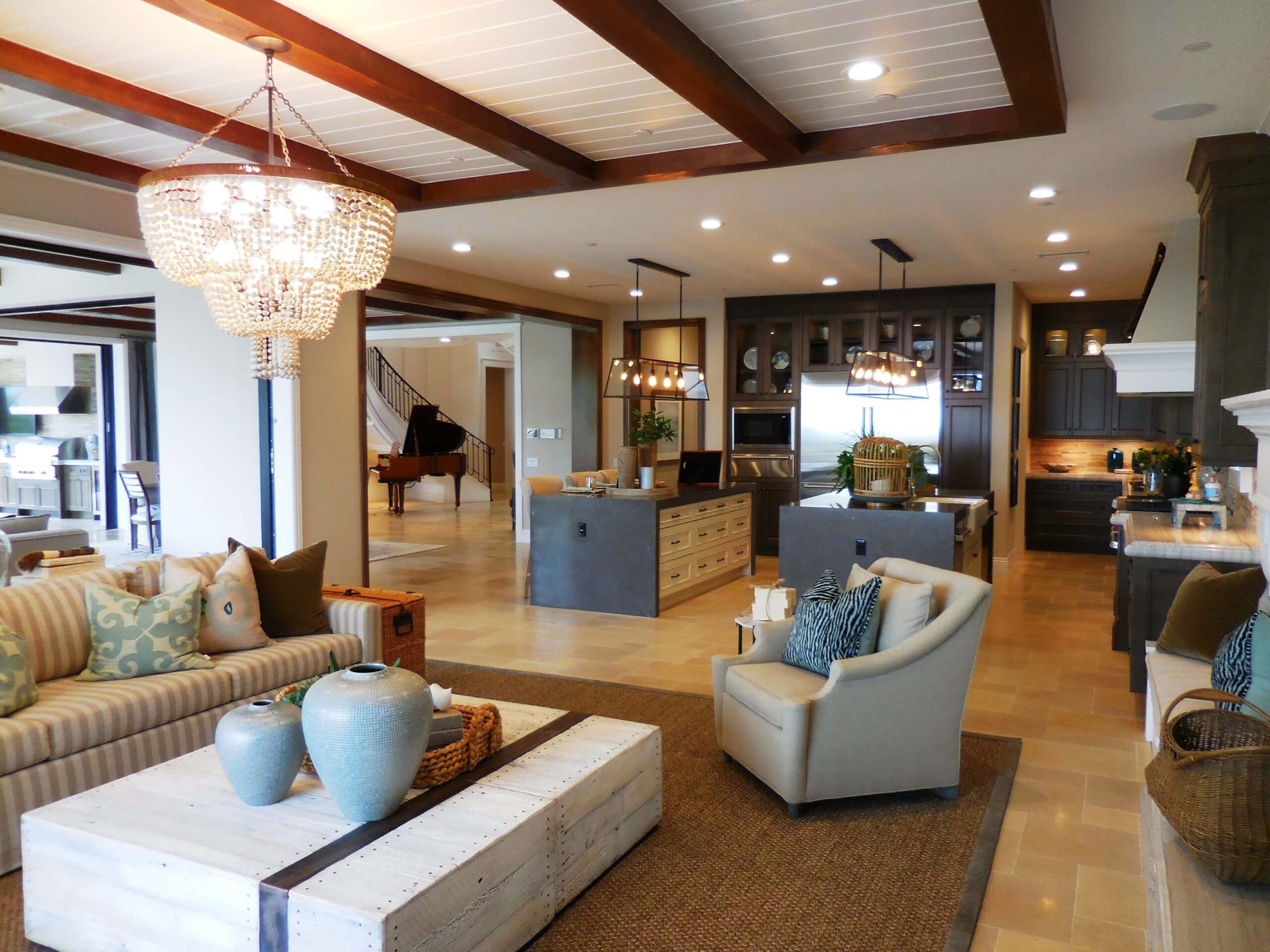
12 Current Trends in Interior Design to Know
Warm Minimalism
Minimalism is becoming softer and more welcoming. Instead of cold, completely empty rooms, designers are combining clean lines with warm wood, soft fabrics, textured walls and carefully selected decorative pieces.
Sustainable Interiors
Eco-conscious material choices, durable furniture, natural finishes and long-lasting design decisions are becoming increasingly important to homeowners.
Bold Colors
Deep greens, earthy browns, rich blues and other confident shades are being used as accents to add personality and visual depth.
Natural Materials
Wood, stone, cane, rattan, natural fabrics and tactile surfaces can create warmth and balance in contemporary homes.
Smart Home Integration
Lighting, climate controls, entertainment, security and other connected features are increasingly being integrated into residential interiors.
Wellness-Focused Design
Natural light, greenery, ventilation, comfortable furniture and calming layouts are becoming more important in modern homes.
Multifunctional Furniture
Furniture that combines storage, seating, work or sleeping functions helps urban homes use limited space more effectively.
Layered Lighting
Modern lighting schemes combine ambient, task and accent lighting to create different moods and improve everyday functionality.
Personalized Interiors
Homeowners are increasingly choosing interiors that reflect their interests, lifestyle, collections, artwork and individual preferences.
Flexible Floor Plans
Rooms are being designed to serve multiple purposes as work, study, social and family requirements change.
Textured Walls
Fluted panels, micro-textures, decorative finishes and carefully selected wall treatments add depth without overwhelming a room.
Timeless Over Trendy
Many homeowners are choosing a timeless base and adding trend-driven elements through accessories, artwork, textiles and lighting.
Warm Minimalism With a Personal Touch
Minimalism continues to influence modern interior design, but today’s interpretation is more comfortable and personal.
Rather than removing everything from a room, warm minimalism focuses on quality over quantity. A simple palette can be enhanced with natural wood, soft textiles, artwork, plants and carefully selected accessories.
The result is an uncluttered interior that still feels welcoming and lived in.
Sustainable Interior Design Is Becoming Mainstream
Sustainability is no longer limited to a small niche of interior design. Homeowners are increasingly considering how long products will last, how easy materials are to maintain and whether design choices can reduce unnecessary replacement.
- Choose durable furniture for high-use areas.
- Consider natural or responsibly sourced materials where suitable.
- Reuse or restore furniture when practical.
- Use energy-efficient lighting.
- Maximize natural light where the architecture permits.
- Use plants and greenery to add natural character.
- Avoid unnecessary decorative elements that quickly become outdated.
Bold Colors Are Returning
Neutral interiors remain popular, but bold colors are increasingly being used to create focal points and personality.
Deep green, navy, earthy terracotta, warm brown and other rich tones can be introduced through an accent wall, sofa, artwork, cushions, curtains or decorative objects.
The key is balance. A bold color does not have to dominate the entire room.

Natural Materials and Rich Textures
One of the most effective ways to make a modern home feel warmer is to combine clean architectural lines with natural materials and tactile surfaces.
Wood
Wood adds warmth and visual continuity to furniture, wall panels, kitchens and storage solutions.
Stone
Stone surfaces can provide durability and a strong natural visual element in kitchens, bathrooms and living spaces.
Natural Fabrics
Cotton, linen and other tactile fabrics can add softness and comfort to otherwise structured interiors.
Smart Home Technology Is Becoming Part of Interior Design
Technology works best when it is considered during the design stage. Electrical points, lighting controls, entertainment systems and other smart features can be planned alongside furniture and storage.
| Technology | Interior Planning | Benefit |
|---|---|---|
| Smart Lighting | Plan controls, fixture positions and lighting zones. | Flexible ambience and convenience. |
| Home Automation | Coordinate switches, controls and connected devices. | Greater convenience. |
| Entertainment | Plan TV, speakers, wiring and storage. | Cleaner visual appearance. |
| Security | Coordinate cameras, sensors and access systems. | Better integration. |
| Climate Control | Consider equipment and control locations. | Comfort and efficiency. |
Wellness-Focused Interiors
A beautiful home should also support everyday comfort. Wellness-focused interior design considers how light, air, acoustics, greenery, furniture and layout affect the experience of a space.
Natural Light
Use daylight effectively and avoid unnecessarily blocking windows.
Indoor Greenery
Plants can introduce natural color and soften contemporary interiors.
Comfort
Ergonomic furniture and thoughtful circulation improve everyday usability.
Flexible and Multifunctional Spaces
Modern homes often need to accommodate more than one activity. A room may function as a home office during the day and a guest room at night.
This makes flexible furniture, movable partitions and smart storage increasingly valuable.
- Home office + guest room combinations.
- Living room work zones.
- Dining areas with integrated storage.
- Foldable or multifunctional furniture.
- Flexible study and children’s spaces.
Layered Lighting Is Replacing One-Source Lighting
Lighting can completely change the character of an interior. Instead of depending on one central fixture, modern interior design increasingly uses multiple layers of illumination.
Ambient Lighting
Provides general illumination throughout the room.
Task Lighting
Supports specific activities such as cooking, reading or working.
Accent Lighting
Highlights artwork, architectural features, textures or decorative objects.
Personalization Is One of the Biggest Current Interior Design Trends
The strongest interiors do not necessarily follow every trend. They reflect the people who live in the home.
- Display meaningful artwork and photographs.
- Design storage around actual household routines.
- Choose furniture according to comfort and lifestyle.
- Use colors that feel appropriate to the occupants.
- Include travel collections, books or personal objects.
- Design rooms around how they are actually used.
- Keep enough visual simplicity to avoid unnecessary clutter.
Should You Follow Every Interior Design Trend?
No. Trends are useful for inspiration, but not every trend is appropriate for every home. A better strategy is to create a timeless foundation and introduce current trends through elements that can be changed easily.
| Long-Term Foundation | Easy-to-Change Trend Elements |
|---|---|
| Flooring | Cushions and throws |
| Kitchen layout | Decorative accessories |
| Wardrobe structure | Artwork |
| Major furniture pieces | Accent colors |
| Electrical planning | Decorative lighting |
Current Interior Design Trends in Delhi NCR, Gurgaon and Noida
Interior design trends need to be adapted to local lifestyles, apartment layouts, climate, maintenance requirements and available space. In Delhi NCR, Gurgaon and Noida, practical space planning is particularly important for modern apartments and urban homes.
Interior Design Trends in Gurgaon
Modern Gurgaon homes can benefit from contemporary layouts, smart storage, modular kitchens, integrated lighting and premium yet practical finishes.
Explore Gurgaon Interior Design →Interior Design Trends in Noida
Noida apartments can combine flexible layouts, multifunctional furniture, modern kitchens and personalized storage solutions.
Explore Noida Interior Design →Interior Design Trends in Delhi NCR
Delhi NCR homeowners can adapt modern trends with practical space planning, durable materials and personalized interior solutions.
Explore Delhi Interior Design →How to Apply Current Interior Design Trends Without Overdoing Them
- Start with your lifestyle and space requirements.
- Select a timeless base palette.
- Add one or two strong design directions rather than everything at once.
- Use artwork and accessories to introduce personality.
- Invest in good lighting.
- Prioritize storage and functionality.
- Choose durable materials for high-use areas.
- Keep trend-driven elements easy to replace.
- Consider technology only where it provides genuine value.
Explore More Interior Design Ideas
Exploring Timeless Interior Design Styles
Discover interior styles designed to remain visually relevant beyond short-lived trends.
Read the Guide →Future of Interior Design
Explore smart homes, AI, sustainability, wellness and the technologies shaping future interiors.
Read the Guide →Understanding Gen Z Interior Design Trends
Learn how changing lifestyles and preferences are influencing modern interior spaces.
Read the Guide →Ready to Turn Current Trends Into Your Home?
Interior trends work best when they are adapted to your home’s layout, budget, lifestyle and long-term needs. Interior A to Z provides customized interior design solutions across Delhi NCR, Gurgaon and Noida.
Book Interior Consultation Talk on WhatsAppFrequently Asked Questions About Current Interior Design Trends
What are the current trends in interior design?
Current trends in interior design include warm minimalism, sustainable materials, bold accent colors, natural textures, smart home technology, wellness-focused spaces, multifunctional furniture, layered lighting, personalized interiors and flexible layouts.
What is the biggest interior design trend right now?
Rather than one single style, a major direction is the combination of comfort, functionality and personalization. Homeowners are increasingly looking for interiors that look refined while working well for everyday life.
Is minimalism still popular in interior design?
Yes. Minimalism remains influential, but it is increasingly being softened with warm materials, textures, artwork, plants and personal objects.
Are bold colors trending in interior design?
Yes. Rich greens, blues, earthy tones and other deeper colors are being used as accents, feature walls and decorative elements to add personality and depth.
Is sustainable interior design becoming more popular?
Sustainability is increasingly influencing material selection, furniture choices, durability, energy-efficient lighting and long-term design decisions.
What materials are trending in modern interiors?
Natural wood, stone, tactile fabrics, textured finishes, cane, rattan and other natural-looking materials are popular because they add warmth and depth to contemporary spaces.
What are the latest living room interior design trends?
Popular directions include warm neutral palettes, natural materials, layered lighting, comfortable furniture, textured walls, personalized artwork and carefully selected accent colors.
How can I make my home look modern without following every trend?
Use a timeless foundation for flooring, major furniture and built-in elements. Introduce current trends through artwork, cushions, accessories, accent colors and lighting that can be updated more easily.
What interior design trends work well for small homes?
Flexible furniture, smart storage, multifunctional rooms, light-reflective finishes, layered lighting and uncluttered layouts can work particularly well in compact homes.
Which interior design trends are suitable for Gurgaon, Noida and Delhi NCR?
Trends such as smart storage, multifunctional furniture, modular kitchens, personalized layouts, layered lighting and durable materials can be adapted well to many urban homes across Gurgaon, Noida and Delhi NCR.
Final Thoughts on Current Trends in Interior Design
The current trends in interior design show a clear movement toward comfortable, personalized, sustainable and functional homes.
Warm minimalism can make a room feel calm without becoming sterile. Natural materials can introduce warmth. Bold colors can add personality. Smart technology can improve convenience, while flexible furniture can help homes adapt to changing lifestyles.
The most successful interior is not necessarily the one that follows the most trends. It is the one that combines current ideas with timeless planning and the real needs of the people who use the space.
For homeowners in Gurgaon, Noida, Delhi and the wider Delhi NCR region, professional space planning can help turn these design trends into a cohesive and practical home.
Choose trends for inspiration, but design your home for the way you actually live.
Minimalism with a Personal Touch
In the ever-evolving world of interior design, minimalism continues to reign supreme. However, it is taking on a new dimension as homeowners increasingly seek to add personal flair to their spaces. This means incorporating unique art pieces, photographs, or handmade accessories while maintaining a clean, uncluttered environment. The balance of simplicity with a touch of personality is a key trend driving modern design.
Sustainable and Eco-Friendly Choices
Another significant trend in interior design is the shift towards sustainability. Designers and homeowners are prioritizing eco-friendly materials, such as reclaimed wood, recycled glass, and organic textiles. These choices not only convey a commitment to environmental responsibility but also add a unique character to spaces. Additionally, the use of plants and greenery is on the rise, as they not only enhance aesthetics but also improve indoor air quality.
Bold Colors and Textures
While neutral palettes have been popular for some time, there is a noticeable shift towards bolder colors and varied textures in interior design. Rich hues, such as deep greens, blues, and earthy tones, are making a comeback, particularly when used in accent pieces or feature walls. Additionally, the mix of different textures—think velvet cushions paired with sleek leather furniture—helps create a more dynamic and inviting ambiance.