Exploring the Future of Interior Design: Trends, Technology & Smart Living
The future of interior design is moving toward smarter, more sustainable, personalized and technology-driven spaces. From intelligent homes and flexible layouts to natural materials, wellness-focused interiors and AI-assisted design, the way we create and experience spaces is changing.
Explore the major trends shaping the future of interior design and discover how homeowners in Delhi NCR, Gurgaon and Noida can prepare their spaces for the next generation of living.
What Is the Future of Interior Design?
The future of interior design is likely to combine technology, sustainability, flexibility, personalization and wellness. Designers are increasingly considering how spaces can adapt to changing lifestyles while using smart technology, efficient lighting, durable materials and environmentally conscious solutions.
Rather than following one single visual style, future interiors will focus on creating spaces that are functional, adaptable, comfortable and personal to the people who use them.
How Interior Design Is Changing
Interior design has always responded to changes in technology, culture, architecture and lifestyle. Today, these changes are happening faster as people spend more time at home, use connected devices and become more aware of sustainability and wellness.
The future of interior design is therefore not simply about creating futuristic-looking rooms. It is about making spaces work better for the people who live and work in them.
The strongest future-focused interiors will combine visual appeal with practical performance.
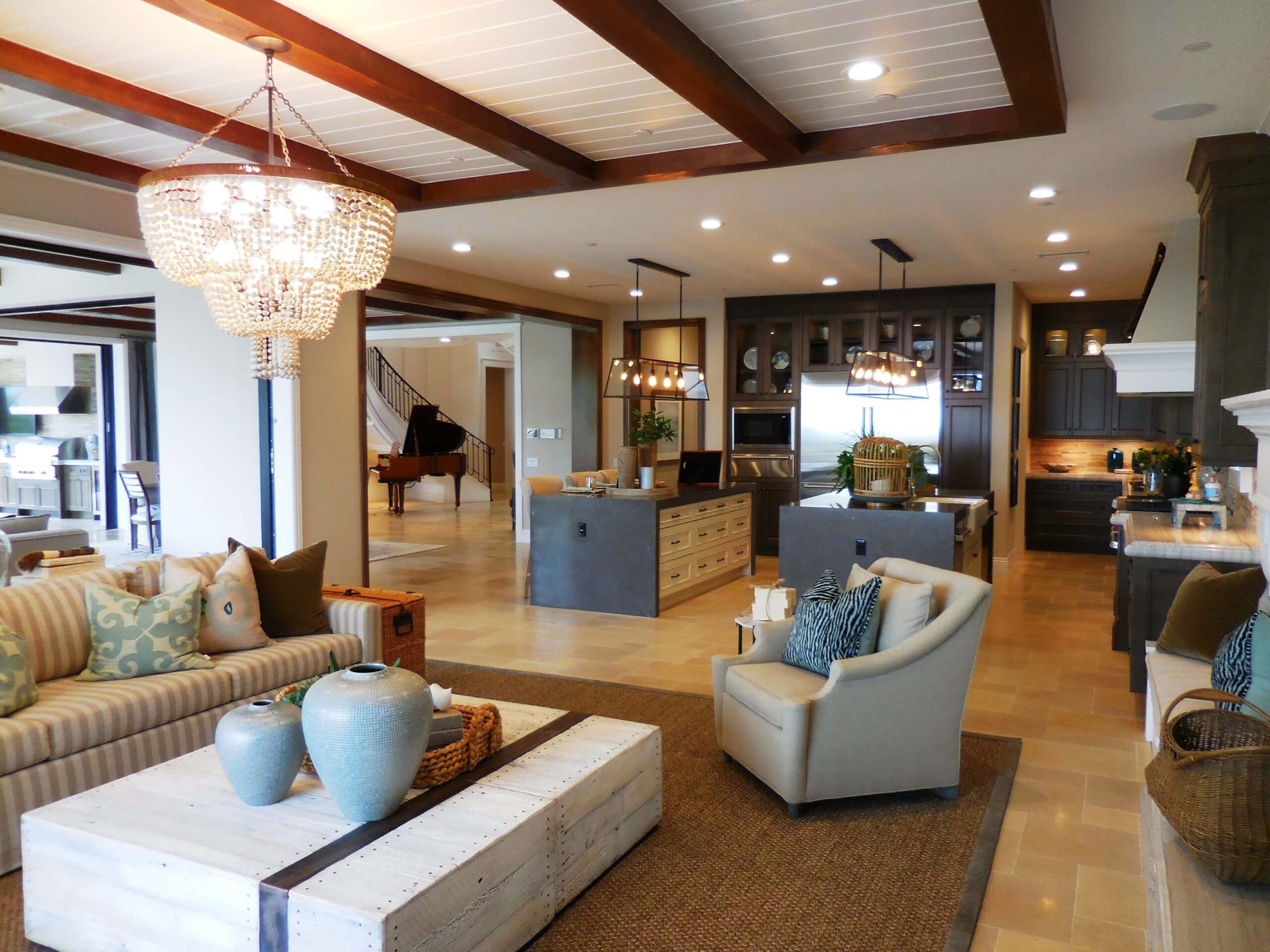
10 Trends Shaping the Future of Interior Design
AI-Assisted Interior Design
Artificial intelligence can help designers explore concepts, generate visual references, compare styles and communicate ideas more efficiently. Human expertise remains essential for understanding real spaces, materials, budgets and client needs.
Smart Home Integration
Lighting, climate control, security, entertainment and other home systems are increasingly being connected. Interior design must accommodate technology without allowing it to dominate the visual character of the space.
Sustainable Interiors
Material choices are increasingly influenced by durability, responsible sourcing, maintenance and environmental considerations.
Wellness-Focused Spaces
Natural light, ventilation, greenery, comfortable furniture and calming environments are becoming increasingly important in residential interiors.
Flexible Rooms
Future homes need to adapt. A room may serve as a home office, guest room, study area or entertainment space at different times.
Personalized Interiors
Generic interiors are giving way to spaces that reflect the personality, habits, interests and lifestyle of their occupants.
Multifunctional Furniture
Furniture that combines storage, seating, work and other functions can help maximize space, particularly in urban homes.
Natural Materials
Wood, stone, textured surfaces, natural fabrics and handcrafted details can bring warmth and visual depth to technology-rich interiors.
Human-Centred Design
Future interior design will continue to prioritize comfort, accessibility, ergonomics and the actual experience of people using a space.
Immersive Design Visualization
Digital visualization tools can help clients understand spatial concepts before construction and make design decisions with greater confidence.

How AI Could Influence Interior Design
AI is becoming an increasingly useful tool for exploring design possibilities. It can assist with inspiration, mood exploration, image generation, visualization and early-stage concept development.
However, AI-generated ideas still need professional evaluation. Real-world design involves dimensions, structural constraints, materials, budgets, building conditions, electrical requirements and human behaviour.
The future is therefore likely to be less about replacing designers and more about giving designers better tools to explore and communicate ideas.
Smart Homes Will Change the Way Interiors Are Planned
Technology is becoming part of the built environment. Future interior designers need to consider technology early rather than adding it as an afterthought.
| Smart Feature | Interior Design Consideration | Potential Benefit |
|---|---|---|
| Smart Lighting | Lighting positions, controls and fixture integration | Flexible ambience and convenience |
| Smart Climate | Controls and equipment placement | Comfort and automation |
| Home Entertainment | Screen, speaker and cable planning | Cleaner and more integrated interiors |
| Security Technology | Camera, sensor and access-point planning | Better integration with the home |
| Voice Control | Device and electrical coordination | Convenient control |
Sustainable Interior Design Will Become More Important
Sustainability is becoming a major consideration in the future of interior design. Instead of treating sustainability as a decorative trend, designers can consider the entire lifecycle of materials and products.
- Choose durable materials where appropriate.
- Consider materials with responsible sourcing and manufacturing practices.
- Reduce unnecessary replacement and short-lived design trends.
- Prioritize natural light and passive comfort where practical.
- Consider energy-efficient lighting and appliances.
- Select finishes that are appropriate for their intended use.
- Design storage and furniture for long-term usability.
- Consider maintenance and repair when selecting products.
Wellness Will Influence Future Homes
The future of interior design is increasingly concerned with how spaces make people feel and function.
Wellness-oriented interiors can incorporate natural light, ventilation, comfortable furniture, uncluttered layouts, greenery, appropriate lighting levels and materials that create a pleasant sensory environment.
The goal is not to create a particular aesthetic but to make everyday spaces more comfortable and supportive.
Flexible and Multifunctional Spaces
Urban homes often have to perform several functions within limited floor areas. This is encouraging designers to rethink traditional room boundaries.
Home Office + Guest Room
A well-planned room can accommodate a desk, storage and a comfortable guest sleeping arrangement.
Living + Work Zone
Compact homes can use furniture placement, partitions and lighting to separate activities without making the room feel smaller.
Kitchen + Social Space
Open-plan kitchen layouts can combine food preparation, dining, storage and social interaction.
Materials That Could Define Future Interiors
The future of interior design will not necessarily mean abandoning traditional materials. Instead, designers may combine familiar materials with improved manufacturing, technology and sustainable alternatives.
Natural Wood
Wood adds warmth and tactile character and can balance technology-heavy interiors.
Stone and Mineral Surfaces
Durable surfaces can provide visual longevity in kitchens, bathrooms and living spaces.
Natural Textiles
Textiles contribute comfort, acoustics and softness to modern interiors.
Recycled Materials
Recycled and reclaimed materials can offer distinctive character while supporting more resource-conscious design approaches.
Low-Maintenance Finishes
Future homes may increasingly prioritize surfaces that are practical and easy to maintain.
Smart Materials
Emerging material technologies may introduce new performance and functional possibilities into interior environments.
The Future Will Be More Personalized
One of the strongest directions in interior design is personalization. Homeowners increasingly want interiors that represent how they actually live rather than simply reproducing a showroom style.
- Furniture designed around the user’s body and lifestyle.
- Storage based on actual household habits.
- Lighting scenes for different activities.
- Personal collections and artwork integrated into the design.
- Flexible spaces that change with family requirements.
- Materials selected for lifestyle and maintenance needs.
- Technology integrated according to genuine user requirements.
How Future Interior Design Projects May Work
Understand
Lifestyle, space, budget, technology and sustainability priorities.
Explore
Use digital tools and design concepts to compare possibilities.
Coordinate
Combine layout, materials, lighting, furniture and technology.
Build
Coordinate materials, contractors, technology and execution.
The Future of Interior Design in India
India’s rapidly changing cities are creating new opportunities for interior design. Apartments, builder floors, independent homes and compact urban residences increasingly require designs that balance space efficiency, comfort, technology and individual preferences.
In Delhi NCR, Gurgaon and Noida, future-ready interiors can be particularly useful where homeowners want to maximize available space while maintaining a clean, contemporary aesthetic.
Future-Ready Interiors in Gurgaon
Gurgaon homes can benefit from flexible layouts, smart storage, integrated technology and contemporary materials.
Explore Gurgaon Interior Design →Modern Interiors in Noida
Noida residences can combine efficient space planning with smart home features, sustainable materials and personalized furniture.
Explore Noida Interior Design →Future of Interior Design in Delhi NCR
Delhi NCR homeowners can explore practical, technology-enabled interiors designed around modern urban lifestyles.
Explore Delhi Interior Design →How to Prepare Your Home for the Future
You do not need to install every new technology or follow every emerging trend. A future-ready interior should focus on decisions that remain useful over time.
- Prioritize a strong and flexible space plan.
- Invest in good-quality, durable furniture where it matters.
- Plan sufficient electrical and technology points.
- Use layered lighting rather than relying on one light source.
- Create adaptable storage.
- Choose materials based on lifestyle and maintenance.
- Leave room for future technology upgrades.
- Avoid excessive dependence on short-lived trends.
- Personalize the interior around the people who use it.
Related Interior Design Guides
Current Trends in Interior Design Styles
Explore contemporary interior styles and the design directions influencing modern homes.
Read the Guide →Exploring Timeless Interior Design Styles
Discover design approaches that can remain relevant beyond short-lived trends.
Read the Guide →Understanding Gen Z Interior Design Trends
Learn how changing lifestyles and preferences are influencing interior design.
Read the Guide →Ready to Create a Future-Ready Interior?
A future-ready home does not have to look futuristic. The best approach is to combine timeless design, practical planning, technology where useful and materials selected for long-term living.
Plan Your Interior Talk on WhatsAppFrequently Asked Questions About the Future of Interior Design
What is the future of interior design?
The future of interior design is expected to focus on smarter technology, sustainable materials, flexible spaces, wellness, personalization and human-centred design. The emphasis is likely to remain on making spaces more useful and comfortable rather than simply making them look futuristic.
Will AI replace interior designers?
AI can assist with concept development, visualization and design exploration, but professional interior design also requires understanding real spaces, materials, budgets, construction constraints and human needs. AI is more likely to become an additional design tool than a complete replacement for professional expertise.
What are the biggest future interior design trends?
Major trends include smart homes, sustainable design, flexible layouts, wellness-focused interiors, multifunctional furniture, personalization, digital visualization and the integration of technology with natural materials.
Will sustainable interior design become more important?
Sustainability is likely to remain an important consideration as homeowners and designers pay greater attention to durability, material choices, maintenance, energy use and responsible resource consumption.
How will smart homes affect interior design?
Smart home systems can influence electrical planning, lighting, controls, security, entertainment and furniture placement. Integrating these requirements during design can produce a cleaner and more coordinated result.
What is a future-ready home interior?
A future-ready home is adaptable, functional and capable of accommodating changing technology and lifestyle requirements. It does not need to follow every trend; strong space planning and flexible infrastructure are often more valuable.
Is futuristic interior design suitable for Indian homes?
Yes. Future-focused design can be adapted to Indian homes by combining technology and contemporary planning with practical storage, comfortable furniture, appropriate materials and the needs of local lifestyles.
How can I make my home future-ready without spending too much?
Start with good space planning, flexible storage, layered lighting, sufficient electrical points and durable materials. Technology can then be added according to actual needs rather than installing every available smart feature.
What role will interior designers play in the future?
Interior designers will continue to coordinate aesthetics, functionality, materials and human needs while increasingly using digital tools and technology to visualize and manage design projects.
Final Thoughts: The Future of Interior Design
The future of interior design is not about replacing traditional design principles with technology. It is about combining the best of both.
Smart technology can improve convenience. Sustainable materials can support longer-lasting spaces. Flexible layouts can respond to changing lifestyles. Wellness-focused planning can improve everyday comfort. Personalization can make a home feel genuinely connected to the people who live there.
For homeowners in Gurgaon, Noida, Delhi and the wider Delhi NCR region, the best future-ready interior may therefore be one that is not overly futuristic at all. It should be adaptable, comfortable, efficient, personal and designed to remain useful for years to come.
The future of interior design belongs to spaces that work intelligently, look beautiful and serve real human needs.
Innovative Trends Shaping Interior Design
The future of interior design promises an exciting evolution shaped by technology, sustainability, and changing lifestyles. As we move forward, designers are expected to adopt innovative trends that not only enhance aesthetics but also contribute to environmental well-being. With an increasing focus on sustainability, eco-friendly materials and practices are becoming essential components of modern interior design.
The Impact of Technology on Living Spaces
Technology is revolutionizing the way we interact with our environments. Smart home systems, AI-driven design tools, and virtual reality are just a few innovations influencing the interior design landscape. Homeowners can now customize their spaces through digital visualization, making it easier to experiment with design choices without the usual guesswork. This technological integration allows for more efficient designs that cater to individual preferences.
Emphasizing Wellbeing and Functionality
The future will also place a strong emphasis on wellness and functionality in interior spaces. With changes in how we live and work, designs will reflect a desire for comfortable, multifunctional areas. Open layouts, flexible furniture, and biophilic design elements—incorporating nature within indoor settings—will enhance both physical and mental health. This transition acknowledges the importance of our environments in influencing well-being and productivity.