Exploring the Latest Interior Design Trends in Delhi NCR

Exploring the Latest Interior Design Trends in Delhi NCR
Discover the latest interior design trends in Delhi NCR, from warm minimalism and sustainable materials to biophilic interiors, smart-home technology, multifunctional furniture and personalized luxury for modern homes in Delhi, Gurgaon and Noida.
Plan Your InteriorModern Delhi NCR Homes Are Becoming Warmer, Smarter and More Personal
The latest interior design trends in Delhi NCR are moving beyond purely decorative spaces. Homeowners across Delhi, Gurgaon and Noida increasingly want interiors that combine comfort, functionality, individuality and long-term value.
Current design directions include warm neutral palettes, sustainable materials, natural textures, biophilic elements, integrated technology, flexible furniture and layered lighting. These trends reflect the practical realities of urban living while allowing homeowners to create more expressive spaces.
Recent Interior A to Z trend guidance similarly highlights warm earthy colors, sustainable luxury, biophilic design, seamless storage, statement lighting and multifunctional spaces as important directions for Delhi NCR homes. :contentReference[oaicite:0]{index=0}
Warm Minimalism Is Replacing Cold, Sterile Minimalism
Minimalism remains relevant, but its character is changing. Instead of completely white rooms and stark furniture, Delhi NCR homeowners are embracing warmer versions of minimalism built around natural textures, soft lighting and comfortable furniture.
Warm minimalism keeps the visual clarity of a minimalist home while introducing wood, linen, stone, textured walls, rugs and carefully selected decorative pieces.
- Warm beige, taupe and sand tones
- Natural wood and stone
- Soft, layered lighting
- Clean furniture silhouettes
- Textured fabrics and rugs
- Limited but meaningful décor


Earthy Colors Are Bringing More Warmth to Delhi NCR Interiors
One of the strongest latest interior design trends in Delhi NCR is the shift from cool greys toward warmer, nature- inspired colors.
Terracotta, clay, sand, taupe, olive, rust and deep brown can create a more grounded atmosphere. These colors work particularly well when paired with natural wood, stone and soft fabrics.
- Sand beige + walnut
- Terracotta + cream
- Olive green + natural oak
- Taupe + brass
- Rust + warm white
Sustainable Materials Are Becoming Part of Modern Luxury
Sustainability is increasingly influencing material choices. Instead of treating eco-friendly design as a separate aesthetic, homeowners are incorporating responsible materials into sophisticated interiors.
Natural wood, low-VOC finishes, durable surfaces, locally sourced materials, recycled elements and long-lasting furniture can reduce the need for frequent replacement while creating a richer visual environment.
- Low-VOC paints and finishes
- Durable engineered materials
- Natural fabrics
- Responsible wood products
- Locally sourced stone and craft
- Upcycled or restored furniture
- Energy-efficient lighting
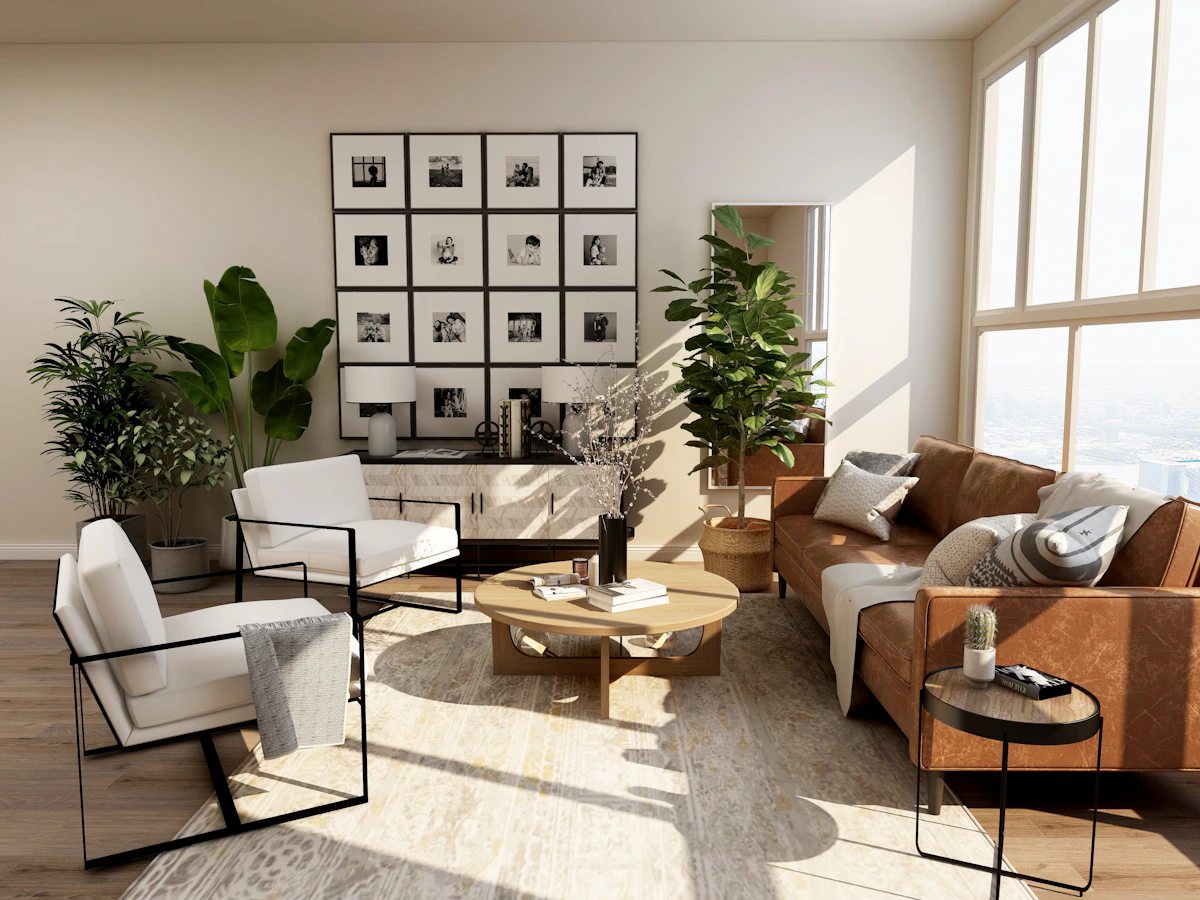
Natural Textures
Wood, stone, linen, jute and woven materials add tactile depth while supporting a more natural interior language.
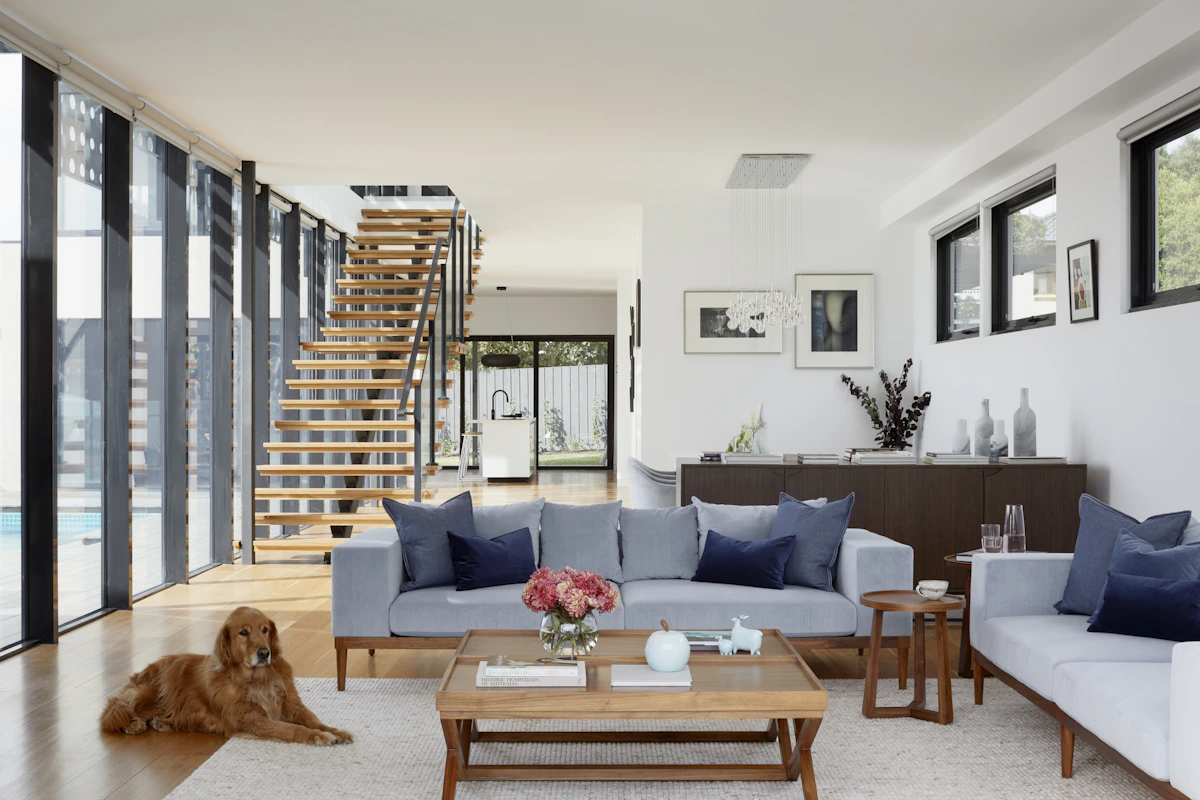
Biophilic Interiors
Indoor plants, natural light and organic materials help connect urban homes with nature.

Curated Personal Spaces
Homeowners are mixing modern furniture with artwork, vintage pieces, travel objects and personal collections.
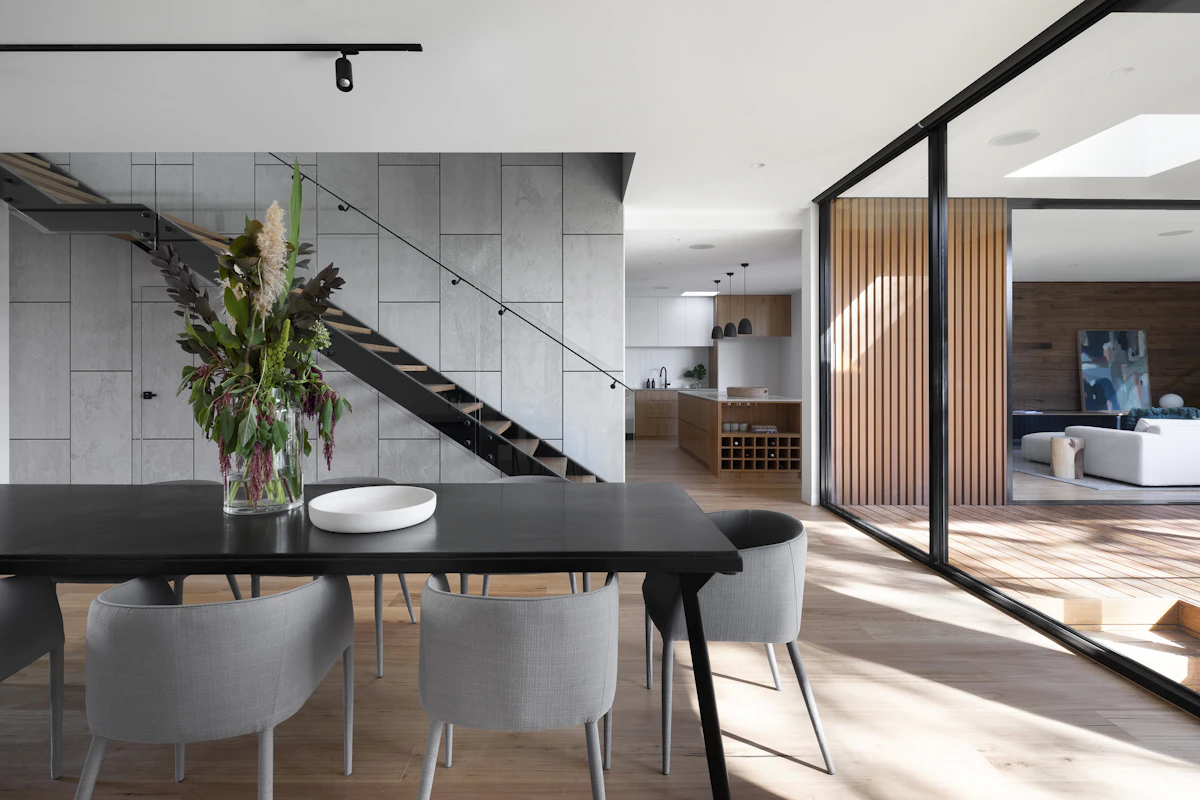
Quiet, Understated Luxury
Premium interiors increasingly rely on craftsmanship, proportion and material quality instead of excessive ornament.

Smart Home Technology Is Becoming More Seamlessly Integrated
Technology is now part of the everyday interior experience. Automated lighting, smart curtains, security systems, climate control and connected appliances can be integrated into modern homes without dominating the visual design.
The most successful smart interiors hide the infrastructure behind clean cabinetry, ceilings and architectural detailing.
- Automated lighting scenes
- Smart switches and sensors
- Motorized curtains
- Connected security systems
- Smart climate control
- Voice-controlled appliances
Biophilic Interior Design Brings Nature Into Urban Homes
Delhi NCR’s dense urban environment has increased interest in nature-inspired interiors. Plants, natural daylight, timber, stone, organic fabrics and views of greenery can make residential interiors feel calmer and more connected to the outdoors.
Biophilic design does not require a large house or extensive garden. A balcony garden, indoor planter, green wall or carefully positioned plant can introduce the concept even in a compact apartment.

Flexible Rooms Are Essential for Modern Urban Homes
Apartments in Gurgaon, Noida and Delhi often need to accommodate multiple activities within limited floor areas. As a result, multifunctional furniture and flexible layouts have become important parts of contemporary interior design.
- Storage beds
- Foldable dining tables
- Wall-mounted desks
- Sofa-cum-beds
- Sliding partitions
- Modular wardrobes
- Built-in storage benches

Home Offices Are Becoming Better Integrated Into Residential Interiors
Hybrid work has changed how rooms are planned. Instead of creating a separate office in every home, designers are often integrating compact workstations into bedrooms, living areas, corridors or multifunctional rooms.
Ergonomic furniture, task lighting, acoustic treatment and concealed storage can make a small workstation feel intentional rather than temporary.
Sleek Modular Kitchens Are Moving Toward Seamless Storage
The modern kitchen is increasingly designed as part of the overall living space. Handleless cabinets, integrated appliances, tall storage, appliance garages and streamlined finishes help create a visually uncluttered kitchen.
This is especially useful for open-plan apartments where the kitchen remains visible from the living and dining areas.
| Kitchen Trend | Why It Works | Best For |
|---|---|---|
| Handleless Cabinets | Creates a clean architectural appearance | Modern apartments |
| Tall Storage Units | Uses vertical space efficiently | Compact kitchens |
| Hidden Appliances | Reduces visual clutter | Open-plan homes |
| Matte Finishes | Provides understated contemporary character | Modern and luxury interiors |
| Integrated Lighting | Improves task lighting and ambience | All kitchen types |
Lighting Is Becoming an Architectural Feature
Lighting is no longer treated as a finishing detail. Designers are increasingly using pendant lights, sculptural fixtures, concealed LED strips, wall lights and cove lighting to define the character of a room.
Layered lighting is particularly effective because it allows ambient, task and accent lighting to work together.
- General ambient illumination
- Task lighting for kitchens and workspaces
- Accent lighting for artwork and architectural features
- Decorative pendant or chandelier lighting
- Under-cabinet and concealed LED lighting

Texture Is Replacing Excessive Decoration
Instead of filling walls with numerous decorative objects, modern interiors are using texture to create visual depth. Fluted panels, limewash-style finishes, stone surfaces, wood detailing and handcrafted wall treatments can become focal points.
The result is a more sophisticated interior where material and light provide visual interest without excessive ornamentation.
Curated Interiors Are Replacing Perfectly Staged Homes
One of the most important shifts in the latest interior design trends in Delhi NCR is the move toward personalization. Homeowners increasingly want spaces that tell their own stories.
Family photographs, artwork, travel souvenirs, books, heirlooms, handcrafted objects and vintage furniture can coexist with contemporary pieces.
- Meaningful artwork
- Family photographs
- Travel collections
- Indian handicrafts
- Vintage furniture
- Custom-made pieces
Luxury in Delhi NCR Is Becoming More Understated
Luxury interiors in Gurgaon, Delhi and Noida are increasingly defined by material quality, craftsmanship and proportion rather than simply by expensive decorative objects.
Marble, natural stone, walnut, brass, textured fabrics and customized furniture can create a premium atmosphere when used selectively.
Quiet Luxury Living Rooms
Comfortable furniture, refined textures and layered lighting create luxury without visual excess.

Comfort-Focused Bedrooms
Upholstered headboards, soft lighting, textured walls and integrated storage are shaping modern bedroom design.
Indian Craft and Contemporary Design Are Coming Together
Contemporary Delhi NCR interiors increasingly combine modern architectural layouts with Indian craftsmanship. Handwoven textiles, carved furniture, brass details, traditional art and locally inspired patterns can add identity to a modern home.
The key is balance. Instead of turning an entire room into a themed traditional space, designers can use selected Indian elements as accents within a contemporary framework.
Designer Ceilings Are Becoming More Refined
False ceilings remain popular in Delhi NCR, but their design is becoming more restrained. Instead of elaborate patterns covering the entire ceiling, contemporary interiors often use simple drops, cove lighting, timber detailing or selective recessed elements.
- Minimal cove lighting
- Linear LED profiles
- Wood-look ceiling sections
- Fluted ceiling details
- Recessed lighting grids
- Selective ceiling drops

Mixed Materials Add Depth to Modern Interiors
Modern interiors are moving away from using one material throughout a room. Instead, designers are combining wood, stone, metal, glass, fabric and textured surfaces to create layered environments.
A restrained material palette is usually more successful than using too many unrelated finishes. Two or three dominant materials can provide a strong foundation, with smaller accents adding character.
Smart Storage Is Essential for Gurgaon and Noida Apartments
Compact urban homes require careful planning. Built-in wardrobes, concealed cabinets, storage beds, full-height shelving and multifunctional furniture help homeowners use every available area.
Good storage design is increasingly being integrated into architecture so that cabinets become visually quieter rather than dominating rooms.
| Room | Trending Storage Idea | Benefit |
|---|---|---|
| Living Room | Built-in media and display storage | Reduces clutter and creates a clean focal wall |
| Bedroom | Full-height wardrobes and storage beds | Maximizes vertical and under-bed space |
| Kitchen | Tall units and appliance garages | Keeps countertops organized |
| Entryway | Integrated shoe and utility storage | Creates a more organized entrance |
| Home Office | Wall-mounted desk and concealed cabinets | Uses limited floor area efficiently |
How Interior Trends Differ Across Delhi, Gurgaon and Noida
Although the major design directions are shared across the region, local property types and lifestyles influence how trends are applied.
Layered, Elegant and Contextual
Delhi homes can combine contemporary planning with traditional Indian art, richer materials, customized furniture and sophisticated detailing.
Contemporary and Technology-Driven
High-rise apartments and luxury residences often emphasize modern layouts, premium materials, smart-home technology and integrated storage.

Functional and Space-Conscious
Efficient layouts, modular kitchens, multifunctional furniture and smart storage are particularly valuable in apartment interiors.
Interior Design Styles That Are Losing Momentum
Trends naturally evolve. The goal is not to eliminate every older style but to understand which approaches may make a home feel dated or overly generic.
- Overly cold grey interiors
- Excessive decorative ceiling patterns
- Highly coordinated showroom-style rooms
- Too many unrelated accent colors
- Decoration without functional purpose
- Excessive use of one material or finish
How to Follow Trends Without Making Your Home Look Dated
The best approach is to use major trends selectively. Permanent elements such as flooring, cabinetry and built-in furniture should generally have a timeless foundation, while trends can be introduced through lighting, artwork, fabrics, accessories and paint.
Keep the Base Timeless
Use durable neutral materials for major architectural elements.
Add Current Details
Introduce trends through lighting, textiles, artwork and décor.
Prioritize Function
Choose trends that solve a real lifestyle or space-planning problem.
Personalize
Mix current ideas with objects and details that have personal meaning.
The Biggest Trend: Interiors Designed Around People
Perhaps the most important development in Delhi NCR interior design is the shift toward practical personalization. Modern homeowners want beautiful spaces, but they also want interiors that support their routines.
A successful home should therefore answer practical questions: Where does everything go? How does the family use the living room? Is there enough task lighting? Can the furniture adapt? Is the kitchen easy to maintain? Does the bedroom feel comfortable at night?
These questions are often more valuable than simply asking which style is currently fashionable.

The Latest Interior Design Trends in Delhi NCR Point Toward Warmer, Smarter and More Individual Homes
The latest interior design trends in Delhi NCR reflect a clear movement toward comfort, warmth, functionality and personalization. Across Delhi, Gurgaon and Noida, homeowners are moving away from purely decorative interiors and toward spaces that respond to real lifestyles.
Warm minimalism, earthy colors, sustainable materials, biophilic design, smart-home technology, multifunctional furniture, seamless storage and layered lighting are among the most useful directions for contemporary homes. Interior A to Z’s current Delhi NCR guidance also identifies minimalist layouts, smart-home integration, sustainable materials and open planning as important contemporary directions. :contentReference[oaicite:1]{index=1}
The key is not to copy every trend. Choose ideas that improve your home’s comfort, functionality and personality, then combine them with timeless materials and thoughtful planning.
Frequently Asked Questions About Interior Design Trends in Delhi NCR
What are the latest interior design trends in Delhi NCR?
Major trends include warm minimalism, earthy colors, sustainable materials, biophilic design, smart-home technology, multifunctional furniture, seamless storage, statement lighting and personalized interiors. These directions are reflected in current Interior A to Z Delhi NCR design guidance. :contentReference[oaicite:2]{index=2}
Is minimalism still popular in Delhi NCR?
Yes, but minimalism is evolving. Warm minimalism with natural textures, earthy colors, comfortable furniture and layered lighting is increasingly preferred over stark, cold minimalism.
Which colors are trending in Delhi NCR interiors?
Warm beige, taupe, terracotta, clay, olive green, rust and deep brown are popular choices. These colors can be combined with natural wood, stone and warm white finishes.
What interior trends work best for small apartments in Gurgaon and Noida?
Multifunctional furniture, integrated storage, modular kitchens, wall-mounted workstations, sliding partitions and light visual palettes are particularly useful for compact apartments.
Are sustainable interiors becoming popular in Delhi NCR?
Yes. Sustainable materials, durable furniture, natural finishes, energy-efficient lighting and low-VOC products are increasingly being considered in modern residential interiors.
Is smart-home technology part of modern interior design?
Yes. Smart lighting, automated curtains, security, climate control and connected appliances are increasingly integrated into contemporary homes.
How can I use trends without making my home look outdated?
Keep major architectural elements timeless and use trends through paint, lighting, furniture, textiles, artwork and accessories. Select trends that also improve functionality and reflect your lifestyle.
What is the biggest interior design trend for Delhi NCR homes?
The broader shift is toward personalized interiors that combine comfort, functionality, natural materials, smart technology and visual warmth rather than following a single rigid style.
Ready to Bring These Delhi NCR Interior Trends Into Your Home?
Create a home that combines current design ideas with practical space planning, personalized interiors, smart storage, lighting and timeless materials.
Start Your Interior Design ProjectDelhi NCR Interior Design
Delhi NCR, a vibrant hub of culture and creativity, continues to set the stage for innovative interior design trends. As urban living evolves, so do the preferences and tastes of its inhabitants. In this blog post, we explore the latest trends shaping the interiors of homes and commercial spaces across the region. From modern minimalism to eclectic styles, the interior design landscape in Delhi NCR is both dynamic and diverse.
1. Minimalist Elegance
One of the prevailing trends in Delhi NCR is the move towards minimalist design. Homeowners are increasingly favoring clean lines, uncluttered spaces, and a neutral color palette. This approach not only creates a serene environment but also allows for greater functionality. Minimalism emphasizes quality over quantity, where every piece of furniture is chosen for its aesthetic and practical value.
2. Sustainable Design Practices
Another significant trend in interior design is the focus on sustainability. In Delhi NCR, more designers and homeowners are opting for eco-friendly materials and practices. This includes the use of recycled materials, energy-efficient appliances, and sustainable sourcing of furniture. Such choices not only contribute to environmental conservation but also add a unique character to spaces, making them more inviting and warm.
3. Fusion of Traditional and Modern Elements
As a region rich in heritage, Delhi NCR sees a beautiful blend of traditional and contemporary design elements. Homeowners are incorporating local craftsmanship, such as intricate woodwork and handicrafts, into modern interiors. This fusion creates a unique aesthetic that tells a story of cultural richness while meeting the demands of modern living.
In conclusion, the interior design trends in Delhi NCR reflect a blend of minimalism, sustainability, and cultural fusions. As these trends continue to evolve, they promise to enhance the beauty and functionality of spaces, making them truly reflective of the dynamic lifestyle of the region.
Exploring the Latest Interior Design Trends in Delhi NCR Read More »