Understanding the Key Responsibilities of an Interior Designer
An interior designer does much more than select colours, furniture and decorative finishes. A professional interior designer helps transform a space through planning, design development, material selection, technical coordination, budgeting and project execution.
This guide explains the key responsibilities of an interior designer and what homeowners should expect before, during and after an interior design project.
What Does an Interior Designer Do?
An interior designer is responsible for helping plan and develop the interior environment of a property. Depending on the project scope, their responsibilities can include understanding client requirements, space planning, concept development, furniture and material selection, lighting and colour planning, drawings, budgeting, vendor coordination, site supervision and design quality control.
The exact scope varies between designers and projects, so homeowners should always clarify what services are included before appointing a professional.
What Is the Role of an Interior Designer?
The role of an interior designer is to create an interior environment that balances function, aesthetics, comfort, safety and practical requirements.
For a residential project, this may involve understanding how a family uses each room, planning storage, selecting finishes, developing a design direction and coordinating the various decisions required to complete the space.
The designer acts as a bridge between the client’s requirements and the finished interior.
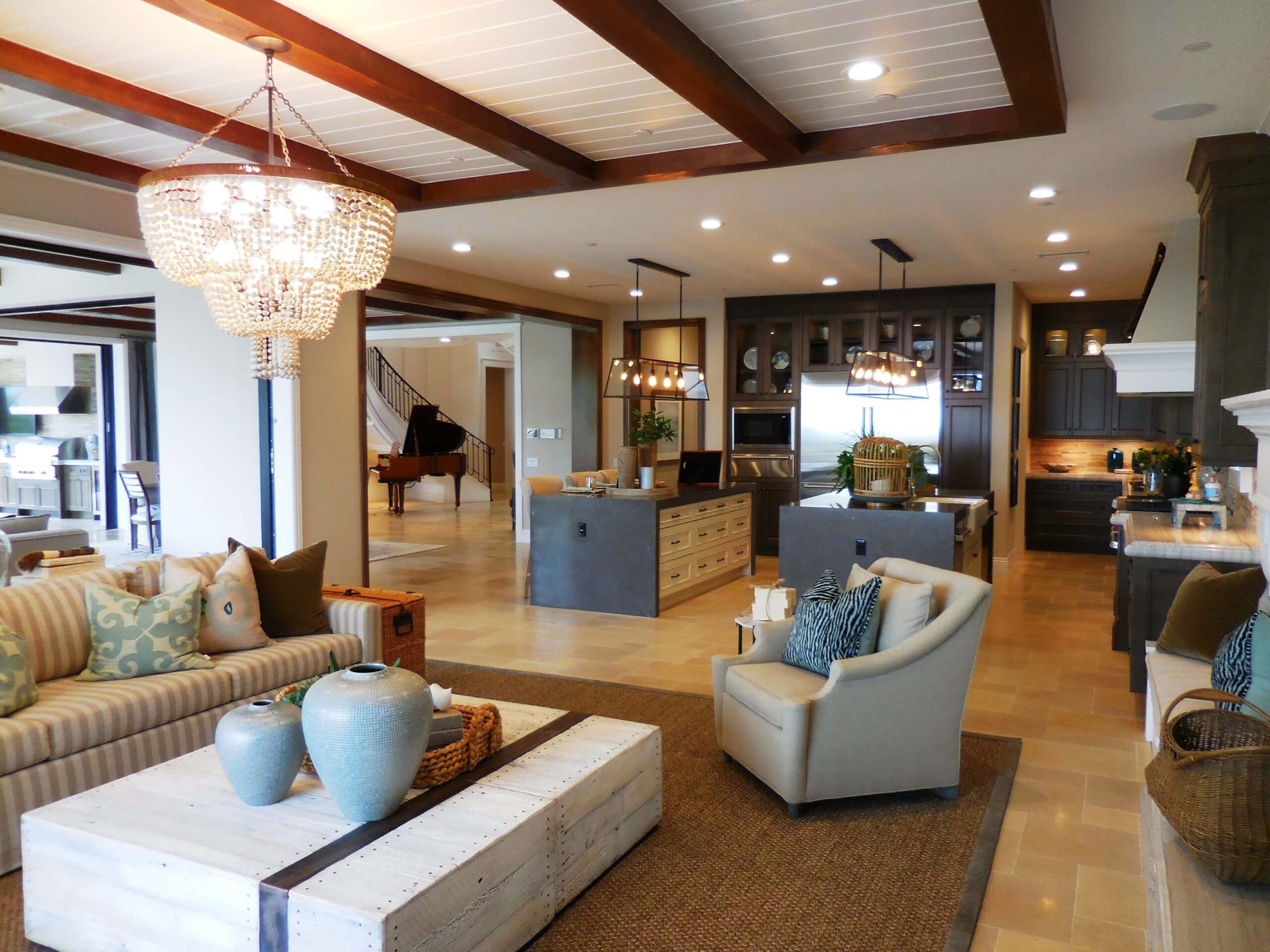
12 Key Responsibilities of an Interior Designer
The responsibilities of an interior designer can vary depending on whether the professional is providing design-only services or complete design and execution. However, the following areas are commonly important in a residential interior project.
Understanding Client Requirements
The first responsibility is to understand how the client wants to use the space. This includes lifestyle, family requirements, storage, preferred style, practical concerns and budget expectations.
Measuring and Assessing the Space
Accurate site measurements and an understanding of the existing conditions help establish a practical foundation for the design.
Space Planning
The designer determines how furniture, storage, circulation areas and other elements can be arranged to make the interior functional and comfortable.
Developing the Design Concept
The designer establishes the overall visual direction, which can include colour palettes, materials, furniture language, lighting ideas and architectural details.
Furniture and Storage Planning
Furniture dimensions and storage requirements should be coordinated with the available space and the client’s lifestyle.
Material and Finish Selection
Interior designers help select materials and finishes based on appearance, function, maintenance requirements, durability and budget.
Lighting and Electrical Planning
Lighting positions, fixture types, switches and electrical requirements need to work together with the furniture and overall design.
Design Drawings and Details
Depending on the scope, designers may prepare layouts, elevations, furniture details, ceiling plans, lighting plans and other drawings needed for execution.
Budget and Cost Coordination
A designer can help organize design decisions around the available budget and identify where investment should be prioritized.
Vendor and Contractor Coordination
Where execution is included, the designer may coordinate with carpenters, contractors, suppliers, fabricators and other project participants.
Site and Execution Coordination
The designer may review site progress and help ensure that execution follows the approved design, dimensions and material specifications.
Quality and Design Consistency
A professional designer should help maintain consistency between the agreed design concept and the completed interior.

An Interior Designer Connects Many Decisions
Interior design is not a collection of unrelated choices. The layout affects furniture, furniture affects storage, storage affects circulation, and lighting affects both function and atmosphere.
One of the key responsibilities of an interior designer is therefore to coordinate these decisions into a coherent plan.
This coordination is especially valuable when a project includes multiple rooms, custom furniture, modular kitchens, wardrobes, false ceilings, lighting and decorative finishes.
Space Planning: One of the Most Important Responsibilities
Space planning determines how people move through and use a room. It is often one of the earliest design decisions and can influence almost every other part of the project.
Furniture Placement
Furniture should be positioned according to room dimensions, circulation, door openings and practical usage.
Storage Planning
Wardrobes, cabinets, shelves and other storage should be planned around actual household requirements.
Circulation
The layout should allow people to move comfortably between key areas without creating unnecessary obstructions.
Room Function
A bedroom, living room, kitchen and home office each require different planning approaches.
Design Concept and Visual Direction
Once the functional requirements are understood, the interior designer develops a visual direction for the project.
- Define the preferred interior design style.
- Develop an appropriate colour palette.
- Select complementary materials and finishes.
- Coordinate furniture forms and proportions.
- Develop lighting concepts.
- Create visual balance between rooms.
- Consider the relationship between natural and artificial light.
- Ensure the final concept remains practical for everyday use.
Material and Finish Selection
Material selection is another important responsibility of an interior designer. The correct material depends on its application, appearance, maintenance requirements, durability and budget.
| Area | Typical Considerations | Designer’s Role |
|---|---|---|
| Kitchen | Moisture, cleaning, durability, storage and daily use. | Help coordinate finishes, hardware, storage and overall design. |
| Wardrobes | Storage capacity, internal organization, hardware and appearance. | Plan layout, dimensions, finish and functionality. |
| Living Room | Comfort, circulation, lighting and visual balance. | Coordinate furniture, lighting, walls and decorative elements. |
| Bedroom | Privacy, comfort, storage and lighting. | Create a relaxing and practical environment. |
| Bathroom | Moisture, cleaning, safety and material suitability. | Help coordinate finishes and functional requirements. |
Technical Responsibilities of an Interior Designer
Interior design combines aesthetics with practical planning. Depending on the project scope, technical responsibilities can include:
Detailed Layouts
Developing accurate furniture and space layouts for execution.
Electrical Coordination
Coordinating electrical points with furniture, appliances and lighting.
Ceiling Planning
Planning ceiling treatments, lighting positions and visual proportions.
Furniture Details
Preparing or coordinating dimensions and details for custom furniture.
Material Specifications
Identifying appropriate finishes and applications for different areas.
Site Coordination
Reviewing execution against the agreed design where site supervision is included in the service.
Budget Management and Cost Awareness
A responsible interior designer should understand that every project has financial boundaries. Good design does not necessarily mean using the most expensive materials everywhere.
Instead, the designer can help prioritize spending based on functionality, durability, aesthetics and the client’s preferences.
- Clarify the approximate project budget early.
- Separate essential requirements from optional upgrades.
- Discuss material alternatives where appropriate.
- Clarify designer fees and execution costs separately where applicable.
- Discuss the treatment of changes and additional work.
- Document important commercial decisions.
Interior Design Responsibilities Across the Project Process
The role of an interior designer can change as the project progresses. Understanding the stages helps homeowners know what to expect.
Brief
Understand the client’s needs, lifestyle, preferences and budget.
Concept
Develop layouts, style direction, materials and design details.
Documentation
Coordinate drawings, specifications, selections and execution information.
Coordination
Where included, coordinate site work, vendors and design implementation.
Client Communication Is a Core Responsibility
A successful interior design project depends on continuous communication. The client should understand what is being proposed and why particular decisions are being recommended.
- Confirm the project brief before design development.
- Explain important design recommendations.
- Present material and finish options clearly.
- Communicate changes that affect cost or timeline.
- Document major approvals.
- Clarify what is included within the agreed scope.
- Communicate project progress during execution when applicable.
What an Interior Designer May Not Automatically Handle
One of the most important things homeowners should understand is that interior design services can vary considerably. Some designers provide design consultation only, while others provide complete design and execution services.
| Service | May Be Included | Should Be Confirmed |
|---|---|---|
| Concept Design | Often | Scope and number of revisions |
| 3D Visualizations | Depending on package | Number of views and revisions |
| Working Drawings | Depending on scope | Which drawings are included |
| Material Selection | Often | Procurement responsibility |
| Contractor Coordination | Depending on service | Exact responsibilities |
| Site Supervision | Some projects | Frequency and scope |
| Procurement | Depending on package | Vendor and payment responsibility |
Common Mistakes Homeowners Make When Hiring an Interior Designer
Choosing Only by Portfolio
A beautiful portfolio is useful, but communication, process, budget management and relevant experience also matter.
Not Defining the Scope
Always understand whether you are hiring for consultation, design, design documentation or complete execution.
Ignoring the Budget Discussion
Discuss financial expectations early so the proposed design direction is realistic.
Assuming Everything Is Included
Services such as site supervision, procurement and contractor coordination may depend on the agreement.
Not Asking About Revisions
Clarify how many design revisions are included and how additional revisions are handled.
Skipping Written Documentation
Important commercial and design decisions should be documented rather than left entirely to verbal conversations.
Interior Designer Responsibility Checklist
Before appointing an interior designer, use this checklist to clarify the expected scope.
- Does the designer understand my lifestyle and functional requirements?
- Will the designer prepare space plans?
- Are 3D visualizations included?
- Are working drawings included?
- Will material and finish selections be provided?
- Who coordinates contractors and vendors?
- Who manages procurement?
- Is site supervision included?
- How are revisions handled?
- How are additional changes priced?
- What is the expected design timeline?
- What happens after the design is approved?
Interior Designer Responsibilities in Delhi NCR, Gurgaon and Noida
For homeowners planning interiors in Delhi NCR, Gurgaon, Noida and surrounding areas, the responsibilities of an interior designer can extend beyond the design concept to practical site coordination and local project requirements.
Apartment interiors, builder floors, villas and independent homes can each present different planning and execution considerations. Discuss the exact scope with your designer before starting the project.
Interior Designer in Gurgaon
A Gurgaon interior project may involve apartment planning, modular kitchens, wardrobes, lighting, custom furniture and coordination with building requirements.
Explore Gurgaon Interior Design →Interior Designer in Noida
For Noida homes, discuss layout planning, storage, materials, execution scope, site coordination and project timelines with your designer.
Explore Noida Interior Design →Interior Designer in Delhi NCR
A clear design brief and defined responsibilities can help homeowners manage complex residential interior projects across Delhi NCR.
Explore Delhi Interior Design →Related Interior Design Guides
Essential Qualities to Look for in an Interior Designer
Learn which professional qualities can help you evaluate and compare interior designers.
Read the Guide →Selecting the Right Interior Designer for Your Space
A practical guide to comparing designers before making a hiring decision.
Read the Guide →Important Questions to Ask Your Interior Designer
Prepare useful questions for your first interior design consultation.
Read the Questions →Understanding Interior Designer Fee Structures
Understand the areas to clarify when discussing interior design fees.
Explore Fee Structures →Planning Your Home Interior?
Before hiring an interior designer, understand exactly what you need and which responsibilities you expect the designer to handle. A clear scope can make the design and execution process easier to manage.
Request a Consultation WhatsApp Interior A to ZFrequently Asked Questions About Interior Designer Responsibilities
What are the main responsibilities of an interior designer?
The main responsibilities can include understanding client requirements, space planning, developing the design concept, selecting materials and finishes, coordinating drawings, managing design decisions and, depending on the agreed scope, coordinating vendors, contractors and site execution.
Does an interior designer manage the entire project?
Not necessarily. Some designers provide consultation or design-only services, while others provide complete design and execution. The exact scope should be agreed upon before work begins.
Does an interior designer select materials?
Material and finish selection is commonly part of interior design services, but the exact level of assistance can vary. Confirm whether the designer will only recommend materials or also coordinate procurement.
Does an interior designer prepare drawings?
Depending on the project scope, an interior designer may prepare layouts, elevations, furniture details, ceiling plans, lighting plans and other documentation required for the project.
Does an interior designer handle contractors?
Some designers coordinate contractors and vendors as part of an execution service, while others provide design documents only. This responsibility should be clearly defined in the agreement.
Why is space planning important in interior design?
Space planning helps determine how furniture, storage and circulation can work together. Good planning can improve functionality and comfort before aesthetic details are finalized.
Should an interior designer help with the project budget?
A designer can help align design decisions with the client’s budget and prioritize requirements. However, the exact cost management service should be discussed as part of the project scope.
What should I clarify before hiring an interior designer?
Clarify the design scope, deliverables, drawings, revisions, fees, procurement, contractor coordination, site supervision, timeline and responsibilities of both the designer and client.
What does an interior designer do in Gurgaon or Noida?
The responsibilities can include space planning, design development, material selection, drawings and, where agreed, vendor and site coordination. The exact scope depends on the project and service package.
Final Thoughts: Understanding the Role of an Interior Designer
The responsibilities of an interior designer extend well beyond choosing decorative elements. A professional may contribute to the project from the initial brief through space planning, concept development, material selection, technical documentation and execution coordination.
The most important step for homeowners is to understand exactly what the designer will and will not handle. A clearly defined scope helps prevent misunderstandings and makes it easier to evaluate proposals from different professionals.
Whether you are planning a home interior in Gurgaon, Noida, Delhi or another part of Delhi NCR, consider the designer’s experience, communication, technical knowledge, design process and execution responsibilities before making your decision.
A good interior designer does not simply make a space look attractive. They help connect functionality, aesthetics, planning and execution into one coordinated interior design solution.
Introduction to Interior Design Responsibilities
Interior designers play a crucial role in shaping the aesthetics and functionality of indoor spaces. Their main responsibilities encompass more than just decoration; they are involved in creating environments that enhance the well-being of occupants. Here’s a closer look at the primary duties of an interior designer.
Concept Development and Planning
One of the principal responsibilities of an interior designer is to develop a concept for a space. This process begins with understanding the client’s needs and preferences, followed by creating a design plan that includes layouts, color schemes, and material selections. Interior designers must balance creativity with practicality, ensuring that the proposed designs are achievable within the available budget and timeline.
Collaboration with Other Professionals
Interior designers frequently collaborate with architects, contractors, and engineers to ensure that their designs are executed correctly. This teamwork is vital to maintain the integrity of the design through the construction phase. They must communicate effectively with various stakeholders and often facilitate discussions to resolve any issues that arise during the project.
Implementation and Oversight
Once the design is finalized, interior designers oversee the implementation. This includes sourcing furniture, decor items, and other necessary elements that align with the overall design vision. They are responsible for ensuring that everything is installed correctly and adheres to relevant building codes and safety regulations. Successful implementation requires exceptional organizational skills and attention to detail.
Conclusion
The responsibilities of an interior designer extend far beyond mere decoration; they require a comprehensive understanding of space planning, collaboration, and project management. By effectively managing these responsibilities, interior designers contribute to creating beautiful and functional spaces that enrich the lives of those who inhabit them.