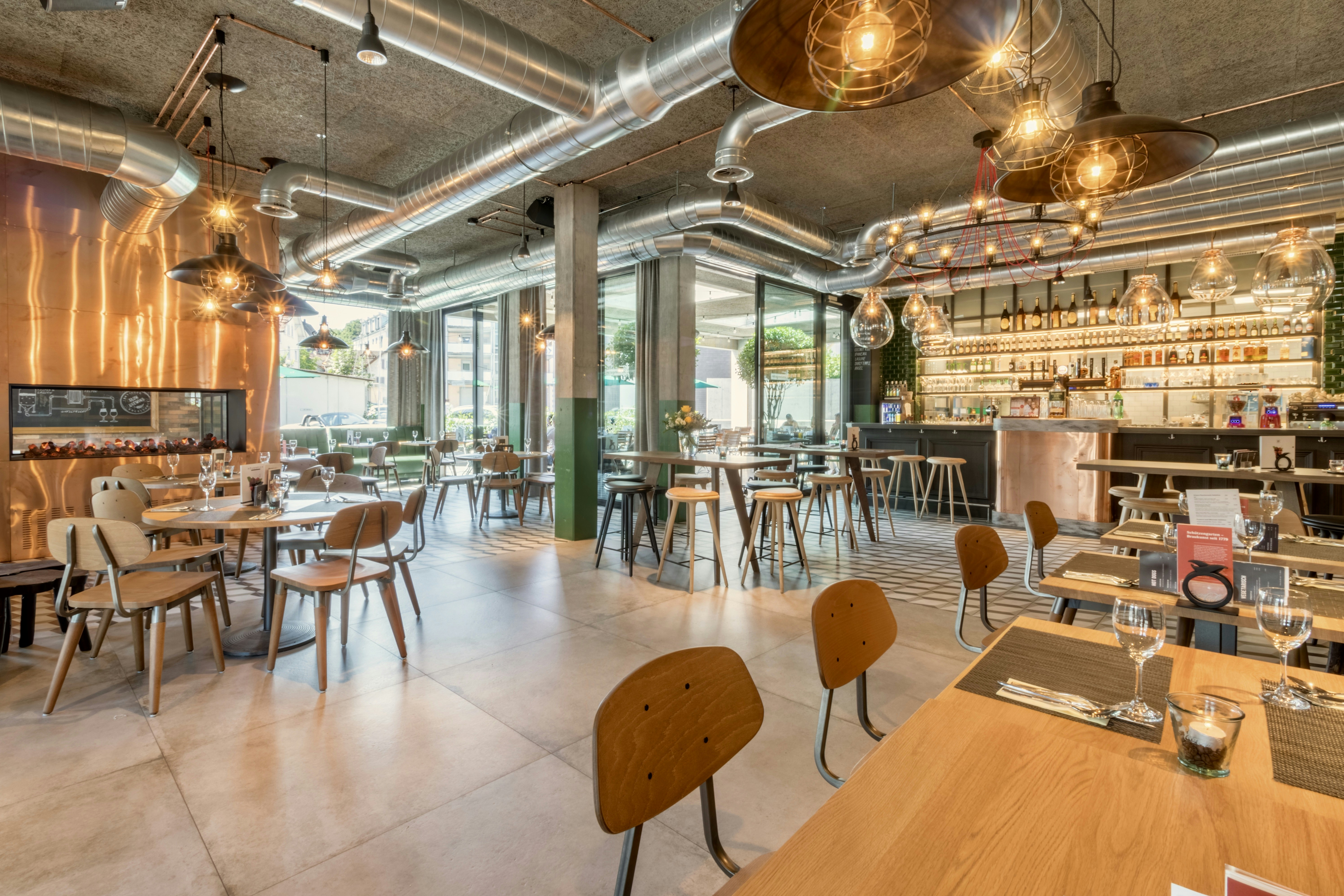
Introduction to Restaurant Design
Restaurant design is the intricate process of crafting dining environments that are not only functional but also visually captivating and memorable. It plays a crucial role in enhancing the overall customer experience while ensuring operational efficiency. The design should seamlessly blend aesthetics with practicality, allowing patrons to enjoy their meals in a comfortable setting. Finding an interior designer near me ensures that these technical aspects are handled with local expertise. For commercial project budgeting, our interior design cost guide provides essential pricing benchmarks for 2026.
Key Elements of Restaurant Design
A successful restaurant design relies on several vital elements. From planning the layout and seating arrangements to selecting lighting and color schemes, each aspect contributes to the ambiance. For instance, the seating arrangement should encourage interaction while also providing enough space for comfort. Lighting can set the mood, whether it’s bright and energetic or soft and intimate, while color schemes can evoke specific emotions. Consulting an interior designer in Gurgaon can help tailor these elements to your specific brand.
Impact on Customer Experience
The right restaurant design can significantly enhance the customer experience. Well-chosen furniture and décor not only beautify the dining area but can also reflect the restaurant’s theme and style. Additionally, the kitchen workflow must be integrated within the design to support efficiency and service speed. Ultimately, a well-thought-out restaurant design can make any meal a memorable occasion, as patrons tend to return not just for the food, but for the entire dining experience.