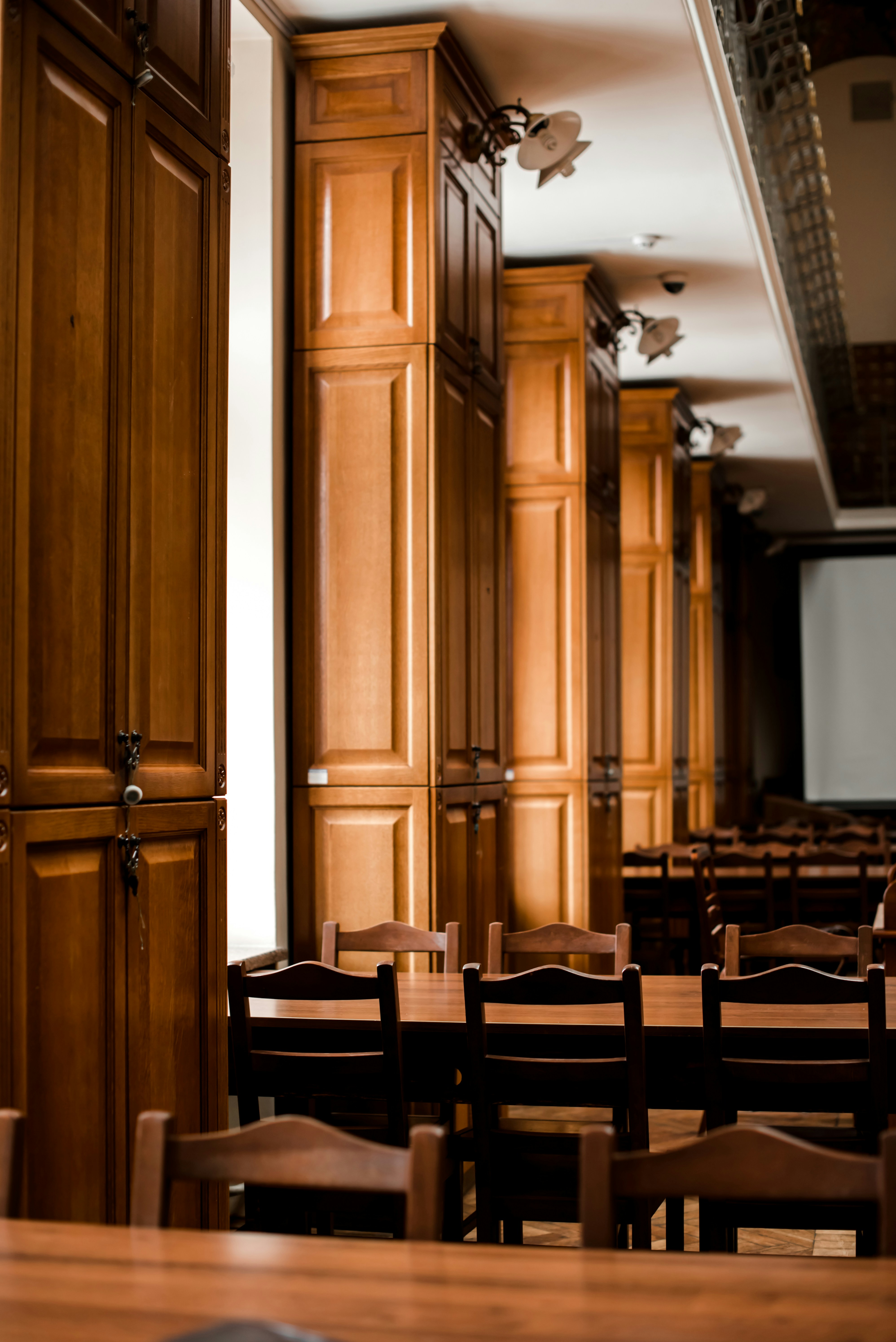
Understanding Room Planning
Room planning is an essential aspect of interior design that involves organizing and arranging furniture, fixtures, and functional areas within any given space. This process aims to maximize comfort and efficiency while enhancing visual appeal. By employing effective room planning strategies, you can create environments that are not only aesthetically pleasing but also functional and welcoming. Finding an interior designer near me ensures that these technical aspects are handled with local expertise. For those budgeting for a complete overhaul, our interior design cost guide provides essential pricing benchmarks for 2026.
Key Considerations for Effective Space Usage
When planning a room, one must consider several key elements. First, assess the purpose of the space. Whether it’s a living room, office, or bedroom, each area will have different requirements. Secondly, take note of the flow of movement within the room. Ensure that pathways are clear and that seating arrangements promote interaction without obstruction. Utilize pieces that serve multiple functions to optimize the space available, such as ottomans with storage or convertible sofas. Professional interior designer in Gurgaon services can help you navigate these choices effectively.
Creating a Visually Appealing Layout
A well-planned room not only meets practical needs but is also visually appealing. Begin by selecting a color palette that complements your furniture and decor. Incorporate a mix of heights and textures to add depth to the space. Consider the focal point of the room, whether it’s a fireplace, artwork, or a large window, and arrange the furniture to highlight this feature. Effective room planning can significantly influence the overall vibe and functionality of a space, making it crucial to invest time in the process.