Interior Design Process: Step by Step from Consultation to Handover
A well-structured interior design process connects your requirements, space planning, design, materials, budget and execution. Understand each stage before your home or office project begins.
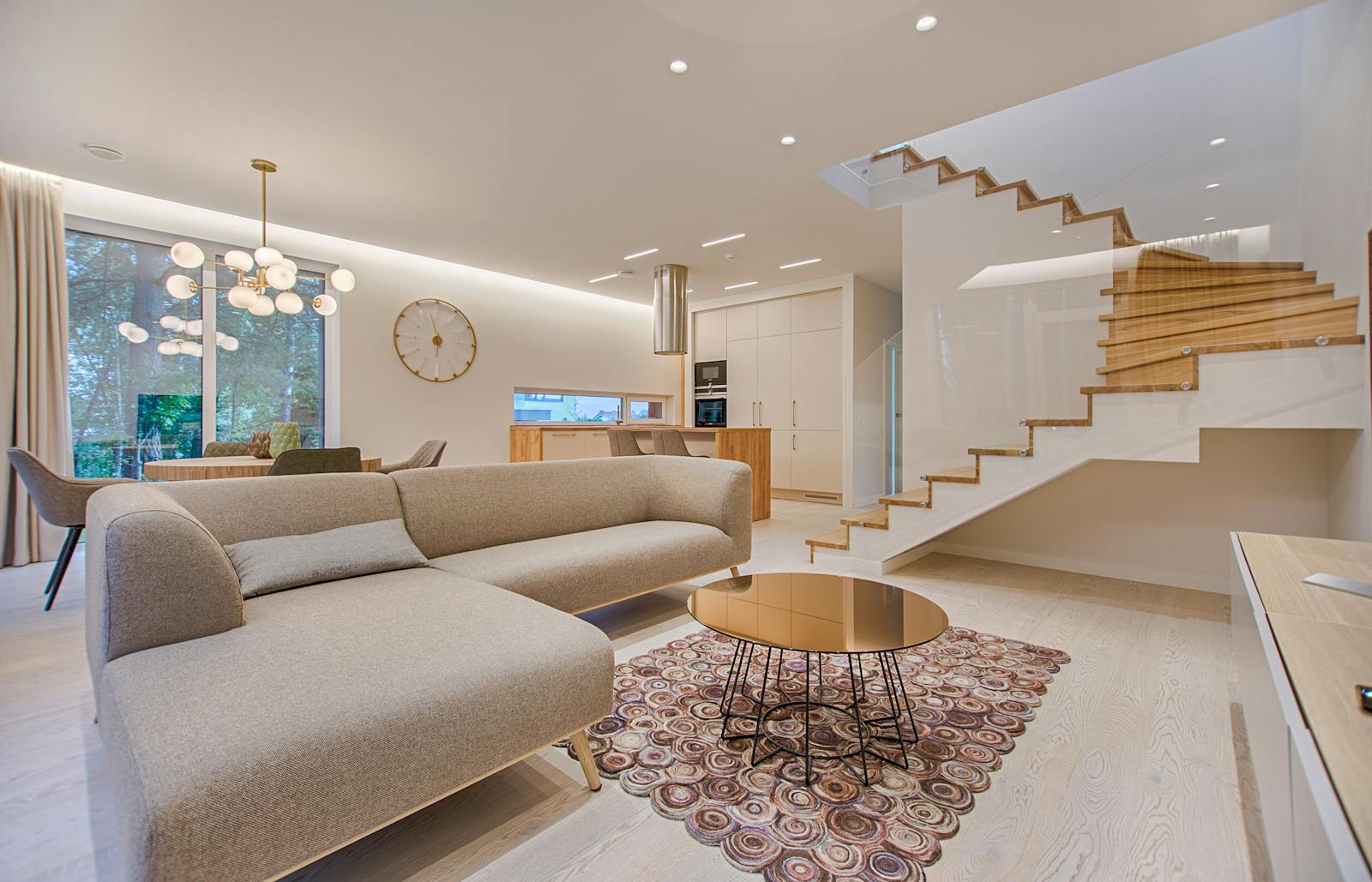
A good interior project follows a sequence, not a collection of disconnected decisions.
The interior design process typically starts with understanding the client’s requirements and property. It then moves through site assessment, space planning, concept development, detailed design, material selection, costing, execution and final handover.
The exact workflow varies between designers and project types, but keeping these stages connected helps prevent decisions about furniture, lighting, storage, materials and budget from being made independently.
From the first conversation to the finished space
These nine stages provide a practical framework for residential and commercial interior projects. The scope of each stage depends on the service agreement and project requirements.
Initial Consultation & Brief
The project begins by understanding the people, property and priorities behind the design.
- Property type and location
- Lifestyle and functional requirements
- Preferred design direction
- Rooms and project scope
- Approximate budget and timeline
Site Visit & Measurements
Accurate site information creates the foundation for practical space planning.
- Room measurements
- Doors and windows
- Existing services
- Natural light and ventilation
- Site limitations and opportunities
Concept Development
The design direction begins to take shape through planning and visual references.
- Mood boards
- Colour direction
- Material concepts
- Furniture direction
- Initial space-planning options
2D & 3D Design Development
Detailed layouts and visualizations help communicate the proposed interior before execution.
- Furniture layouts
- Room planning
- Elevations where required
- 3D visualizations where included
- Design refinements
Materials, Finishes & BOQ
The approved design is translated into practical specifications and commercial information.
- Cabinet finishes
- Hardware and fittings
- Floor and wall finishes
- Lighting requirements
- Quantities and costing
Execution Planning
The team establishes how the approved design will be implemented on site.
- Work sequence
- Vendor coordination
- Procurement planning
- Site requirements
- Execution schedule
Execution & Supervision
The design moves from drawings and specifications into actual construction, manufacturing and installation.
- Civil and site work
- Electrical coordination
- Carpentry and cabinetry
- Installation
- Quality and progress checks
Finishing & Styling
The final layer brings furniture, lighting, textiles and accessories together.
- Furniture installation
- Lighting installation
- Curtains and soft furnishings
- Decor and accessories
- Cleaning and touch-ups
Final Inspection & Handover
The completed project is reviewed and agreed final adjustments are addressed before handover.
- Final walkthrough
- Snag identification
- Agreed corrections
- Completion review
- Handover and applicable support
Good design connects the creative and technical sides of a project.

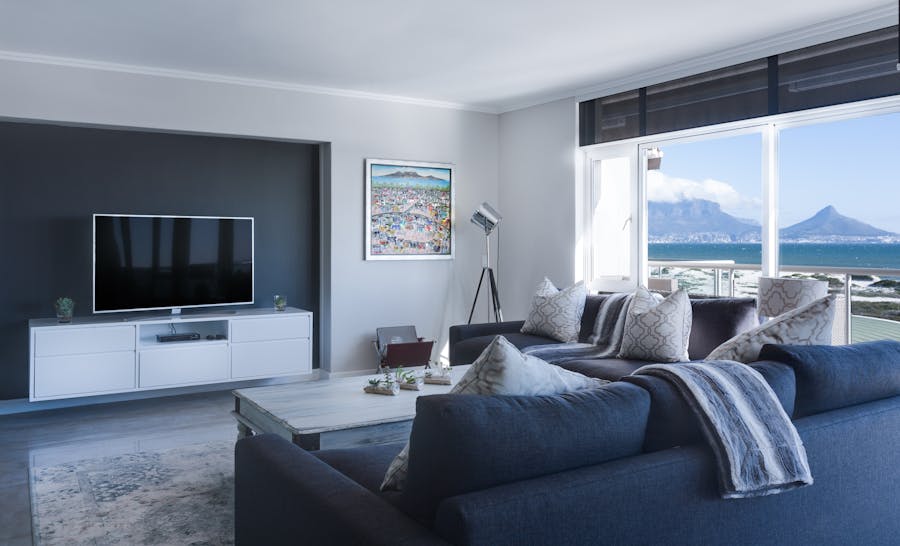
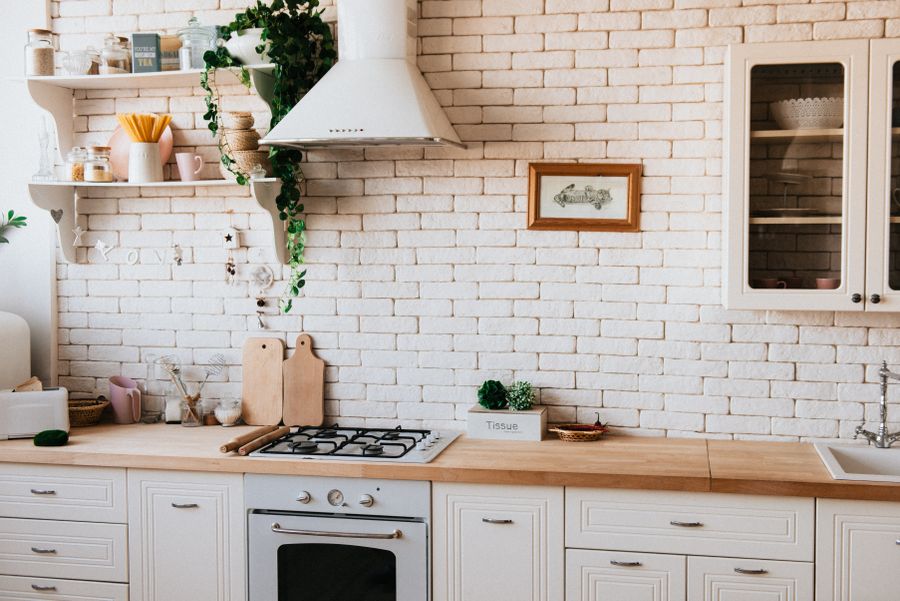
What happens during each major design phase?
Brief
Understand the people and the property
The designer gathers information about lifestyle, family requirements, storage, rooms, preferred style, budget and project expectations. A clear brief becomes the reference for later design decisions.
Site
Turn the property into accurate design information
Measurements, photographs, existing conditions, services, openings, light and ventilation are reviewed so the proposed design can respond to the actual space.
Concept
Establish the visual direction
Colours, materials, furniture ideas, mood boards and initial layouts create a shared direction before detailed design begins.
Design
Develop the idea into drawings and visualizations
Detailed 2D layouts, elevations and 3D visualizations where included help communicate proportions, furniture placement, storage and the intended look.
Cost
Connect the design with the project budget
Materials, quantities, furniture, labour and other relevant components are translated into a quotation or BOQ according to the agreed project scope.
Build
Prepare the site for implementation
Approved drawings, specifications and schedules are coordinated with vendors, contractors and the site team before execution.
Execute
Build, manufacture and install
The agreed work is implemented through the required civil, electrical, plumbing, carpentry, painting, manufacturing and installation activities.
Finish
Bring the interior together
Furniture, lighting, curtains, artwork, accessories and other final elements are installed and coordinated.
Handover
Review the completed project
The finished space is checked against the agreed scope, final snags are addressed where applicable and the completed project is handed over.
What may be included in an interior design process?
Deliverables vary by designer, project type and service package. Confirm the exact inclusions before signing an agreement.
Space Plans
Furniture layouts, room zoning, circulation and functional planning help establish how the space will work.
2D & 3D Design
Depending on the scope, drawings and visualizations can help communicate the proposed design before execution.
Material Specifications
Finishes, laminates, veneers, hardware, lighting and other materials can be selected according to the project.
Quotation & BOQ
Quantities, specifications and costs can be documented to make the project scope easier to understand.
Site Coordination
Depending on the service, execution may include vendor coordination, manufacturing, installation and site supervision.
Final Handover
Final inspection, snag resolution, styling and project handover complete the agreed interior scope.
Why costing should be connected to the design.
A design can look excellent on paper but become difficult to execute if the material and scope decisions are disconnected from the available budget. Cost planning should therefore develop alongside the design rather than appearing only at the end.
| Area | What should be clarified | Why it matters |
|---|---|---|
| Scope | Which rooms and works are included? | Prevents uncertainty about what the project covers. |
| Materials | Which finishes, hardware and specifications apply? | Material quality and specification can affect the final cost. |
| Furniture | Which modular, custom or loose furniture is included? | Clarifies the actual furniture requirement. |
| Labour | Which installation and site activities are included? | Helps identify execution responsibilities. |
| Exclusions | What is outside the quoted scope? | Reduces unexpected additions later. |
| Changes | How are variations or additional requirements handled? | Creates a clear process when the scope changes. |
The process can be adapted to different interior projects.
2 BHK & 3 BHK Apartments
The process typically focuses on efficient space planning, modular kitchen design, wardrobes, storage, furniture, lighting and coordinated finishes.
Explore 2 BHK Interior Design →Complete Home Interiors
A complete-home project connects multiple rooms into one consistent design language while allowing each space to serve its own functional purpose.
Explore Home Interior Design →Renovation Projects
Renovation requires additional assessment of existing construction, services, materials and the elements that will be retained or replaced.
Explore Interior Renovation →Turnkey Interiors
Turnkey projects connect design, procurement, manufacturing, installation and execution within an agreed scope and project structure.
Explore Turnkey Interior Design →How long does the interior design process take?
There is no universal project duration. Property size, scope, customization, approvals, site conditions, vendor coordination and material availability can all affect the timeline.
2 BHK / 3 BHK Apartments
A complete interior project can take a few months from planning through execution. The exact duration depends on the scope and level of customization.
Villas & Larger Homes
Larger homes generally require more planning, more furniture, more rooms and potentially more site coordination, so the execution period can be longer.
Commercial Interiors
Commercial projects may have different requirements involving approvals, services, operational deadlines, furniture and specialist installations.
Room-by-Room Projects
A focused kitchen, bedroom, living room or wardrobe project can have a narrower scope and therefore a different design and execution sequence.
Common mistakes that can disrupt the interior design process.
When should you hire an interior designer?
New construction
Involve the designer before major interior-related construction decisions are finalized. This allows layout, electrical, lighting, storage and furniture requirements to be coordinated.
Ready-to-move home
Start around possession or early planning so the designer can assess the property before major furniture, cabinetry and finish decisions are made.
Renovation
Ideally bring the designer in before demolition or significant remodeling so existing conditions can be assessed alongside the proposed new design.
Furniture or styling
A designer can be engaged later when the structural interior is already complete and the remaining requirement is furniture, lighting, colour, artwork or décor.
Interior design process for Delhi, Gurgaon and Noida
Homes & renovation
Delhi projects can range from apartments and builder floors to independent homes and renovations. Site assessment and practical planning are particularly important where existing construction must be retained.
Explore Delhi Interior Design →Apartment & luxury interiors
Gurgaon projects often require coordinated planning for kitchens, wardrobes, storage, furniture, lighting and complete-home interiors.
Explore Gurgaon Interior Design →Modern apartment planning
Efficient layouts, furniture scale, storage and integrated lighting can be important considerations for Noida apartments and homes.
Explore Noida Interior Design →Continue your interior design planning
Interior Design Methodology
Understand the design principles behind consultation, site assessment, space planning, materials, visualization and execution.
Explore Design Methodology →Best Way to Hire an Interior Designer
Learn how to define your requirements, shortlist designers, compare proposals and review the agreement.
Read the Hiring Guide →Best Stages to Hire an Interior Designer
Understand when to involve an interior designer during construction, possession, renovation or styling.
Explore Hiring Stages →Interior Design Packages
Explore different project scopes and understand how consultation, planning, materials, execution and handover can be structured.
Explore Design Packages →Home Interior Design Delhi NCR
Explore complete home interior planning from consultation through design, execution and handover.
Explore Home Interiors →Turnkey Interior Design
Understand an integrated approach connecting design, materials, execution, installation and project coordination.
Explore Turnkey Interiors →Interior design process FAQs
What is the first step in the interior design process?
The process normally begins with an initial consultation and client briefing. The designer understands the property, lifestyle, functional requirements, preferred style, project scope, budget and expected timeline.
What happens during an interior design site visit?
The designer reviews the property, takes measurements and photographs, assesses the existing layout, natural light, ventilation and practical site conditions, and identifies requirements that may affect the design.
When are 2D and 3D interior designs prepared?
After the initial requirements and concept direction are established, 2D layouts and 3D visualizations can be developed to communicate furniture placement, space planning, proportions, materials and the intended design.
What is a BOQ in interior design?
BOQ means Bill of Quantities. It is a detailed project cost document that can list quantities, materials, labour, fittings and other relevant project components.
What happens during interior design execution?
Approved drawings, specifications and the agreed scope are implemented through site work, procurement, manufacturing, installation and coordination of relevant trades and vendors.
How long does the interior design process take?
Project duration varies by property size, scope, design complexity, approvals, contractor coordination and material availability. A 2 BHK or 3 BHK apartment may take a few months, while larger villas and complex projects can take longer.
When should I hire an interior designer?
For new construction or major renovation, it is generally useful to involve an interior designer before important layout, electrical, lighting, storage and material decisions are finalized.
A better interior begins with a better process.
Share your property type, location, rooms, requirements, preferred style and approximate budget. The appropriate design and execution process can then be planned around your project.